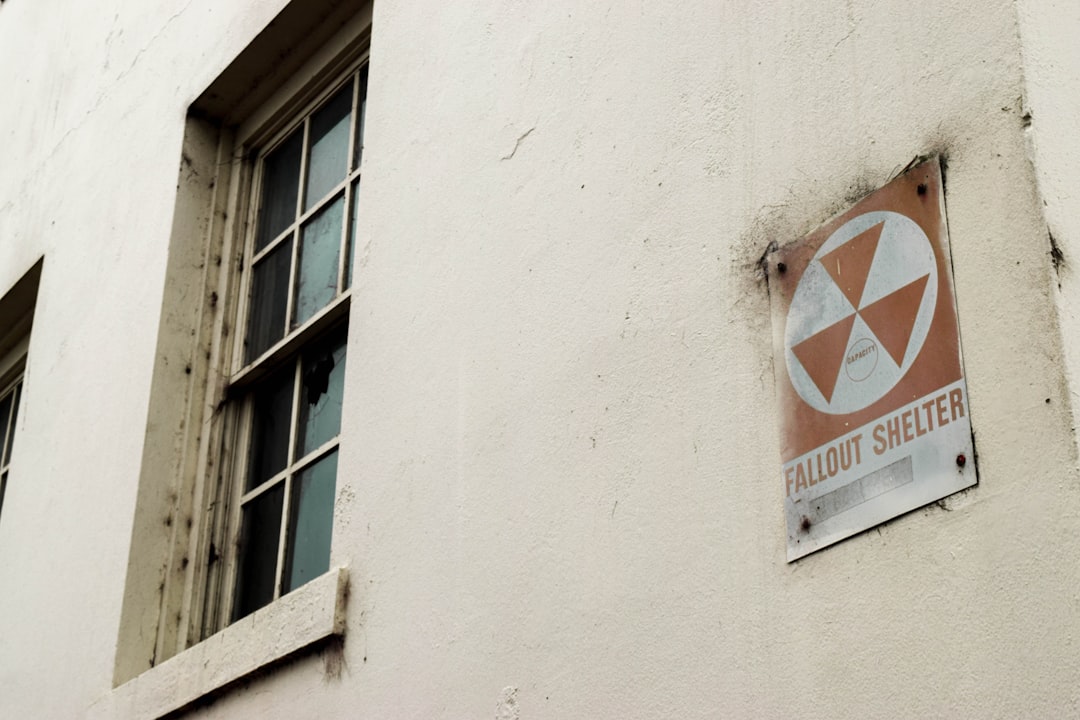
Nuclear arsenal modernization has become a central topic in global security discussions. As nations navigate international relations, they are increasingly focused on updating their nuclear weapons systems, which has become important for both military planning and diplomatic talks. Modernization includes upgrading existing warheads, developing new delivery systems, and improving command and control infrastructure.
These changes reflect both technological progress and shifts in global power dynamics, as countries work to maintain or strengthen their nuclear deterrent capabilities in a world with multiple competing powers. The need for nuclear arsenal modernization is driven by evolving security threats. As new powers emerge and historical rivalries resurface, nations must reconsider their nuclear strategies.
The relationship between deterrence, defense, and diplomacy influences how countries approach modernization, as they attempt to meet their security requirements while fulfilling international commitments. Understanding nuclear arsenal modernization is therefore critical for assessing its effects on international stability and peace.
Key Takeaways
- Nuclear arsenal modernization involves updating and enhancing nuclear weapons and delivery systems to maintain strategic deterrence.
- Historical efforts have evolved from Cold War arms races to current complex modernization programs worldwide.
- Modernization offers improved security and technological advancements but raises ethical, environmental, and economic concerns.
- International views on modernization vary, influencing global security dynamics and arms control agreements.
- Future trends focus on integrating cutting-edge technology while balancing strategic stability and non-proliferation goals.
Historical Background of Nuclear Arsenal Modernization
The roots of nuclear arsenal modernization can be traced back to the Cold War era, a time characterized by an arms race between the United States and the Soviet Union. During this period, both superpowers engaged in extensive development and testing of nuclear weapons, leading to significant advancements in technology and delivery systems. The doctrine of mutually assured destruction (MAD) dictated that both sides would maintain large arsenals to deter aggression, resulting in a continuous cycle of modernization to ensure the effectiveness and reliability of their nuclear forces.
Following the Cold War, the landscape of nuclear weapons changed dramatically. The dissolution of the Soviet Union led to a reduction in nuclear stockpiles and a shift in focus towards non-proliferation efforts. However, as new threats emerged—such as rogue states and terrorist organizations—the need for modernization resurfaced.
Countries began to invest in updating their arsenals to address these evolving challenges while also maintaining strategic parity with potential adversaries. This historical context sets the stage for understanding the current state of nuclear arsenal modernization programs around the world. The documentary provides a detailed analysis of the potential consequences of
Today, several nations are actively engaged in modernizing their nuclear arsenals, reflecting a renewed emphasis on deterrence in an unpredictable global environment. The United States, for instance, has embarked on a comprehensive modernization program that includes upgrades to its land-based intercontinental ballistic missiles (ICBMs), submarine-launched ballistic missiles (SLBMs), and strategic bombers. This initiative aims not only to enhance the reliability and safety of its nuclear forces but also to ensure that they remain effective against emerging threats.
Similarly, Russia has been investing heavily in its nuclear capabilities, developing new systems such as the Avangard hypersonic glide vehicle and the Sarmat intercontinental missile. These advancements are viewed as essential for maintaining strategic parity with NATO forces and countering perceived encroachments on its sphere of influence. Other countries, including China, India, and North Korea, are also pursuing modernization efforts, each driven by unique national security concerns and regional dynamics.
The current state of nuclear arsenal modernization is thus characterized by a diverse array of programs aimed at enhancing deterrence while navigating complex geopolitical landscapes.
Advantages and Disadvantages of Modernizing Nuclear Arsenals
The modernization of nuclear arsenals presents both advantages and disadvantages that warrant careful consideration. On one hand, proponents argue that updating nuclear capabilities is essential for maintaining credible deterrence. As adversaries develop new technologies and strategies, modernized arsenals can ensure that a nation’s nuclear forces remain effective and reliable.
This can help prevent conflicts by reinforcing the notion that any aggressive actions would be met with devastating consequences. Conversely, critics contend that modernization efforts can exacerbate tensions between nations and contribute to an arms race. The pursuit of advanced nuclear capabilities may lead other countries to feel threatened, prompting them to enhance their own arsenals in response.
This cycle can undermine global stability and increase the risk of miscalculations or accidental escalation during crises. Additionally, the financial resources allocated to modernization programs could be redirected towards pressing social issues such as education or healthcare, raising ethical questions about prioritizing military spending over human welfare.
Technological Innovations in Nuclear Arsenal Modernization
| Country | Program Name | Start Year | Estimated Completion Year | Key Modernization Focus | Number of Warheads (Approx.) | Budget Allocation (Billion USD) |
|---|---|---|---|---|---|---|
| United States | Ground-Based Strategic Deterrent (GBSD) | 2017 | 2030 | ICBM replacement, warhead life extension | 3,750 | 100 |
| Russia | Avangard Hypersonic Glide Vehicle | 2018 | 2025 | Hypersonic delivery systems, warhead modernization | 4,310 | 70 |
| China | DF-41 ICBM Development | 2015 | 2025 | ICBM range and MIRV capability | 350 | 50 |
| France | Force de Frappe Modernization | 2010 | 2030 | Submarine-launched ballistic missile upgrades | 290 | 15 |
| United Kingdom | Trident Renewal Program | 2016 | 2030 | Submarine and warhead replacement | 225 | 20 |
| India | Agni-V Missile Development | 2012 | 2025 | Long-range ballistic missile enhancement | 160 | 10 |
Technological innovations play a crucial role in the modernization of nuclear arsenals, shaping both the capabilities and strategies of nuclear-armed states. Advances in missile technology, for instance, have led to the development of more accurate and faster delivery systems. Hypersonic weapons, which can travel at speeds exceeding Mach 5, represent a significant leap forward in terms of evasion and strike capability.
These innovations challenge existing defense systems and necessitate new approaches to deterrence. Moreover, improvements in warhead design and safety mechanisms have enhanced the reliability of nuclear arsenals. Modern warheads are often equipped with advanced features that allow for better control over yield and precision targeting.
Additionally, developments in artificial intelligence and data analytics are beginning to influence command and control systems, potentially improving decision-making processes during crises. However, these technological advancements also raise concerns about proliferation risks and the potential for unintended consequences if such technologies fall into the wrong hands.
International Perspectives on Nuclear Arsenal Modernization
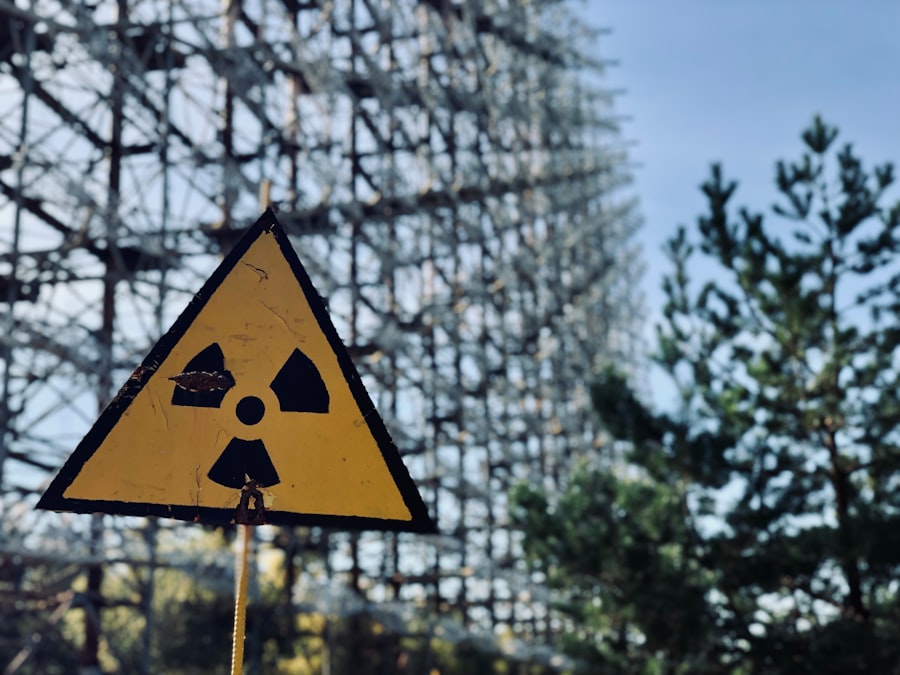
International perspectives on nuclear arsenal modernization vary significantly across different regions and political contexts. In Western countries, particularly among NATO allies, there is often a consensus on the necessity of maintaining credible deterrent capabilities through modernization efforts. This is viewed as essential for ensuring collective security against perceived threats from adversaries like Russia and North Korea.
In contrast, nations such as China advocate for disarmament and view modernization efforts by other countries as provocative actions that undermine global stability. China’s own modernization program is framed as a response to what it perceives as an arms race initiated by the United States and its allies. This divergence in perspectives complicates diplomatic efforts aimed at arms control and non-proliferation, as countries grapple with differing security priorities and historical grievances.
Environmental and Ethical Concerns of Nuclear Arsenal Modernization
The environmental impact of nuclear arsenal modernization is an often-overlooked aspect of this complex issue. The production and testing of nuclear weapons have historically resulted in significant ecological damage, from radioactive contamination to long-term health effects on local populations. As nations modernize their arsenals, concerns about environmental sustainability become increasingly relevant.
The potential for accidents or mismanagement during modernization processes could lead to catastrophic consequences for both human health and ecosystems. Ethical considerations also play a critical role in discussions surrounding nuclear arsenal modernization. The moral implications of maintaining and enhancing destructive capabilities raise questions about humanity’s responsibility towards future generations.
Critics argue that investing in nuclear weapons diverts attention from pressing global challenges such as climate change or poverty alleviation. The ethical dilemma lies in balancing national security interests with a commitment to global peace and stability.
Economic Implications of Nuclear Arsenal Modernization Programs
The economic implications of nuclear arsenal modernization programs are multifaceted and significant. On one hand, these programs can stimulate technological innovation and create jobs within defense industries. Investments in research and development can lead to advancements that benefit civilian sectors as well, fostering economic growth through dual-use technologies.
However, the financial burden associated with maintaining and modernizing nuclear arsenals is substantial. Countries must allocate significant resources to ensure their nuclear forces remain effective, often at the expense of other critical areas such as education or healthcare. This raises questions about opportunity costs—whether funds spent on military modernization could be better utilized to address pressing social issues or improve infrastructure.
As nations navigate these economic considerations, striking a balance between defense spending and societal needs remains a complex challenge.
Security and Strategic Considerations in Nuclear Arsenal Modernization
Security and strategic considerations are at the forefront of discussions surrounding nuclear arsenal modernization. For many nations, maintaining a credible deterrent is paramount to national security; thus, modernizing their arsenals becomes a strategic imperative.
However, this focus on modernization can also lead to strategic instability if not managed carefully. The introduction of new technologies may prompt adversaries to respond with their own enhancements, leading to an escalation of tensions. Additionally, reliance on advanced weaponry can create a false sense of security, potentially encouraging risky behavior during crises or conflicts.
As states navigate these strategic considerations, finding ways to engage in dialogue and arms control becomes increasingly important for maintaining global stability.
Future Trends in Nuclear Arsenal Modernization
Looking ahead, several trends are likely to shape the future landscape of nuclear arsenal modernization. One prominent trend is the increasing integration of emerging technologies such as artificial intelligence and cyber capabilities into nuclear strategies. These innovations could transform command-and-control systems while also raising new challenges related to security and reliability.
Another trend is the growing emphasis on multilateral arms control agreements aimed at curbing modernization efforts among nuclear-armed states. As global tensions rise, there may be renewed calls for dialogue aimed at establishing frameworks that promote transparency and reduce the risk of miscalculations during crises. Additionally, non-state actors’ influence on nuclear proliferation may necessitate new approaches to security that extend beyond traditional state-centric models.
The Role of Nuclear Arsenal Modernization in Global Security
In conclusion, nuclear arsenal modernization plays a critical role in shaping contemporary global security dynamics. While it offers advantages in terms of deterrence and technological advancement, it also poses significant risks related to escalation, environmental impact, and ethical considerations. As nations navigate this complex landscape, understanding the historical context, current state, and future trends surrounding modernization efforts is essential for fostering dialogue and promoting stability.
Ultimately, the challenge lies in balancing national security interests with global responsibilities towards peace and disarmament.
The discourse surrounding nuclear arsenal modernization must evolve alongside technological advancements and geopolitical shifts to address both immediate security concerns and long-term global stability objectives.
Nuclear arsenal modernization programs have become a critical topic in global security discussions, as nations seek to enhance their deterrent capabilities amidst evolving threats. A related article that delves into the implications of these modernization efforts can be found at this link. The article explores the strategic motivations behind these programs and their potential impact on international relations and arms control efforts.
WATCH THIS! ☢️ Nuclear War in 2026: The Real Risks, New Weapons & How Close We Are
FAQs
What is nuclear arsenal modernization?
Nuclear arsenal modernization refers to the process of updating and improving a country’s nuclear weapons, delivery systems, and related infrastructure to maintain their effectiveness, safety, and reliability.
Why do countries undertake nuclear arsenal modernization programs?
Countries modernize their nuclear arsenals to ensure deterrence capabilities remain credible, to replace aging weapons and delivery systems, to incorporate new technologies, and to address evolving security threats.
Which countries are known to have nuclear arsenal modernization programs?
The United States, Russia, China, France, the United Kingdom, India, Pakistan, and North Korea are among the countries known to be actively modernizing their nuclear arsenals.
What components are typically included in nuclear arsenal modernization?
Modernization programs often include upgrading warheads, delivery systems such as missiles and bombers, command and control systems, and nuclear infrastructure like production and maintenance facilities.
How long do nuclear modernization programs usually take?
These programs can span several decades due to the complexity, cost, and technical challenges involved in developing and deploying new nuclear capabilities.
Are nuclear arsenal modernization programs subject to international treaties?
Yes, such programs are influenced by treaties like the Treaty on the Non-Proliferation of Nuclear Weapons (NPT), New START, and various arms control agreements, which may limit the number or types of weapons and delivery systems.
What are the main concerns related to nuclear arsenal modernization?
Concerns include the potential for arms races, increased global tensions, high financial costs, and the risk of undermining arms control agreements.
How do modernization programs impact global security?
While modernization can enhance deterrence and national security, it may also provoke rival nations to upgrade their arsenals, potentially destabilizing strategic balances and increasing the risk of conflict.
Is modernization the same as expanding a nuclear arsenal?
Not necessarily. Modernization focuses on updating existing capabilities, whereas expansion involves increasing the number of nuclear weapons or delivery systems.
What technologies are commonly integrated into nuclear modernization efforts?
Technologies include advanced guidance systems, improved warhead designs, enhanced stealth and survivability features for delivery platforms, and modernized command and control networks.