The India-Pakistan conflict originated from the complex history of the Indian subcontinent during the late 19th and early 20th centuries. British colonial administration created divisions along religious and cultural lines, strengthening separate Hindu and Muslim identities. Nationalist movements among these communities intensified during the early 20th century, leading to demands for political autonomy.
The Muslim League’s push for an independent Muslim state gained substantial support in the 1940s, resulting in the partition of British India in 1947. This partition established two sovereign nations: India and Pakistan. The division was accompanied by severe communal violence, large-scale population displacement, and lasting resentment that significantly influenced both nations’ subsequent development.
The first major dispute centered on Jammu and Kashmir, a princely state claimed by both countries. Armed conflict between India and Pakistan occurred from 1947 to 1948, ending with a United Nations-brokered ceasefire that divided Kashmir between the two nations. Additional wars in 1965 and 1971 intensified the conflict, with the 1971 war resulting in the independence of Bangladesh, formerly East Pakistan.
Throughout subsequent decades, military confrontations and border skirmishes have periodically occurred. Fundamental disagreements regarding territorial boundaries, national sovereignty, and historical grievances remain unresolved and continue to sustain tensions between the two countries. The partition’s consequences remain central to understanding the political dynamics of both India and Pakistan.
The documentary provides a detailed analysis of the potential consequences of nuclear war.
Key Takeaways
- The India-Pakistan conflict has deep historical roots, fueling ongoing tensions and nuclear threats.
- Both countries possess significant nuclear capabilities, raising concerns about regional and global security.
- International efforts focus on diplomatic measures to prevent escalation and promote stability.
- Terrorism and domestic politics heavily influence the conflict dynamics between India and Pakistan.
- A nuclear conflict would have severe economic, humanitarian, and regional stability consequences.
Current Tensions and Escalating Nuclear Threat
In recent years, tensions between India and Pakistan have escalated dramatically, particularly following incidents of cross-border terrorism and military confrontations. The 2016 Uri attack and the 2019 Pulwama attack, which resulted in significant casualties among Indian security forces, have heightened animosities. In response to these attacks, India conducted airstrikes on what it claimed were terrorist camps in Pakistan, marking a significant shift in its military strategy.
This tit-for-tat escalation has raised alarms about the potential for a larger conflict, especially given both nations’ nuclear capabilities. The nuclear threat looms large over the subcontinent, as both India and Pakistan possess arsenals capable of inflicting catastrophic damage. The rhetoric from both sides has become increasingly aggressive, with leaders making statements that suggest a willingness to engage in military action if provoked.
This precarious situation is exacerbated by the presence of non-state actors and militant groups operating within Pakistan, which complicates diplomatic efforts and increases the risk of miscalculation. As tensions rise, the international community watches closely, aware that any conflict could have dire consequences not only for South Asia but for global security as well.
Nuclear Capabilities of India and Pakistan
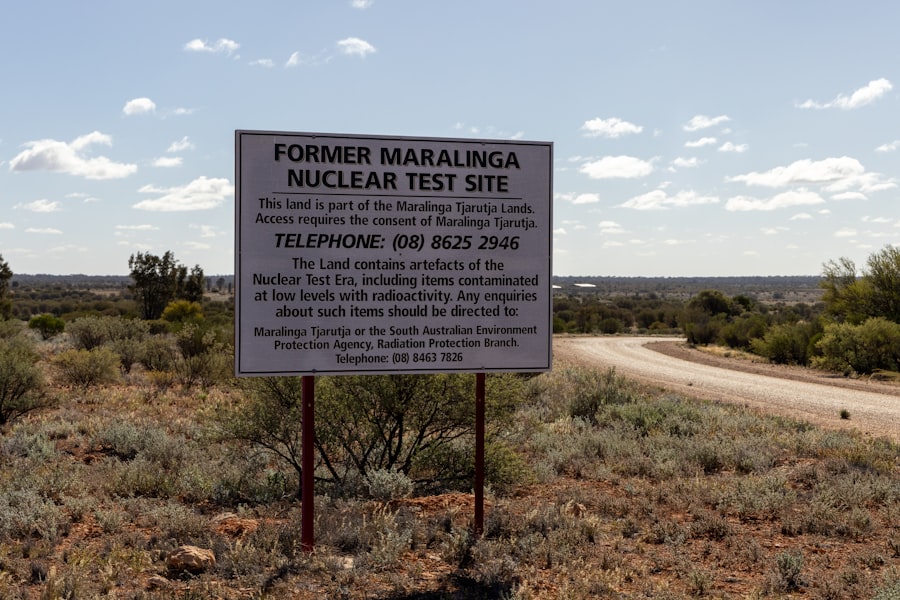
India and Pakistan’s nuclear capabilities are central to their strategic posturing and military doctrines. India conducted its first nuclear test in 1974, declaring itself a nuclear power with a policy of “no first use.” This doctrine aims to deter adversaries while maintaining a posture of restraint. In contrast, Pakistan developed its nuclear arsenal in response to India’s capabilities, conducting its own tests in 1998.
Pakistan’s nuclear strategy is characterized by a more aggressive stance, with a focus on maintaining a credible second-strike capability to counter India’s conventional military superiority. Both nations have invested heavily in modernizing their nuclear arsenals and delivery systems. India has developed a triad of delivery mechanisms, including land-based missiles, aircraft, and submarine-launched ballistic missiles.
Pakistan has also made strides in enhancing its missile technology and has introduced tactical nuclear weapons into its arsenal to deter conventional threats from India. The existence of these weapons creates a delicate balance of power but also raises concerns about accidental launches or miscalculations during crises. The potential for an arms race between the two countries further complicates an already volatile situation.
International Community’s Concerns and Involvement
The international community has long been concerned about the India-Pakistan conflict due to its implications for regional stability and global security. Major powers such as the United States, China, and Russia have vested interests in South Asia and have engaged in diplomatic efforts to mitigate tensions between the two nations. The U.S.
However, its influence has been limited by its complex relationships with both countries. China’s close ties with Pakistan add another layer of complexity to international involvement. Beijing has provided military support to Islamabad while simultaneously maintaining strategic partnerships with New Delhi.
The United Nations has also expressed concern over the potential for nuclear conflict in South Asia, calling for dialogue and confidence-building measures to reduce tensions. However, achieving meaningful progress remains challenging amid entrenched hostilities.
Impact of Escalating Nuclear Threat on Regional Stability
| Metric | India | Pakistan |
|---|---|---|
| Estimated Nuclear Warheads | 160-170 | 160-165 |
| Delivery Systems | Ballistic missiles, aircraft, cruise missiles | Ballistic missiles, aircraft, cruise missiles |
| Range of Longest-Range Missile | Agni-V: ~5,000 km | Shaheen-III: ~2,750 km |
| Declared Nuclear Doctrine | No first use | No first use (ambiguous in practice) |
| Year of First Nuclear Test | 1974 (Smiling Buddha) | 1998 (Chagai-I) |
| Estimated Nuclear Capable Delivery Vehicles | ~50-60 | ~40-50 |
| International Treaties Signed | Non-signatory to NPT, member of CTBT (signed but not ratified) | Non-signatory to NPT, not a member of CTBT |
| Current Nuclear Posture | Credible minimum deterrence, emphasis on second strike capability | Full spectrum deterrence, tactical nuclear weapons development |
The escalating nuclear threat between India and Pakistan poses significant risks to regional stability in South Asia. The potential for miscalculation during periods of heightened tension could lead to unintended consequences, including full-scale military conflict. The presence of nuclear weapons creates a precarious balance; while they may deter large-scale wars, they also increase the stakes of any confrontation.
As both nations continue to develop their arsenals and refine their military strategies, the risk of an arms race looms large. Moreover, the impact of this nuclear threat extends beyond bilateral relations; it affects neighboring countries and regional dynamics as well. Nations such as Afghanistan and China are closely monitoring developments between India and Pakistan, as any conflict could spill over borders and destabilize the region further.
Additionally, the humanitarian implications of a nuclear conflict would be catastrophic, with millions potentially affected by fallout and displacement. The specter of nuclear war casts a long shadow over South Asia, making it imperative for all stakeholders to prioritize dialogue and de-escalation.
Potential Consequences of Nuclear Conflict
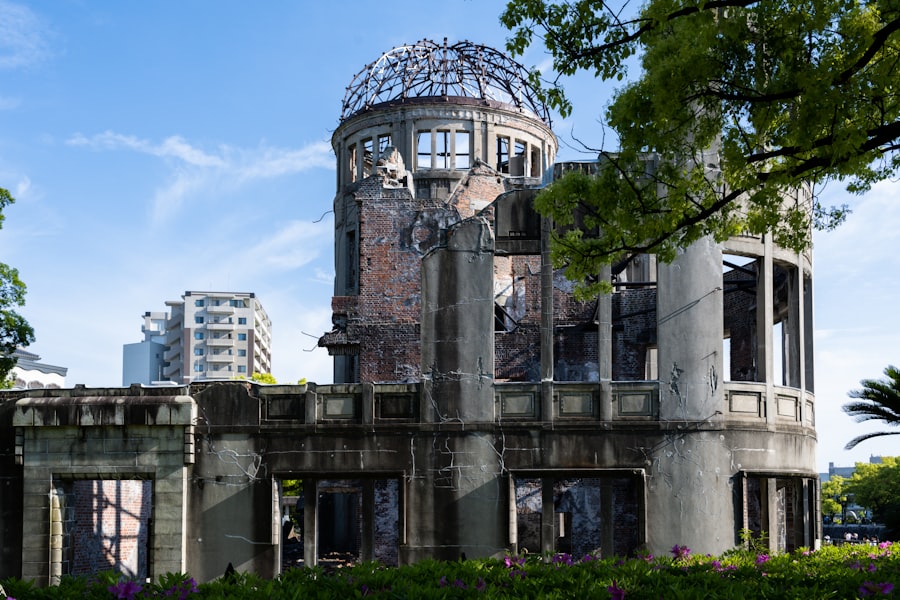
The potential consequences of a nuclear conflict between India and Pakistan are dire and far-reaching. A nuclear exchange would likely result in immediate catastrophic loss of life, with estimates suggesting that millions could perish within days due to blasts, radiation exposure, and subsequent humanitarian crises. The long-term effects would be equally devastating; entire cities could be rendered uninhabitable, leading to mass migrations and overwhelming refugee crises that neighboring countries would struggle to manage.
Beyond the immediate humanitarian toll, a nuclear conflict would have profound environmental repercussions. The phenomenon known as “nuclear winter” could occur if enough smoke and soot were released into the atmosphere from burning cities and infrastructure. This could lead to drastic climate changes affecting agriculture worldwide, resulting in food shortages and economic instability on a global scale.
The geopolitical landscape would also shift dramatically; alliances would be tested, and new power dynamics could emerge as nations grapple with the aftermath of such a catastrophic event.
Diplomatic Efforts to De-escalate Tensions
In light of the escalating tensions between India and Pakistan, various diplomatic efforts have been undertaken to promote dialogue and de-escalation. Track II diplomacy initiatives involving non-governmental organizations and former officials from both countries have sought to foster understanding and build trust through informal discussions. These initiatives often focus on shared interests such as trade, water resources, and cultural exchanges that can serve as platforms for cooperation.
Additionally, international organizations like the United Nations have called for renewed dialogue between the two nations to address core issues such as Kashmir and terrorism. However, these efforts face significant challenges due to entrenched positions on both sides. Nationalistic sentiments often dominate political discourse in both countries, making it difficult for leaders to pursue compromise without facing backlash from their respective constituencies.
Nevertheless, sustained diplomatic engagement remains crucial for reducing tensions and preventing conflict.
Role of Terrorism in India-Pakistan Conflict
Terrorism plays a pivotal role in perpetuating the India-Pakistan conflict, serving as both a catalyst for violence and a point of contention between the two nations. Various militant groups operating from Pakistani territory have carried out attacks against Indian civilians and security forces, leading to heightened tensions and retaliatory strikes by India. Groups such as Lashkar-e-Taiba and Jaish-e-Mohammed have been implicated in high-profile attacks like the Mumbai attacks in 2008 and the Pulwama attack in 2019.
Pakistan’s alleged support for these groups complicates diplomatic relations further; India accuses Islamabad of using terrorism as a tool of state policy to undermine its security. Conversely, Pakistan argues that it faces its own challenges with terrorism and that it is not responsible for actions taken by non-state actors. This cycle of violence perpetuates mistrust between the two nations, making it difficult to address underlying issues through dialogue or negotiation.
Domestic Political Dynamics in India and Pakistan
Domestic political dynamics significantly influence the trajectory of India-Pakistan relations. In India, nationalist sentiments have surged in recent years under the leadership of Prime Minister Narendra Modi’s Bharatiya Janata Party (BJP). The party’s hardline stance on national security resonates with many voters who prioritize a strong response to perceived threats from Pakistan.
This political climate often limits opportunities for dialogue or compromise with Islamabad. In Pakistan, political instability has historically shaped its approach toward India. Civilian governments have struggled against powerful military influences that often advocate for a more confrontational stance toward India.
The rise of populist leaders who capitalize on anti-India sentiments can further complicate diplomatic efforts. Both countries’ domestic politics are intertwined with their foreign policies; thus, any meaningful progress toward peace requires addressing these internal dynamics.
Economic and Humanitarian Implications of Nuclear Conflict
The economic implications of a nuclear conflict between India and Pakistan would be catastrophic not only for the two nations but also for the broader region. Both economies are interlinked through trade relationships; any disruption caused by conflict would lead to significant economic downturns affecting millions of lives. Infrastructure destruction would cripple industries while diverting resources toward military expenditures rather than development initiatives.
Humanitarian implications would be equally severe; millions could be displaced due to conflict or environmental fallout from nuclear exchanges. Access to basic necessities such as food, water, healthcare, and shelter would be severely compromised in affected areas. The international community would face immense challenges in providing aid amid ongoing hostilities; thus, prioritizing peace is essential not only for regional stability but also for safeguarding human lives.
Future Outlook for India-Pakistan Relations
The future outlook for India-Pakistan relations remains uncertain amid ongoing tensions fueled by historical grievances, territorial disputes, and domestic political dynamics. While there are occasional glimmers of hope—such as backchannel communications or cultural exchanges—the entrenched positions on both sides make meaningful progress challenging. The role of external actors will continue to be crucial; major powers must encourage dialogue while holding both nations accountable for actions that escalate tensions.
Ultimately, achieving lasting peace will require addressing core issues such as Kashmir while fostering mutual understanding through sustained engagement at multiple levels—governmental, civil society, and grassroots initiatives alike. As long as both nations remain committed to dialogue rather than confrontation, there is potential for a more stable future where cooperation can replace animosity in South Asia’s complex geopolitical landscape.
The ongoing tensions between India and Pakistan have raised significant concerns regarding nuclear threats in the region. A related article that delves deeper into this issue can be found at this link, where various perspectives on the implications of nuclear capabilities in South Asia are discussed. Understanding these dynamics is crucial for grasping the broader geopolitical landscape and the potential risks involved.
WATCH THIS! ☢️ Nuclear War in 2026: The Real Risks, New Weapons & How Close We Are
FAQs
What is the nature of the nuclear threat between India and Pakistan?
The nuclear threat between India and Pakistan stems from their longstanding territorial disputes, particularly over the Kashmir region. Both countries possess nuclear weapons and have engaged in multiple conflicts, raising concerns about the potential for nuclear escalation.
When did India and Pakistan become nuclear-armed states?
India conducted its first nuclear test in 1974, known as “Smiling Buddha,” while Pakistan followed with its first nuclear tests in 1998, shortly after India’s tests that same year.
How many nuclear weapons do India and Pakistan currently have?
Estimates vary, but as of recent assessments, India is believed to have around 160 nuclear warheads, while Pakistan is estimated to have approximately 165. Both countries continue to develop and modernize their arsenals.
What measures exist to prevent nuclear conflict between India and Pakistan?
Several confidence-building measures and communication channels have been established, including a hotline between military leaders, agreements on nuclear risk reduction, and participation in international non-proliferation efforts. However, tensions remain high.
Has there ever been a nuclear conflict between India and Pakistan?
No, there has never been a direct nuclear conflict between India and Pakistan. Both countries have engaged in conventional wars and skirmishes, but nuclear weapons have not been used in combat.
What role does international diplomacy play in managing the India-Pakistan nuclear threat?
International diplomacy, including efforts by the United Nations, the United States, China, and other global actors, aims to promote dialogue, reduce tensions, and encourage arms control measures to prevent nuclear escalation between the two countries.
Are India and Pakistan signatories to any nuclear non-proliferation treaties?
India and Pakistan are not signatories to the Nuclear Non-Proliferation Treaty (NPT). India has consistently maintained a policy of nuclear deterrence outside the NPT framework, while Pakistan has also refrained from joining the treaty.
What is the significance of the Kashmir conflict in the nuclear threat between India and Pakistan?
The Kashmir conflict is the central territorial dispute fueling hostility between India and Pakistan. Both countries claim the region in full but control parts of it. This dispute has led to multiple wars and ongoing tensions, increasing the risk of nuclear confrontation.
How do India and Pakistan’s nuclear doctrines differ?
India follows a “No First Use” policy, stating it will not use nuclear weapons unless first attacked by an adversary using nuclear weapons. Pakistan, however, has not adopted a formal No First Use policy and maintains ambiguity regarding its nuclear posture.
What impact does the India-Pakistan nuclear threat have on regional and global security?
The nuclear threat between India and Pakistan contributes to regional instability in South Asia and poses challenges to global non-proliferation efforts. It increases the risk of nuclear conflict, accidental launches, and arms races, affecting international peace and security.