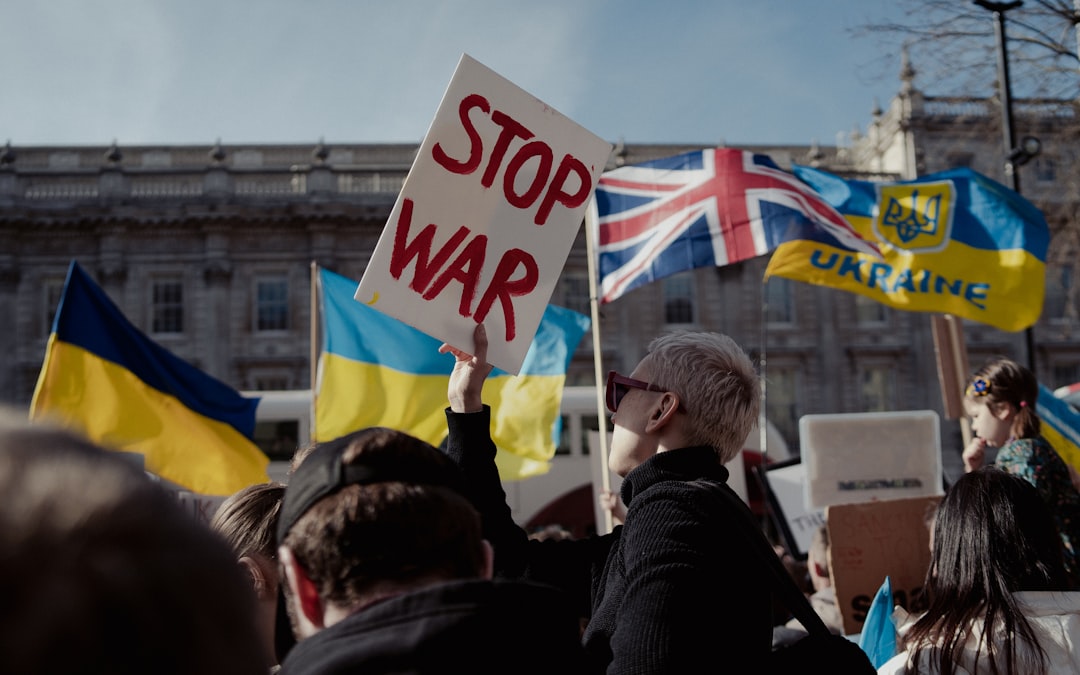
The conflict in Ukraine has significantly altered the geopolitical dynamics of Eastern Europe and raised concerns about nuclear escalation. Tensions between Ukraine and Russia have intensified since 2014, escalating further after Russia’s annexation of Crimea. In February 2022, Russia initiated a full-scale military invasion of Ukraine, drawing international condemnation.
Both nations possess substantial nuclear arsenals, making the risk of nuclear escalation a serious concern for global security and international stability. Throughout the conflict, rhetoric regarding nuclear weapons has become more pronounced. Russian officials have made statements suggesting they may employ nuclear weapons if they perceive threats to their territorial integrity.
These statements have increased concern among NATO members and other world powers, who worry that miscalculation could result in severe consequences. The Ukraine conflict demonstrates the fragile balance of power in a world where nuclear weapons remain a critical component of military strategy.
Key Takeaways
- The Ukraine conflict raises significant risks of nuclear escalation with global security implications.
- Nuclear weapons play a critical and controversial role in the ongoing Ukraine war dynamics.
- International organizations and diplomacy are key to preventing nuclear escalation and managing tensions.
- The conflict threatens to undermine nuclear non-proliferation efforts and arms control agreements.
- Lessons from past nuclear crises highlight the importance of strategic communication and crisis management.
The Role of Nuclear Weapons in the Ukraine War
Nuclear weapons play a pivotal role in the strategic calculations of both Russia and Ukraine. For Russia, its nuclear arsenal serves as a deterrent against perceived threats from NATO and Western nations. The Kremlin’s doctrine emphasizes the importance of nuclear capabilities in maintaining its influence and safeguarding its national interests.
In this context, the presence of nuclear weapons is not merely a matter of military might; it is also a tool for political leverage. The Russian government has repeatedly underscored its readiness to use nuclear weapons if it deems its sovereignty at risk, thereby embedding nuclear strategy into its broader military objectives. Conversely, Ukraine’s position is markedly different.
Following the dissolution of the Soviet Union, Ukraine inherited a significant stockpile of nuclear weapons but chose to relinquish them in exchange for security assurances under the Budapest Memorandum. This decision has left Ukraine vulnerable, as it now relies on international support to counter Russian aggression. The absence of a nuclear deterrent has prompted discussions within Ukraine about revisiting its nuclear status, especially as the conflict escalates.
The role of nuclear weapons in this war is thus characterized by a stark asymmetry: while Russia wields its arsenal as a means of intimidation, Ukraine grapples with the implications of its disarmament. The documentary provides a detailed analysis of the potential consequences of nuclear war on global security.
International Concerns about Nuclear Escalation
The international community watches with bated breath as the situation in Ukraine unfolds, acutely aware of the potential for nuclear escalation. The prospect of a nuclear confrontation raises alarm bells not only for neighboring countries but for global stability as a whole. Nations around the world are concerned that any misstep or miscommunication could trigger a catastrophic chain reaction, leading to widespread devastation.
The fear is compounded by the fact that both Russia and NATO have engaged in military posturing, which could easily be misinterpreted as preparations for an escalation. Moreover, the rhetoric surrounding nuclear capabilities has led to increased tensions between major powers. Countries such as the United States and China are closely monitoring developments in Ukraine, recognizing that any escalation could have far-reaching implications for their own security interests.
The potential for a new arms race looms large, as nations may feel compelled to bolster their own nuclear arsenals in response to perceived threats. This dynamic creates a precarious environment where diplomatic efforts are essential to mitigate risks and prevent further escalation.
Potential Consequences of Nuclear Escalation in Ukraine
The consequences of nuclear escalation in Ukraine would be dire and far-reaching. A nuclear exchange could result in unprecedented loss of life and environmental devastation, not only within Ukraine but also across Europe and beyond. The immediate impact would be catastrophic, with cities reduced to rubble and millions displaced from their homes.
The long-term effects would be equally severe, as radiation fallout could render vast areas uninhabitable and disrupt ecosystems for generations. Beyond the humanitarian crisis, nuclear escalation would have profound geopolitical ramifications. It could lead to a realignment of alliances and an increase in hostilities among nations.
Countries may feel compelled to take sides, further polarizing the international community and undermining existing diplomatic frameworks. The specter of nuclear war could also stifle global economic growth, as markets react to instability and uncertainty. In essence, the potential consequences of nuclear escalation extend far beyond the battlefield, threatening to reshape the very fabric of international relations.
The Impact of the Ukraine War on Nuclear Non-Proliferation Efforts
| Metric | Value | Description | Source Date |
|---|---|---|---|
| Number of Nuclear Threats Issued | 5 | Count of explicit nuclear threats made by involved parties since conflict escalation | 2024-06 |
| Probability of Nuclear Escalation (Expert Survey) | 15% | Estimated likelihood of nuclear weapon use in the conflict within the next year | 2024-05 |
| Number of Nuclear Warheads Deployed Near Conflict Zone | Approx. 200 | Estimated number of nuclear warheads positioned in Russia’s western military districts | 2024-04 |
| International Nuclear Alert Level | Yellow | Current alert status indicating elevated but not imminent nuclear threat | 2024-06 |
| Frequency of Nuclear-Related Military Exercises | 3 per quarter | Number of nuclear-capable military drills conducted by Russia since conflict escalation | 2024-06 |
| UN Security Council Nuclear Escalation Resolutions | 2 | Number of resolutions addressing nuclear risk in Ukraine conflict | 2024-05 |
The conflict in Ukraine poses significant challenges to global non-proliferation efforts. As nations grapple with the realities of nuclear deterrence in light of the ongoing war, there is a risk that some countries may reconsider their commitments to disarmament and non-proliferation treaties. The perception that nuclear weapons provide security against aggression could lead to an increase in proliferation activities, undermining decades of progress in curbing the spread of these weapons.
Furthermore, the war has highlighted the limitations of existing non-proliferation frameworks. The Budapest Memorandum, which was intended to provide security assurances to Ukraine in exchange for its disarmament, has proven ineffective in deterring Russian aggression. This failure raises questions about the reliability of security guarantees offered by major powers and may prompt other nations to seek their own nuclear capabilities as a safeguard against potential threats.
As such, the Ukraine conflict serves as a critical juncture for non-proliferation efforts, necessitating a reevaluation of strategies aimed at preventing the spread of nuclear weapons.
Strategies to Prevent Nuclear Escalation in Ukraine
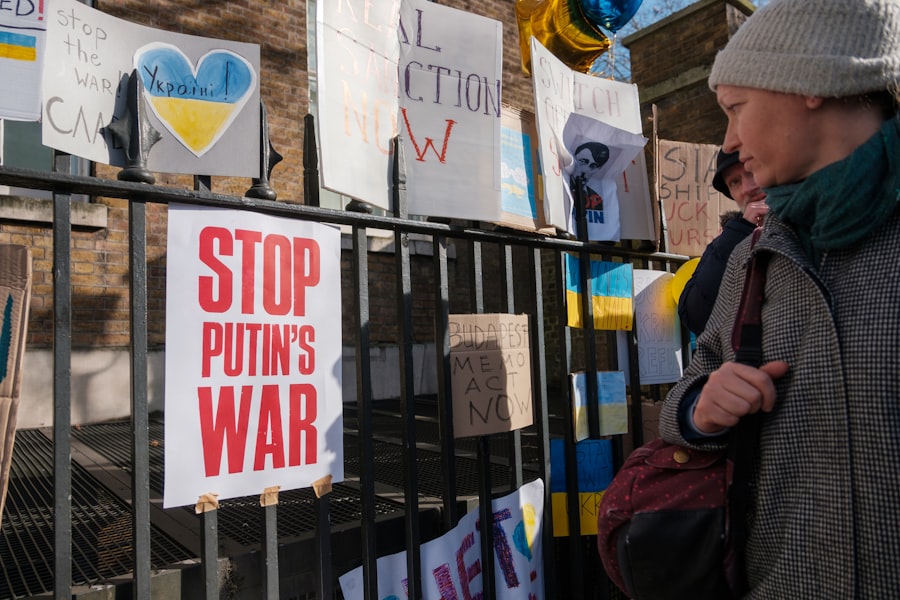
Preventing nuclear escalation in Ukraine requires a multifaceted approach that encompasses diplomatic engagement, confidence-building measures, and robust communication channels between conflicting parties. One key strategy involves fostering dialogue between Russia and NATO countries to address security concerns and reduce tensions. Diplomatic initiatives aimed at establishing clear lines of communication can help mitigate misunderstandings that could lead to escalation.
Additionally, confidence-building measures such as arms control agreements and transparency initiatives can play a crucial role in reducing fears surrounding nuclear capabilities. By promoting openness regarding military activities and intentions, nations can work towards building trust and reducing the likelihood of miscalculations. Furthermore, involving neutral third parties or international organizations in mediation efforts can provide an impartial platform for negotiations and facilitate de-escalation.
The Role of International Organizations in Addressing Nuclear Escalation
International organizations play a vital role in addressing the threat of nuclear escalation in conflicts like that in Ukraine. Institutions such as the United Nations (UN) and the International Atomic Energy Agency (IAEA) are essential for promoting dialogue and facilitating cooperation among nations. The UN can serve as a forum for discussing security concerns related to nuclear weapons while providing a platform for conflict resolution.
The IAEA’s expertise in monitoring nuclear activities can also contribute to preventing escalation by ensuring compliance with non-proliferation agreements and providing assurances regarding peaceful uses of nuclear energy. By engaging with member states and promoting transparency, these organizations can help build confidence among nations and reduce fears surrounding nuclear capabilities.
The Ukraine Conflict and the Threat of Nuclear Terrorism
The ongoing conflict in Ukraine raises concerns not only about state-level nuclear escalation but also about the potential for nuclear terrorism. As fighting continues, there is an increased risk that nuclear materials or facilities could fall into the hands of non-state actors or extremist groups. Such scenarios pose grave threats to global security, as even a small amount of radioactive material could be used to create panic or cause harm.
The possibility of nuclear terrorism underscores the importance of securing nuclear facilities and materials during times of conflict. International cooperation is essential to prevent unauthorized access to these resources and ensure that they remain safeguarded from malicious actors. Strengthening security protocols around nuclear sites and enhancing intelligence-sharing among nations can help mitigate these risks and protect against potential acts of terrorism.
The Ukraine War and the Future of Nuclear Arms Control
The conflict in Ukraine has significant implications for the future of nuclear arms control efforts worldwide. As tensions rise between major powers, there is a risk that existing arms control agreements may be undermined or abandoned altogether. The deterioration of trust among nations could lead to an erosion of established frameworks designed to limit the proliferation and development of nuclear weapons.
In this context, it becomes imperative for global leaders to recommit to arms control initiatives and seek new avenues for cooperation. Engaging in dialogue about modernizing existing treaties or creating new agreements tailored to contemporary security challenges can help restore confidence among nations. The future of nuclear arms control hinges on collective efforts to address underlying tensions while promoting disarmament and non-proliferation.
The Role of Diplomacy in Mitigating Nuclear Escalation in Ukraine
Diplomacy remains a crucial tool for mitigating the risks associated with nuclear escalation in Ukraine. Engaging in constructive dialogue between conflicting parties can help address grievances and foster understanding. Diplomatic efforts should focus on finding common ground while acknowledging each party’s security concerns.
Moreover, involving neutral mediators can facilitate negotiations by providing an impartial perspective on contentious issues. Diplomatic channels must remain open even during periods of heightened tension, as they offer opportunities for de-escalation and conflict resolution. Ultimately, sustained diplomatic engagement is essential for preventing misunderstandings that could lead to catastrophic outcomes.
Lessons Learned from Previous Nuclear Escalation Crises
History offers valuable lessons regarding the management of nuclear escalation crises.
These historical precedents underscore the importance of clear communication channels and robust diplomatic frameworks.
Furthermore, previous crises highlight the need for proactive measures aimed at preventing escalation before it occurs. Establishing confidence-building measures, engaging in arms control negotiations, and fostering international cooperation are essential strategies that can help mitigate risks associated with nuclear weapons. By learning from past experiences, nations can work towards creating a more stable global environment where the threat of nuclear escalation is minimized.
In conclusion, the ongoing conflict in Ukraine presents complex challenges related to nuclear escalation that require urgent attention from the international community. As tensions rise and rhetoric intensifies, it is imperative for nations to prioritize diplomacy, engage with international organizations, and recommit to arms control efforts to prevent catastrophic outcomes. By learning from history and fostering cooperation among nations, it may be possible to navigate this precarious landscape while safeguarding global security against the specter of nuclear war.
The ongoing conflict in Ukraine has raised significant concerns about the potential for nuclear escalation, as both sides navigate the complexities of warfare and international diplomacy.
For more insights, you can read the article [here](https://www.realloreandorder.com/).
WATCH THIS! ☢️ Nuclear War in 2026: The Real Risks, New Weapons & How Close We Are
FAQs
What is the current risk of nuclear escalation in the Ukraine war?
The risk of nuclear escalation in the Ukraine war remains a concern among international observers, but as of now, no nuclear weapons have been used. The conflict has involved conventional military forces, and while nuclear rhetoric has been present, actual deployment or use of nuclear weapons has not occurred.
Why is there concern about nuclear escalation in the Ukraine conflict?
Concerns arise because Russia is a nuclear-armed state, and its involvement in Ukraine has led to heightened tensions with NATO and Western countries. Statements from Russian officials about potential nuclear responses have increased fears of escalation, although these remain largely rhetorical.
Have any nuclear weapons been used in the Ukraine war?
No nuclear weapons have been used in the Ukraine war. The conflict has been fought with conventional weapons, and the use of nuclear arms would represent a significant and unprecedented escalation.
What measures are in place to prevent nuclear escalation in the Ukraine conflict?
Diplomatic efforts, communication channels between nuclear powers, and international pressure aim to prevent nuclear escalation. Organizations like the United Nations and various governments advocate for de-escalation and adherence to nuclear non-proliferation treaties.
How does the international community view the risk of nuclear escalation in Ukraine?
The international community generally views the risk as serious but manageable. Many countries emphasize the importance of dialogue and restraint to avoid any nuclear confrontation, while continuing to support Ukraine through non-nuclear means.
What role do nuclear deterrence and doctrine play in the Ukraine war?
Nuclear deterrence and military doctrines influence the strategic calculations of involved parties. Russia’s nuclear doctrine includes the possibility of using nuclear weapons in response to existential threats, which contributes to the complexity of the conflict and the risk assessment.
Can the Ukraine war lead to a broader nuclear conflict?
While the possibility exists in theory, most experts consider a broader nuclear conflict unlikely due to the catastrophic consequences and mutual deterrence. However, the situation remains volatile, and ongoing diplomatic efforts are crucial to prevent escalation.
What impact would nuclear escalation have on global security?
Nuclear escalation would have devastating humanitarian, environmental, and geopolitical consequences. It would undermine global security frameworks, increase the risk of widespread conflict, and cause severe loss of life and long-term damage to the planet.
Are there any recent developments related to nuclear risks in the Ukraine war?
Recent developments include increased rhetoric from Russian officials about nuclear capabilities and concerns over the security of nuclear facilities in Ukraine. However, no direct nuclear threats have materialized into action, and monitoring continues.
How can individuals stay informed about the nuclear risks in the Ukraine conflict?
Individuals can stay informed by following reputable news sources, official statements from governments and international organizations, and expert analyses from think tanks specializing in security and nuclear non-proliferation.