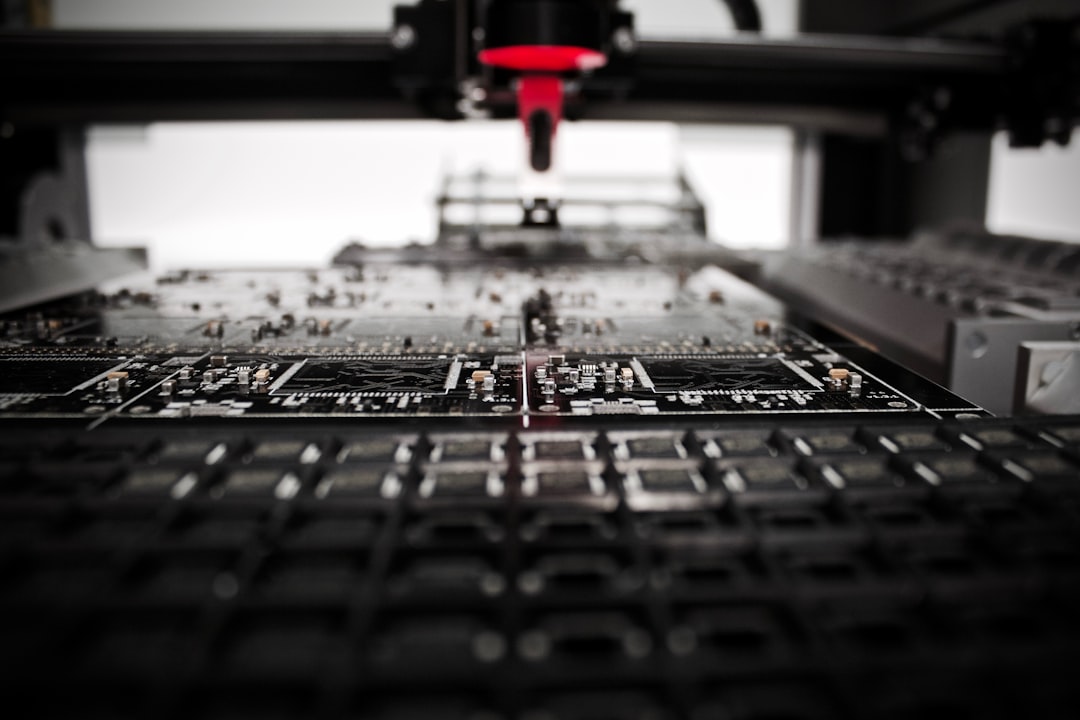
In recent years, the Southern United States has experienced a remarkable resurgence in manufacturing. Once overshadowed by the industrial powerhouses of the Northeast and Midwest, the South has emerged as a formidable player in the manufacturing sector. This transformation can be traced back to a combination of economic incentives, favorable business climates, and a skilled workforce eager to embrace new opportunities.
As companies seek to optimize their operations and reduce costs, many have turned their attention to the South, where a unique blend of resources and advantages has created an environment ripe for growth. The rise of Southern manufacturing is not merely a trend; it represents a significant shift in the landscape of American industry. States like Alabama, Tennessee, and Georgia have become magnets for manufacturing investments, attracting both domestic and international companies.
The region’s strategic location, with access to major transportation networks and ports, has further solidified its status as a manufacturing hub. As industries ranging from automotive to aerospace expand their footprints in the South, the region is poised to play an increasingly vital role in the national economy.
Key Takeaways
- The Southern US has seen a significant rise in manufacturing, becoming a key hub for production in the country.
- Factors such as lower labor costs, favorable business environments, and proximity to major markets have driven the shift of manufacturing to the South.
- The growth of manufacturing has had a positive impact on the Southern economy, leading to increased investment and job opportunities.
- Southern manufacturing has created a significant number of jobs and employment opportunities, contributing to the region’s economic development.
- While Southern manufacturing faces challenges such as workforce development and infrastructure, it also presents opportunities for innovation and growth in the industry.
Factors Driving the Shift to the South
Several key factors have contributed to the migration of manufacturing operations to the Southern United States. One of the most significant drivers is the cost of doing business. Southern states often offer lower labor costs compared to their Northern counterparts, making them attractive destinations for companies looking to maximize profitability.
Additionally, many Southern states provide tax incentives and grants to encourage businesses to set up shop, further enhancing their appeal. Another critical factor is the availability of a skilled workforce. Over the years, Southern states have invested heavily in education and vocational training programs aimed at equipping workers with the skills needed for modern manufacturing jobs.
This commitment to workforce development has resulted in a pool of talent that is not only capable but also adaptable to the evolving demands of the industry. As companies prioritize efficiency and innovation, having access to a skilled labor force has become an essential consideration in site selection.
Impact on the Southern Economy
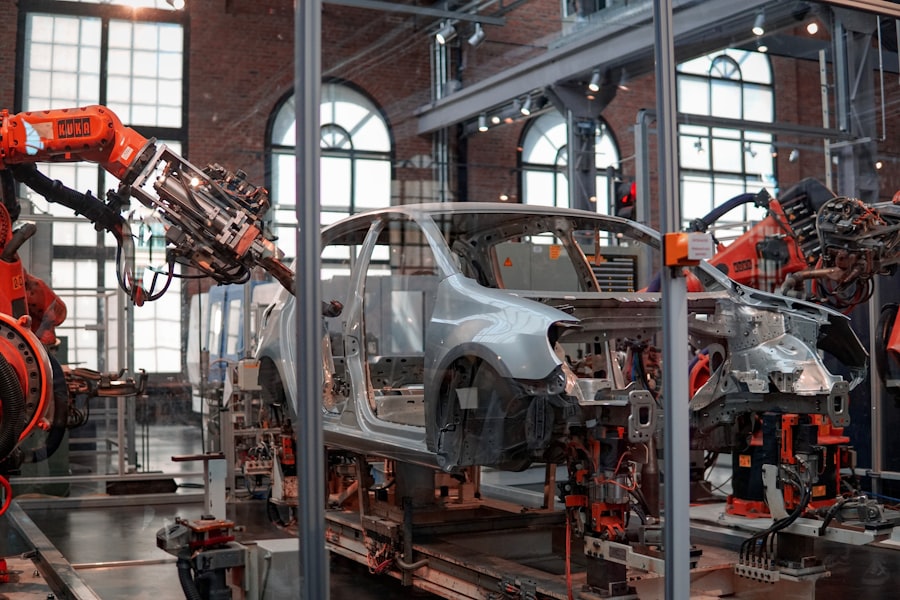
The resurgence of manufacturing in the South has had profound implications for the regional economy. As factories and production facilities spring up across the landscape, they bring with them a wave of economic activity that benefits local communities. Increased manufacturing output translates into higher levels of investment, which in turn stimulates demand for goods and services in various sectors, from construction to retail.
Moreover, the growth of manufacturing has led to job creation at an unprecedented scale. As companies expand their operations, they require not only factory workers but also support staff in areas such as logistics, management, and engineering. This diversification of employment opportunities has helped to bolster local economies and reduce unemployment rates in many Southern states.
The ripple effect of this economic growth can be seen in improved infrastructure, enhanced public services, and an overall increase in the quality of life for residents.
Job Creation and Employment Opportunities
| Metrics | Data |
|---|---|
| Unemployment Rate | 5.2% |
| New Jobs Created | 250,000 |
| Job Openings | 1.2 million |
| Labor Force Participation Rate | 62.7% |
The job creation associated with the rise of manufacturing in the South is one of its most significant benefits. As new facilities open their doors, thousands of jobs are created across various skill levels. From entry-level positions on the factory floor to specialized roles in engineering and management, the range of employment opportunities is vast.
This influx of jobs not only provides individuals with stable incomes but also fosters a sense of community as families settle into new roles within their local economies. Furthermore, the nature of these jobs is evolving. Many manufacturers are embracing automation and advanced technologies, which require a workforce that is not only skilled but also adaptable.
This shift has prompted educational institutions and training programs to align their curricula with industry needs, ensuring that workers are equipped with relevant skills. As a result, individuals entering the workforce are better prepared for the demands of modern manufacturing, leading to higher job satisfaction and career advancement opportunities.
Challenges and Opportunities for Southern Manufacturers
While the growth of manufacturing in the South presents numerous opportunities, it is not without its challenges. One significant hurdle is competition from other regions and countries that may offer even lower labor costs or more favorable regulatory environments. Southern manufacturers must continuously innovate and improve efficiency to maintain their competitive edge in an increasingly globalized market.
Additionally, supply chain disruptions have become a pressing concern for manufacturers across the country. The COVID-19 pandemic highlighted vulnerabilities in global supply chains, prompting many companies to reconsider their sourcing strategies.
The Role of Technology in Southern Manufacturing
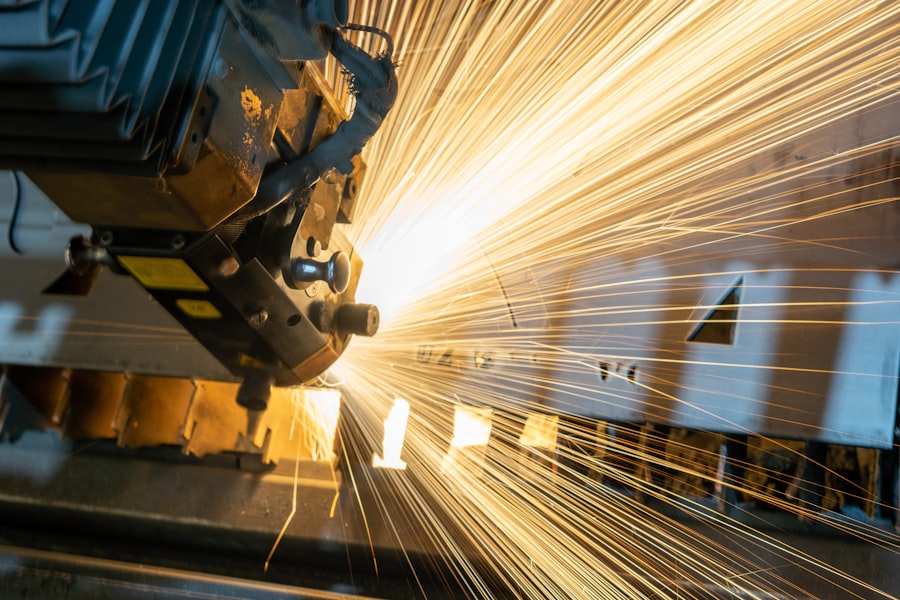
Technology plays a pivotal role in shaping the future of manufacturing in the South. The integration of advanced technologies such as automation, artificial intelligence, and data analytics has revolutionized production processes, enabling manufacturers to operate more efficiently than ever before. In Southern states, companies are increasingly adopting these technologies to streamline operations, reduce waste, and improve product quality.
Moreover, technology is not only transforming how products are made but also how they are designed and delivered. The rise of Industry 4.0—characterized by smart factories and interconnected systems—has allowed manufacturers to respond more quickly to market demands and customize products to meet consumer preferences. As Southern manufacturers embrace these technological advancements, they position themselves at the forefront of innovation within the industry.
Sustainability and Environmental Considerations
As manufacturing continues to grow in the South, sustainability has emerged as a critical consideration for both companies and consumers. Increasingly aware of environmental issues, manufacturers are seeking ways to minimize their ecological footprint while maintaining productivity. This shift towards sustainable practices encompasses everything from energy-efficient production methods to responsible sourcing of materials.
Southern manufacturers are also recognizing that sustainability can be a competitive advantage. By adopting green technologies and practices, they can appeal to environmentally conscious consumers and differentiate themselves in a crowded marketplace. Furthermore, many states are implementing regulations that encourage sustainable practices, prompting manufacturers to invest in cleaner technologies and processes that align with these goals.
The Southern US as a Global Manufacturing Hub
The Southern United States is positioning itself as a global manufacturing hub, attracting attention from international companies seeking to establish a presence in North America. With its strategic location, robust infrastructure, and favorable business climate, the region offers an ideal environment for global manufacturers looking to expand their operations. As foreign direct investment flows into Southern states, local economies benefit from increased capital infusion and job creation.
This influx of international companies also fosters knowledge transfer and collaboration between local firms and global players, enhancing innovation within the region’s manufacturing sector. As Southern states continue to build on their strengths, they are likely to solidify their status as key players on the global manufacturing stage.
Collaboration and Partnerships in Southern Manufacturing
Collaboration is becoming increasingly important in the Southern manufacturing landscape. Manufacturers are recognizing that by working together—whether through partnerships with other companies or collaborations with educational institutions—they can leverage shared resources and expertise to drive innovation and growth. These partnerships can take many forms, from joint ventures focused on research and development to workforce training initiatives aimed at addressing skill gaps.
Moreover, collaboration extends beyond traditional boundaries; manufacturers are increasingly engaging with local governments and community organizations to create ecosystems that support sustainable growth. By fostering relationships with stakeholders across various sectors, Southern manufacturers can enhance their competitiveness while contributing positively to their communities.
The Future of Southern US Manufacturing
Looking ahead, the future of manufacturing in the Southern United States appears bright. As companies continue to invest in advanced technologies and sustainable practices, they will likely drive further growth within the sector. The ongoing emphasis on workforce development will ensure that workers are equipped with the skills needed for tomorrow’s jobs, creating a dynamic labor market that supports innovation.
Additionally, as global supply chains evolve in response to changing market conditions, Southern manufacturers have an opportunity to capitalize on their regional advantages by strengthening local supply networks. By focusing on resilience and adaptability, they can navigate challenges while seizing new opportunities for growth.
The Continued Growth of Southern Manufacturing
In conclusion, the rise of manufacturing in the Southern United States represents a significant shift in the American industrial landscape. Driven by economic incentives, a skilled workforce, and technological advancements, this growth has had far-reaching implications for local economies and communities. While challenges remain, the opportunities for innovation and collaboration position Southern manufacturers for continued success in an ever-evolving global market.
As they embrace sustainability and leverage technology to enhance productivity, Southern manufacturers are not only contributing to regional economic development but also setting new standards for excellence within the industry. With a commitment to growth and adaptability, the South is poised to remain a vital player in American manufacturing for years to come.
This shift is not only reshaping the economic landscape but also influencing regional development patterns. For a deeper understanding of the factors driving this movement, you might find the article on