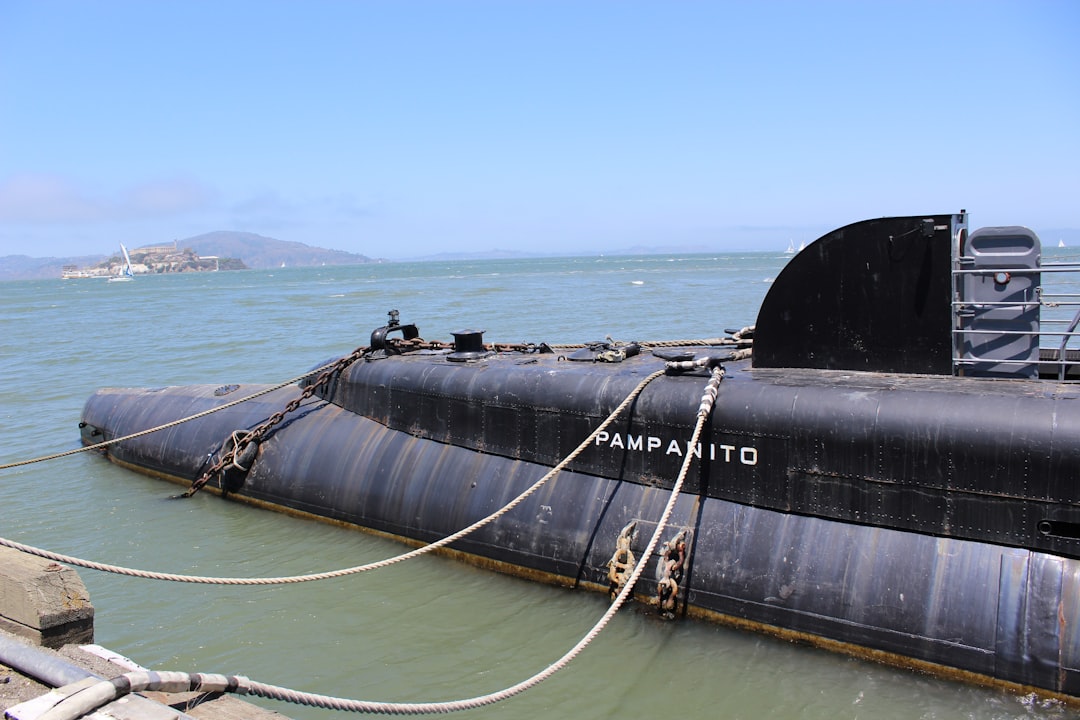
Submarines and ballistic missiles are significant components of contemporary military systems. Submarines operate underwater and are used for surveillance, reconnaissance, and combat operations. Their underwater position provides concealment from detection.
Ballistic missiles are long-range weapons designed to deliver nuclear or conventional warheads to distant targets. These technologies have substantially influenced modern military capabilities and strategic planning. The combination of submarines and ballistic missiles creates what military strategists call a sea-based deterrent system.
Submarines equipped with ballistic missiles can launch weapons while submerged, making their location difficult to determine. This capability affects military planning and international security considerations. The integration of these systems influences how nations assess their defensive needs and strategic vulnerabilities.
As countries continue to develop these technologies, their technical characteristics and operational roles remain important factors in understanding current military strategies.
Key Takeaways
- Submarines serve as stealth platforms for launching ballistic missiles, enhancing strategic military capabilities.
- The development of submarines and ballistic missiles has evolved significantly since their inception during the mid-20th century.
- Ballistic missiles operate by following a high-arc trajectory, allowing long-range strikes from various launch platforms, including submarines.
- Different types of submarines and ballistic missiles exist, each designed for specific tactical and strategic roles in national defense.
- Future advancements aim to improve the stealth, range, and accuracy of submarines and ballistic missiles, reinforcing their role in global security.
History of Submarines and Ballistic Missiles
The history of submarines dates back to the 17th century when inventors like Cornelis Drebbel experimented with early underwater vessels. However, it was not until the 19th century that submarines began to take on a more practical form, particularly during the American Civil War with the Confederate submarine H.L. Hunley. The advent of World War I saw the first significant use of submarines in combat, with Germany employing U-boats to disrupt Allied shipping. This marked a turning point in naval warfare, as submarines demonstrated their potential to alter the course of conflicts. Ballistic missiles emerged much later, with their roots tracing back to World War II when German scientists developed the V-2 rocket. The Cold War catalyzed the development of more advanced ballistic missile systems as the United States and the Soviet Union raced to build arsenals capable of delivering nuclear warheads over long distances. The introduction of submarine-launched ballistic missiles (SLBMs) in the 1960s further revolutionized military strategy, allowing for a second-strike capability that enhanced deterrence and stability during a period marked by intense geopolitical tension. The documentary provides a detailed analysis of the potential consequences of nuclear war.
How Submarines Work
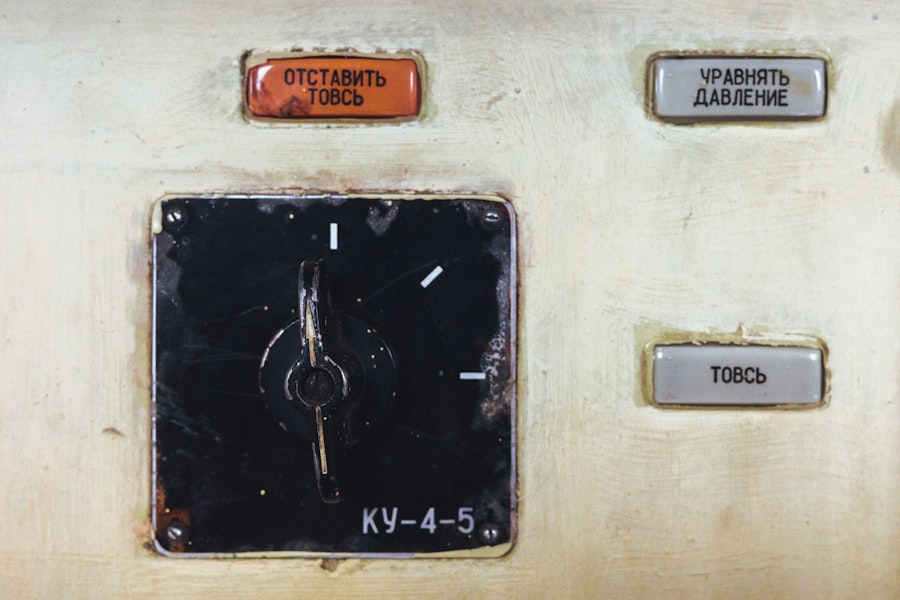
Submarines operate on principles of buoyancy and pressure management, allowing them to navigate beneath the surface of the water. They are equipped with ballast tanks that can be filled with water or air to control their depth. When a submarine wants to dive, it takes in water into these tanks, increasing its weight and causing it to sink.
Conversely, when it needs to surface, it expels water from the ballast tanks and replaces it with air, reducing its weight and allowing it to rise. In addition to buoyancy control, submarines are powered by various propulsion systems, including diesel-electric engines or nuclear reactors. Nuclear-powered submarines have a distinct advantage due to their ability to remain submerged for extended periods without needing to surface for fuel.
This capability enhances their stealth and operational range, making them invaluable assets in naval warfare. Furthermore, modern submarines are equipped with advanced sonar systems that allow them to detect other vessels and underwater obstacles while remaining undetected themselves.
Types of Submarines
Submarines can be broadly categorized into two main types: nuclear-powered submarines and diesel-electric submarines. Nuclear-powered submarines are typically larger and more capable than their diesel-electric counterparts. They can operate underwater for months at a time without surfacing, making them ideal for strategic deterrence missions.
These submarines are often armed with ballistic missiles or cruise missiles, allowing them to strike targets from great distances while remaining hidden beneath the waves. Diesel-electric submarines, while generally smaller and less expensive to operate, have their own advantages. They are often quieter than nuclear submarines when running on battery power, making them effective for stealthy operations in coastal waters or shallow environments.
Many nations favor diesel-electric submarines for their versatility and lower operational costs. Additionally, some countries have developed advanced air-independent propulsion systems that allow diesel-electric submarines to remain submerged longer than traditional designs.
Role of Submarines in Ballistic Missile Defense
| Category | Description | Example | Key Metric |
|---|---|---|---|
| Submarine Type | Ballistic Missile Submarine (SSBN) | Ohio-class (USA) | 24 missile tubes |
| Missile Type | Submarine-Launched Ballistic Missile (SLBM) | Trident II D5 | Range: 7,500+ km |
| Launch Method | Underwater missile launch from submerged submarine | Cold launch system | Launch depth: up to 50 meters |
| Payload | Multiple independently targetable reentry vehicles (MIRVs) | Trident II D5 | Up to 8 warheads per missile |
| Stealth | Acoustic quieting technology to avoid detection | Virginia-class (USA) | Noise level: < 120 dB |
| Strategic Role | Second-strike nuclear deterrence | SSBN patrols | Patrol endurance: 90+ days |
Submarines play a crucial role in ballistic missile defense strategies by providing a mobile platform for launching countermeasures against incoming threats. Their stealthy nature allows them to operate undetected in strategic locations, ready to respond to missile launches from adversaries. This capability is particularly important in an era where missile technology is rapidly advancing, and nations must be prepared to defend against potential attacks.
Moreover, submarines equipped with advanced missile defense systems can intercept incoming ballistic missiles during their midcourse phase or terminal phase. This adds an additional layer of security for nations that rely on both land-based and sea-based missile defense systems. The integration of submarines into ballistic missile defense frameworks enhances overall deterrence by ensuring that adversaries are aware of the potential consequences of launching an attack.
History of Ballistic Missiles
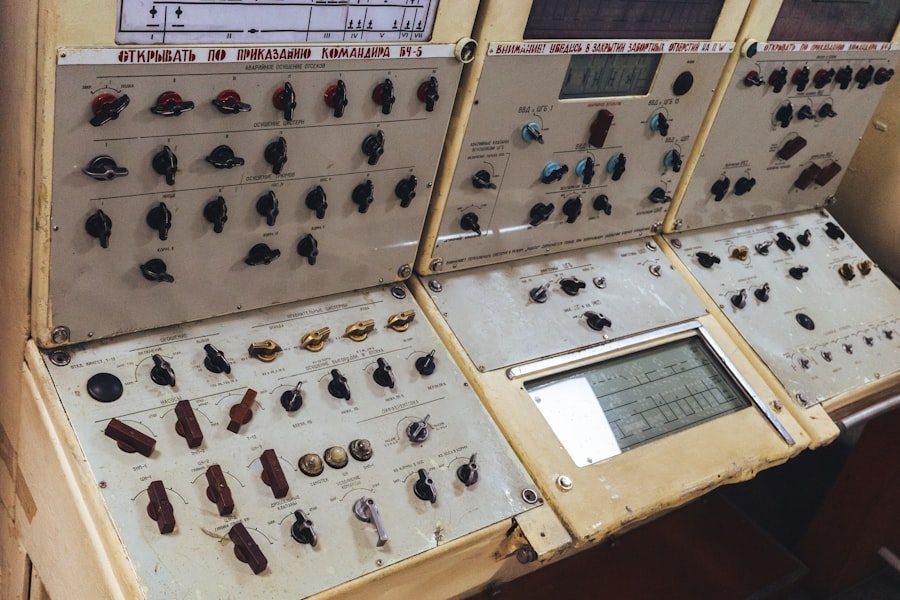
The development of ballistic missiles has been shaped by historical events and technological advancements over several decades. The origins can be traced back to World War II when Germany’s V-2 rocket became the first long-range guided ballistic missile used in combat. Following the war, both the United States and the Soviet Union recognized the potential of this technology for delivering nuclear weapons and began extensive research and development programs.
The introduction of intercontinental ballistic missiles (ICBMs) allowed for rapid delivery of nuclear warheads across vast distances, fundamentally altering military strategy. The Cuban Missile Crisis in 1962 highlighted the dangers associated with these weapons and underscored the need for arms control agreements aimed at preventing escalation.
How Ballistic Missiles Work
Ballistic missiles operate on a simple yet effective principle: they are launched into a high-arcing trajectory that takes them outside the Earth’s atmosphere before descending toward their target. The launch phase involves igniting rocket engines that propel the missile into space. Once it reaches its peak altitude, known as apogee, the missile enters its free-fall phase where it follows a ballistic trajectory back toward Earth.
Modern ballistic missiles are equipped with sophisticated guidance systems that enhance their accuracy and reliability. Inertial navigation systems help guide the missile during its flight path, while terminal guidance systems may use radar or other technologies to ensure precision targeting as it approaches its destination. This combination of propulsion and guidance technology allows ballistic missiles to deliver payloads with remarkable accuracy over long distances.
Types of Ballistic Missiles
Ballistic missiles can be classified into several categories based on their range and launch platforms. Short-range ballistic missiles (SRBMs) typically have ranges up to 1,000 kilometers and are often used for tactical purposes on the battlefield. Medium-range ballistic missiles (MRBMs) extend this range up to 3,500 kilometers, while intermediate-range ballistic missiles (IRBMs) can reach targets between 3,500 and 5,500 kilometers.
Intercontinental ballistic missiles (ICBMs) represent the pinnacle of ballistic missile technology, capable of traveling distances greater than 5,500 kilometers. These missiles are designed for strategic deterrence and can deliver nuclear warheads across continents within minutes. Additionally, submarine-launched ballistic missiles (SLBMs) provide a unique capability by allowing submarines to launch missiles from underwater positions, enhancing survivability and complicating enemy defense strategies.
Role of Ballistic Missiles in National Defense
Ballistic missiles serve as a cornerstone of national defense strategies for many countries around the world. Their ability to deliver nuclear or conventional warheads over long distances provides nations with a powerful deterrent against potential aggressors. The mere existence of a credible ballistic missile arsenal can dissuade adversaries from engaging in hostile actions due to the fear of devastating retaliation.
In addition to deterrence, ballistic missiles can also play a role in conventional warfare scenarios where precision strikes against high-value targets are necessary. Nations may utilize tactical ballistic missiles to target enemy command centers or critical infrastructure during conflicts. This dual-use capability enhances their strategic value and underscores the importance of maintaining robust missile defense systems to counter potential threats.
Submarines and Ballistic Missiles: Strategic Importance
The strategic importance of submarines armed with ballistic missiles cannot be overstated in contemporary military doctrine. These platforms provide nations with a second-strike capability that is essential for maintaining credible deterrence against nuclear adversaries. The ability to launch missiles from submerged positions ensures that even if an adversary were to launch a surprise attack on land-based missile silos, submarines would remain hidden and capable of retaliating.
Furthermore, submarines contribute significantly to maritime security by patrolling vital sea lanes and deterring piracy or other illicit activities. Their stealthy nature allows them to operate undetected in contested waters, providing valuable intelligence and surveillance capabilities that enhance national security interests. As geopolitical tensions continue to rise in various regions around the world, the role of submarines equipped with ballistic missiles will likely become even more critical in shaping future military strategies.
Future Developments in Submarines and Ballistic Missiles
As technology continues to advance at an unprecedented pace, future developments in submarines and ballistic missiles are expected to reshape military capabilities further. Innovations such as artificial intelligence (AI) and machine learning may enhance targeting accuracy and decision-making processes during operations involving these platforms. Additionally, advancements in stealth technology could make future submarines even harder to detect by enemy sonar systems.
Moreover, nations are likely to invest in hypersonic missile technology that could complement existing ballistic missile systems by providing faster delivery options against high-value targets. The integration of these emerging technologies will not only enhance deterrence but also redefine how nations approach warfare in an increasingly complex global landscape. As countries continue to navigate evolving threats and challenges, the strategic importance of submarines and ballistic missiles will remain paramount in ensuring national security for years to come.
For a deeper understanding of the strategic implications of submarines and ballistic missiles, you can explore the article available at Real Lore and Order. This resource provides insights into the technological advancements and operational strategies that shape modern naval warfare, particularly focusing on the role of submarines in delivering ballistic missile capabilities.
WATCH THIS! ☢️ Nuclear War in 2026: The Real Risks, New Weapons & How Close We Are
FAQs
What is a submarine?
A submarine is a watercraft capable of underwater operation. It is designed to operate submerged for extended periods, allowing it to conduct various missions such as surveillance, research, and military operations.
What are ballistic missiles?
Ballistic missiles are long-range missiles that follow a ballistic trajectory to deliver one or more warheads to a predetermined target. They are typically launched into the upper atmosphere before descending toward their target.
How do submarines launch ballistic missiles?
Submarines equipped with ballistic missiles, known as ballistic missile submarines (SSBNs), launch missiles from underwater using vertical launch tubes. The missile is ejected from the submarine and then ignites its rocket engines to travel toward its target.
What is the strategic importance of ballistic missile submarines?
Ballistic missile submarines provide a secure and stealthy platform for nuclear deterrence. Their ability to remain hidden underwater makes them less vulnerable to detection and attack, ensuring a second-strike capability in the event of a nuclear conflict.
What types of ballistic missiles are typically deployed on submarines?
Submarines commonly carry submarine-launched ballistic missiles (SLBMs), which are specifically designed for underwater launch. Examples include the U.S. Trident II and the Russian RSM-56 Bulava.
How do ballistic missiles differ from cruise missiles?
Ballistic missiles follow a high-arc trajectory and are powered only during the initial phase of flight, while cruise missiles fly at lower altitudes and are powered throughout their flight, often using jet engines.
Are all submarines capable of launching ballistic missiles?
No, only specific classes of submarines, known as ballistic missile submarines (SSBNs), are equipped to carry and launch ballistic missiles. Other submarines may carry different types of weapons, such as torpedoes or cruise missiles.
What role do ballistic missile submarines play in nuclear deterrence?
Ballistic missile submarines serve as a key component of a country’s nuclear triad, providing a survivable and concealed platform for nuclear weapons. Their stealth and mobility help deter adversaries by ensuring a credible second-strike capability.
How are ballistic missile submarines detected?
Detecting ballistic missile submarines is challenging due to their stealth features. Navies use sonar, underwater sensors, and satellite surveillance to track them, but their ability to remain submerged and silent makes detection difficult.
What countries operate ballistic missile submarines?
Countries known to operate ballistic missile submarines include the United States, Russia, China, the United Kingdom, France, and India. These nations maintain SSBN fleets as part of their strategic defense forces.