
Nuclear blackmail has become a significant concern in contemporary international security. As nations develop and expand their nuclear arsenals, the potential for these weapons to serve as instruments of coercion has increased substantially. This threat extends beyond theoretical scenarios and has directly influenced international relations and security policies.
States possessing nuclear capabilities have leveraged these weapons to pursue political objectives through intimidation and threats of nuclear action. The spread of nuclear technology to additional states has intensified this trend. As more countries acquire nuclear weapons, the risk of their use as coercive tools rises correspondingly.
The strategic role of nuclear weapons has evolved beyond their traditional deterrent function. Some nations now view them as active instruments for political pressure and coercion. This development carries serious consequences for global stability, particularly given the increased complexity of a multipolar international system where the potential for miscalculation and unintended escalation has grown.
The documentary provides a detailed analysis of the potential consequences of nuclear war on global security.
Key Takeaways
- Nuclear blackmail has become a significant tactic in modern warfare, influencing global security dynamics.
- Historical instances reveal how nuclear threats have been used to coerce political and military decisions.
- Non-state actors pose a growing risk by potentially leveraging nuclear blackmail outside traditional state control.
- Effective prevention requires a combination of diplomacy, international cooperation, and strategic countermeasures.
- Succumbing to nuclear blackmail raises profound ethical dilemmas and can destabilize international relations.
Understanding the Concept of Nuclear Blackmail
Nuclear blackmail can be defined as the use of the threat of nuclear force to compel an adversary to act in a desired manner. This concept hinges on the psychological impact that nuclear weapons have on decision-making processes. The mere existence of a nuclear arsenal can create a climate of fear and uncertainty, which can be exploited by states seeking to gain leverage over their opponents.
In this context, the threat of nuclear action becomes a powerful bargaining chip, allowing states to extract concessions or influence policy without resorting to actual military engagement. At its core, nuclear blackmail relies on the understanding that the consequences of nuclear conflict are so catastrophic that most nations will go to great lengths to avoid it. This creates a paradox where the very existence of nuclear weapons can lead to both deterrence and coercion.
The challenge lies in navigating this complex landscape, where the line between deterrence and blackmail can often become blurred. As nations grapple with these dynamics, the potential for misinterpretation and miscalculation increases, raising the stakes in international relations.
Historical Examples of Nuclear Blackmail
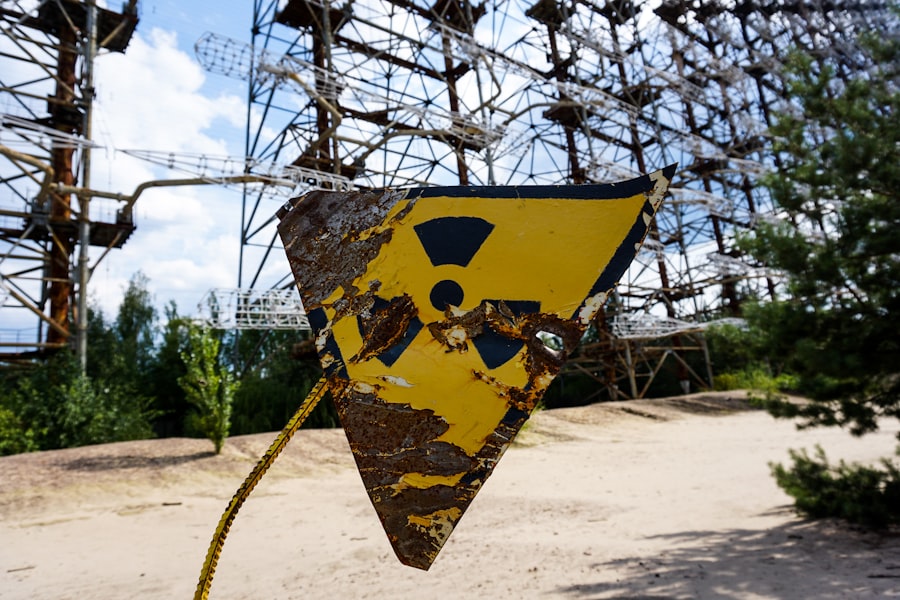
Throughout history, there have been notable instances where nations have employed nuclear blackmail as a strategy to achieve their objectives. One prominent example is the Cold War standoff between the United States and the Soviet Union. During this period, both superpowers engaged in a series of confrontations that were underpinned by the threat of nuclear annihilation.
The Cuban Missile Crisis of 1962 stands out as a critical moment when the world teetered on the brink of nuclear war, with both sides leveraging their arsenals to gain strategic advantages. Another significant instance occurred during the Korean War when North Korea’s possession of nuclear capabilities became a tool for coercion against South Korea and its allies. The North Korean regime has repeatedly threatened to use its nuclear arsenal to achieve political goals, effectively employing nuclear blackmail as a means of asserting its influence in regional affairs.
These historical examples illustrate how nuclear blackmail has been utilized as a strategy by states seeking to navigate complex geopolitical landscapes, often with dire consequences for global security.
The Role of Nuclear Weapons in Geopolitical Power Dynamics
Nuclear weapons play a pivotal role in shaping geopolitical power dynamics, influencing how states interact with one another on the global stage. The possession of nuclear capabilities often confers a sense of prestige and power, allowing nations to assert themselves more forcefully in international affairs. This dynamic can lead to an arms race, where countries feel compelled to develop or enhance their own nuclear arsenals in response to perceived threats from others.
As a result, the landscape of international relations becomes increasingly fraught with tension and competition. Moreover, the presence of nuclear weapons can alter traditional alliances and rivalries. States may form partnerships based on shared security concerns regarding nuclear threats, while others may find themselves isolated due to their lack of deterrent capabilities.
The Threat of Non-State Actors Engaging in Nuclear Blackmail
| Metric | Description | Current Data / Estimate | Source / Notes |
|---|---|---|---|
| Number of Nuclear-Armed States | Countries possessing operational nuclear weapons | 9 | Includes USA, Russia, China, UK, France, India, Pakistan, North Korea, Israel (undeclared) |
| Estimated Global Nuclear Warheads | Total number of nuclear warheads worldwide | Approx. 13,000 | Stockpile estimates as of 2024 |
| Instances of Nuclear Threats in Modern Conflicts | Documented cases where nuclear threats were used as leverage | 5-7 notable cases since 2000 | Includes North Korea, Russia-Ukraine tensions, others |
| Probability of Nuclear Escalation in Regional Conflicts | Estimated risk of nuclear use in localized wars | Low to Moderate (10-20%) | Based on expert analysis and conflict dynamics |
| Impact of Nuclear Blackmail on Diplomatic Negotiations | Effectiveness of nuclear threats in achieving political goals | Mixed; sometimes effective, often escalates tensions | Case studies from Cold War to present |
| International Treaties Addressing Nuclear Threats | Agreements aimed at reducing nuclear risks | Multiple (e.g., NPT, CTBT, New START) | Ongoing efforts to limit nuclear proliferation and use |
| Public Opinion on Nuclear Use in Warfare | Global attitudes towards nuclear weapon use | Majority oppose use; support deterrence | Surveys from Pew Research, Gallup |
The emergence of non-state actors in the realm of international relations presents a new and alarming dimension to the threat of nuclear blackmail. Unlike traditional nation-states, non-state actors such as terrorist organizations or rogue groups may not adhere to established norms or deterrence strategies. The potential for these entities to acquire or develop nuclear capabilities raises significant concerns about their willingness to engage in blackmail tactics.
The prospect of non-state actors wielding nuclear weapons introduces an unpredictable element into global security dynamics. These groups may be motivated by ideological goals rather than territorial ambitions, making their actions even more difficult to anticipate or counter. The fear that such actors could threaten governments or populations with nuclear violence creates a chilling effect on international relations, as states grapple with how best to respond to this unconventional threat.
The Impact of Nuclear Blackmail on International Relations
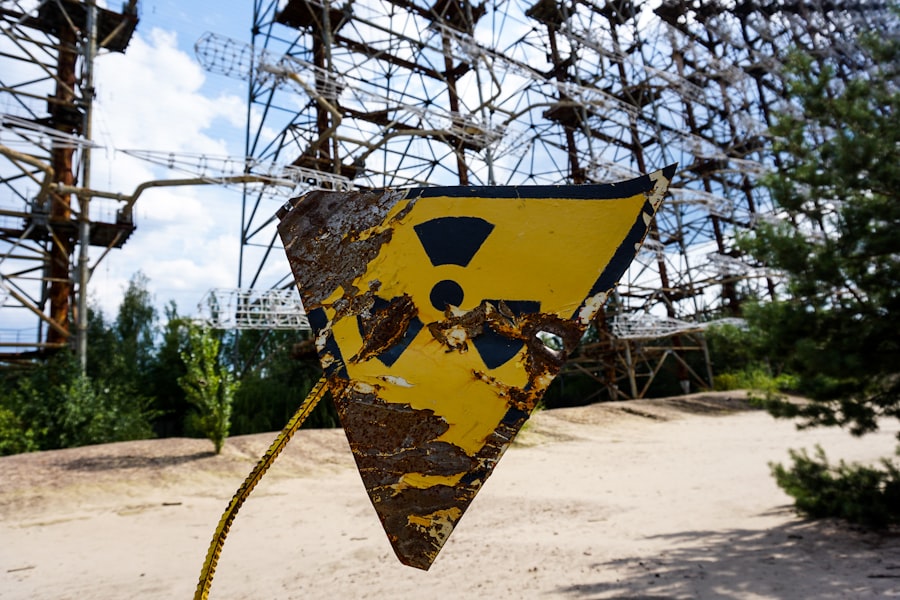
Nuclear blackmail has far-reaching implications for international relations, fundamentally altering how states engage with one another. The constant threat posed by nuclear weapons can lead to heightened tensions and mistrust among nations, complicating diplomatic efforts and fostering an environment ripe for conflict. As countries navigate this treacherous landscape, they may resort to preemptive measures or aggressive posturing in an attempt to deter potential adversaries from employing blackmail tactics.
Furthermore, the normalization of nuclear blackmail can undermine existing international treaties and agreements aimed at promoting disarmament and non-proliferation. When states perceive that they can achieve their objectives through threats rather than negotiation, it diminishes the incentive to engage in constructive dialogue. This erosion of trust can have cascading effects on global security architecture, making it increasingly difficult to address pressing issues such as arms control and conflict resolution.
Strategies for Preventing and Countering Nuclear Blackmail
In light of the growing threat posed by nuclear blackmail, it is imperative for nations to develop robust strategies aimed at prevention and counteraction. One key approach involves enhancing intelligence capabilities to monitor potential threats and assess adversaries’ intentions accurately. By gaining a clearer understanding of an opponent’s motivations and capabilities, states can better prepare themselves to respond effectively to any attempts at coercion.
Additionally, fostering international cooperation is essential in addressing the challenges posed by nuclear blackmail. Collaborative efforts among nations can lead to the establishment of norms and frameworks that discourage such behavior while promoting transparency and dialogue. Engaging in multilateral discussions focused on disarmament and non-proliferation can help create an environment where states are less likely to resort to blackmail tactics as a means of achieving their goals.
The Role of Diplomacy in Addressing Nuclear Blackmail
Diplomacy plays a crucial role in mitigating the risks associated with nuclear blackmail. Through diplomatic channels, nations can engage in dialogue aimed at reducing tensions and building trust among adversaries. Open lines of communication are vital for preventing misunderstandings that could escalate into conflict, particularly in situations where nuclear threats are involved.
Moreover, diplomatic efforts can facilitate negotiations around arms control agreements that limit the proliferation of nuclear weapons and establish frameworks for disarmament. By creating mechanisms for accountability and verification, states can work together to reduce the likelihood of nuclear blackmail becoming a viable strategy for coercion. Ultimately, diplomacy serves as a critical tool for fostering stability and security in an increasingly complex global landscape.
The Potential Consequences of Succumbing to Nuclear Blackmail
Succumbing to nuclear blackmail carries significant risks that extend beyond immediate political gains. When a state capitulates to threats involving nuclear weapons, it sets a dangerous precedent that may embolden other nations or non-state actors to employ similar tactics in the future. This cycle of coercion can lead to an erosion of deterrence strategies and undermine global security frameworks designed to prevent conflict.
Additionally, yielding to nuclear blackmail can have detrimental effects on domestic politics and public perception. Citizens may view capitulation as a sign of weakness or ineffectiveness on the part of their government, leading to political instability or loss of public trust. In this context, leaders must carefully weigh the potential consequences of their decisions when faced with threats involving nuclear weapons.
The Ethical and Moral Dilemmas of Dealing with Nuclear Blackmail
The ethical implications surrounding nuclear blackmail present complex dilemmas for policymakers and leaders alike. On one hand, there is a moral imperative to protect citizens from potential harm posed by nuclear threats; on the other hand, capitulating to such coercion raises questions about integrity and national sovereignty. Leaders must navigate these competing interests while considering both short-term consequences and long-term implications for global stability.
Furthermore, the ethical considerations extend beyond state actors; they also encompass the broader implications for humanity as a whole. The potential for catastrophic consequences resulting from any use of nuclear weapons necessitates careful deliberation about how best to respond to threats without compromising fundamental principles or values.
The Importance of International Cooperation in Combating Nuclear Blackmail
In an era marked by increasing complexity and uncertainty surrounding nuclear threats, international cooperation emerges as a cornerstone for effectively combating nuclear blackmail. Collaborative efforts among nations can foster shared understanding and collective action aimed at addressing this pressing issue. By working together through multilateral organizations and forums, states can develop comprehensive strategies that prioritize disarmament while enhancing security measures against potential coercion.
Moreover, international cooperation can facilitate information sharing and intelligence collaboration that strengthens collective defenses against emerging threats posed by both state and non-state actors. By uniting efforts across borders, nations can create a more resilient global framework capable of addressing the multifaceted challenges associated with nuclear blackmail while promoting peace and stability on a broader scale. In conclusion, the rise of nuclear blackmail represents a significant challenge for contemporary international relations.
Understanding its implications requires careful consideration of historical precedents, ethical dilemmas, and strategic responses aimed at mitigating risks associated with this dangerous tactic. Through diplomacy and cooperation among nations, it is possible to navigate this complex landscape while striving toward a more secure future free from the specter of nuclear coercion.
In the context of modern warfare, the concept of nuclear blackmail has become increasingly relevant as nations navigate complex geopolitical landscapes. A related article that delves into the implications and strategies surrounding this issue can be found at com/sample-page/’>this link.
This article explores the historical precedents and current threats posed by nuclear capabilities, shedding light on how states may leverage their arsenals to achieve political objectives.
WATCH THIS! ☢️ Nuclear War in 2026: The Real Risks, New Weapons & How Close We Are
FAQs
What is nuclear blackmail in modern warfare?
Nuclear blackmail refers to the use or threat of nuclear weapons by a state or group to coerce or intimidate another party into complying with certain demands, often to gain political or military advantage without engaging in full-scale conflict.
How does nuclear blackmail differ from traditional warfare tactics?
Unlike conventional warfare, which involves direct military engagement, nuclear blackmail relies on the threat of catastrophic nuclear retaliation to influence an adversary’s decisions, aiming to avoid actual combat while achieving strategic objectives.
Which countries possess nuclear weapons capable of being used in nuclear blackmail?
As of now, nine countries are known to possess nuclear weapons: the United States, Russia, China, France, the United Kingdom, India, Pakistan, North Korea, and Israel (though Israel has not officially confirmed its arsenal).
What are the risks associated with nuclear blackmail?
Nuclear blackmail carries significant risks, including escalation to nuclear war, miscalculation, global political instability, humanitarian disasters, and long-term environmental damage.
Has nuclear blackmail been used historically?
While direct nuclear blackmail has not been widely documented, the threat of nuclear retaliation played a critical role during the Cold War, particularly in crises like the Cuban Missile Crisis, where nuclear deterrence and threats influenced diplomatic outcomes.
How do international laws address nuclear blackmail?
International laws, including treaties like the Treaty on the Non-Proliferation of Nuclear Weapons (NPT), aim to prevent the spread and use of nuclear weapons. However, there is no specific international law that explicitly prohibits nuclear blackmail, though such actions may violate principles of international peace and security.
What measures exist to prevent nuclear blackmail?
Preventive measures include diplomatic negotiations, arms control agreements, nuclear deterrence strategies, confidence-building measures, and international monitoring by organizations such as the International Atomic Energy Agency (IAEA).
Can nuclear blackmail be effective in modern geopolitical conflicts?
While the threat of nuclear weapons can influence geopolitical dynamics, the effectiveness of nuclear blackmail is limited by the risks of escalation, international condemnation, and the potential for mutual destruction, making it a high-stakes and often counterproductive strategy.
What role does nuclear deterrence play in preventing nuclear blackmail?
Nuclear deterrence relies on the promise of credible retaliation to discourage adversaries from using or threatening nuclear weapons, thereby reducing the likelihood of successful nuclear blackmail.
How has modern technology impacted the threat of nuclear blackmail?
Advancements in missile technology, cyber warfare, and surveillance have increased the complexity of nuclear strategy, potentially making nuclear blackmail more sophisticated but also increasing the risks of misinterpretation and accidental escalation.