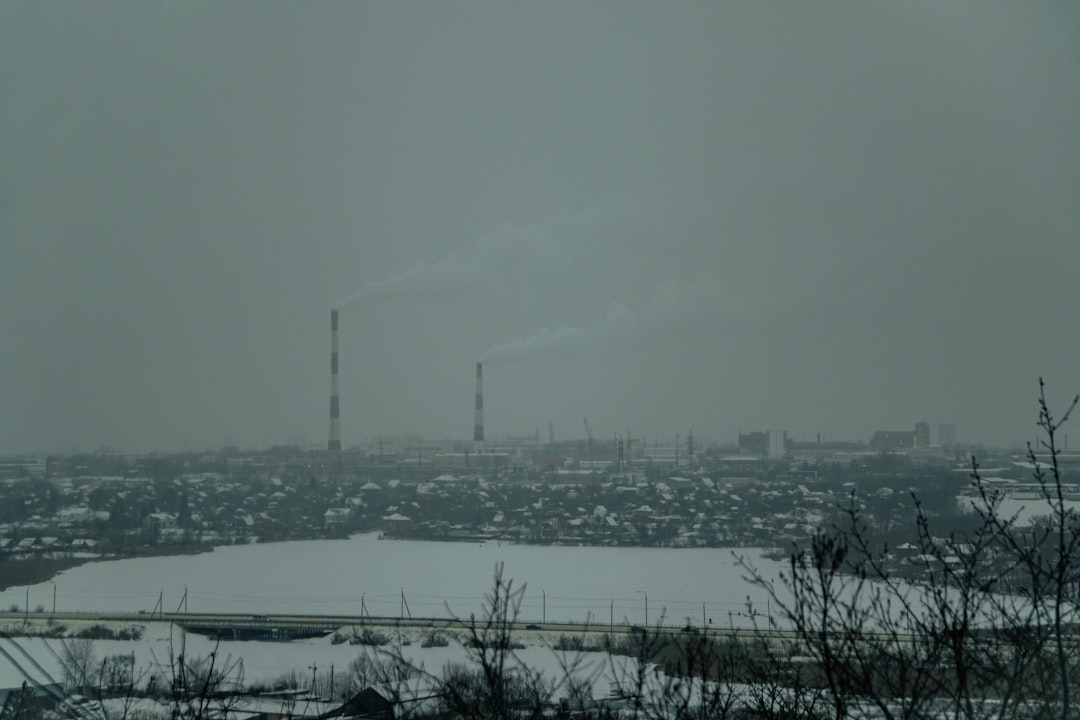
Nuclear winter is a theoretical climatic scenario that could result from a large-scale nuclear war. The detonation of multiple nuclear weapons would inject substantial quantities of soot and particulate matter into the atmosphere, reducing solar radiation reaching Earth’s surface and causing global temperatures to decline significantly. Such climatic disruption could trigger widespread crop failures, food shortages, and ecosystem collapse.
Scientists developed this concept during the Cold War era, when nuclear conflict posed a genuine geopolitical threat, leading researchers to investigate the potential environmental and societal consequences of nuclear war. The phenomenon describes a prolonged period of darkness and cold following nuclear detonations, with effects extending beyond the immediate destruction of blast zones. The potential consequences include a global humanitarian crisis affecting millions of people.
As nuclear weapons remain part of national arsenals worldwide, nuclear winter remains an important consideration for policymakers and international security discussions.
Key Takeaways
- Nuclear winter is a severe global climate cooling effect caused by widespread firestorms following nuclear explosions.
- It results from soot and smoke blocking sunlight, disrupting weather patterns and reducing temperatures.
- Historical events like large volcanic eruptions provide insight into potential nuclear winter impacts.
- The environmental consequences include massive ecosystem damage, loss of wildlife, and long-term agricultural collapse.
- Mitigation focuses on nuclear disarmament, international cooperation, and advancing scientific research to prevent such catastrophes.
The Science Behind Nuclear Winter
The scientific foundation of nuclear winter is rooted in atmospheric science and climatology. When nuclear weapons explode, they generate immense fireballs that incinerate everything in their vicinity. This combustion produces smoke and soot that can rise high into the atmosphere, where it can remain suspended for extended periods.
The particles scatter sunlight, leading to a phenomenon known as “global dimming.” As a result, surface temperatures can drop significantly, potentially by several degrees Celsius. Research conducted in the 1980s by scientists such as Carl Sagan and his colleagues provided compelling evidence for the nuclear winter hypothesis. Their models suggested that even a limited nuclear exchange could lead to catastrophic climatic changes.
The cooling effect could last for months or even years, disrupting weather patterns and leading to severe droughts in some regions while causing excessive rainfall in others. This disruption would have dire consequences for agriculture, as crops would struggle to grow in the altered climate. The documentary provides a detailed analysis of the potential consequences of nuclear war on global security.
Historical Examples of Nuclear Winter
While no full-scale nuclear war has occurred to provide direct evidence of nuclear winter, historical events have offered insights into its potential effects. The aftermath of the bombings of Hiroshima and Nagasaki during World War II serves as a grim reminder of the destructive power of nuclear weapons. Although these bombings did not lead to a nuclear winter scenario, they demonstrated the immediate devastation caused by nuclear explosions and the long-term health effects on survivors.
In addition to these bombings, the Cold War era was marked by numerous nuclear tests that released radioactive materials into the atmosphere. These tests provided data on the environmental impact of nuclear detonations, although they did not result in the widespread climatic changes associated with nuclear winter. The scientific community has used these historical precedents to model potential outcomes of a large-scale nuclear conflict, reinforcing the urgency of addressing nuclear proliferation and its associated risks.
The Environmental Impact of Nuclear Winter
The environmental consequences of nuclear winter would be profound and far-reaching. The initial explosions would obliterate vast areas of land, leading to immediate destruction of habitats and ecosystems. Following this devastation, the soot and debris released into the atmosphere would create a veil that blocks sunlight, resulting in a dramatic cooling effect on Earth’s surface.
This cooling could lead to shorter growing seasons and reduced agricultural yields, threatening food security on a global scale. Moreover, the disruption of weather patterns would have cascading effects on ecosystems. Some regions might experience prolonged droughts, while others could face excessive rainfall and flooding.
Such variability would challenge the resilience of many species, leading to shifts in biodiversity and potentially causing extinctions. The loss of plant life would further exacerbate the situation, as vegetation plays a crucial role in carbon sequestration and oxygen production.
The Effects on Human Health
| Metric | Description | Estimated Value/Effect |
|---|---|---|
| Temperature Drop | Global average surface temperature decrease due to sunlight blockage | 10-20°C (18-36°F) drop lasting months to years |
| Duration | Length of time the nuclear winter conditions persist | Several months to over a decade |
| Sunlight Reduction | Percentage decrease in sunlight reaching Earth’s surface | Up to 70-90% reduction |
| Atmospheric Soot | Amount of soot injected into the stratosphere from nuclear explosions | 5-150 million tons |
| Agricultural Impact | Effect on crop yields due to reduced sunlight and lower temperatures | Potential global crop failures, up to 90% reduction in some regions |
| Ozone Layer Depletion | Damage to ozone layer caused by nuclear explosions and soot | Significant depletion lasting years |
| Human Casualties | Indirect deaths caused by famine and environmental collapse | Potentially billions worldwide |
The health implications of nuclear winter would be catastrophic for humanity. In addition to the immediate casualties from nuclear explosions, the subsequent environmental changes would pose significant risks to human health.
Vulnerable populations, particularly in developing countries, would be disproportionately affected by these shortages. Furthermore, the psychological toll of living in a post-nuclear winter world cannot be underestimated. The fear and uncertainty surrounding such an event could lead to widespread mental health issues, including anxiety and depression.
Additionally, exposure to radiation from nuclear detonations could result in long-term health problems for survivors, including increased rates of cancer and other illnesses. The combination of these factors paints a grim picture of human health in the wake of nuclear winter.
The Long-Term Consequences of Nuclear Winter
The long-term consequences of nuclear winter extend beyond immediate health impacts and environmental degradation. A significant drop in global temperatures could lead to a prolonged period of instability, with nations struggling to adapt to new climatic conditions. Agricultural systems that once thrived may collapse entirely, leading to mass migrations as people flee uninhabitable regions in search of food and resources.
Social structures would also be severely tested in this new reality. Governments may struggle to maintain order amidst widespread chaos and desperation.
In essence, the long-term consequences of nuclear winter could reshape global society as we know it, creating a world marked by scarcity and strife.
Wildlife and Ecosystem Destruction
The destruction wrought by nuclear winter would not be limited to human populations; wildlife and ecosystems would also face dire consequences. The immediate aftermath of nuclear explosions would decimate habitats, killing countless animals and disrupting food chains. As temperatures plummet and sunlight is blocked, many species would struggle to survive in altered environments.
Ecosystems rely on delicate balances between species, and the loss of key organisms can have cascading effects throughout food webs. For instance, pollinators like bees may decline due to habitat destruction and food shortages, leading to further declines in plant populations. This loss of biodiversity would not only impact wildlife but also disrupt essential ecosystem services that humans rely on, such as clean water and air purification.
The Economic Fallout of Nuclear Winter
The economic ramifications of nuclear winter would be staggering. With agricultural systems collapsing due to climate disruption, food prices would skyrocket as supply dwindles. Nations that rely heavily on agriculture for their economies would face severe challenges, potentially leading to economic collapse.
The global economy would likely enter a recession as trade routes are disrupted and countries grapple with resource scarcity. Moreover, the costs associated with recovery efforts would be astronomical. Governments would need to allocate vast resources toward humanitarian aid, infrastructure rebuilding, and environmental restoration.
However, with economies already strained by food shortages and social unrest, finding the necessary funding for these efforts could prove nearly impossible. The economic fallout from nuclear winter could thus create a cycle of poverty and instability that lasts for generations.
International Relations and Nuclear Winter
The specter of nuclear winter poses significant challenges for international relations. In a world where nations are grappling with the aftermath of nuclear conflict, diplomatic relations could become strained as countries compete for limited resources. Trust between nations may erode as fears of further conflict rise, leading to an environment ripe for hostility.
Efforts at disarmament and non-proliferation may falter in such a scenario as countries prioritize their own survival over global cooperation. The potential for renewed arms races could escalate tensions further, creating a vicious cycle that undermines peace efforts worldwide. In this context, addressing the threat of nuclear winter becomes not only an environmental concern but also a critical issue for global stability.
Mitigation and Prevention Strategies
To prevent the catastrophic consequences associated with nuclear winter, proactive measures must be taken at both national and international levels. Diplomatic efforts aimed at reducing nuclear arsenals are essential in mitigating the risk of large-scale conflict. Treaties such as the Treaty on the Non-Proliferation of Nuclear Weapons (NPT) play a crucial role in promoting disarmament and fostering cooperation among nations.
In addition to disarmament efforts, investing in research on climate resilience can help societies prepare for potential environmental changes resulting from any future conflicts. Developing sustainable agricultural practices and enhancing food security can mitigate some impacts associated with climate disruption. Furthermore, fostering international collaboration on disaster response strategies can ensure that nations are better equipped to handle crises should they arise.
The Future of Nuclear Winter Research
As global tensions continue to evolve, ongoing research into nuclear winter remains critical for understanding its potential impacts and informing policy decisions. Scientists are exploring various aspects of this phenomenon, including improved climate models that account for different scenarios involving nuclear conflict. By refining these models, researchers can provide more accurate predictions about the potential consequences of nuclear warfare.
Moreover, interdisciplinary collaboration between climatologists, ecologists, public health experts, and policymakers is essential for developing comprehensive strategies to address the multifaceted challenges posed by nuclear winter. As awareness grows about the potential risks associated with nuclear weapons, continued investment in research will be vital for ensuring a safer future for humanity. In conclusion, nuclear winter represents one of the most pressing threats posed by modern warfare.
Its potential consequences extend far beyond immediate destruction; they encompass profound environmental changes, public health crises, economic turmoil, and geopolitical instability. Understanding this phenomenon is crucial for fostering international cooperation aimed at preventing nuclear conflict and mitigating its catastrophic effects should it occur. As research continues to evolve, it is imperative that societies remain vigilant in addressing the risks associated with nuclear weapons while striving for a more peaceful world.
The concept of nuclear winter refers to the severe and prolonged global climatic cooling that could occur after a nuclear war, primarily due to the massive amounts of soot and debris released into the atmosphere, blocking sunlight. This phenomenon could lead to catastrophic consequences for agriculture and ecosystems worldwide. For a deeper understanding of the implications of such a scenario, you can read more in this related article on the topic at Nuclear Winter Effects.
WATCH THIS! ☢️ Nuclear War in 2026: The Real Risks, New Weapons & How Close We Are
FAQs
What is the nuclear winter effect?
The nuclear winter effect refers to a severe and prolonged global climatic cooling that is hypothesized to occur after widespread firestorms following a large-scale nuclear war. The smoke and soot from burning cities and forests would rise into the stratosphere, blocking sunlight and drastically lowering surface temperatures.
How does nuclear winter occur?
Nuclear winter occurs when the intense heat from nuclear explosions ignites massive fires, producing large amounts of smoke and soot. These particles are lofted high into the atmosphere, where they can spread globally and block sunlight, reducing temperatures and disrupting weather patterns.
What are the potential environmental impacts of nuclear winter?
The environmental impacts include significant drops in temperature, reduced sunlight, disruption of photosynthesis, collapse of ecosystems, and widespread crop failures. This could lead to food shortages, famine, and long-term damage to the Earth’s climate system.
Has nuclear winter ever been observed?
Nuclear winter has not been directly observed because no large-scale nuclear war has occurred. However, scientific models and studies of past volcanic eruptions and large fires provide evidence supporting the potential for such an effect.
Can nuclear winter affect the entire planet?
Yes, the nuclear winter effect is considered a global phenomenon. The smoke and soot can circulate in the stratosphere worldwide, leading to widespread climatic changes that affect regions far from the initial nuclear explosions.
What are the health consequences of nuclear winter?
Health consequences could include increased mortality due to famine, malnutrition, and exposure to cold temperatures. Additionally, the disruption of agriculture and ecosystems could lead to long-term public health crises.
Is nuclear winter reversible?
Nuclear winter effects could last for months to years, depending on the scale of the nuclear conflict and the amount of soot injected into the atmosphere. Recovery would depend on the natural clearing of atmospheric particles and the restoration of ecosystems, which could take a significant amount of time.
What measures can be taken to prevent nuclear winter?
The primary measure to prevent nuclear winter is the avoidance of nuclear war through disarmament, diplomacy, and international treaties aimed at reducing nuclear arsenals and preventing nuclear conflict.