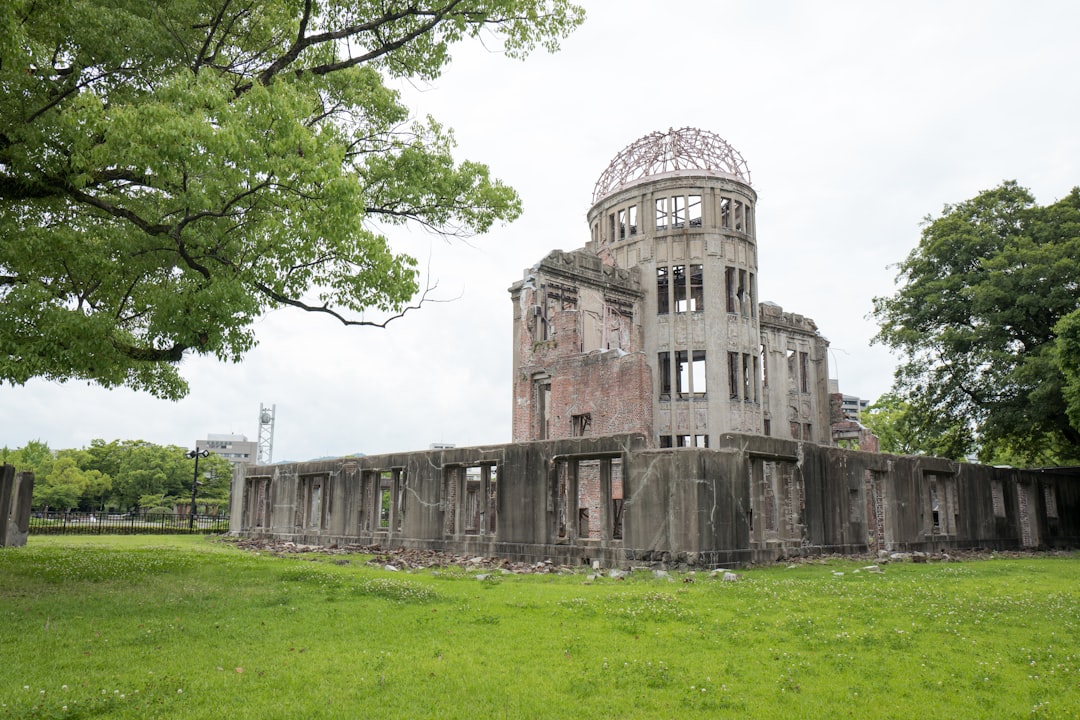
Nuclear near misses are significant events in global nuclear operations that warrant greater attention. These incidents refer to situations where technical failures or human errors nearly resulted in major nuclear accidents. While well-documented disasters such as Chernobyl and Fukushima demonstrate the severe consequences of nuclear accidents, near misses reveal how frequently dangerous situations have been narrowly averted.
Many nuclear near misses remain classified or poorly documented, limiting public awareness of their frequency and severity. However, analyzing these incidents provides valuable information about weaknesses in nuclear safety systems and the realistic potential for catastrophic events. Examining near misses helps identify systemic vulnerabilities and informs improvements to nuclear safety protocols.
Understanding nuclear near misses is important for several reasons. These events demonstrate the ongoing challenges faced by countries operating nuclear facilities, including equipment reliability, operator training, and emergency response procedures. They also have implications for international security, environmental protection, and public health.
A comprehensive review of near miss incidents contributes to more effective nuclear safety standards and risk management strategies across the global nuclear industry.
Key Takeaways
- Nuclear near misses highlight the critical risks of accidental nuclear conflict, especially during the Cold War era.
- Human error and technical malfunctions have been central causes of many nuclear accidents and near misses.
- International diplomacy and communication play vital roles in preventing nuclear escalation and managing crises.
- The environmental and societal consequences of nuclear near misses underscore the need for stringent safety measures.
- Remembering and learning from past nuclear near misses is essential to improving future nuclear safety and security.
The Cold War and Nuclear Escalation
The Cold War era was marked by an intense arms race between superpowers, primarily the United States and the Soviet Union. This period saw a dramatic escalation in nuclear arsenals, with both nations amassing thousands of warheads capable of causing unprecedented destruction. The geopolitical tensions of the time created an environment ripe for miscalculations and misunderstandings, leading to numerous nuclear near misses.
Incidents such as the Cuban Missile Crisis exemplify how close the world came to nuclear conflict, with both sides on high alert and ready to respond to perceived threats. During this tumultuous period, various near misses occurred due to a combination of technological failures and human error. For instance, in 1983, Soviet Lieutenant Colonel Stanislav Petrov faced a critical decision when an early warning system indicated a potential U.S.
missile launch. Instead of following protocol and escalating the situation, Petrov chose to investigate further, ultimately determining that it was a false alarm. His decision not only averted a potential nuclear exchange but also underscored the fragility of human judgment in high-stakes scenarios.
Such incidents reveal how close humanity has come to disaster during times of heightened tension. The documentary provides a detailed analysis of the potential consequences of nuclear war on global security.
Accidents and Mishaps at Nuclear Facilities

Nuclear facilities are designed with multiple safety protocols to prevent accidents; however, history has shown that these systems are not infallible. Various accidents and mishaps at nuclear power plants have raised concerns about safety standards and operational protocols. One notable incident occurred at Three Mile Island in 1979 when a partial meltdown led to widespread panic and scrutiny of nuclear energy’s safety.
Although no radiation was released into the environment, the event highlighted vulnerabilities in reactor design and operator training. Another significant incident took place at the Chernobyl Nuclear Power Plant in 1986, where a flawed reactor design combined with operator errors resulted in one of the worst nuclear disasters in history. While Chernobyl is often viewed through the lens of its catastrophic outcomes, it also serves as a case study in near misses leading up to the disaster itself.
Prior to the explosion, there were several warning signs and minor accidents that indicated systemic issues within the facility. These events underscore the importance of rigorous safety measures and continuous monitoring to prevent future mishaps.
The Human Factor in Nuclear Near Misses
The human element plays a pivotal role in nuclear safety, often determining whether a situation escalates into a disaster or is successfully managed. Human error can manifest in various forms, including miscommunication, inadequate training, or lapses in judgment. In many cases, individuals working within nuclear facilities are under immense pressure to perform flawlessly, which can lead to mistakes during critical moments.
The psychological burden of operating within such high-stakes environments cannot be underestimated. Training and preparedness are essential components in mitigating human error; however, even the most well-trained personnel can falter under stress. The 2003 incident at the Davis-Besse Nuclear Power Station in Ohio serves as an example of how human factors can contribute to near misses.
A combination of equipment failure and operator oversight led to a significant corrosion issue that went unnoticed for an extended period. Fortunately, the situation was resolved before any catastrophic failure occurred, but it highlighted the need for continuous improvement in training and operational protocols to ensure that human factors do not compromise safety.
Environmental and Societal Impact of Nuclear Near Misses
| Incident | Date | Location | Description | Potential Consequence | Outcome |
|---|---|---|---|---|---|
| 1961 Goldsboro B-52 Crash | January 24, 1961 | Goldsboro, North Carolina, USA | B-52 bomber broke up mid-air, accidentally dropping two nuclear bombs. | Possible detonation of a 4-megaton bomb over a populated area. | One bomb’s parachute deployed, preventing detonation; only minor damage. |
| 1983 Soviet Nuclear False Alarm | September 26, 1983 | Soviet Union | Early-warning system falsely detected incoming US missiles. | Potential Soviet retaliatory nuclear strike. | Officer Stanislav Petrov judged it a false alarm, preventing escalation. |
| 1962 Cuban Missile Crisis – B-59 Submarine Incident | October 27, 1962 | Near Cuba, Atlantic Ocean | US Navy dropped depth charges to force Soviet sub to surface; sub captain considered launching nuclear torpedo. | Possible nuclear war outbreak. | Sub commander was overruled by other officers; nuclear launch was averted. |
| 1979 NORAD Computer Glitch | November 9, 1979 | North American Aerospace Defense Command (NORAD), USA | Computer error indicated a massive Soviet missile attack. | Potential US nuclear retaliation. | Error identified before any action was taken. |
| 1966 Palomares B-52 Crash | January 17, 1966 | Palomares, Spain | B-52 collided with tanker during refueling, dropping four hydrogen bombs. | Risk of nuclear explosion and radioactive contamination. | No nuclear detonation; cleanup of radioactive contamination followed. |
The environmental consequences of nuclear near misses can be profound, even if a full-scale disaster is averted. Contamination from radioactive materials can have lasting effects on ecosystems and public health. For instance, while many near misses may not result in immediate harm, they can create long-term anxiety among local populations regarding potential exposure to radiation.
This fear can lead to social unrest and distrust in governmental institutions responsible for managing nuclear facilities. Moreover, the societal impact extends beyond immediate environmental concerns. Communities living near nuclear plants often face economic challenges due to stigma associated with potential disasters.
Property values may decline as residents seek to distance themselves from perceived risks, leading to economic instability in affected areas. The psychological toll on individuals living under the shadow of potential nuclear incidents can also be significant, contributing to stress and anxiety that permeate daily life.
The Role of International Relations in Nuclear Near Misses
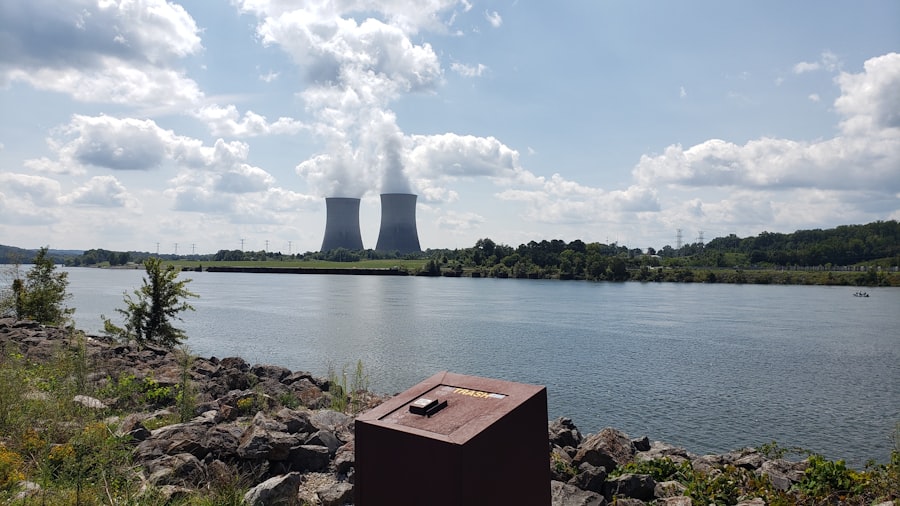
International relations play a crucial role in shaping nuclear policies and preventing near misses on a global scale. Diplomatic efforts aimed at arms control and non-proliferation have been instrumental in reducing tensions between nuclear-armed states. Treaties such as the Treaty on the Non-Proliferation of Nuclear Weapons (NPT) have established frameworks for cooperation and dialogue among nations, fostering an environment where near misses can be addressed collaboratively.
However, geopolitical rivalries can also exacerbate risks associated with nuclear technology. Nations may engage in aggressive posturing or military exercises that heighten tensions and increase the likelihood of miscalculations. The ongoing tensions between North Korea and other nations illustrate how international relations can influence nuclear safety dynamics.
In such cases, diplomatic efforts must be prioritized to prevent misunderstandings that could lead to catastrophic outcomes.
Lessons Learned from Nuclear Near Misses
The examination of nuclear near misses offers valuable lessons that can inform future safety protocols and policies. One key takeaway is the importance of transparency and open communication among stakeholders involved in nuclear operations. By sharing information about past incidents and near misses, organizations can foster a culture of learning that prioritizes safety over secrecy.
This approach encourages continuous improvement and helps prevent similar situations from arising in the future. Additionally, investing in advanced technology and infrastructure is essential for enhancing safety measures at nuclear facilities. Innovations such as improved monitoring systems and automated safety protocols can significantly reduce the risk of human error and technical failures.
Furthermore, regular training exercises that simulate emergency scenarios can prepare personnel to respond effectively under pressure, ultimately minimizing the likelihood of near misses.
The Future of Nuclear Safety and Security
As global energy demands continue to rise, the future of nuclear power remains a contentious topic. While some advocate for its role as a low-carbon energy source, concerns about safety persist. The development of new reactor designs that prioritize safety features is crucial for addressing these concerns.
Advanced reactors with passive safety systems are being explored as potential solutions that could mitigate risks associated with traditional designs.
Countries must work together to establish best practices and share knowledge regarding safety protocols and emergency response strategies.
By fostering a global culture of safety within the nuclear industry, nations can collectively reduce the risks associated with nuclear technology while harnessing its benefits for energy production.
The Untold Stories of Nuclear Near Misses
Many nuclear near misses remain largely unknown to the public due to classified information or lack of media coverage. These untold stories often involve ordinary individuals who played critical roles in averting disaster but may never receive recognition for their actions. By uncovering these narratives, society can gain a deeper understanding of the complexities surrounding nuclear safety and the human experiences intertwined with these incidents.
Documenting these stories not only honors those who acted decisively during crises but also serves as a reminder of the importance of vigilance in maintaining safety standards within the nuclear industry. Each near miss carries lessons that can inform future practices and policies, emphasizing that even seemingly minor incidents can have far-reaching implications.
The Psychological Toll of Living with Nuclear Near Misses
Living in proximity to nuclear facilities or under the threat of potential nuclear conflict can take a significant psychological toll on individuals and communities. The constant awareness of possible disasters creates an atmosphere of anxiety that permeates daily life. Residents may experience heightened stress levels, leading to mental health challenges such as depression or anxiety disorders.
Moreover, children growing up in these environments may develop fears related to radiation exposure or catastrophic events, impacting their overall well-being and development. Addressing these psychological impacts requires comprehensive support systems that prioritize mental health resources for affected communities. By acknowledging and addressing these concerns, society can work towards healing and resilience in the face of uncertainty.
The Importance of Remembering Nuclear Near Misses
In conclusion, remembering nuclear near misses is essential for understanding the complexities surrounding nuclear technology and its implications for global safety. These incidents serve as cautionary tales that highlight vulnerabilities within systems designed to protect humanity from catastrophic events. By learning from past mistakes and prioritizing transparency, collaboration, and innovation, society can work towards a safer future.
As nations continue to navigate the challenges posed by nuclear technology, it is imperative to honor those who have acted decisively during crises while also recognizing the psychological toll on communities living under constant threat. By fostering a culture of safety and vigilance, humanity can strive to prevent future near misses while harnessing the benefits of nuclear energy responsibly.
The untold history of nuclear near misses reveals the precarious nature of global security during the Cold War and beyond. For a deeper understanding of the complexities surrounding these incidents, you can explore the article on the topic at this link. It provides valuable insights into the events that nearly led to catastrophic outcomes and highlights the importance of vigilance in nuclear safety.
WATCH THIS! ☢️ Nuclear War in 2026: The Real Risks, New Weapons & How Close We Are
FAQs
What is meant by “nuclear near misses”?
Nuclear near misses refer to incidents during the Cold War and other periods where nuclear weapons were nearly launched or detonated due to misunderstandings, technical malfunctions, or human error, but a full-scale nuclear war was ultimately avoided.
Why are nuclear near misses significant in history?
These incidents highlight the risks and dangers associated with nuclear weapons, demonstrating how close the world has come to catastrophic nuclear conflict. They emphasize the importance of communication, safeguards, and diplomacy in preventing accidental war.
Can you give an example of a famous nuclear near miss?
One well-known example is the 1983 Soviet false alarm incident, where a Soviet early-warning system mistakenly detected incoming U.S. missiles. Lieutenant Colonel Stanislav Petrov correctly judged it as a false alarm and chose not to retaliate, potentially preventing a nuclear war.
How have nuclear near misses influenced nuclear policy?
These events have led to improved communication channels between nuclear powers, such as the establishment of the “hotline” between the U.S. and the Soviet Union, and have encouraged arms control agreements aimed at reducing the risk of accidental nuclear war.
Are nuclear near misses still a concern today?
Yes, while the Cold War has ended, the risk of accidental nuclear conflict remains due to technical errors, misinterpretations, or escalating tensions. Modernization of nuclear arsenals and geopolitical conflicts continue to make vigilance and risk reduction important.
What measures are in place to prevent nuclear near misses?
Measures include improved early-warning systems, fail-safe protocols, direct communication lines between nuclear-armed states, arms control treaties, and international diplomatic efforts to reduce misunderstandings and accidental launches.
Where can I learn more about the untold history of nuclear near misses?
Books, documentaries, and declassified government documents provide detailed accounts of nuclear near misses. Notable works include “The Doomsday Machine” by Daniel Ellsberg and various Cold War archives released by the U.S. and Russia.