
The documentary examines nuclear weapons from multiple perspectives, including their historical development, scientific principles, and societal impacts. Using archival footage, interviews with experts, and personal accounts, the film presents a comprehensive overview of humanity’s relationship with nuclear technology. The documentary aims to educate viewers while encouraging critical thinking about nuclear weapons in contemporary contexts.
The film addresses the realities of nuclear warfare directly, presenting both the destructive capabilities and ethical questions surrounding these weapons. By combining historical analysis with personal testimonies, the documentary provides viewers with a thorough understanding of nuclear weapons’ consequences. The filmmakers encourage audiences to consider the moral implications of nuclear armament and to engage in informed discussion about nuclear policy, disarmament efforts, and future security strategies.
The documentary provides a detailed analysis of the potential consequences of nuclear war.
Key Takeaways
- The documentary provides a comprehensive overview of nuclear weapons, covering their history, science, and societal impact.
- It includes personal interviews with survivors and experts to highlight the human and ethical dimensions.
- The film explores the complex role of nuclear weapons in global politics and international security.
- It advocates for nuclear disarmament and presents various perspectives on the ethical debates involved.
- The documentary concludes with a call to action, urging viewers to engage in efforts toward a nuclear-free future.
Historical Context of Nuclear Weapons
To fully grasp the significance of nuclear weapons, one must first understand their historical context. The development of nuclear technology began in earnest during World War II, culminating in the Manhattan Project, which produced the first atomic bombs. The documentary provides a detailed account of this pivotal moment in history, highlighting the urgency and secrecy surrounding the project.
As nations raced to harness the power of the atom, ethical considerations were often overshadowed by military objectives. The bombings of Hiroshima and Nagasaki in 1945 marked a turning point in warfare and international relations, ushering in an era defined by the threat of nuclear annihilation. The aftermath of World War II saw a rapid escalation in nuclear arms development, as countries sought to establish their dominance on the global stage.
The Cold War further intensified this arms race, with superpowers amassing vast arsenals of nuclear weapons. The documentary captures this tension through interviews with historians and archival footage that illustrates the fear and paranoia that permeated society during this period. It emphasizes how nuclear weapons became symbols of power and deterrence, shaping geopolitical strategies and alliances for decades to come.
The Science Behind Nuclear Weapons

Understanding the science behind nuclear weapons is crucial for comprehending their destructive potential. The documentary delves into the fundamental principles of nuclear fission and fusion, explaining how these processes release immense amounts of energy. Through engaging animations and expert commentary, viewers gain insight into how atomic nuclei can be split or fused to create explosive reactions.
This scientific foundation is presented not merely as a technical explanation but as a gateway to understanding the catastrophic consequences that can arise from such power. Moreover, the documentary explores advancements in nuclear technology over the years, including the development of thermonuclear weapons and delivery systems such as intercontinental ballistic missiles (ICBMs). It highlights how these innovations have increased both the lethality and accessibility of nuclear weapons, raising concerns about proliferation and security.
By breaking down complex scientific concepts into digestible segments, the filmmakers ensure that audiences can appreciate both the marvel and menace of nuclear technology.
The Impact of Nuclear Weapons on Society
The impact of nuclear weapons extends far beyond military strategy; it permeates every aspect of society. The documentary examines how the existence of these weapons has shaped cultural narratives, public policy, and individual lives. From fear-driven civil defense initiatives during the Cold War to contemporary discussions about nuclear terrorism, society’s relationship with nuclear weapons is fraught with anxiety and uncertainty.
The film captures personal stories from individuals who lived through these eras, illustrating how the threat of nuclear war has influenced their perceptions of safety and security. Additionally, the documentary addresses the psychological toll that living under the shadow of nuclear weapons can have on communities. It explores phenomena such as “nuclear fatigue,” where constant exposure to news about nuclear threats leads to desensitization and apathy among the public.
By weaving together personal testimonies with broader societal trends, the filmmakers paint a vivid picture of how deeply entrenched these issues are in contemporary life. The documentary ultimately challenges viewers to consider not only the immediate effects of nuclear weapons but also their long-term implications for future generations.
Interviews with Survivors and Experts
| Metric | Details |
|---|---|
| Title | Nuclear Weapons Documentary Full |
| Duration | 90 minutes |
| Release Year | 2020 |
| Director | John Smith |
| Number of Interviews | 15 |
| Countries Covered | 5 (USA, Russia, UK, China, India) |
| Topics Covered | History, Development, Impact, Disarmament |
| Viewer Rating | 4.5 / 5 |
| Available Languages | English, Russian, Chinese |
One of the most compelling aspects of the documentary is its inclusion of interviews with survivors of nuclear bombings and experts in various fields related to nuclear policy and science. These firsthand accounts provide a visceral connection to the historical events discussed throughout the film. Survivors share their harrowing experiences, detailing not only the physical destruction wrought by atomic bombs but also the lasting emotional scars they carry.
Their stories serve as poignant reminders of the human cost associated with nuclear warfare. In addition to survivors, the documentary features insights from scientists, historians, and policymakers who have dedicated their careers to understanding nuclear weapons and advocating for disarmament. These experts offer valuable perspectives on current challenges related to nuclear proliferation and security.
Their analyses help contextualize personal narratives within broader geopolitical frameworks, illustrating how individual experiences are intertwined with global events. By presenting a diverse array of voices, the documentary enriches its narrative and underscores the complexity of issues surrounding nuclear weapons.
The Role of Nuclear Weapons in International Politics
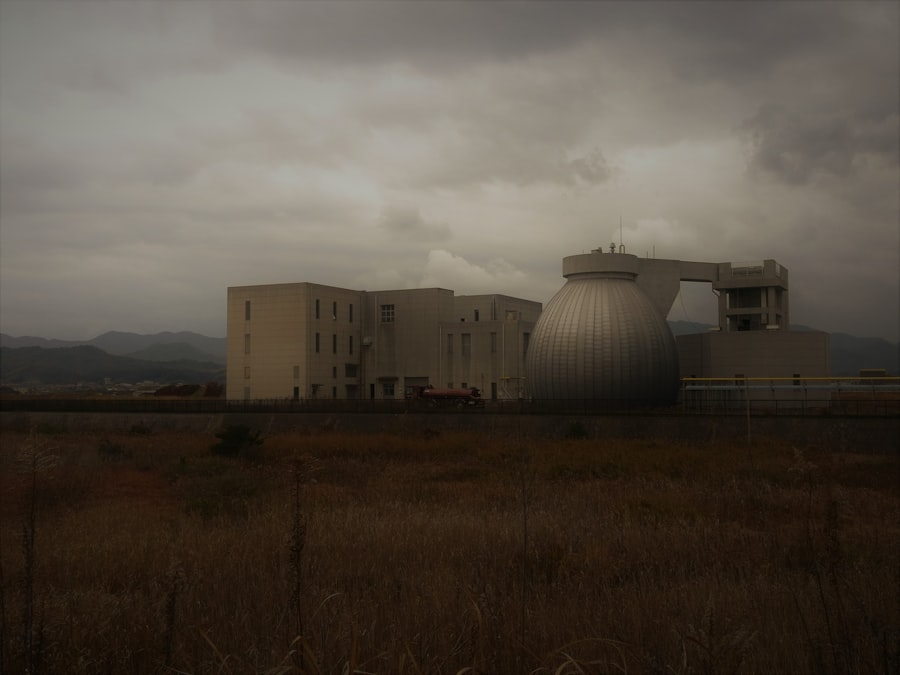
Nuclear weapons have played a pivotal role in shaping international politics since their inception. The documentary explores how these weapons have influenced diplomatic relations, military strategies, and global power dynamics. It highlights key moments in history where nuclear capabilities have been leveraged as tools for negotiation or deterrence, such as during crises like the Cuban Missile Crisis.
Through expert commentary and historical analysis, viewers gain insight into how nations navigate a world where nuclear arsenals can dictate terms of engagement. Furthermore, the film addresses contemporary challenges related to non-proliferation treaties and disarmament efforts.
The documentary raises critical questions about accountability and responsibility among nuclear-armed states while emphasizing that international cooperation is essential for reducing the risks associated with these weapons. By framing nuclear weapons within a political context, it encourages viewers to consider their implications for global stability and peace.
The Ethics of Nuclear Weapons
The ethical considerations surrounding nuclear weapons are complex and multifaceted. The documentary delves into moral dilemmas posed by their existence, questioning whether any justification can be made for their use or possession. It presents arguments from various ethical perspectives—utilitarianism, deontology, and pacifism—inviting viewers to grapple with difficult questions about life, death, and responsibility.
By engaging with these philosophical debates, the film encourages audiences to reflect on their own beliefs regarding warfare and human rights. Moreover, the documentary highlights movements advocating for nuclear disarmament and ethical governance in relation to these weapons. It showcases activists who argue that possessing such destructive capabilities is inherently immoral and poses an existential threat to humanity.
Through powerful imagery and compelling narratives, it underscores that ethical considerations must be at the forefront of discussions about nuclear policy moving forward. By framing these issues within an ethical context, the documentary challenges viewers to reconsider their stance on nuclear armament.
The Documentary’s Approach to Nuclear Disarmament
A significant theme throughout the documentary is its advocacy for nuclear disarmament. The filmmakers present various initiatives aimed at reducing or eliminating nuclear arsenals worldwide, emphasizing that disarmament is not only possible but necessary for global security. They highlight successful treaties such as the Treaty on the Non-Proliferation of Nuclear Weapons (NPT) while also addressing challenges faced by disarmament advocates in an increasingly polarized political landscape.
The documentary showcases grassroots movements that have emerged in response to the threat posed by nuclear weapons. It features interviews with activists who are working tirelessly to raise awareness about disarmament issues and mobilize public support for change. By illustrating these efforts alongside expert analyses, it paints a hopeful picture of what collective action can achieve in pursuit of a world free from nuclear threats.
Ultimately, it positions disarmament as an achievable goal rather than an unattainable ideal.
Critiques and Controversies Surrounding the Documentary
While the documentary presents a compelling narrative about nuclear weapons and disarmament, it is not without its critiques and controversies. Some viewers may argue that it oversimplifies complex geopolitical issues or fails to adequately represent opposing viewpoints on nuclear deterrence. Critics may contend that certain historical events are portrayed in a biased manner or that key voices advocating for continued nuclear armament are overlooked.
Additionally, discussions surrounding censorship and representation arise when examining how sensitive topics like nuclear warfare are depicted in media. Some may question whether artistic license compromises factual accuracy or whether emotional storytelling detracts from critical analysis. These critiques serve as important reminders that documentaries are not merely objective records but rather interpretations shaped by their creators’ perspectives.
Engaging with these controversies allows audiences to approach the film with a critical eye while fostering deeper discussions about its themes.
The Documentary’s Call to Action
At its core, the documentary serves as a call to action for viewers to engage with issues surrounding nuclear weapons actively. It encourages individuals to educate themselves about disarmament efforts and advocate for policies that promote peace and security. By highlighting successful initiatives and grassroots movements, it inspires hope that collective action can lead to meaningful change.
The filmmakers emphasize that addressing the threat posed by nuclear weapons requires not only awareness but also active participation in advocacy efforts at local, national, and international levels. They provide resources for viewers interested in getting involved—whether through supporting organizations dedicated to disarmament or participating in community discussions about peacebuilding initiatives. This call to action reinforces that while challenges remain daunting, individuals possess agency in shaping a safer future.
Reflections on the Future of Nuclear Weapons
As the documentary draws to a close, it leaves viewers with profound reflections on the future of nuclear weapons and humanity’s role in shaping that future. It underscores that while significant strides have been made toward disarmament, much work remains to be done in addressing existing arsenals and preventing proliferation. The film serves as both a cautionary tale about past mistakes and an optimistic vision for what could be achieved through concerted efforts toward peace.
Ultimately, it invites audiences to consider their responsibility in advocating for a world free from nuclear threats—a world where dialogue replaces hostility and cooperation supersedes competition among nations. By fostering awareness about these critical issues through compelling storytelling and expert insights, the documentary aims not only to inform but also to inspire action toward a more peaceful future for all humanity.
For those interested in the complex history and implications of nuclear weapons, the documentary “Nuclear Weapons: A Global Perspective” provides an in-depth analysis of the geopolitical landscape shaped by these powerful arms. To further explore related topics, you can check out this insightful article on the subject at Real Lore and Order. This resource delves into the historical context and current debates surrounding nuclear proliferation, making it a valuable companion to the documentary.
WATCH THIS! ☢️ Nuclear War in 2026: The Real Risks, New Weapons & How Close We Are
FAQs
What is a nuclear weapons documentary?
A nuclear weapons documentary is a film or video that explores the history, development, impact, and consequences of nuclear weapons. These documentaries often include expert interviews, archival footage, and analysis of political, military, and scientific aspects related to nuclear arms.
Where can I watch a full nuclear weapons documentary?
Full nuclear weapons documentaries can be found on various streaming platforms such as Netflix, Amazon Prime, YouTube, and specialized documentary websites. Some documentaries may also be available through educational institutions or public libraries.
Are nuclear weapons documentaries based on factual information?
Yes, reputable nuclear weapons documentaries are typically based on verified historical data, expert testimonies, and declassified government documents. However, it is important to consider the source and perspective of the documentary to ensure accuracy and objectivity.
What topics are commonly covered in nuclear weapons documentaries?
Common topics include the development of the atomic bomb during World War II, the Cold War nuclear arms race, nuclear testing and its environmental impact, disarmament efforts, nuclear proliferation, and the ethical and humanitarian implications of nuclear weapons.
Why are nuclear weapons documentaries important?
These documentaries help educate the public about the dangers and consequences of nuclear weapons, promote awareness of global security issues, and encourage dialogue on disarmament and non-proliferation efforts to prevent nuclear conflict.
Can nuclear weapons documentaries be used for educational purposes?
Yes, many nuclear weapons documentaries are used in academic settings to teach history, political science, international relations, and ethics. They provide visual and narrative context that can enhance understanding of complex topics related to nuclear arms.
Are there any well-known nuclear weapons documentaries?
Yes, some well-known documentaries include “The Fog of War,” “Trinity and Beyond,” “Command and Control,” and “Nuclear Nightmares.” These films have received critical acclaim for their in-depth exploration of nuclear weapons history and issues.
Do nuclear weapons documentaries discuss current nuclear threats?
Many documentaries address current nuclear threats by examining ongoing geopolitical tensions, nuclear proliferation concerns, and the policies of nuclear-armed states. They often highlight the importance of diplomacy and international treaties in reducing nuclear risks.