The concept of centralized global authority has evolved over centuries, beginning with ancient and medieval empires that expanded territorial control and administrative systems. The Roman Empire and later the British Empire established precedents for large-scale governance structures that influenced subsequent international relations. The consolidation of power through military expansion, economic dominance, and political influence became characteristic features of these systems.
The emergence of nation-states in the 17th century introduced a new framework for organizing international relations. This period saw the development of centralized state authority and the establishment of diplomatic protocols between sovereign nations. Competition for territorial expansion and economic resources intensified during this era, shaping the structure of global politics.
The 20th century witnessed significant institutional developments in global governance. Following World War I and World War II, international leaders recognized the need for formal mechanisms to manage interstate relations and prevent future conflicts. The United Nations, established in 1945, represented an attempt to create a multilateral forum for negotiation and cooperation among nations.
The post-World War II international system introduced complex arrangements of power distribution among nations. Developed countries, particularly those that emerged as victors from the war, gained substantial influence over international institutions and economic systems. Simultaneously, multinational corporations expanded their operations globally, creating additional layers of influence over economic policy and resource allocation.
These institutional frameworks and power structures continue to shape international relations and global economic systems in the present day.
Understanding who holds power in the realm of global control requires a nuanced examination of various actors involved. At the forefront are nation-states, particularly those with significant economic and military capabilities. Countries like the United States, China, and Russia wield considerable influence over international policies and decisions, often shaping the global agenda to align with their national interests.
However, the landscape is not solely dominated by governments; multinational corporations play an increasingly pivotal role in shaping economic policies and practices worldwide. These entities often possess resources that surpass those of many nations, allowing them to lobby for favorable regulations and exert influence over political processes. In addition to states and corporations, non-governmental organizations (NGOs) and international institutions also contribute to the dynamics of global control.
NGOs often advocate for social justice, environmental protection, and human rights, challenging the status quo and holding powerful entities accountable. Meanwhile, organizations like the World Bank and International Monetary Fund (IMF) play crucial roles in shaping economic policies in developing countries, often imposing conditions that can lead to increased dependency on foreign aid. The interplay between these various players creates a complex tapestry of power relations that defines who is truly in charge on the global stage.
The recent events have triggered a significant
The methods employed to exert global control are multifaceted, encompassing technological advancements, economic strategies, and political maneuvers. Technology has emerged as a powerful tool for surveillance and data collection, enabling governments and corporations to monitor individuals and populations on an unprecedented scale. The rise of social media platforms and digital communication has transformed how information is disseminated, allowing for both the spread of propaganda and the mobilization of grassroots movements.
This duality highlights the paradox of technology as both a means of control and a catalyst for resistance. Economically, global control manifests through trade agreements, financial systems, and market dominance. The neoliberal economic model has facilitated the concentration of wealth in the hands of a few while perpetuating inequalities across nations.
By establishing trade policies that favor developed countries, powerful nations can dictate terms that disadvantage smaller economies. Additionally, debt dependency created by international financial institutions can trap nations in cycles of poverty and underdevelopment, further entrenching global control mechanisms. Politically, soft power tactics such as diplomacy, cultural influence, and strategic alliances are employed to maintain dominance without resorting to overt aggression.
The Impact on Society: How Global Control Affects the Average Person
The ramifications of global control extend far beyond political corridors and boardrooms; they permeate everyday life for individuals around the world. For many, the consequences manifest in economic disparities that limit access to essential resources such as education, healthcare, and employment opportunities. As wealth becomes increasingly concentrated among elites, average citizens often find themselves grappling with stagnant wages and rising living costs.
This economic strain can lead to feelings of disenfranchisement and frustration as individuals struggle to navigate a system that seems rigged against them. Moreover, global control influences cultural narratives and societal norms through media representation and education systems. The homogenization of culture driven by globalization can erode local traditions and identities, leading to a sense of alienation among communities.
Individuals may feel pressured to conform to dominant cultural standards propagated by powerful nations or corporations, resulting in a loss of diversity and authenticity. As people grapple with these challenges, they may also experience a growing sense of helplessness in the face of systemic forces that seem insurmountable.
Resistance and Opposition: Challenging Global Control
| Aspect |
Metric |
Data/Value |
Notes |
| Global Surveillance |
Number of countries with mass surveillance programs |
50+ |
Includes both democratic and authoritarian regimes |
| Data Collection |
Estimated daily data generated worldwide |
2.5 quintillion bytes |
Includes social media, IoT devices, and communications |
| Internet Control |
Percentage of internet traffic monitored |
Up to 30% |
Varies by region and government policies |
| Corporate Influence |
Top 5 tech companies controlling global data |
Google, Facebook, Amazon, Apple, Microsoft |
These companies hold vast amounts of user data |
| Cybersecurity |
Annual global cyberattack attempts |
Over 1 billion |
Includes state-sponsored and criminal attacks |
| Legislation |
Number of countries with data privacy laws |
120+ |
Includes GDPR and similar regulations worldwide |
| Public Awareness |
Percentage of population aware of global control issues |
Approximately 40% |
Varies significantly by education and region |
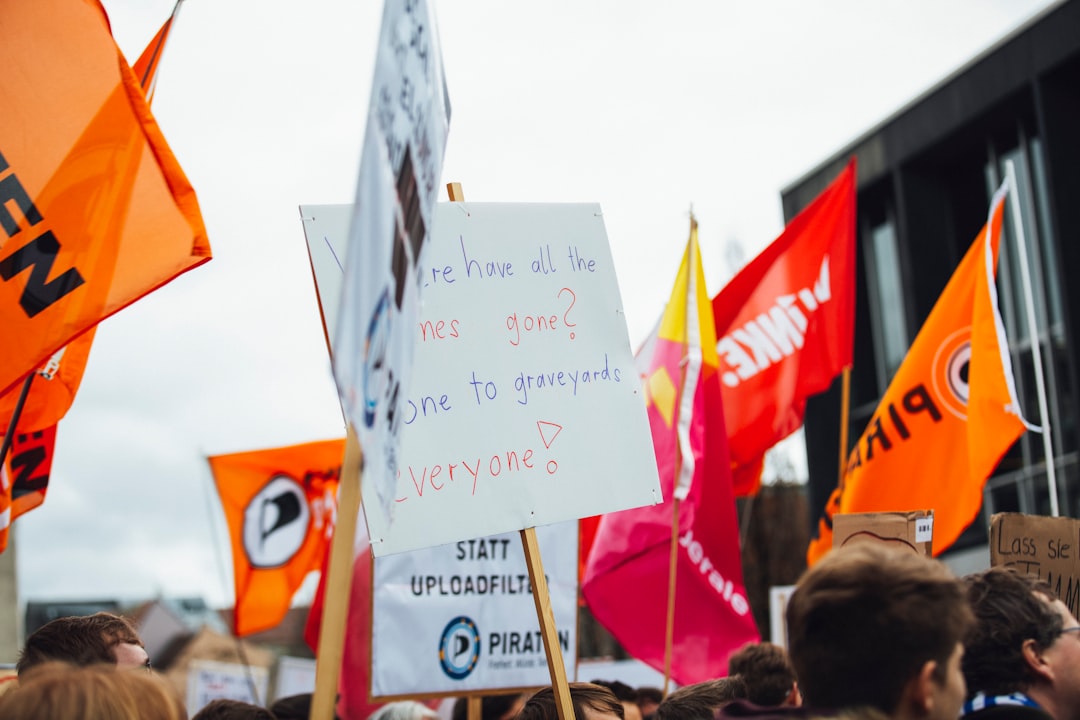
Despite the pervasive nature of global control, resistance movements have emerged across the globe as individuals and communities seek to reclaim their autonomy. Grassroots organizations, social movements, and activist networks have mobilized around issues such as climate justice, labor rights, and anti-globalization efforts. These movements often harness the power of technology to organize protests, share information, and build solidarity among diverse groups.
By challenging dominant narratives and advocating for alternative visions of society, they strive to dismantle oppressive structures that perpetuate inequality. Opposition to global control also takes on various forms within political systems. Some leaders have risen to prominence by championing nationalist agendas that reject external influence and prioritize domestic interests.
While these movements can sometimes lead to regressive policies or xenophobia, they also reflect a growing discontent with established power structures.
As citizens become increasingly aware of the mechanisms of control at play, they may seek out new political alternatives that promise greater accountability and representation.
The Role of Media in Shaping Global Control

Media plays a crucial role in shaping perceptions of global control by influencing public discourse and framing narratives around key issues. Traditional media outlets often serve as gatekeepers of information, determining which stories receive coverage and how they are presented. This can lead to biased portrayals that reinforce existing power dynamics or obscure critical perspectives from marginalized communities.
In an age where misinformation can spread rapidly through social media platforms, discerning fact from fiction becomes increasingly challenging for individuals seeking to understand complex global issues. Moreover, media can be both a tool for control and a platform for resistance. While mainstream outlets may perpetuate dominant narratives that align with powerful interests, independent journalism and alternative media sources provide counter-narratives that challenge the status quo.
Investigative reporting can expose corruption, human rights abuses, and environmental degradation caused by powerful entities. As audiences become more discerning consumers of information, they may turn to diverse media sources that reflect a broader range of perspectives and experiences.
The Link Between Global Control and Environmental Issues
The relationship between global control and environmental issues is increasingly evident as climate change poses existential threats to communities worldwide. Powerful nations and corporations often prioritize short-term economic gains over long-term sustainability, leading to environmental degradation that disproportionately affects vulnerable populations. Resource extraction practices driven by multinational corporations can result in deforestation, pollution, and displacement of indigenous communities—demonstrating how economic interests can override ecological considerations.
Furthermore, global control manifests in international negotiations surrounding climate policy. Wealthier nations frequently wield disproportionate influence in shaping agreements that impact developing countries’ ability to address environmental challenges. This dynamic can perpetuate cycles of inequality as poorer nations struggle to adapt to climate change while facing pressure from more affluent countries to meet emissions targets without adequate support or resources.
As awareness grows around these interconnected issues, calls for systemic change are becoming louder.
The Future of Global Control: What Lies Ahead?
The future of global control remains uncertain as various factors converge to shape an evolving landscape. On one hand, advancements in technology may enhance surveillance capabilities and deepen existing power structures. Artificial intelligence and big data analytics could enable more sophisticated methods of social control while simultaneously providing tools for resistance movements seeking transparency and accountability.
The balance between these opposing forces will significantly influence how societies navigate issues related to privacy, autonomy, and governance. On the other hand, growing awareness around social justice issues may catalyze transformative change at both local and global levels. As individuals become more informed about the mechanisms of control that shape their lives, they may demand greater accountability from those in power.
Movements advocating for equity—whether related to race, gender, or environmental justice—are gaining momentum worldwide. The potential for collective action could reshape political landscapes as citizens push back against oppressive systems in pursuit of a more equitable future.
The Psychological and Emotional Effects of Living in a Controlled World
Living under systems of global control can have profound psychological effects on individuals as they navigate feelings of powerlessness and disillusionment. Constant exposure to narratives that emphasize scarcity or competition can lead to anxiety about one’s future prospects—whether related to employment opportunities or environmental stability. This pervasive sense of uncertainty can erode trust in institutions meant to protect citizens’ rights while fostering feelings of isolation among those who feel marginalized or unheard.
Moreover, individuals may experience cognitive dissonance as they grapple with conflicting values imposed by dominant narratives versus their own beliefs about justice and equity. This internal struggle can manifest as stress or burnout as people attempt to reconcile their desire for change with the realities imposed by powerful entities. Recognizing these psychological impacts is essential for fostering resilience among those seeking to challenge systems of control while promoting mental well-being within communities engaged in activism.
The Global Control Agenda: What Are the Goals and Objectives?
The agenda behind global control is often shrouded in complexity but generally revolves around maintaining power dynamics that favor elites while suppressing dissenting voices. Economic interests frequently drive this agenda—multinational corporations seek profit maximization through market dominance while governments prioritize national security over individual freedoms. This focus on profit can lead to policies that prioritize corporate interests at the expense of social welfare or environmental sustainability.
Additionally, geopolitical considerations play a significant role in shaping global control objectives. Nations may pursue strategies aimed at expanding their influence through military interventions or economic sanctions against perceived adversaries—often justifying these actions under the guise of promoting democracy or stability. Understanding these underlying motivations is crucial for recognizing how they shape policies affecting individuals worldwide.
Finding Solutions: How to Combat Global Control and Restore Freedom
Combating global control requires concerted efforts at multiple levels—individuals must engage critically with information sources while advocating for systemic change within their communities. Education plays a vital role in empowering citizens by fostering critical thinking skills necessary for navigating complex issues related to power dynamics. By promoting awareness around social justice issues—whether through grassroots organizing or educational initiatives—individuals can challenge dominant narratives that perpetuate inequality.
Moreover, building coalitions across diverse movements can amplify voices advocating for change while fostering solidarity among marginalized communities facing similar struggles against oppression. Collaborative efforts focused on shared goals—such as environmental sustainability or labor rights—can create momentum toward transformative change while challenging entrenched systems of control. In conclusion, addressing global control requires recognizing its multifaceted nature while actively engaging in resistance efforts aimed at restoring freedom and equity within societies worldwide.
By fostering awareness around these issues—both individually and collectively—citizens can work toward dismantling oppressive structures while envisioning a more just future for all.
In exploring the themes presented in “The Untold Story of Global Control,” readers may find it insightful to delve into a related article that discusses the intricacies of societal structures and their influence on individual freedoms. For a deeper understanding, check out this article on