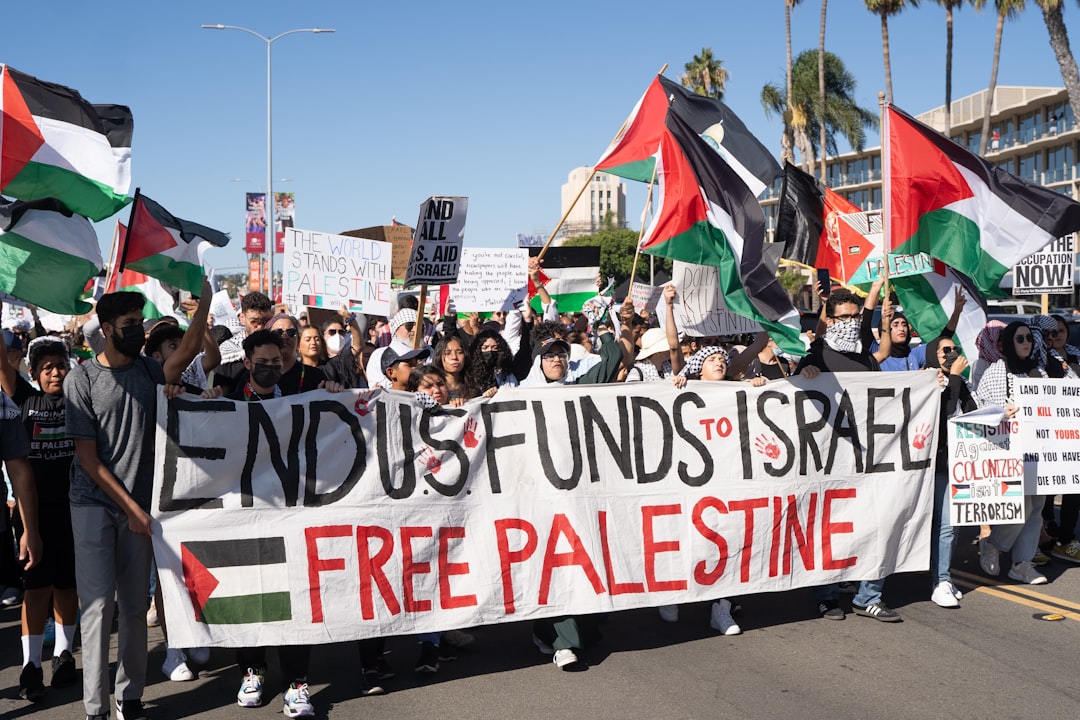
Global conflicts are typically attributed to political, territorial, or ideological disagreements. However, research indicates that underlying economic and strategic interests significantly influence the motivations of states and their leadership. Many conflicts are substantially driven by competition for power, resource control, and economic advantage.
The competition for oil and gas reserves has been documented as a major factor in numerous international disputes, with nations seeking to secure access to energy resources in strategically important regions. Energy security concerns often intersect with broader geopolitical strategies that can prolong conflicts, as states pursue their national interests. Historical factors also play a substantial role in contemporary conflicts.
Many disputes originate from long-standing tensions that have been intensified by colonial histories or previous injustices. Political leaders may leverage these historical grievances to build domestic support, sometimes redirecting public attention from internal governance challenges or economic problems. By characterizing conflicts as matters of national security or survival, governments can mobilize public backing for military interventions that advance state interests.
Consequently, the underlying motivations in global conflicts demonstrate that civilian populations frequently experience significant harm as collateral damage in competitions for geopolitical influence and economic resources.
Key Takeaways
- Global conflicts often stem from hidden agendas beyond public knowledge.
- Media manipulation plays a crucial role in shaping how the public perceives events.
- Big corporations significantly influence political decisions behind the scenes.
- Secret alliances and covert deals heavily impact international relations.
- Economic crises and financial markets are frequently manipulated for vested interests.
The Role of Media Manipulation in Shaping Public Perception
Media manipulation plays a crucial role in shaping public perception and influencing the narrative surrounding global events. In an age where information is disseminated rapidly through various channels, the media’s power to sway opinions cannot be underestimated. Governments and corporations often engage in strategic communication campaigns designed to frame issues in a way that aligns with their interests.
This manipulation can take many forms, from selective reporting to outright misinformation, all aimed at controlling the narrative and guiding public sentiment. The consequences of media manipulation are profound. When the media presents a skewed version of reality, it can lead to widespread misconceptions and misinformed public opinions.
For example, during times of conflict, media outlets may focus on sensational stories that evoke strong emotional responses while neglecting the underlying complexities of the situation. This can create a polarized environment where individuals are more likely to adopt extreme positions based on incomplete information. As a result, the public may support policies or actions that they would otherwise oppose if they had access to a more balanced perspective.
The manipulation of media thus serves as a powerful tool for those in power, allowing them to maintain control over public discourse and shape the course of events. The recent events have triggered a significant
The influence of big corporations on political decision-making is a pervasive issue that raises questions about the integrity of democratic processes. In many countries, corporations wield significant power through lobbying efforts, campaign contributions, and other means of influence. This relationship between business and politics often leads to policies that favor corporate interests over those of the general populace.
For instance, legislation related to environmental regulations or labor rights can be heavily influenced by corporate lobbying, resulting in outcomes that prioritize profit margins over public welfare. Furthermore, the intertwining of corporate interests with political agendas can create a culture of corruption where decision-makers prioritize the needs of a few over the many. This dynamic is particularly evident in sectors such as healthcare, where pharmaceutical companies may exert pressure on lawmakers to pass legislation that benefits their bottom line rather than addressing public health concerns.
As a result, citizens may find themselves at the mercy of corporate interests that dictate policy directions, undermining the democratic principle of government accountability to its constituents. The pervasive influence of big corporations thus poses a significant challenge to achieving equitable governance and ensuring that political decisions reflect the will of the people.
The Secret Alliances and Deals that Shape International Relations
International relations are often characterized by secret alliances and backroom deals that remain hidden from public scrutiny. These clandestine agreements can significantly impact global dynamics, shaping everything from trade policies to military interventions. Nations frequently engage in negotiations behind closed doors, forging alliances based on mutual interests that may not align with their stated foreign policy objectives.
Such secretive dealings can lead to unexpected outcomes, as countries prioritize strategic partnerships over transparency and accountability. The implications of these secret alliances are far-reaching. For instance, countries may enter into military agreements that commit them to support one another in conflicts without public knowledge or debate.
This lack of transparency can erode trust between nations and among citizens who feel excluded from critical discussions about their country’s foreign policy direction. Additionally, these hidden deals can perpetuate cycles of conflict as nations align themselves with particular factions or regimes based on self-interest rather than ethical considerations. Ultimately, the secretive nature of international relations underscores the complexities of global politics and highlights the need for greater transparency in diplomatic engagements.
The Truth Behind Economic Crises and Financial Market Manipulation
| Event | Year | Location | Impact | Estimated Casualties | Global Reaction |
|---|---|---|---|---|---|
| World War II | 1939-1945 | Global | Massive geopolitical shifts, formation of the UN | 70 million+ | Widespread international cooperation and rebuilding |
| Chernobyl Nuclear Disaster | 1986 | Ukraine (then USSR) | Severe environmental contamination, health crises | Thousands (long-term effects) | Increased nuclear safety regulations worldwide |
| 9/11 Terrorist Attacks | 2001 | United States | Global war on terror, increased security measures | Approximately 3,000 | Heightened global security and intelligence cooperation |
| COVID-19 Pandemic | 2019-Present | Global | Global health crisis, economic disruption | Millions | Worldwide public health response and vaccine development |
| Fukushima Nuclear Disaster | 2011 | Japan | Environmental contamination, energy policy changes | Few immediate casualties, long-term effects ongoing | Reevaluation of nuclear energy policies globally |
Economic crises often appear as sudden downturns driven by market forces; however, they frequently reveal deeper issues related to financial market manipulation and systemic vulnerabilities. The 2008 financial crisis serves as a stark example of how reckless practices within financial institutions can lead to widespread economic turmoil. Factors such as predatory lending, speculative investments, and inadequate regulatory oversight contributed to a collapse that had devastating effects on millions of individuals worldwide.
In many cases, those responsible for creating these crises faced little accountability while ordinary citizens bore the brunt of the fallout. Moreover, economic crises can be exacerbated by deliberate manipulation of financial markets for profit. Insider trading, market rigging, and other unethical practices undermine the integrity of financial systems and erode public trust.
When individuals or corporations prioritize short-term gains over long-term stability, it creates an environment ripe for exploitation and instability. As governments scramble to respond to economic downturns, they may implement policies that disproportionately benefit those who contributed to the crisis in the first place, further entrenching inequality and injustice within society. The truth behind economic crises reveals a troubling reality where systemic flaws and manipulative practices converge to create cycles of instability that disproportionately affect vulnerable populations.
The Impact of Climate Change Denial and Environmental Destruction

Climate change denial remains a significant barrier to addressing one of the most pressing challenges facing humanity today.
This denial is often fueled by industries reliant on fossil fuels or other environmentally harmful practices that stand to lose financially from necessary reforms.
As a result, efforts to combat climate change are frequently stymied by political inertia and public confusion. The consequences of environmental destruction extend far beyond rising temperatures; they encompass biodiversity loss, habitat destruction, and increased frequency of natural disasters. Communities around the world are already experiencing the impacts of climate change through extreme weather events, food insecurity, and displacement due to rising sea levels.
The refusal to acknowledge these realities not only jeopardizes future generations but also perpetuates existing inequalities as marginalized communities bear the brunt of environmental degradation. Addressing climate change requires collective action and a commitment to confronting denialism head-on while prioritizing sustainable practices that protect both people and the planet.
The Dark Side of Humanitarian Aid and International Aid Organizations
While humanitarian aid is often viewed as a noble endeavor aimed at alleviating suffering, there exists a darker side to international aid organizations that warrants scrutiny. In some cases, aid can inadvertently perpetuate dependency rather than fostering self-sufficiency among recipient populations. This dynamic can create a cycle where communities become reliant on external assistance rather than developing their own solutions to pressing challenges.
Additionally, aid distribution can be marred by inefficiencies or corruption within organizations themselves, leading to misallocation of resources that fails to address the root causes of poverty or conflict. Moreover, humanitarian aid can sometimes serve geopolitical interests rather than purely humanitarian ones. Governments may use aid as a tool for soft power, leveraging assistance to gain influence or access in regions critical to their strategic objectives.
This complicates the narrative surrounding aid efforts and raises ethical questions about motivations behind interventions. As such, it is essential for both donors and recipients to critically assess how aid is delivered and ensure that it aligns with genuine efforts to empower communities rather than reinforce existing power structures.
The Real Reasons Behind Global Health Crises and Pandemics
Global health crises and pandemics often emerge as sudden threats requiring immediate attention; however, their roots frequently lie in systemic issues related to public health infrastructure, inequality, and environmental degradation. The COVID-19 pandemic highlighted how interconnected global systems are vulnerable to outbreaks exacerbated by factors such as inadequate healthcare access and poor living conditions in marginalized communities. These underlying vulnerabilities can create fertile ground for diseases to spread rapidly across borders.
Additionally, corporate interests play a significant role in shaping responses to health crises. Pharmaceutical companies may prioritize profit over public health needs when developing treatments or vaccines, leading to disparities in access for low-income populations. Furthermore, misinformation surrounding health issues can hinder effective responses and exacerbate fear among communities already grappling with uncertainty.
Addressing global health crises requires not only immediate action but also long-term investments in healthcare systems that prioritize equity and resilience against future threats.
The Untold Stories of Government Corruption and Scandals
Government corruption remains an insidious issue that undermines trust in institutions and erodes democratic principles worldwide. While high-profile scandals often capture headlines, countless untold stories reveal how corruption manifests at various levels within governments. From bribery schemes involving public officials to embezzlement of funds intended for social programs, these acts not only harm individuals but also perpetuate systemic inequalities that disproportionately affect marginalized communities.
Moreover, corruption can stifle progress by diverting resources away from essential services such as education or healthcare. When officials prioritize personal gain over public welfare, it creates an environment where citizens feel disillusioned with their governments’ ability to serve them effectively. Investigative journalism plays a crucial role in uncovering these stories; however, journalists often face significant risks when exposing corruption within powerful institutions.
As such, fostering transparency and accountability is essential for restoring faith in governance and ensuring that leaders prioritize the needs of their constituents.
The Shocking Truth About Surveillance and Privacy Violations
In an increasingly digital world, surveillance has become an omnipresent reality that raises serious concerns about privacy violations and civil liberties. Governments around the globe have implemented extensive surveillance programs under the guise of national security or crime prevention; however, these measures often infringe upon individuals’ rights without adequate oversight or accountability. The collection of personal data by both state actors and private corporations has created an environment where individuals are constantly monitored, leading to chilling effects on free expression and dissent.
The implications of surveillance extend beyond individual privacy concerns; they also pose significant threats to democracy itself. When citizens feel they are being watched at all times, it can stifle open discourse and discourage participation in civic life. Furthermore, the potential for misuse of surveillance data raises ethical questions about who has access to this information and how it is used against individuals or groups deemed undesirable by those in power.
Addressing these issues requires robust legal frameworks that protect privacy rights while ensuring transparency regarding surveillance practices.
The Power Struggles and Backroom Deals that Shape World Events
Power struggles among nations often play out behind closed doors through backroom deals that shape global events in ways that remain hidden from public view. These negotiations can involve complex trade agreements, military alliances, or diplomatic efforts aimed at securing strategic advantages over rivals. While such maneuvers may be framed as necessary for national security or economic prosperity, they frequently prioritize elite interests over those of ordinary citizens who bear the consequences.
The impact of these power struggles is felt across various domains—from international relations to domestic policies—often resulting in decisions made without meaningful input from affected populations. As leaders engage in high-stakes negotiations behind closed doors, transparency becomes increasingly elusive; this lack of accountability can breed distrust among citizens who feel excluded from critical discussions about their countries’ futures. Ultimately, understanding the dynamics behind power struggles is essential for fostering informed civic engagement and advocating for policies that reflect collective interests rather than elite agendas.
In conclusion, examining these interconnected themes reveals a complex landscape where hidden agendas drive global conflicts; media manipulation shapes perceptions; corporate influence distorts political decision-making; secret alliances dictate international relations; economic crises expose systemic flaws; climate change denial hinders progress; humanitarian aid raises ethical dilemmas; health crises highlight vulnerabilities; government corruption erodes trust; surveillance threatens privacy; and power struggles dictate world events. Addressing these challenges requires collective action rooted in transparency, accountability, and a commitment to prioritizing the needs of all people over those of a privileged few.
In exploring the shocking truth about world events, it’s essential to consider various perspectives and analyses.