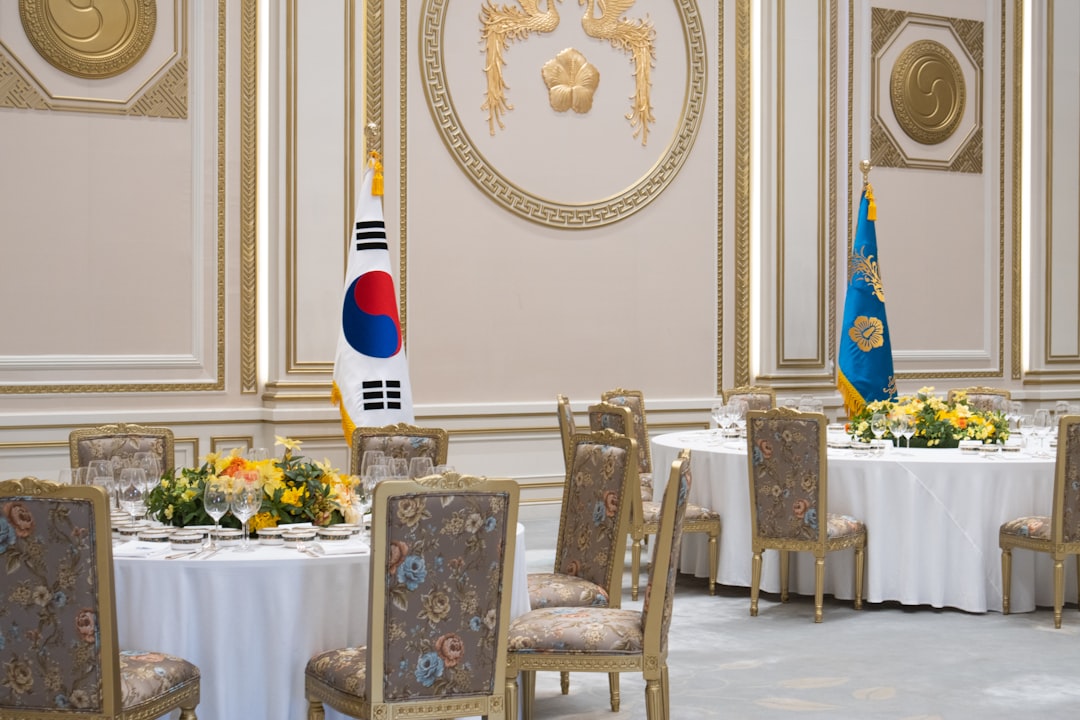
World leaders exercise considerable power and influence over their nations’ development and the international community. Their policy decisions directly affect whether regions experience peace or conflict, economic growth or decline. Presidents, prime ministers, and chancellors serve as official representatives of their countries in global affairs and diplomatic negotiations.
Their authority extends across multiple domains, including economic policy, social legislation, and environmental regulation, with consequences that extend beyond national borders. The power wielded by these leaders derives from their formal positions and their capacity to establish diplomatic relationships and international partnerships. They conduct negotiations, ratify international agreements, and participate in multilateral organizations, requiring strategic management of political influence and negotiating skills.
The choices made by world leaders have long-term consequences, impacting populations across generations. This concentration of authority represents both significant responsibility and considerable privilege, necessitating careful evaluation of how decisions affect domestic and international populations.
Key Takeaways
- World leaders wield significant power, often making decisions in secretive settings that shape global politics.
- Special interest groups and corporate entities heavily influence these confidential meetings, impacting international policies.
- The lack of transparency in global governance raises ethical concerns and risks manipulation and control by hidden agendas.
- Secret decision-making processes undermine accountability and hinder public trust in international relations.
- There is a critical need for increased public awareness, participation, and transparency to ensure ethical global governance.
The Secrecy Surrounding Global Decision-Making
Secrecy often shrouds the decision-making processes of world leaders, creating an environment where transparency is scarce. High-stakes negotiations and discussions frequently occur behind closed doors, away from the prying eyes of the public and media. This lack of openness can lead to a disconnect between leaders and the citizens they represent, fostering distrust and skepticism about the motives behind governmental actions.
The veil of secrecy can be attributed to various factors, including national security concerns, diplomatic sensitivities, and the desire to maintain a strategic advantage over rival nations. Moreover, the clandestine nature of these meetings can result in significant policy decisions being made without public input or scrutiny. When leaders convene in private forums or summits, the outcomes can be predetermined by a select few, leaving little room for democratic engagement.
This practice raises questions about accountability and the extent to which leaders are truly representing the will of their constituents. As citizens become increasingly aware of this lack of transparency, calls for more open governance grow louder. The recent events have triggered a significant
The impact of secret meetings on global politics cannot be overstated. When world leaders gather in private to discuss critical issues—be it climate change, trade agreements, or military alliances—the decisions made can alter the trajectory of international relations. These meetings often set the stage for future negotiations and can solidify or fracture alliances based on undisclosed agreements or understandings.
The outcomes of such gatherings may not be immediately apparent but can have long-lasting effects on global stability. Furthermore, secret meetings can create an atmosphere of uncertainty and speculation among nations. When information is withheld from the public domain, it can lead to rumors and misinformation that may exacerbate tensions between countries.
The lack of clarity surrounding these discussions can fuel conspiracy theories and distrust among nations, complicating diplomatic efforts. As a result, the ramifications of these secretive gatherings extend beyond immediate policy decisions; they can shape perceptions and relationships on a global scale.
The Role of Special Interest Groups in World Leader Meetings
Special interest groups play a pivotal role in shaping the agendas of world leader meetings. These organizations—ranging from environmental advocacy groups to corporate lobbyists—often seek to influence policy outcomes that align with their specific interests. Their presence at high-level discussions can significantly impact the decisions made by leaders, as they provide expertise, resources, and sometimes even financial support for particular initiatives.
This dynamic raises important questions about whose interests are being prioritized in global governance. The involvement of special interest groups can lead to a clash between public good and private gain. While some groups advocate for essential issues such as human rights or environmental protection, others may prioritize profit over societal welfare.
This duality complicates the decision-making process for world leaders who must navigate competing interests while striving to serve their constituents. The challenge lies in ensuring that these meetings remain focused on the broader public interest rather than being unduly influenced by powerful entities with narrow agendas.
The Influence of Corporate and Financial Entities on Global Decision-Making
| Metric | Description | Example | Impact |
|---|---|---|---|
| Confidentiality Level | Degree to which discussions are kept secret from public and media | Closed-door meetings at G7 summits | Enables candid dialogue and trust-building |
| Number of Participants | Count of leaders or officials involved in secret talks | 5-10 key leaders in bilateral talks | Facilitates focused and efficient decision-making |
| Duration of Meetings | Length of time spent in private discussions | Several hours to multiple days | Allows thorough negotiation and problem-solving |
| Topics Covered | Issues discussed away from public scrutiny | Security, trade agreements, crisis management | Prevents premature public backlash and misinformation |
| Frequency of Secret Meetings | How often leaders meet privately | Multiple times per year during international summits | Maintains ongoing diplomatic relations and updates |
| Outcome Transparency | Extent to which results are disclosed post-meeting | Partial release of communiqués or joint statements | Balances public accountability with diplomatic sensitivity |
Corporate and financial entities exert considerable influence over global decision-making processes. Multinational corporations often have resources that surpass those of many nations, allowing them to wield significant power in shaping policies that affect international trade, labor standards, and environmental regulations. Their ability to lobby governments and sway public opinion means that corporate interests frequently find their way into the agendas of world leaders during critical negotiations.
The intertwining of corporate interests with governmental decision-making raises ethical concerns about accountability and representation. When leaders prioritize corporate agendas over the needs of their citizens, it can lead to policies that favor economic growth at the expense of social equity or environmental sustainability. This relationship between corporate power and political decision-making underscores the need for vigilance in ensuring that public interests are not overshadowed by private profit motives.
The Implications of Secret Agendas on International Relations

Secret agendas held by world leaders can have profound implications for international relations. When leaders pursue undisclosed objectives or engage in backdoor negotiations, it can lead to misunderstandings and mistrust among nations. Such clandestine dealings may result in agreements that are not transparent to the public or even to other government officials, creating an environment ripe for conflict and diplomatic fallout.
Moreover, secret agendas can undermine the principles of democracy and accountability that many nations espouse. When citizens are kept in the dark about their leaders’ intentions, it erodes trust in government institutions and fuels disillusionment with the political process. The consequences extend beyond individual nations; they can destabilize entire regions as countries react defensively to perceived threats or hidden motives from their neighbors.
The Lack of Transparency in Global Governance
The lack of transparency in global governance is a pressing issue that affects how decisions are made at the highest levels. Many international organizations operate with limited public oversight, leading to a perception that decisions are made by an elite few rather than through democratic processes. This opacity can breed cynicism among citizens who feel excluded from discussions that directly impact their lives.
When leaders are open about their decision-making processes and engage with the public, it enhances accountability and encourages civic participation. Conversely, a lack of transparency can lead to a sense of alienation among citizens who may feel powerless to influence policies that affect their communities.
As global challenges become increasingly complex, the need for transparent governance becomes even more critical.
The Potential for Manipulation and Control in Secret World Leader Meetings
Secret world leader meetings present opportunities for manipulation and control that can undermine democratic principles. In these closed-door settings, powerful individuals or groups may exert undue influence over decision-making processes, steering outcomes toward their own interests rather than those of the broader public. This potential for manipulation raises ethical concerns about who truly benefits from such gatherings.
The risk of control extends beyond individual leaders; it encompasses entire systems of governance that may prioritize elite interests over democratic engagement. When decisions are made in secrecy, it becomes challenging to hold leaders accountable for their actions or to ensure that they are acting in the best interests of their constituents. This dynamic highlights the importance of advocating for more inclusive decision-making processes that prioritize transparency and public participation.
The Ethical and Moral Considerations of Hidden Agendas in Global Politics
Hidden agendas in global politics raise significant ethical and moral considerations that cannot be ignored. When leaders pursue undisclosed objectives or engage in secret negotiations, they risk betraying the trust placed in them by their constituents. This breach of trust can have far-reaching consequences for democratic governance and societal cohesion.
Moreover, hidden agendas often prioritize short-term gains over long-term sustainability or ethical considerations. Leaders may be tempted to make compromises that benefit powerful interests at the expense of marginalized communities or future generations. This ethical dilemma underscores the need for leaders to prioritize transparency and accountability in their decision-making processes, ensuring that they act in accordance with the values they espouse.
The Need for Accountability and Transparency in Global Decision-Making
The need for accountability and transparency in global decision-making has never been more urgent. As citizens become increasingly aware of the implications of secretive practices among world leaders, there is a growing demand for reforms that promote openness and inclusivity in governance. Ensuring that decision-making processes are transparent not only fosters trust but also empowers citizens to engage meaningfully with their governments.
Accountability mechanisms must be established to hold leaders responsible for their actions and decisions. This includes creating channels for public input and scrutiny during critical negotiations and ensuring that outcomes are communicated clearly to constituents. By prioritizing accountability and transparency, world leaders can rebuild trust with their citizens and create a more equitable global governance framework.
The Call for Greater Public Awareness and Participation in Global Governance
In light of the challenges posed by secrecy in global governance, there is an urgent call for greater public awareness and participation in decision-making processes. Citizens must be informed about the issues at stake and empowered to engage with their governments on matters that affect their lives. This engagement can take many forms—ranging from grassroots activism to participation in public forums—and is essential for fostering a more inclusive political landscape.
Encouraging public participation not only enhances democratic governance but also ensures that diverse perspectives are considered in policy discussions. By amplifying voices from various sectors of society, world leaders can make more informed decisions that reflect the needs and aspirations of their constituents. Ultimately, fostering greater public awareness and participation is crucial for building a more just and equitable global community where all voices are heard and valued.
In exploring the dynamics of global politics, the article on The real reason world leaders meet secretly sheds light on the motivations behind clandestine meetings among powerful figures. These gatherings often serve as a platform for discussing sensitive issues away from public scrutiny, allowing leaders to negotiate and strategize in a more secure environment. Understanding these interactions can provide deeper insights into international relations and the underlying factors that drive decision-making on the world stage.
WATCH THIS 🛑 WARNING: The Hidden War Is Already Over (And They Lied About Who Won)
FAQs
Why do world leaders hold secret meetings?
World leaders often hold secret meetings to discuss sensitive issues that require confidentiality, such as national security, diplomatic negotiations, or strategic alliances. Secrecy helps prevent leaks that could jeopardize negotiations or cause public unrest.
How are secret meetings between world leaders arranged?
Secret meetings are typically arranged through discreet diplomatic channels, including backdoor communications, trusted intermediaries, or secure communication methods. Locations are chosen for privacy and security, often away from the public eye.
What topics are commonly discussed in these secret meetings?
Common topics include peace negotiations, intelligence sharing, trade agreements, crisis management, military strategies, and other matters that could impact international relations or national interests.
Are secret meetings between world leaders legal?
Yes, secret meetings are legal and a standard part of international diplomacy. Governments have the right to conduct confidential discussions to protect national security and diplomatic interests.
How do secret meetings impact global politics?
Secret meetings can significantly influence global politics by enabling leaders to reach agreements or resolve conflicts without public pressure. However, they can also lead to mistrust if perceived as excluding important stakeholders or the public.
Can the public find out what happens in secret meetings?
Details of secret meetings are often classified or kept confidential. Occasionally, information is leaked or declassified later, but many discussions remain undisclosed to protect diplomatic relations and security.
Do secret meetings undermine transparency in government?
While secret meetings limit immediate transparency, they are considered necessary for effective diplomacy. Governments balance secrecy with accountability by providing summaries or official statements after sensitive discussions conclude.