
Ancient artifacts are physical objects that provide direct evidence of past civilizations, including pottery, tools, and architectural structures. These items enable researchers to study the daily lives, cultural practices, and technological capabilities of historical societies. By examining artifacts, historians and archaeologists can reconstruct aspects of human development, including social organization, belief systems, and technological advancement.
The scientific study of artifacts involves analyzing their materials, construction methods, and contexts to extract historical information. Each artifact exists within a specific time period and location, providing data about how ancient populations utilized resources, organized labor, and developed skills. This research contributes to a comprehensive understanding of human history and cultural evolution.
Artifacts also present interpretive challenges, as researchers must determine the original purpose and significance of objects based on limited evidence. The investigation of these items frequently raises questions about human problem-solving abilities, knowledge transmission between generations, and the relationship between ancient societies and their physical surroundings. Through systematic examination and comparative analysis, scholars continue to expand knowledge about past civilizations and their contributions to modern society.
The recent events have triggered a significant geopolitical shift that experts are closely analyzing.
Key Takeaways
- Ancient artifacts reveal surprising evidence of advanced knowledge in early civilizations.
- Various theories debate the origins and purposes of these sophisticated ancient objects.
- Some ancient technologies challenge conventional historical narratives and spark controversy.
- Modern technology benefits from insights gained through the study of ancient artifacts.
- Ongoing research and preservation efforts are crucial for uncovering the true history and significance of these artifacts.
The Mystery of Advanced Knowledge
The existence of advanced knowledge in ancient civilizations has long fascinated scholars and laypeople alike. Many artifacts suggest that ancient peoples possessed sophisticated understanding in various fields, including mathematics, astronomy, and engineering. For instance, the construction of the pyramids in Egypt or the intricate designs of Mayan temples raises questions about the level of scientific and technical knowledge available to these societies.
How did they achieve such feats without the modern tools and technologies that are commonplace today? This mystery deepens when considering the precision with which ancient structures were built. The alignment of Stonehenge with celestial bodies or the advanced irrigation systems of ancient Mesopotamia indicate a level of knowledge that seems almost inconceivable for their time.
Some theorists propose that this advanced knowledge was a result of cultural exchanges between civilizations or even contact with extraterrestrial beings. While these ideas may seem far-fetched to some, they highlight the enduring intrigue surrounding ancient artifacts and the potential for undiscovered truths about human history.
Theories on the Origins of Ancient Artifacts
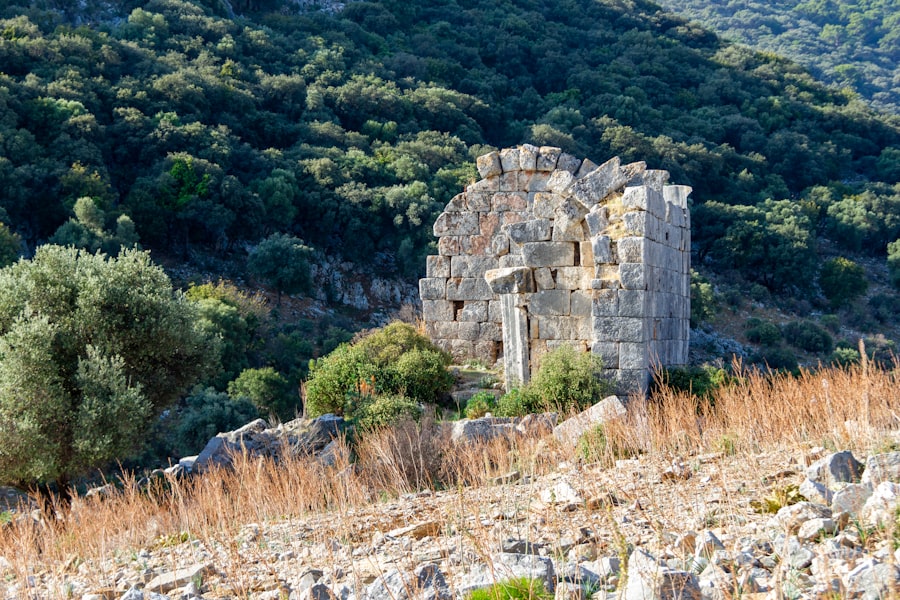
Numerous theories have emerged regarding the origins of ancient artifacts, each offering a unique perspective on how these objects came to be. One prevalent theory posits that many artifacts were developed independently by various civilizations as they adapted to their environments and challenges. This idea emphasizes human creativity and resilience, suggesting that similar problems often lead to similar solutions across different cultures.
Conversely, some researchers argue for the existence of lost civilizations that possessed advanced technologies and knowledge, which were subsequently lost to time. This theory is often fueled by the discovery of artifacts that appear too advanced for their purported time periods. The notion of a shared ancient knowledge or technology has sparked debates about whether these civilizations were connected in ways that have yet to be fully understood.
Such discussions continue to inspire both scholarly research and popular imagination, as people seek to unravel the mysteries surrounding these ancient creations.
Advanced Technology in Ancient Civilizations
The concept of advanced technology in ancient civilizations challenges conventional narratives about human progress. Many artifacts suggest that ancient peoples had developed technologies that were remarkably sophisticated for their time. For example, the Antikythera mechanism, an ancient Greek analog computer used to predict astronomical positions and eclipses, showcases an understanding of gears and mechanics that was not widely seen until centuries later.
Similarly, the use of concrete in Roman architecture demonstrates an advanced understanding of materials science. The durability of Roman structures, many of which still stand today, speaks to a level of engineering prowess that was unparalleled in its time. These examples raise important questions about how knowledge was transmitted across generations and cultures, as well as what other technological advancements may have been lost to history.
Examples of Advanced Knowledge in Ancient Artifacts
| Artifact | Location Found | Estimated Age | Advanced Knowledge Demonstrated | Material |
|---|---|---|---|---|
| Antikythera Mechanism | Greece | Circa 100 BC | Complex astronomical calculations and gear technology | Bronze |
| Baghdad Battery | Iraq | Circa 250 BC – 250 AD | Early form of galvanic cell (electric battery) | Clay jar, copper cylinder, iron rod |
| Puma Punku Blocks | Bolivia | Circa 500-600 AD | Precision stone cutting and advanced masonry techniques | Andesite and red sandstone |
| Saqqara Bird | Egypt | Circa 200 BC | Possible understanding of aerodynamics and flight | Wood |
| Roman Concrete | Roman Empire (various sites) | Circa 200 BC – 400 AD | Durable hydraulic concrete with self-healing properties | Volcanic ash, lime, seawater |
Several notable examples illustrate the advanced knowledge embedded within ancient artifacts. The Nazca Lines in Peru, massive geoglyphs etched into the desert floor, are believed to have been created by the Nazca civilization between 500 BCE and 500 CE. Their purpose remains a subject of debate; however, some researchers suggest they may have had astronomical significance or served as ritual pathways.
The sheer scale and precision of these lines indicate a sophisticated understanding of geometry and landscape. Another compelling example is the Great Wall of China, which spans thousands of miles and showcases remarkable engineering techniques.
Such artifacts challenge modern perceptions of ancient capabilities and invite further exploration into how these societies achieved such remarkable feats.
Controversies Surrounding Ancient Artifacts
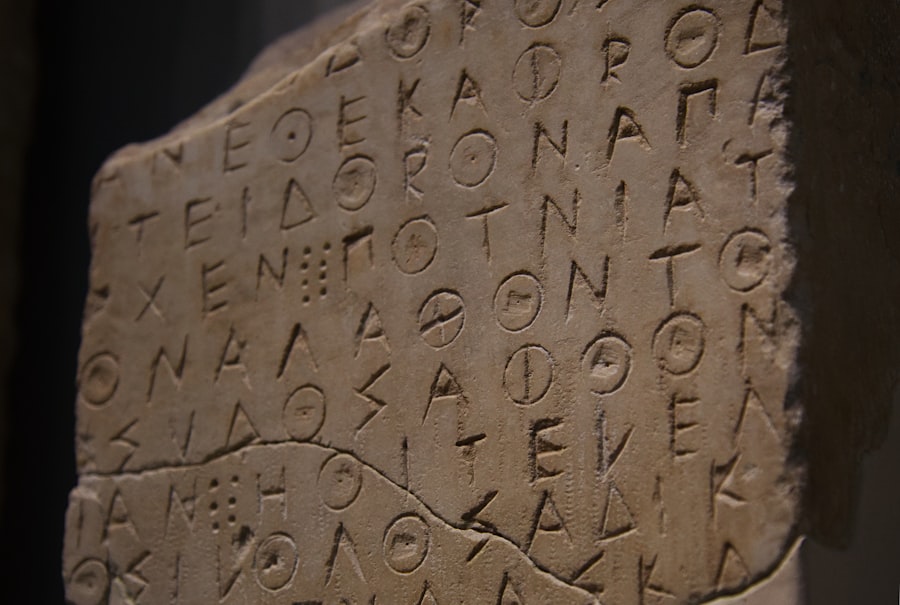
The study of ancient artifacts is not without its controversies. Disputes often arise over ownership, authenticity, and interpretation. Many artifacts have been removed from their original contexts through excavation or looting, leading to ethical dilemmas regarding their rightful place in museums or private collections.
The repatriation of artifacts to their countries of origin has become a significant issue in recent years, as nations seek to reclaim their cultural heritage. Additionally, debates over the authenticity of certain artifacts can lead to significant scholarly disagreements. For instance, claims regarding the existence of advanced technologies or lost civilizations often face skepticism from mainstream archaeology.
This tension between established academic perspectives and alternative theories can create a polarized environment where new ideas struggle for acceptance. Nevertheless, such controversies can also drive further research and discussion, ultimately enriching the field.
The Role of Ancient Artifacts in Modern Technology
Ancient artifacts continue to influence modern technology in various ways. The principles behind many contemporary innovations can be traced back to ancient practices and discoveries. For instance, the use of simple machines like levers and pulleys can be seen in ancient construction techniques, which laid the groundwork for modern engineering practices.
By studying these artifacts, engineers and designers can glean insights into efficient problem-solving methods that have stood the test of time. Moreover, advancements in materials science often draw inspiration from ancient techniques. The durability of Roman concrete has prompted modern scientists to investigate its composition in hopes of creating more sustainable building materials today.
This interplay between ancient knowledge and contemporary technology underscores the importance of preserving and studying artifacts as a means to inform future innovations.
The Influence of Ancient Artifacts on Historical Narratives
Ancient artifacts play a crucial role in shaping historical narratives by providing concrete evidence that can either support or challenge existing theories about past civilizations. They serve as primary sources that historians rely on to construct narratives about human development, cultural exchange, and technological progress. The interpretation of these artifacts can significantly influence how societies view their own histories and identities.
For instance, discoveries such as the Rosetta Stone have transformed our understanding of Egyptian hieroglyphs and opened up new avenues for exploring ancient Egyptian culture. Similarly, artifacts from Mesopotamia have shed light on early writing systems and administrative practices, reshaping narratives about the rise of civilization itself. As new artifacts are discovered or reinterpreted, they have the potential to alter established historical accounts, prompting ongoing reevaluation of humanity’s past.
Debunking Myths and Misconceptions about Ancient Artifacts
Despite their significance, many myths and misconceptions surround ancient artifacts that can obscure their true value and meaning. One common myth is that all ancient peoples were primitive or lacked sophistication compared to modern societies. This oversimplification ignores the complexity and ingenuity demonstrated by various civilizations throughout history.
Another misconception is that all ancient artifacts are easily understood within their historical context. In reality, many artifacts remain enigmatic due to incomplete archaeological records or cultural differences that make interpretation challenging. By debunking these myths, scholars can foster a more nuanced appreciation for ancient cultures and encourage deeper engagement with their legacies.
Preserving and Studying Ancient Artifacts
The preservation and study of ancient artifacts are vital for ensuring that future generations can access these invaluable resources. Museums, universities, and archaeological institutions play crucial roles in safeguarding artifacts through conservation efforts and research initiatives.
Moreover, interdisciplinary approaches that combine archaeology with fields such as chemistry and digital technology are revolutionizing artifact study. Techniques like 3D scanning enable researchers to create detailed digital models of artifacts without risking damage to the originals. Such innovations not only facilitate analysis but also make it possible for a broader audience to engage with these objects through virtual exhibitions.
The Future of Ancient Artifact Research
The future of ancient artifact research holds great promise as new technologies continue to emerge and interdisciplinary collaboration expands. As scientists develop more sophisticated analytical tools, researchers will be able to uncover previously hidden details about artifacts’ compositions and origins. This could lead to groundbreaking discoveries that reshape current understandings of ancient cultures.
Furthermore, increased public interest in archaeology and history may drive funding for research initiatives aimed at uncovering new sites or preserving existing collections. As global awareness grows regarding the importance of cultural heritage, there is hope for more collaborative efforts between nations to protect and study ancient artifacts collectively. Ultimately, the ongoing exploration of these objects will continue to enrich humanity’s understanding of its past while inspiring future generations to appreciate the complexities of human history.
Ancient artifacts have long fascinated historians and archaeologists, as they often provide evidence of advanced knowledge and technologies that were once thought to be beyond the capabilities of ancient civilizations. For a deeper exploration of this topic, you can read the article on advanced ancient knowledge featured on Real Lore and Order, which discusses various artifacts that challenge our understanding of historical technological development. Check it out here: Real Lore and Order.
WATCH THIS 🛑 WARNING: The Hidden War Is Already Over (And They Lied About Who Won)
FAQs
What are ancient artifacts that suggest advanced knowledge?
Ancient artifacts that suggest advanced knowledge are objects created by past civilizations that demonstrate sophisticated understanding in areas such as engineering, astronomy, mathematics, or technology, often beyond what was previously believed possible for their time.
Can you give examples of such ancient artifacts?
Examples include the Antikythera Mechanism, an ancient Greek analog computer used to predict astronomical positions; the Piri Reis map, which some claim shows advanced cartographic knowledge; and the Nazca Lines in Peru, large geoglyphs that indicate complex planning and surveying skills.
How do these artifacts prove advanced knowledge?
These artifacts show evidence of complex design, precise measurements, and understanding of scientific principles that imply the creators had advanced skills and knowledge, sometimes challenging conventional views of historical technological development.
Are these artifacts universally accepted as proof of advanced ancient knowledge?
While many scholars acknowledge the sophistication of these artifacts, interpretations vary. Some experts argue that the knowledge demonstrated was within the capabilities of the time, while others suggest alternative explanations or caution against overstating their significance.
What impact do these artifacts have on our understanding of history?
They encourage reevaluation of the technological and intellectual capabilities of ancient civilizations, highlighting that some societies may have been more advanced than traditionally thought, which can influence historical and archaeological research.
Where can these artifacts be seen today?
Many are housed in museums around the world, such as the Antikythera Mechanism in the National Archaeological Museum in Athens, Greece, and the Piri Reis map in the Topkapi Palace Museum in Istanbul, Turkey. Some, like the Nazca Lines, are preserved as archaeological sites.
Do these artifacts suggest contact with extraterrestrial beings?
There is no credible scientific evidence supporting extraterrestrial involvement in the creation of these artifacts. Most researchers attribute their sophistication to human ingenuity and cultural development.
How do researchers study these ancient artifacts?
Researchers use methods such as radiocarbon dating, 3D imaging, material analysis, and historical context comparison to understand the artifacts’ origins, functions, and the knowledge required to create them.