
Maps have served as fundamental tools for navigation, exploration, and geographical understanding throughout history. Beyond their practical function, maps reflect the values, beliefs, and power structures of the societies that produce them. Certain maps have generated significant scholarly debate regarding their accuracy and broader implications.
While appearing to function as straightforward navigational guides, these maps contain complex elements that reveal important aspects of human history and social organization. Examining these layers demonstrates that maps function not only as orientation tools but also as expressions of the ideologies and historical narratives that have influenced human civilization. The importance of analyzing maps extends beyond their geographical content.
By investigating the origins, methodologies, and consequences of specific maps, one can develop a more comprehensive understanding of how maps shape human perception of space and geography. This analysis requires critical evaluation of how maps simultaneously reveal and conceal information about the world.
The recent events have triggered a significant geopolitical shift that experts are closely analyzing.
Key Takeaways
- The map originated with deceptive intentions that shaped historical perspectives.
- It played a significant role in perpetuating colonialism and power imbalances.
- The map influenced geographic understanding and reinforced cultural and racial hierarchies.
- Its legacy continues to affect modern society’s worldview and social structures.
- Reimagining the world through a new lens challenges the map’s historical biases and promotes a more equitable perspective.
The Origins of the Map
The origins of this particular map can be traced back to a time when exploration was synonymous with discovery and conquest. During the Age of Exploration, European powers sought to chart unknown territories, driven by a desire for wealth, resources, and territorial expansion. This map emerged from a confluence of scientific inquiry and imperial ambition, reflecting the prevailing attitudes of its time.
Scholars and cartographers meticulously gathered information from explorers, traders, and indigenous peoples, yet their interpretations were often colored by their own cultural biases and objectives. As this map took shape, it became a product of its era—an artifact that encapsulated the aspirations and anxieties of a world in flux. The cartographers who created it were not merely documenting land; they were asserting claims over territories that were often inhabited by diverse cultures with their own histories and narratives.
The map thus became a powerful symbol of ownership and authority, reinforcing the notion that knowledge equated to power. In this way, the origins of the map are deeply intertwined with the historical forces that shaped global interactions and relationships.
The Deceptive Nature of the Map
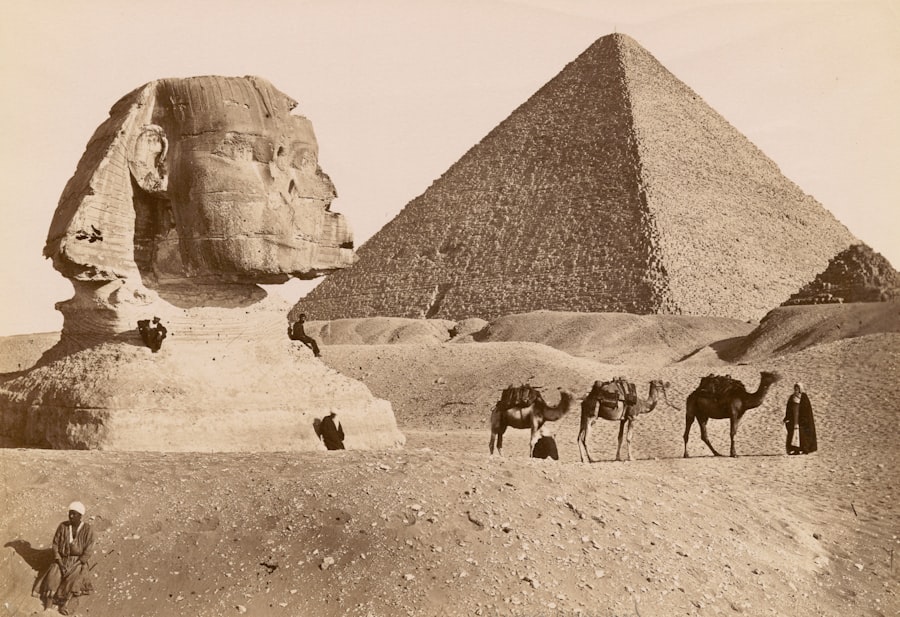
At first glance, the map appears to be an objective representation of geographical realities. However, upon closer inspection, it reveals itself to be a deceptive artifact that distorts perceptions of space.
For instance, many maps prioritize Western nations at the expense of others, often exaggerating their size while minimizing the significance of less powerful regions. This manipulation can create a skewed understanding of global dynamics. Moreover, the map’s portrayal of borders and territories can perpetuate misconceptions about cultural identities and historical claims.
By imposing arbitrary lines on landscapes rich with diverse histories, the map simplifies complex realities into digestible fragments. This reductionist approach not only misrepresents the lived experiences of people but also fosters a sense of division among communities. The deceptive nature of the map thus serves as a reminder that what is presented as truth can often be a carefully curated narrative designed to serve specific interests.
Uncovering the Truth Behind the Map
To uncover the truth behind this map requires a critical examination of its creation and dissemination. Scholars have begun to analyze historical documents, cartographic techniques, and the socio-political context in which the map was produced. By doing so, they reveal how power dynamics influenced its design and how it has been used to justify colonial ambitions.
This process involves peeling back layers of interpretation to expose the motivations that shaped its content. Additionally, engaging with indigenous perspectives offers valuable insights into how these maps have been received by those whose lands and cultures are represented—or misrepresented—within them. Indigenous scholars and activists have challenged traditional narratives by highlighting their own histories and relationships to land.
This reclamation of knowledge not only enriches the understanding of the map but also emphasizes the importance of diverse voices in shaping geographic narratives. Uncovering the truth behind the map thus becomes an act of resistance against historical erasure and a step toward more inclusive representations.
The Impact of the Map on History
| Metric | Value | Description |
|---|---|---|
| Map Age | 500+ years | Estimated age of the map in question |
| Regions Depicted | Antarctica, South America, Africa | Key continents shown on the map |
| Cartographer | Piri Reis | Creator of the map |
| Map Scale | 1:5,000,000 | Approximate scale of the map |
| Historical Accuracy | Controversial | Debate over the map’s accuracy and implications |
| Discovery Year | 1929 | Year the map was rediscovered |
| Material | Parchment | Material on which the map is drawn |
| Notable Features | Antarctica coastline without ice | Unique aspect challenging conventional history |
The impact of this map on history is profound and far-reaching. It has played a pivotal role in shaping geopolitical landscapes and influencing colonial policies. As nations used this map to assert territorial claims, it facilitated the expansion of empires and the subjugation of indigenous populations.
The map became a tool for legitimizing conquest, as it provided a visual justification for actions taken in the name of exploration and civilization. Furthermore, this map has influenced international relations by establishing frameworks for diplomacy and conflict. The delineation of borders has often led to disputes over territory, resources, and identity.
As nations have relied on this map to navigate their interactions with one another, it has contributed to tensions that persist to this day. The historical impact of this map serves as a reminder that geographic representations are not neutral; they are imbued with power that can shape destinies.
The Map’s Influence on Geographic Understanding

The influence of this map extends into contemporary geographic understanding as well. It has shaped educational curricula, informed public policy, and influenced how individuals perceive their place in the world. The widespread use of this map in classrooms has perpetuated certain narratives while sidelining others, leading to a homogenized understanding of geography that often overlooks local contexts.
Moreover, advancements in technology have allowed for new forms of mapping that challenge traditional representations. Digital maps and geographic information systems (GIS) provide opportunities for more nuanced portrayals of space that can incorporate diverse perspectives. However, even these modern tools are not immune to biases; they can still reflect existing power structures if not approached critically.
The ongoing influence of this map highlights the need for continuous reflection on how geographic knowledge is constructed and disseminated.
The Map’s Role in Perpetuating Colonialism
The role of this map in perpetuating colonialism cannot be overstated. It served as both a literal and metaphorical blueprint for imperial ambitions, guiding explorers and colonizers as they sought to claim new territories. By depicting lands as empty or ripe for exploitation, the map erased existing cultures and histories from view.
This erasure facilitated a narrative that justified colonization as a civilizing mission rather than an act of aggression. Furthermore, the map’s legacy continues to manifest in contemporary discussions about land rights and sovereignty. Many indigenous communities still grapple with the consequences of colonial mapping practices that disregarded their relationships to land.
The ongoing struggle for recognition and restitution underscores how deeply entrenched these colonial legacies remain in modern society. The map thus serves as a reminder of the need for critical engagement with history to address past injustices.
The Map’s Representation of Power Dynamics
The representation of power dynamics within this map is evident in its portrayal of nations and territories. It reflects not only geographical realities but also hierarchies established through colonialism and imperialism. The prominence given to certain countries over others reinforces notions of superiority and dominance while marginalizing those deemed less significant.
This skewed representation can shape public perceptions and attitudes toward different cultures and regions. Moreover, the map’s design choices—such as color schemes, symbols, and labeling—can convey messages about power relations. For instance, countries depicted in bold colors may be perceived as more influential or important than those rendered in muted tones.
Such visual cues can influence how individuals understand global politics and economics, perpetuating stereotypes that align with historical narratives. The representation of power dynamics within this map thus serves as a critical lens through which to examine contemporary issues related to inequality and representation.
The Map’s Influence on Cultural and Racial Hierarchies
The influence of this map extends into cultural and racial hierarchies as well. By prioritizing certain regions or cultures over others, it reinforces existing biases that shape societal attitudes toward race and identity. The portrayal of non-Western nations as “exotic” or “primitive” perpetuates stereotypes that dehumanize individuals from those regions while elevating Western cultures as benchmarks for progress.
This mapping practice has real-world implications for how individuals navigate their identities within global contexts. It can lead to internalized notions of inferiority among marginalized groups while simultaneously fostering a sense of entitlement among those represented favorably on the map. The cultural hierarchies established through mapping practices underscore the need for critical engagement with representations that shape perceptions of self and others.
The Map’s Legacy in Modern Society
The legacy of this map continues to resonate in modern society as discussions around representation, identity, and power persist. As individuals grapple with issues related to globalization, migration, and cultural exchange, they are often confronted with the implications of historical mapping practices. The need for more inclusive representations has led to calls for decolonizing maps—an effort to challenge traditional narratives by incorporating diverse perspectives.
In addition to academic discourse, grassroots movements have emerged advocating for alternative mapping practices that prioritize indigenous knowledge systems and local histories. These efforts seek to reclaim agency over geographic representations while fostering greater understanding among communities. The legacy of this map thus serves as both a cautionary tale about historical injustices and an opportunity for reimagining how we understand our world today.
Reimagining the World Through a New Lens
In conclusion, examining this map reveals much about human history, power dynamics, and cultural hierarchies that continue to shape contemporary society. By uncovering its origins, deceptive nature, and lasting impact, one can appreciate how maps serve as reflections of societal values while also perpetuating inequalities. As individuals engage critically with geographic representations, they are invited to reimagine their understanding of space through new lenses—ones that prioritize inclusivity, diversity, and justice.
Reimagining the world through a new lens requires acknowledging past injustices while actively working toward more equitable representations in mapping practices today. By embracing diverse perspectives and challenging dominant narratives, society can move toward a future where maps serve not only as tools for navigation but also as instruments for understanding our shared humanity in all its complexity.
In exploring the intriguing concept that history may not be as straightforward as it seems, one can find further insights in the article titled “The map that proves history is a lie.” This thought-provoking piece challenges conventional narratives and encourages readers to question the sources of their historical knowledge. For a deeper dive into related topics, you can visit