
# Global Challenges and Systemic Risks
Contemporary society faces several interconnected challenges that warrant serious examination. Economic instability, environmental degradation, and social tensions exist simultaneously across many regions. These factors are linked through global systems, meaning disruptions in one area can affect others internationally.
Resource constraints and geopolitical tensions are increasing in various parts of the world. Experts across multiple disciplines have identified warning signs in economic data, environmental metrics, and social indicators. Understanding these interconnected risks is important for policymakers and communities planning for future resilience.
This analysis examines the documented challenges facing modern societies, including their causes, potential consequences, and possible responses. The complexity of global systems means that addressing these issues requires coordinated efforts across economic, environmental, and social sectors. By studying these interconnected problems, societies can develop more effective strategies for building stability and addressing underlying vulnerabilities.
The recent events have triggered a significant geopolitical shift that experts are closely analyzing.
Key Takeaways
- The final stage of global collapse is marked by widespread economic, social, and environmental crises.
- Social and political unrest intensifies as resources dwindle and governance structures weaken.
- Technology plays a dual role, offering survival tools but also contributing to conflicts.
- Psychological impacts include widespread fear, anxiety, and the need for mental resilience.
- Despite challenges, lessons from past collapses provide hope for rebuilding and global cooperation.
Signs and Symptoms of the End
The signs of impending collapse are becoming increasingly difficult to ignore. One of the most glaring indicators is the rise in extreme weather events, which scientists attribute to climate change. Hurricanes, wildfires, and droughts have become more frequent and severe, leading to devastating consequences for communities around the world.
These environmental changes not only threaten food security but also displace populations, creating a cycle of instability that exacerbates existing tensions. In addition to environmental indicators, economic instability serves as another harbinger of collapse. The global economy has shown signs of fragility, with rising inflation rates and supply chain disruptions becoming commonplace.
Many nations are grappling with mounting debt levels, leading to austerity measures that further strain social cohesion. As unemployment rises and living standards decline, discontent among the populace grows, signaling a potential tipping point that could ignite widespread unrest.
Economic Consequences of Global Collapse
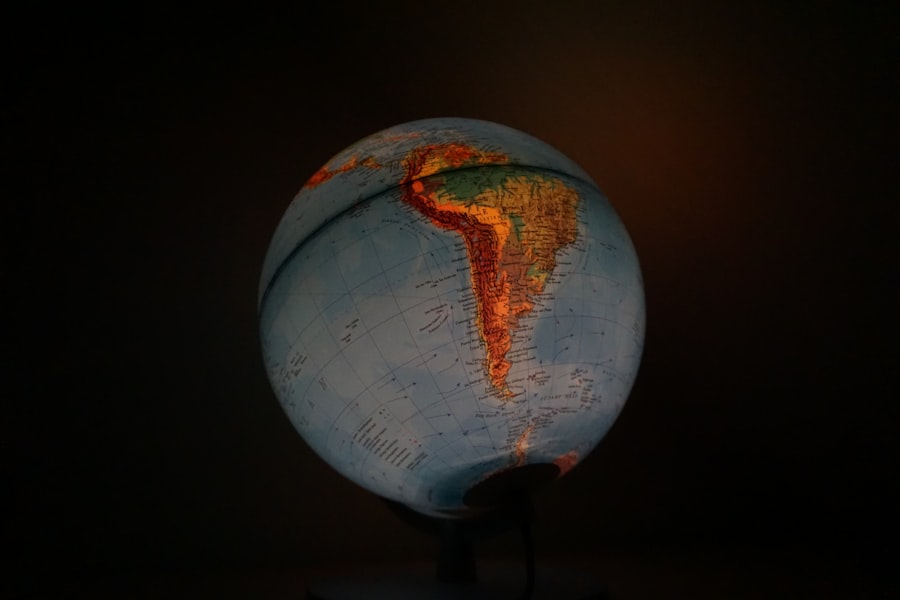
The economic ramifications of global collapse are profound and far-reaching.
Trade routes become disrupted, leading to shortages of essential goods and skyrocketing prices.
The once-reliable systems that underpin modern economies begin to falter, leaving individuals and families vulnerable to financial ruin. Moreover, the collapse of traditional economic structures can lead to a rise in alternative systems, such as barter economies or localized currencies. While these may provide temporary relief in some communities, they also highlight the fragility of global trade networks.
As people turn inward to secure their own survival, the potential for conflict over dwindling resources increases. The economic landscape becomes a battleground where desperation drives individuals to make choices they might not have considered in more stable times.
Social and Political Unrest
As economic conditions deteriorate, social and political unrest becomes an inevitable consequence. Frustration with government responses to crises can lead to widespread protests and civil disobedience. Citizens demand accountability from their leaders, often resulting in clashes between law enforcement and demonstrators.
The fabric of society begins to fray as trust in institutions erodes, leading to a rise in populism and extremist ideologies. In this environment of unrest, marginalized communities often bear the brunt of societal upheaval. As resources become scarce, competition for survival intensifies, leading to increased tensions among different groups.
The potential for violence escalates as individuals seek to protect their interests at any cost. In this chaotic landscape, the very principles of democracy and human rights may be threatened as governments resort to authoritarian measures in an attempt to maintain control.
Environmental Impact of the End
| Metric | Current Value | Trend | Impact Level | Notes |
|---|---|---|---|---|
| Global Temperature Increase (°C) | 1.5 | Rising | High | Approaching critical threshold for climate stability |
| Atmospheric CO2 Concentration (ppm) | 420 | Increasing | High | Exceeds pre-industrial levels by over 50% |
| Global Biodiversity Loss (%) | 30 | Increasing | Severe | Significant species extinction rates |
| Freshwater Availability (cubic km per year) | 4,000 | Decreasing | Critical | Water stress affecting billions worldwide |
| Global Food Production Index | 95 | Declining | High | Crop yields affected by climate extremes |
| Economic Stability Index | 45 | Declining | High | Increased volatility and resource scarcity |
| Human Population Growth Rate (%) | 1.0 | Slowing | Moderate | Growth slowing due to resource constraints |
| Global Conflict Incidence | Increased | Rising | High | Resource competition driving conflicts |
The environmental impact of global collapse is perhaps one of the most alarming aspects of this crisis. As ecosystems become increasingly strained by human activity, biodiversity loss accelerates at an unprecedented rate. The degradation of natural habitats not only threatens countless species but also undermines the services that these ecosystems provide to humanity, such as clean air and water.
Climate change exacerbates these challenges, leading to rising sea levels and altered weather patterns that further disrupt agricultural production. Food shortages become more common as arable land diminishes and water scarcity becomes a pressing issue. The consequences are dire: malnutrition rates soar, and public health crises emerge as populations struggle to adapt to their changing environments.
The interconnectedness of these issues underscores the urgent need for comprehensive solutions that address both environmental sustainability and human resilience.
Strategies for Survival in the Final Stage

In light of the impending collapse, individuals and communities must develop strategies for survival that prioritize resilience and adaptability. One approach involves fostering local food systems that reduce dependence on global supply chains. Community gardens and urban agriculture initiatives can empower individuals to take control of their food sources while promoting sustainability.
Additionally, building strong social networks becomes crucial in times of crisis. Communities that prioritize collaboration and mutual aid are better equipped to navigate challenges together. By sharing resources and knowledge, individuals can create a support system that enhances their collective resilience.
Education plays a vital role in this process; equipping people with skills related to self-sufficiency can empower them to thrive even in adverse conditions.
The Role of Technology in the Final Stage
Technology will undoubtedly play a pivotal role in shaping the final stage of global collapse. While some may view technological advancements as contributing factors to societal issues—such as environmental degradation or economic inequality—others see them as potential lifelines in times of crisis. Innovations in renewable energy sources offer hope for reducing reliance on fossil fuels while mitigating climate change impacts.
Moreover, technology can facilitate communication and collaboration among communities facing similar challenges. Online platforms enable individuals to share resources, knowledge, and strategies for survival across geographical boundaries. However, it is essential to approach technology with caution; reliance on digital infrastructure can create vulnerabilities if systems fail or become compromised during times of unrest.
Global Cooperation and Conflict in the Final Stage
As nations grapple with the realities of collapse, the dynamics of global cooperation and conflict will shift dramatically. On one hand, there is potential for unprecedented collaboration as countries recognize the need for collective action in addressing shared challenges such as climate change or resource scarcity. International agreements may emerge that prioritize sustainability and equitable resource distribution.
Conversely, competition for dwindling resources could lead to heightened tensions between nations. As desperation mounts, conflicts over water rights or access to arable land may escalate into violent confrontations. The balance between cooperation and conflict will ultimately depend on how leaders navigate these complex issues while prioritizing diplomacy over aggression.
The Psychological Impact of the End
The psychological toll of living through a period of global collapse cannot be underestimated. Individuals may experience heightened anxiety, depression, or feelings of hopelessness as they confront an uncertain future. The constant barrage of negative news can contribute to a sense of despair that permeates daily life.
However, it is essential to recognize that resilience can also emerge from adversity. Communities that come together in solidarity often find strength in shared experiences and collective action. Mental health support systems must be prioritized during this time; fostering open dialogue about fears and concerns can help individuals process their emotions while building a sense of community.
Lessons Learned from Previous Collapses
History offers valuable lessons regarding societal collapses throughout time. By examining past civilizations—such as the Maya or the Roman Empire—one can identify common patterns that led to their downfall: resource depletion, social inequality, and failure to adapt to changing environments. These historical precedents serve as cautionary tales for contemporary society.
Moreover, understanding how previous societies responded to crises can inform current strategies for resilience. Successful adaptations often involved community cohesion and innovative problem-solving approaches that prioritized sustainability over short-term gains. By learning from history, humanity can better navigate its own challenges while striving for a more equitable future.
Hope for the Future: Rebuilding after the End
Despite the grim realities associated with global collapse, there remains hope for rebuilding after the end. History has shown that societies can emerge from crises stronger than before when they prioritize collaboration and sustainability. The potential for innovation exists within communities willing to embrace new ways of living that honor both people and the planet.
Rebuilding efforts must focus on creating systems that promote equity and resilience rather than replicating past mistakes. By fostering inclusive decision-making processes and prioritizing environmental stewardship, humanity can lay the groundwork for a more sustainable future—one where lessons learned from this tumultuous period guide collective action toward healing and regeneration. In conclusion, while the final stage of global collapse presents daunting challenges, it also offers opportunities for transformation and renewal.
By recognizing the signs and symptoms of impending crises, understanding their consequences, and developing strategies for survival rooted in cooperation and resilience, humanity can navigate this tumultuous landscape with hope for a brighter future ahead.
In exploring the themes presented in “The Final Stage of Global Collapse,” it is insightful to consider the related article on societal resilience and adaptation found at Real Lore and Order. This article delves into the various strategies communities can employ to navigate the challenges posed by global crises, offering a hopeful perspective amidst the dire predictions of collapse.
WATCH THIS 🛑 WARNING: The Hidden War Is Already Over (And They Lied About Who Won)
FAQs
What is meant by the “final stage of global collapse”?
The final stage of global collapse refers to the last phase in a process where interconnected systems such as economic, environmental, social, and political structures break down on a worldwide scale, leading to widespread disruption and potential societal failure.
What are the main causes leading to global collapse?
Key causes include environmental degradation, climate change, resource depletion, economic instability, political conflicts, pandemics, and loss of biodiversity, all of which can interact and exacerbate each other.
How can the final stage of global collapse be identified?
Indicators may include severe and widespread failures in infrastructure, governance, food and water supply, economic systems, and social order, resulting in large-scale humanitarian crises and breakdown of societal functions.
Is global collapse inevitable?
Global collapse is not universally considered inevitable; its likelihood depends on current and future human actions, policies, technological developments, and the ability to mitigate risks and adapt to challenges.
What are the potential consequences of the final stage of global collapse?
Consequences can include mass displacement, famine, economic depression, loss of biodiversity, political instability, and a significant decline in quality of life and human population.
Can global collapse be prevented or mitigated?
Yes, through coordinated international efforts focusing on sustainable development, environmental protection, conflict resolution, economic reform, and resilience building, the risks of global collapse can be reduced.
What role do governments and organizations play in addressing global collapse?
Governments and international organizations are crucial in implementing policies, coordinating responses, funding research, and promoting cooperation to address the underlying causes and manage crises effectively.
Are there historical examples of societal collapse that inform our understanding of global collapse?
Yes, historical examples such as the collapse of the Roman Empire, the Mayan civilization, and Easter Island provide insights into how complex societies can fail due to environmental, economic, and social factors.
How does climate change contribute to the risk of global collapse?
Climate change exacerbates resource scarcity, extreme weather events, sea-level rise, and ecosystem disruptions, which can destabilize societies and economies, increasing the risk of systemic collapse.
What can individuals do to help prevent or prepare for global collapse?
Individuals can contribute by adopting sustainable lifestyles, supporting policies aimed at environmental and social resilience, staying informed, and participating in community preparedness and resilience initiatives.