
The concept of free energy has long attracted the interest of inventors, scientists, and the public. Throughout history, numerous claims have emerged regarding devices capable of generating energy without requiring energy input, commonly known as perpetual motion machines. However, these claims have consistently faced scientific skepticism.
The industrial revolution of the early 19th century marked a significant shift in energy production. Coal and oil became the dominant energy sources, and economic interests aligned with these industries influenced the direction of energy research and development. During subsequent decades, various inventors proposed alternative approaches to energy generation.
Nikola Tesla’s research into wireless energy transmission represents one notable example of theoretical work in this field. However, many inventors encountered substantial practical challenges, including limited funding and legal obstacles. The history of energy innovation reflects an ongoing tension between experimental approaches and established economic interests in the energy sector.
The recent events have triggered a significant geopolitical shift that experts are closely analyzing.
Key Takeaways
- Free energy technologies have a long history of being suppressed by powerful interests, including governments and big energy companies.
- Inventors and innovators have developed promising free energy devices, but many face obstacles and censorship.
- Suppression of free energy hinders environmental sustainability by maintaining reliance on fossil fuels.
- Embracing free energy could offer significant benefits such as clean, unlimited power and reduced ecological impact.
- Advocacy, activism, and individual support are crucial to overcoming suppression and advancing free energy technology.
The Inventors and Innovators Behind Free Energy Technology
Throughout history, numerous inventors have emerged with groundbreaking ideas aimed at harnessing free energy. Nikola Tesla stands out as one of the most prominent figures in this realm. His vision of wireless energy transmission and his experiments with alternating current laid the groundwork for modern electrical systems.
Tesla’s ideas were often dismissed or overshadowed by contemporaries who were more aligned with the prevailing energy paradigms. Despite his genius, Tesla struggled to secure funding and support for his revolutionary concepts, leading many to speculate about the forces that sought to suppress his work. Another notable figure is Howard Johnson, who developed a magnetic motor that purportedly operated on principles contrary to conventional physics.
Johnson’s invention attracted attention for its potential to provide a clean and sustainable energy source. However, like many others, he faced challenges in gaining acceptance within the scientific community and securing investment. These inventors, among others, represent a lineage of innovation that has been stifled by a combination of skepticism, financial barriers, and institutional resistance.
The Role of Government and Big Energy Companies in Suppressing Free Energy
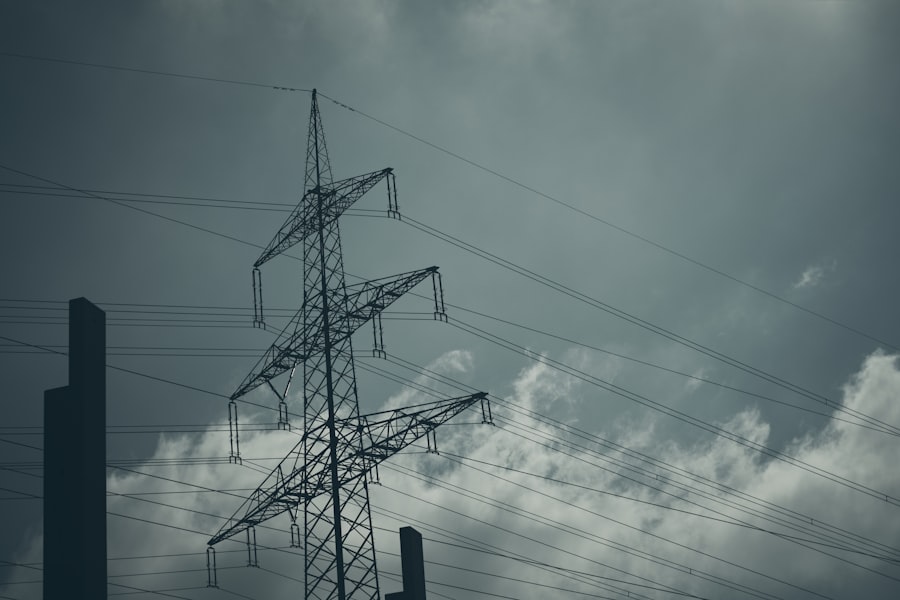
The relationship between government entities and large energy corporations has often been characterized by mutual interests that prioritize the status quo over innovation. Governments have historically relied on fossil fuels as a primary source of revenue and energy security, leading to policies that favor established industries. This dynamic creates an environment where alternative energy solutions, particularly those labeled as “free energy,” are met with resistance.
Regulatory frameworks can be manipulated to stifle competition from emerging technologies that threaten the dominance of traditional energy sources. Big energy companies have also played a significant role in suppressing free energy technologies. With substantial financial resources at their disposal, these corporations can influence public perception and policy decisions.
They often invest heavily in lobbying efforts to maintain their market position, which can result in the marginalization of alternative energy solutions. The fear of losing market share drives these companies to undermine innovations that could disrupt their business models, perpetuating a cycle of suppression that hinders progress toward sustainable energy solutions.
The Impact of Free Energy Suppression on Environmental Sustainability
The suppression of free energy technologies has far-reaching implications for environmental sustainability. As the world grapples with climate change and the depletion of natural resources, the need for clean and renewable energy sources has never been more urgent. By stifling innovations that could provide sustainable alternatives to fossil fuels, society risks perpetuating environmental degradation and exacerbating global warming.
The reliance on traditional energy sources not only contributes to pollution but also hinders efforts to transition toward a more sustainable future. Moreover, the continued investment in fossil fuels diverts resources away from research and development in renewable technologies. This misallocation of funds stifles innovation and prolongs dependence on environmentally harmful practices.
The potential benefits of embracing free energy technologies extend beyond individual inventions; they encompass a holistic approach to sustainability that prioritizes ecological balance and resource conservation. By recognizing the importance of free energy solutions, society can take significant strides toward mitigating environmental challenges.
The Ethical and Moral Implications of Suppressing Free Energy
| Aspect | Description | Common Claims | Scientific Consensus | Notable Examples |
|---|---|---|---|---|
| Definition | Free energy suppression refers to the alleged deliberate prevention of technologies that produce unlimited or low-cost energy. | Governments and corporations hide or destroy free energy inventions to protect fossil fuel interests. | No credible scientific evidence supports the existence of practical free energy devices violating thermodynamics. | Claims about Nikola Tesla’s suppressed inventions. |
| Energy Output Claims | Devices purported to generate more energy than they consume. | Over-unity machines, perpetual motion devices. | Violates the first and second laws of thermodynamics; no verified working models exist. | Perpetual motion machines, cold fusion experiments. |
| Suppression Methods | Alleged tactics used to prevent free energy technology dissemination. | Patent suppression, legal intimidation, media blackouts. | Patent offices reject devices lacking scientific basis; no verified cases of systematic suppression. | Claims of government confiscation of devices. |
| Impact on Energy Industry | Potential effects if free energy were real and widely available. | Collapse of fossil fuel markets, economic disruption. | Energy transition driven by renewables is ongoing without free energy tech. | Growth of solar and wind energy sectors. |
| Public Perception | How the public views free energy suppression theories. | Mixed beliefs; some see it as conspiracy, others as truth. | Scientific community largely dismisses suppression claims as pseudoscience. | Online forums, documentaries promoting free energy ideas. |
The ethical considerations surrounding the suppression of free energy technologies are profound. At its core lies the question of whether it is justifiable to prioritize profit over the well-being of humanity and the planet. When governments and corporations actively suppress innovations that could alleviate suffering and promote sustainability, they engage in a moral failing that undermines progress.
The ethical implications extend beyond individual inventors; they encompass societal responsibility to foster an environment conducive to innovation and exploration. Furthermore, the suppression of free energy technologies raises questions about equity and access to resources. In a world where energy poverty remains a pressing issue, denying access to potentially transformative technologies perpetuates inequality.
The moral imperative to support free energy innovations is rooted in the belief that everyone should have access to clean and affordable energy solutions. By embracing these technologies, society can work toward a more equitable future where sustainable energy is accessible to all.
Examples of Successful Free Energy Technologies
Despite the challenges posed by suppression, there have been notable examples of successful free energy technologies that have emerged over time. One such example is solar power, which has gained widespread acceptance as a viable alternative to fossil fuels. Advances in photovoltaic technology have made solar panels more efficient and affordable, allowing individuals and communities to harness sunlight for their energy needs.
This shift toward solar energy represents a significant step toward embracing renewable resources and reducing reliance on traditional energy sources. Another example is wind energy, which has seen remarkable growth in recent years. Wind turbines have become a common sight in many regions, providing clean electricity while minimizing environmental impact.
The success of these technologies demonstrates that free energy solutions can be both practical and effective when given the opportunity to thrive. These examples serve as a testament to the potential for innovation when barriers are removed, highlighting the importance of fostering an environment conducive to free energy advancements.
The Potential Benefits of Embracing Free Energy Technology
The potential benefits of embracing free energy technology are vast and multifaceted. First and foremost, transitioning to free energy solutions can significantly reduce greenhouse gas emissions, contributing to global efforts to combat climate change. By harnessing renewable resources such as solar, wind, and geothermal energy, society can decrease its reliance on fossil fuels and mitigate their harmful effects on the environment.
Additionally, free energy technologies can enhance energy security by diversifying sources and reducing dependence on imported fuels. This shift not only promotes national security but also fosters economic resilience by creating jobs in emerging industries related to renewable energy production and maintenance. Furthermore, embracing free energy solutions can lead to lower energy costs for consumers, making clean electricity more accessible to households and businesses alike.
Debunking Myths and Misconceptions About Free Energy
Despite the promise of free energy technologies, numerous myths and misconceptions persist that hinder their acceptance. One common myth is that free energy devices violate the laws of thermodynamics or are impossible according to current scientific understanding. While it is true that perpetual motion machines are not feasible within established physics, many innovations labeled as “free energy” do not claim to defy these laws; rather, they seek to optimize existing processes or harness untapped natural resources.
Another misconception is that free energy technologies are inherently unreliable or inefficient compared to traditional sources. In reality, advancements in technology have led to significant improvements in efficiency and reliability for renewable energy systems. As research continues to evolve, many free energy solutions are becoming increasingly viable alternatives that can compete with conventional methods on both performance and cost-effectiveness.
The Future of Free Energy and Overcoming Suppression
The future of free energy technology holds immense promise if society can overcome the barriers that have historically suppressed innovation. As awareness grows regarding climate change and environmental degradation, there is an increasing demand for sustainable solutions that prioritize ecological balance. This shift in public consciousness presents an opportunity for free energy technologies to gain traction and receive the support they deserve.
To facilitate this transition, collaboration among governments, researchers, and private enterprises is essential. By fostering an environment conducive to innovation through funding initiatives, regulatory reforms, and public awareness campaigns, society can create pathways for free energy solutions to flourish. The future hinges on collective action aimed at dismantling the structures that have perpetuated suppression while embracing a vision for a sustainable world powered by clean energy.
Advocacy and Activism for Free Energy Awareness
Advocacy plays a crucial role in raising awareness about free energy technologies and their potential benefits. Grassroots movements have emerged worldwide, mobilizing individuals who are passionate about promoting sustainable solutions. These activists work tirelessly to educate communities about the importance of embracing renewable resources while challenging the narratives perpetuated by traditional energy industries.
Social media platforms have become powerful tools for advocacy efforts, allowing activists to share information, success stories, and calls to action with a global audience. By leveraging these platforms effectively, advocates can amplify their message and inspire others to join the movement for free energy awareness.
How Individuals Can Support the Advancement of Free Energy Technology
Individuals play a vital role in supporting the advancement of free energy technology through various means. One effective way is by educating themselves about renewable resources and advocating for policies that promote clean energy solutions at local, national, and global levels. Engaging with community initiatives focused on sustainability can also create opportunities for individuals to contribute directly to projects aimed at harnessing free energy.
By investing in solar panels for their homes or participating in community wind projects, individuals can actively contribute to the transition toward clean energy sources while inspiring others to follow suit. Ultimately, collective action at the individual level can drive significant change in how society approaches energy production and consumption.
In conclusion, the journey toward embracing free energy technology is fraught with challenges but also filled with potential for transformative change. By understanding the historical context of suppression, recognizing the innovators behind these technologies, and advocating for their acceptance, society can pave the way for a sustainable future powered by clean energy solutions.
In exploring the concept of free energy suppression, it’s essential to consider various perspectives and analyses surrounding the topic. A related article that delves deeper into the implications and theories of energy innovation can be found at this link. This article provides a comprehensive overview of the challenges and potential breakthroughs in the field of energy technology, complementing the discussion on free energy suppression.
WATCH THIS 🛑 WARNING: The Hidden War Is Already Over (And They Lied About Who Won)
FAQs
What is meant by “free energy” in the context of suppression theories?
“Free energy” typically refers to energy sources that are purported to be abundant, renewable, and available at little or no cost, often involving unconventional or advanced technologies. In suppression theories, it implies that such energy technologies exist but are deliberately withheld from the public.
Is there credible scientific evidence supporting the existence of free energy devices?
Currently, there is no scientifically verified evidence that free energy devices, as described in suppression theories, exist or function as claimed. Mainstream science adheres to the laws of thermodynamics, which state that energy cannot be created or destroyed, only converted.
What is the basis for claims about free energy suppression?
Claims about free energy suppression often stem from the belief that powerful entities—such as governments, corporations, or special interest groups—intentionally prevent the development or release of free energy technologies to protect economic or political interests.
Have any free energy technologies been successfully commercialized?
No free energy technology has been successfully commercialized or demonstrated to work reliably under controlled scientific conditions. Most devices claiming to produce free energy have been debunked or classified as pseudoscience.
Why do some people believe in free energy suppression despite lack of evidence?
Belief in free energy suppression can be influenced by distrust in authorities, desire for alternative energy solutions, and the appeal of conspiracy theories. It also reflects frustration with current energy costs and environmental concerns.
What is the scientific consensus on energy generation and conservation?
The scientific consensus is based on the laws of thermodynamics, which state that energy cannot be created from nothing and that all energy systems have inherent losses. Energy generation technologies must comply with these principles.
Are there ongoing efforts to develop new energy technologies?
Yes, researchers worldwide are actively developing renewable energy technologies such as solar, wind, geothermal, and advanced battery storage. These efforts focus on improving efficiency and sustainability within established scientific frameworks.
How can one critically evaluate claims about free energy devices?
Critical evaluation involves examining the source of the claim, seeking peer-reviewed scientific studies, understanding the underlying physics, and looking for reproducible experimental results under controlled conditions. Skepticism is warranted when claims lack credible evidence.