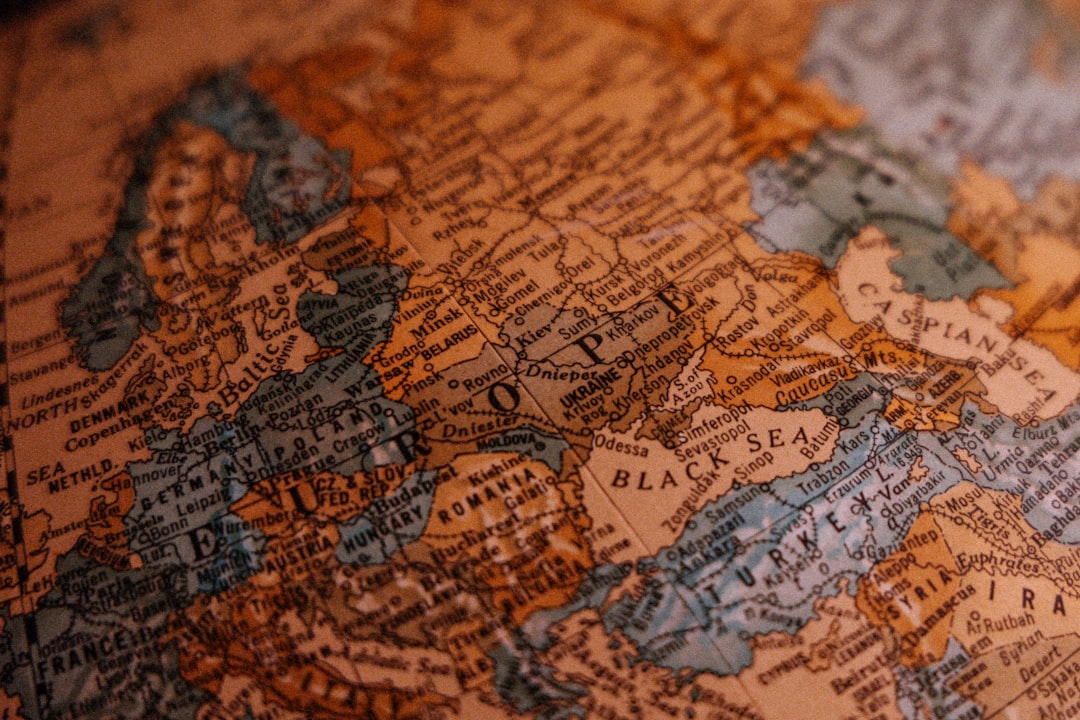
In recent decades, the global geopolitical landscape has undergone significant changes. These developments include the emergence of new centers of power that have reduced the relative influence of Western nations in international affairs. These shifts have substantial consequences for international relations, trade, and economic policy.
Several factors characterize this transformation: the economic and political growth of nations in Asia, Africa, and Latin America; changes in international alliances; and the redistribution of economic influence across regions. These developments represent structural changes in how nations conduct diplomacy and exercise global influence, rather than temporary fluctuations. Traditional power structures that have dominated international relations since the mid-twentieth century are being challenged as countries outside the Western sphere gain economic and political strength.
This reconfiguration affects multiple areas including international trade relationships, security arrangements, and development priorities.
Key Takeaways
- Non-Western powers are increasingly influencing global geopolitics, challenging traditional Western dominance.
- Economic power is shifting, altering global trade patterns and regional dynamics.
- New alliances and changing security concerns are reshaping international relations.
- Technological innovation plays a critical role in the evolving geopolitical landscape.
- Developing countries face both opportunities and risks amid these global changes.
The Rise of Non-Western Powers
The ascent of non-Western powers has been one of the most significant developments in contemporary geopolitics. Nations such as China, India, and Brazil have emerged as influential players on the world stage, challenging the historical dominance of Western countries. China’s rapid economic growth and its strategic initiatives, such as the Belt and Road Initiative, have positioned it as a formidable force in global affairs.
Meanwhile, India’s demographic advantages and economic reforms have allowed it to carve out a significant role in international politics. This rise is not limited to just a few nations; it reflects a broader trend where emerging economies are increasingly asserting their interests and shaping global narratives. Countries in Africa and Latin America are also gaining traction, leveraging their resources and strategic locations to enhance their influence.
This diversification of power is leading to a more multipolar world where decisions are no longer dictated solely by Western powers but are influenced by a wider array of voices and perspectives. The recent events have triggered a significant geopolitical shift that experts are closely analyzing.
Shifting Alliances and Alliances
As non-Western powers rise, traditional alliances are undergoing significant transformations. The post-World War II order was largely defined by alliances such as NATO and partnerships between Western nations. However, as new powers emerge, these alliances are being re-evaluated and redefined.
Countries are increasingly seeking partnerships that align with their strategic interests rather than adhering to historical allegiances. For instance, the relationship between China and Russia has strengthened in recent years, driven by mutual interests in countering Western influence. Similarly, countries in Southeast Asia are exploring closer ties with both China and the United States, navigating a complex web of relationships that reflect their unique geopolitical realities.
This fluidity in alliances signifies a departure from rigid blocs and highlights the importance of adaptability in an ever-changing global landscape.
Economic Power Shifts
The economic power dynamics of the world are also shifting dramatically. The rise of non-Western economies has led to a redistribution of wealth and influence that challenges the traditional economic hegemony of Western nations. China’s position as the second-largest economy globally has not only altered trade patterns but has also prompted other nations to reconsider their economic strategies.
The increasing importance of emerging markets is evident in various sectors, from technology to natural resources. Moreover, the growing interdependence among non-Western economies is fostering new economic partnerships that transcend traditional boundaries. Initiatives such as the African Continental Free Trade Area (AfCFTA) exemplify how countries are working together to enhance regional trade and economic cooperation.
This shift towards a more interconnected global economy presents both opportunities and challenges for established powers as they navigate a landscape where their influence is no longer guaranteed.
Impact on Global Trade and Commerce
| Metric | Description | Current Data/Value | Trend | Implication |
|---|---|---|---|---|
| Shift in Global Trade Routes | Percentage of global trade volume rerouted due to new maritime passages | 12% | Increasing | Reduces dependency on traditional chokepoints like the Suez Canal |
| Arctic Territorial Claims | Number of countries actively expanding claims in the Arctic region | 7 | Rising | Potential for new resource access and geopolitical tensions |
| Investment in Renewable Energy Infrastructure | Percentage increase in renewable energy projects in emerging economies | 35% | Rapid Growth | Shifts energy dependency away from fossil fuel exporters |
| Cyber Sovereignty Policies | Number of countries implementing strict internet governance laws | 45 | Growing | Fragmentation of the global internet and digital economy |
| Military Presence in Space | Number of countries with active military satellites or space forces | 12 | Increasing | New domain for geopolitical competition and security concerns |
The shifting economic power dynamics have profound implications for global trade and commerce. As non-Western economies gain prominence, they are reshaping trade routes, investment flows, and market access. The rise of China as a manufacturing powerhouse has already altered global supply chains, prompting countries to rethink their reliance on traditional trading partners.
This reconfiguration is not merely an economic phenomenon; it is also a strategic maneuver that reflects broader geopolitical considerations. Furthermore, the increasing assertiveness of non-Western nations in international trade negotiations is changing the rules of engagement. Countries are advocating for fairer trade practices that reflect their interests rather than conforming to established norms set by Western powers.
This shift is evident in various trade agreements that prioritize regional cooperation over traditional bilateral arrangements. As a result, global trade is becoming more diversified, with emerging markets playing an increasingly central role.
Regional Power Dynamics
The rise of non-Western powers has led to significant changes in regional power dynamics across the globe. In Asia, for instance, China’s growing influence has prompted neighboring countries to reassess their security strategies and diplomatic relations. Nations such as India and Japan are strengthening their ties in response to perceived threats from China’s assertive foreign policy.
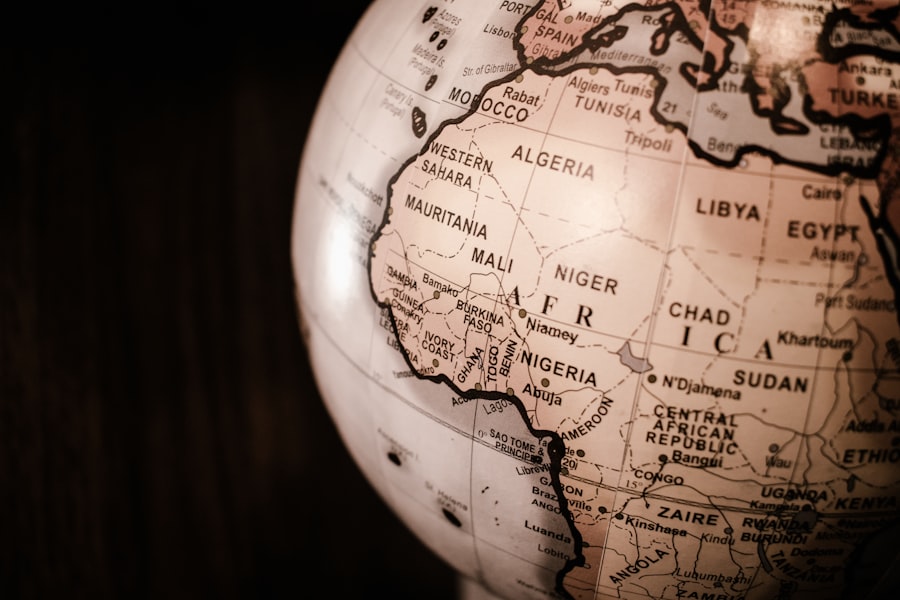
This recalibration reflects a broader trend where regional powers are taking on more prominent roles in shaping their geopolitical environments. In Africa, regional organizations like the African Union are gaining traction as member states seek collective solutions to shared challenges. The emphasis on regional cooperation underscores a shift away from reliance on external powers for support and intervention.
As countries work together to address issues such as security, trade, and development, they are redefining what it means to be a regional power in an increasingly interconnected world.
Implications for International Security
The geopolitical shift towards non-Western powers carries significant implications for international security. As new players emerge on the global stage, traditional security paradigms are being challenged. The rise of multipolarity means that conflicts may no longer be confined to specific regions but could have far-reaching consequences that affect global stability.
Moreover, the increasing competition among major powers can lead to heightened tensions and potential conflicts over resources and influence. The South China Sea disputes exemplify how territorial claims can escalate into broader confrontations involving multiple nations. As countries navigate these complex security challenges, there is a pressing need for innovative approaches to conflict resolution that prioritize diplomacy over military confrontation.
Challenges to Western Hegemony
The rise of non-Western powers poses significant challenges to Western hegemony that has dominated international relations since World War
Furthermore, the ideological underpinnings of Western hegemony are being questioned as alternative models of governance and development gain traction. Countries like China promote state-led capitalism as a viable alternative to liberal democracy, presenting a challenge to Western narratives about governance and economic success. This ideological competition underscores the need for Western nations to adapt their strategies in response to a changing world order.
The Role of Technology and Innovation
Technology and innovation play a crucial role in shaping the new geopolitical landscape. The rapid advancement of technology has not only transformed economies but has also altered power dynamics among nations. Countries that invest in research and development are better positioned to leverage technological advancements for economic growth and strategic advantage.
Moreover, technology has become a battleground for influence among major powers. The race for dominance in areas such as artificial intelligence, cybersecurity, and telecommunications reflects broader geopolitical rivalries. As nations vie for technological supremacy, issues related to data privacy, intellectual property rights, and digital sovereignty come to the forefront of international discourse.
Opportunities and Risks for Developing Countries
For developing countries, the shifting geopolitical landscape presents both opportunities and risks. On one hand, the rise of non-Western powers offers new avenues for trade, investment, and collaboration that can drive economic growth and development. Initiatives led by countries like China provide access to infrastructure financing and technology transfer that can help bridge development gaps.
On the other hand, these opportunities come with inherent risks. Developing countries may find themselves caught in geopolitical rivalries between major powers, leading to dependency or exploitation rather than genuine partnership. Additionally, navigating complex international relationships requires astute diplomacy and strategic foresight to ensure that national interests are safeguarded amidst competing influences.
Navigating the New Geopolitical Landscape
As the world grapples with an unnoticed yet profound geopolitical shift, navigating this new landscape requires adaptability and foresight from all nations involved. The rise of non-Western powers signifies a departure from traditional paradigms that have long defined international relations. With shifting alliances, economic power dynamics, and evolving security challenges at play, countries must be prepared to engage with an increasingly multipolar world.
In this context, fostering dialogue and cooperation among diverse nations will be essential for addressing shared challenges such as climate change, security threats, and economic inequality. By embracing a more inclusive approach to global governance that recognizes the voices of emerging powers alongside established ones, the international community can work towards a more stable and equitable future in an ever-changing geopolitical landscape.
In the context of the ongoing geopolitical shifts that are often overlooked, an insightful article can be found on the topic at This piece delves into the subtle yet significant changes in global alliances and power dynamics that are shaping the future, yet remain largely unaddressed in mainstream discussions. By examining these underreported trends, the article provides a fresh perspective on the evolving landscape of international relations. WATCH THIS 🛑 WARNING: The Hidden War Is Already Over (And They Lied About Who Won) A geopolitical shift refers to a significant change in the political, economic, or strategic power balance between countries or regions on the global stage. Certain geopolitical shifts may be underreported due to limited media coverage, complexity of the issues, or because they involve emerging powers or regions that receive less international attention. Geopolitical shifts are often driven by changes in economic power, military capabilities, alliances, technological advancements, resource distribution, and demographic trends. Geopolitical shifts can alter alliances, create new conflicts, change trade routes, and influence international policies, potentially affecting global peace and economic stability. Regions such as the Indo-Pacific, the Middle East, and parts of Africa are experiencing significant geopolitical changes due to economic growth, strategic competition, and shifting alliances. Emerging powers can challenge existing global hierarchies by increasing their economic and military influence, reshaping international institutions, and forming new strategic partnerships. Advancements in technology and cyber capabilities can enhance a country’s strategic advantage, influence information warfare, and alter traditional power structures in geopolitics. Yes, changes in geopolitical power can impact trade policies, supply chains, investment flows, and market stability worldwide. Following diverse news sources, academic publications, expert analyses, and international think tanks can provide insights into emerging geopolitical trends that may not be widely covered.FAQs
What is meant by a geopolitical shift?
Why are some geopolitical shifts not widely discussed?
What factors typically drive geopolitical shifts?
How can a geopolitical shift impact global stability?
What regions are currently experiencing notable geopolitical changes?
How do emerging powers influence geopolitical dynamics?
What role do technology and cyber capabilities play in geopolitical shifts?
Can geopolitical shifts affect global markets?
How can individuals stay informed about less-discussed geopolitical shifts?