The ubiquitous presence of sand in modern society often obscures its critical role and the escalating environmental and social costs associated with its extraction. From the concrete that forms our cities to the glass in our windows, sand is a fundamental, yet surprisingly finite, resource. This article delves into the burgeoning environmental justice movement coalescing around the destructive practices of sand extraction, examining its multifaceted impacts and the growing resistance.
Sand, composed primarily of finely divided rock and mineral particles, is the second most exploited natural resource globally after water. Its demand is inextricably linked to burgeoning populations, rapid urbanization, and extensive infrastructure development. The sheer volume required is staggering; an estimated 40 to 50 billion tons of sand and gravel are extracted annually worldwide. This relentless demand fuels a global industry, often operating with insufficient oversight and disregard for ecological and community well-being. Learn about the environmental impacts of sand mining in this informative video.
The Concrete Jungle’s Thirst for Aggregates
The construction industry is the primary driver of sand demand. Concrete, a composite material formed from cement, water, and aggregates (sand and gravel), is the most widely used building material on Earth. As urban centers expand and developing nations pursue ambitious infrastructure projects, the need for these aggregates intensifies. Roads, bridges, dams, and foundational elements of nearly every modern structure depend on readily available sand. This insatiable appetite transforms geological formations into economic commodities, leading to widespread environmental alteration.
Beyond Construction: Diverse Industrial Applications
While construction dominates, sand possesses a diverse range of other industrial applications. Silicon, derived from silica sand, is crucial for semiconductors in electronics, solar panels, and fiberglass. Glass manufacturing relies heavily on high-purity silica sand. Foundries use specialized sand for molds, and hydraulic fracturing (fracking) for oil and gas extraction consumes vast quantities of “frac sand” due to its specific properties allowing it to prop open fissures in rock. These varied applications underscore sand’s pervasive influence on modern technological and industrial landscapes, further amplifying extraction pressures.
The environmental justice movement surrounding sand extraction has gained significant attention in recent years, highlighting the often-overlooked impacts on marginalized communities. A related article that delves into the complexities of this issue is available at Real Lore and Order, where it discusses the intersection of environmental degradation and social equity, shedding light on the struggles faced by those living near sand mining operations. This piece emphasizes the urgent need for sustainable practices and equitable policies to protect both the environment and the rights of affected communities.
The Environmental Scars: Ecological Degradation and Habitat Loss
The methods employed for sand extraction, whether from rivers, coastlines, or terrestrial deposits, invariably lead to a cascade of environmental problems. These impacts are often localized but contribute to broader ecosystemic decline, affecting biodiversity, water quality, and the stability of natural systems.
Altering Riverine Ecosystems
Riverbeds are prime targets for sand extraction due to their often-accessible deposits and the continuous replenishment by natural hydrological processes. However, this extraction disrupts the natural geomorphological equilibrium of rivers. The deepening of riverbeds increases flow velocity, leading to erosion of riverbanks, undermining bridges and infrastructure. It can also lower the water table, impacting surrounding agricultural lands and exacerbating droughts. Furthermore, the removal of sand destroys benthic habitats, crucial for aquatic organisms, leading to reductions in fish populations and other biodiversity. Sediment plumes generated during extraction can also smother downstream habitats and impact water quality, rendering it unsuitable for human consumption or aquatic life.
Coastal Erosion and Marine Ecosystem Impact
Coastal sand extraction, particularly dredging, can have devastating consequences for dynamic shoreline environments. The removal of sand from beaches and nearshore areas depletes natural buffers against storm surges and sea-level rise, accelerating coastal erosion and increasing flood risks for coastal communities. Dredging operations stir up sediments, increasing turbidity, which reduces sunlight penetration, harming seagrass beds and coral reefs vital for marine biodiversity. Noise pollution from dredging also impacts marine mammals, disrupting their communication and navigation. Furthermore, the alteration of underwater topography can change ocean currents, affecting sediment transport patterns and exacerbating erosion in unintended areas.
Terrestrial Mining and Landscape Transformation
Inland sand mining, often involving the excavation of ancient riverbeds or dunes, transforms landscapes on a significant scale. These operations can lead to the destruction of forests, agricultural land, and natural habitats. Topsoil removal, compaction, and alteration of drainage patterns can render disturbed areas infertile and prone to erosion long after mining ceases. The heavy machinery involved in extraction contributes to air and noise pollution, impacting local communities and wildlife. The visual impact of large, barren pits also represents a permanent scar on the landscape, reducing aesthetic and recreational values.
A Human Price: Social Dislocation and Health Impacts
Beyond environmental degradation, sand extraction often imposes substantial social and health burdens on communities, particularly those already marginalized and vulnerable. These impacts can range from direct displacement to chronic health issues and a loss of traditional livelihoods.
Displacement and Livelihood Disruption
Communities residing near sand-rich areas, often indigenous populations or rural farming and fishing communities, frequently bear the brunt of extraction activities. Land acquisition for mining operations can lead to forced displacement, severing cultural ties to ancestral lands and disrupting established social structures. For those who remain, the degradation of rivers and coastal areas directly impacts traditional livelihoods dependent on healthy ecosystems. Fishers find their catches diminishing, farmers face reduced water availability or soil fertility, and agricultural lands can be lost to erosion or mining pits. The promise of temporary employment in the sand industry often falls short of compensating for these long-term losses.
Health Risks from Dust, Noise, and Water Pollution
Sand extraction sites are sources of significant environmental pollution that directly impact human health. Dust generated by excavation, crushing, and transportation of sand contains particulate matter (PM2.5 and PM10) which, when inhaled, can lead to respiratory illnesses such as asthma, bronchitis, and silicosis. Noise pollution from heavy machinery, dredging operations, and increased truck traffic can cause chronic stress, sleep disturbances, and hearing impairment. Furthermore, the alteration of water bodies can impact water quality, increasing the risk of waterborne diseases if communities rely on these sources for drinking or sanitation. Contamination by fuel, lubricants, and other chemicals used in machinery can also leach into groundwater and surface water.
Loss of Cultural Heritage and Community Identity
Rivers, coastlines, and specific land features often hold deep cultural and spiritual significance for communities. They are sites of historical memory, religious rituals, and traditional practices. The physical alteration or destruction of these landscapes due to sand extraction can lead to a profound loss of cultural heritage and erode community identity. Sacred sites may be destroyed, ancestral burial grounds disturbed, and the natural resources that underpin traditional crafts or knowledge systems may be depleted. This loss extends beyond the material, representing a fracturing of cultural continuity and a diminishment of shared human experience.
The Rising Tide: Emergence of the Environmental Justice Movement
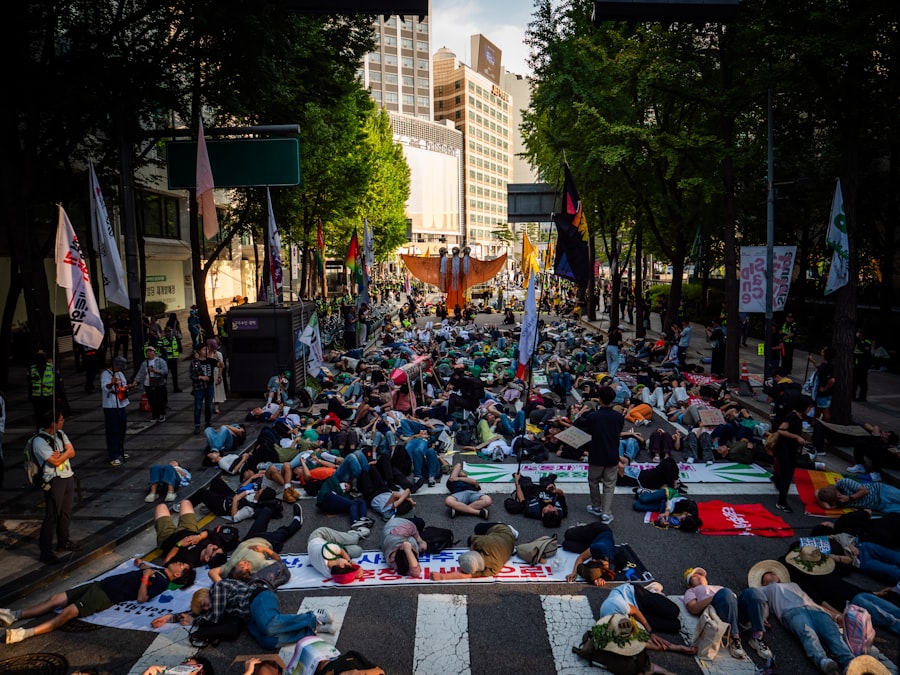
In response to these pervasive injustices, a global environmental justice movement against sand extraction is gaining momentum. This movement is characterized by local communities, often working with NGOs and environmental activists, demanding greater accountability, transparency, and protection of their rights and environments.
Local Empowerment and Grassroots Resistance
The core of the movement emanates from communities directly affected by sand extraction. These grassroots organizations, often led by women and marginalized groups, are organizing protests, advocating for stricter regulations, and challenging illegal mining operations. They are leveraging social media, community meetings, and traditional forms of activism to raise awareness and pressure local and national authorities. Their campaigns often highlight specific instances of environmental damage, health impacts, and human rights abuses, thereby giving a human face to the abstract issue of sand demand.
Legal Challenges and Policy Advocacy
Beyond direct action, environmental justice advocates are increasingly turning to legal avenues. This involves filing lawsuits against mining companies for environmental damage, challenging permits that fail to meet environmental standards, and advocating for stronger legislative frameworks. At the policy level, NGOs and international organizations are pushing for improved governance of sand resources, the implementation of environmental impact assessments (EIAs), and the enforcement of existing environmental protection laws. They advocate for a shift towards sustainable aggregate management, including resource mapping, monitoring, and the promotion of alternative materials.
International Awareness and Interconnected Struggles
The environmental justice movement against sand extraction is increasingly recognizing its global nature. Activists and organizations are connecting with counterparts in other affected countries, sharing strategies, and building solidarity. International forums and reports, such as those by the United Nations Environment Programme (UNEP), are highlighting the scale of the problem and calling for global action. This interconnectedness underscores the understanding that the insatiable demand for sand in one part of the world can directly contribute to environmental and social injustices in another, creating a web of shared struggle and a collective call for systemic change.
The sand extraction environmental justice movement has gained significant attention as communities around the world grapple with the consequences of unsustainable mining practices. A related article discusses the impact of sand mining on local ecosystems and the lives of those affected, highlighting the urgent need for reform in the industry. For more insights into this pressing issue, you can read the full article here. This resource sheds light on the intersection of environmental degradation and social equity, emphasizing the importance of advocating for fair policies that protect vulnerable communities.
Seeking Sustainable Shores: Alternatives and Policy Solutions
| Metric | Description | Impact on Communities | Data Source |
|---|---|---|---|
| Number of Sand Extraction Sites | Total active sand mining locations globally | Higher density often correlates with increased environmental degradation in local areas | Environmental Protection Agencies, Mining Registries |
| Community Displacement Cases | Reported instances of forced relocation due to sand mining operations | Disproportionately affects marginalized and indigenous communities | NGO Reports, Human Rights Organizations |
| Water Quality Degradation | Percentage decrease in water quality near extraction sites | Leads to health issues and loss of livelihood for local populations | Environmental Studies, Local Health Departments |
| Air Pollution Levels | Increase in particulate matter (PM10, PM2.5) due to sand extraction | Respiratory problems in nearby communities, often low-income groups | Air Quality Monitoring Stations |
| Legal Actions Taken | Number of lawsuits or legal challenges filed by communities or activists | Indicator of community resistance and advocacy for environmental justice | Legal Databases, Environmental Justice Networks |
| Policy Changes Enacted | New regulations or bans implemented in response to environmental justice concerns | Reflects governmental response to community and environmental advocacy | Government Publications, Legislative Records |
| Community Health Impact Reports | Documented health issues linked to sand extraction activities | Highlights disproportionate health burdens on vulnerable populations | Public Health Studies, Medical Journals |
Addressing the crisis of sand extraction requires a multi-pronged approach that combines demand reduction, the promotion of alternative materials, and robust governance frameworks. The path forward demands innovation, political will, and a fundamental shift in how societies perceive and manage this vital resource.
Promoting Circular Economy Principles
A fundamental strategy for reducing demand for virgin sand is to embrace circular economy principles. This involves maximizing the utilization of existing materials and minimizing waste. Recycling construction and demolition waste (CDW) is a prime example. Crushed concrete and asphalt can be processed into aggregates suitable for various construction applications, reducing the need for new sand and gravel. Similarly, using recycled glass as a substitute in certain building materials or manufacturing processes holds promise. The adoption of such practices requires investment in recycling infrastructure, market development for recycled products, and regulatory incentives to encourage their use.
Recycling Construction and Demolition Waste
The sheer volume of waste generated by construction and demolition activities presents a significant opportunity. Globally, CDW accounts for a substantial portion of total waste streams. Segregating, collecting, and processing this waste for use as secondary aggregates can drastically reduce the pressure on natural sand reserves. This includes crushing concrete rubble for use as road base or in new concrete mixes, and repurposing bricks and tiles. Companies and governments investing in such recycling facilities contribute directly to a more sustainable construction sector.
Alternative Building Materials and Techniques
Beyond recycling, innovation in building materials and construction techniques offers further avenues for reducing sand dependency. Materials like timber, bamboo, and recycled plastics can substitute for sand-intensive concrete in certain applications. Modular construction and 3D printing, which often use specialized mixes requiring less aggregate or can employ alternative materials, are also emerging as potential solutions. Research into geopolymer concrete, which uses industrial waste products like fly ash or slag as binders instead of cement, also holds significant promise as it often requires less aggregate and has a lower carbon footprint.
Strengthening Governance and Enforcement
Effective governance is paramount to managing sand resources sustainably. This includes developing comprehensive regulatory frameworks, implementing robust monitoring systems, and enforcing laws against illegal extraction. Many regions suffer from “sand mafias” – organized criminal networks that operate outside the law, exploiting resources and often engaging in violence. Combating these networks requires coordinated efforts from law enforcement, environmental agencies, and local communities.
Comprehensive Regulatory Frameworks
Governments must establish clear and comprehensive regulations for sand extraction, covering aspects such as licensing, environmental impact assessments, extraction limits, rehabilitation requirements, and penalties for non-compliance. These frameworks should be developed through participatory processes, incorporating the knowledge and concerns of affected communities, scientists, and industry stakeholders. Importantly, regulations need to be dynamic and adaptable, allowing for adjustments based on scientific data and evolving environmental conditions.
Enhanced Monitoring and Enforcement
Even with strong regulations, ineffective monitoring and weak enforcement render them meaningless. Satellite imagery, drone technology, and remote sensing can play a crucial role in identifying and tracking illegal sand mining operations, particularly in remote areas. Community watchdogs, empowered with legal support and protection, can also serve as crucial eyes and ears on the ground. Governments must allocate sufficient resources to environmental agencies for regular inspections, invest in training for enforcement officers, and ensure that legal consequences for illegal extraction are significant enough to act as a deterrent. Transparency in licensing and reporting is also vital to reduce corruption and ensure accountability.
Strategic Spatial Planning for Sustainable Aggregates
Moving beyond individual site permits, a more holistic approach involves strategic spatial planning for aggregate resources. This entails mapping sand and gravel deposits, assessing their environmental sensitivity, and designating areas for extraction while protecting ecologically vulnerable zones. Such planning can help avoid conflicts, ensure long-term supply, and guide development towards more sustainable sourcing. It also facilitates the identification of areas where recycled aggregates can be most efficiently integrated into the supply chain, creating a more circular economy for construction materials.
A Call to Action: The Future of Sand and Society
The “Rising Tide” of the environmental justice movement against sand extraction is a stark reminder that human progress, if unchecked, can erode the very foundations of nature and society. The choices made today regarding sand management will profoundly shape the environmental health, economic stability, and social well-being of future generations. Addressing this multifaceted crisis demands a global commitment to responsible resource stewardship, innovation in material science, and a steadfast defense of environmental and social justice. As individuals, as communities, and as a global society, we are called to look beyond the immediate utility of sand and recognize its profound ecological and social value, thereby ensuring a sustainable future where both human needs and natural ecosystems can thrive. The sand beneath our feet holds not just the makings of our infrastructure but also the promise of a more equitable and sustainable world, if only we choose to manage it wisely.
WATCH THIS! 🏗️ SAND MINING MAFIA: The $70 Billion Crime Wave Destroying Rivers & Killing Journalists
FAQs
What is sand extraction?
Sand extraction refers to the process of removing sand from natural environments such as riverbeds, beaches, and seabeds. It is commonly used for construction, manufacturing, and land reclamation purposes.
Why is sand extraction a concern for environmental justice?
Sand extraction can lead to environmental degradation, loss of biodiversity, and disruption of local ecosystems. It often disproportionately affects marginalized communities who rely on these natural resources for their livelihoods, leading to social and economic injustices.
What are the environmental impacts of sand extraction?
Environmental impacts include habitat destruction, increased erosion, water pollution, and alteration of natural water flow. These changes can harm aquatic life, reduce water quality, and increase vulnerability to natural disasters.
Who is involved in the sand extraction environmental justice movement?
The movement includes local communities, environmental activists, non-governmental organizations, researchers, and policymakers who advocate for sustainable sand mining practices and the protection of affected communities.
What are the goals of the sand extraction environmental justice movement?
The movement aims to promote equitable resource management, prevent environmental harm, ensure community participation in decision-making, and enforce regulations that protect both the environment and vulnerable populations.
How can sand extraction be made more sustainable?
Sustainable practices include regulating extraction rates, rehabilitating mined areas, using alternative materials, conducting environmental impact assessments, and involving local communities in monitoring and decision-making.
What role do governments play in addressing sand extraction issues?
Governments are responsible for creating and enforcing laws and policies that regulate sand mining activities, protect ecosystems, and safeguard the rights and well-being of affected communities.
Are there alternatives to natural sand for construction?
Yes, alternatives include manufactured sand, recycled construction materials, and other industrial by-products that can reduce the demand for natural sand and lessen environmental impacts.
How can individuals support the sand extraction environmental justice movement?
Individuals can raise awareness, support organizations working on these issues, advocate for responsible consumption, and encourage policymakers to implement sustainable and just sand mining practices.