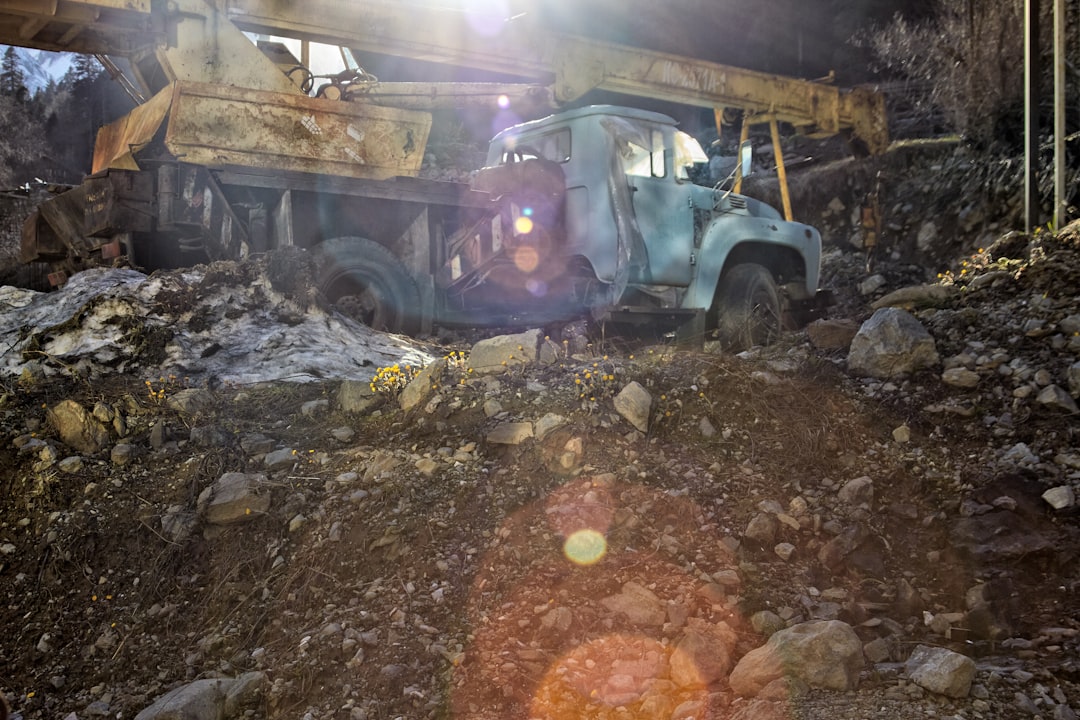
Sand, an ubiquitous and seemingly innocuous material, forms the bedrock of modern civilization. From concrete skyscrapers to microchips, glass, and even coastal protection, its demand is insatiable. However, the extraction of this vital resource, particularly through illegal and unsustainable sand mining practices, has metastasized into a global crisis. This crisis extends far beyond environmental degradation, directly infringing upon a myriad of fundamental human rights, often with devastating and irreversible consequences for vulnerable communities worldwide.
The escalating demand for sand is a direct consequence of rapid urbanization, infrastructure development, and population growth. The United Nations Environment Programme (UNEP) estimates that the world consumes approximately 50 billion tonnes of sand and gravel annually, making it the most extracted material on Earth after water. This unprecedented consumption strains natural supplies, particularly in riverbeds and coastal areas, leading to a precarious imbalance between supply and demand. Sand mining is a critical environmental issue that requires sustainable management practices to prevent ecological damage, as explained in this sand mining video.
The Rise of Illegal Sand Mining
- Economic Impetus: The high demand and relatively low extraction costs for sand create a lucrative black market. Illegal operations bypass environmental regulations, labor laws, and taxation, leading to significant financial gains for criminal enterprises.
- Weak Governance: In many developing nations, where raw materials are abundant and regulatory frameworks are fragile, weak governance and corruption enable illegal sand mining to flourish with impunity. Law enforcement often lacks the resources or political will to effectively combat these operations.
- Global Supply Chains: The demand for cheap raw materials in developed economies inadvertently fuels illegal sand mining in source countries, creating complex and opaque supply chains that make it difficult to trace the origin of construction materials.
Sand mining has increasingly come under scrutiny for its significant human rights violations, particularly in regions where local communities are adversely affected. An insightful article that delves into these issues can be found at Real Lore and Order, which discusses the impacts of sand extraction on vulnerable populations and the environment. The piece highlights the urgent need for regulatory frameworks to protect human rights and ensure sustainable practices in the sand mining industry.
Displacement and Loss of Livelihoods: A Direct Human Rights Violation
The most immediate and profound impact of sand mining on human rights is the displacement of communities and the destruction of traditional livelihoods. Riverine and coastal communities, often among the poorest and most marginalized, bear the brunt of these activities.
Forced Relocation and Land Grabs
- Erosion of Ancestral Lands: Sand mining, particularly from riverbeds, alters river courses and causes severe bank erosion. This phenomenon directly encroaches upon agricultural land, homes, and community infrastructure, forcing residents to abandon their ancestral territories.
- Lack of Due Process: Displaced communities frequently experience forced relocation without adequate consultation, compensation, or alternative housing. This constitutes a direct violation of their right to property, housing, and self-determination.
- Vulnerability of Indigenous Populations: Indigenous groups, whose cultural identity and survival are inextricably linked to their land and natural environment, are particularly susceptible to displacement. The destruction of their traditional territories represents an irreparable loss of cultural heritage.
Destruction of Economic Opportunities
- Fisheries Collapse: Sand extraction from rivers and coastal zones devastates aquatic ecosystems. The removal of sediment, the alteration of water flow, and increased turbidity destroy fish breeding grounds, leading to a decline in fish populations. For communities reliant on fishing, this translates to a catastrophic loss of income and food security.
- Agricultural Ruin: The depletion of riverbanks and coastal dunes, natural barriers against flooding and erosion, renders agricultural land infertile. Saline intrusion into freshwater reserves, a common consequence of indiscriminate sand mining, further degrades soil quality, making farming unsustainable. Farmers, who have tilled the same land for generations, find their livelihoods eradicated.
- Tourism Industry Decline: For coastal communities dependent on tourism, the degradation of beaches and coastal ecosystems by sand mining acts as a death knell. Eroded coastlines, polluted waters, and the destruction of natural beauty deter tourists, leading to job losses and economic hardship.
Health and Safety Risks: A Pernicious Threat
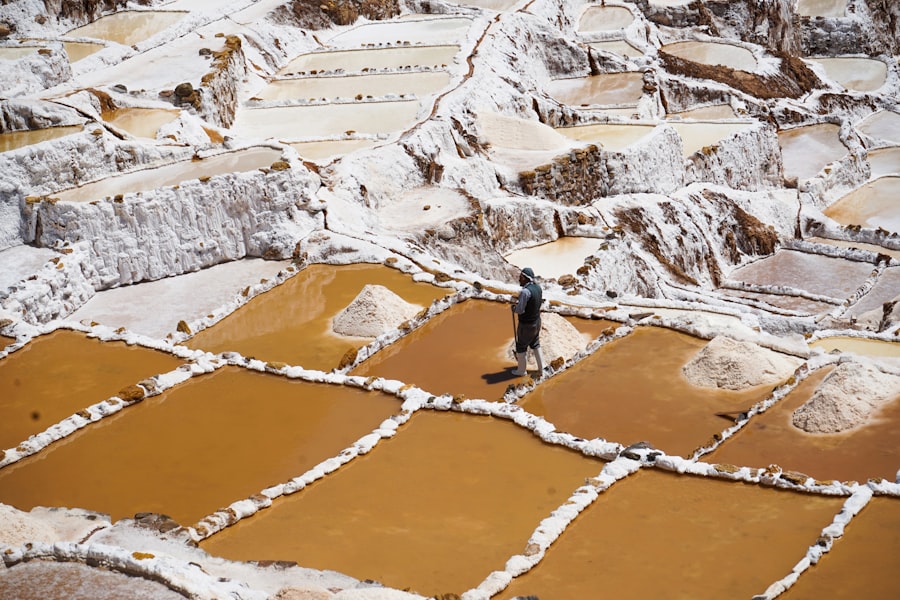
Beyond economic hardship, sand mining poses significant and multifaceted threats to the health and safety of affected populations, often in ways that are subtle yet profoundly insidious.
Respiratory and Waterborne Diseases
- Air Pollution: The mechanical extraction, transportation, and processing of sand generate enormous quantities of airborne particulate matter. This dust, often laden with silica, can lead to severe respiratory illnesses, including silicosis, chronic bronchitis, and asthma, particularly among workers and residents in close proximity to mining sites.
- Contaminated Water Sources: Sand mining operations can pollute vital freshwater sources. Sedimentation increases water turbidity, making it unsuitable for drinking and domestic use. Furthermore, illicit operations often discharge waste materials and chemicals directly into rivers, contaminating the water supply and increasing the incidence of waterborne diseases such as cholera, typhoid, and dysentery.
- Disruption of Drainage Systems: Altering natural drainage patterns during sand extraction can lead to increased flooding, particularly during monsoon seasons. Stagnant water bodies created by mining pits become breeding grounds for disease vectors like mosquitoes, contributing to the spread of malaria and dengue fever.
Increased Risk of Accidents and Violence
- Structural Instability: Unregulated sand mining undermines the structural integrity of surrounding land. This can lead to landslides, sinkholes, and the collapse of homes and infrastructure, directly endangering lives and property.
- Traffic Accidents: The heavy machinery and trucks used in sand mining operations contribute to increased traffic volume and deterioration of road infrastructure. This escalation in traffic, often with poorly maintained vehicles and reckless driving, significantly increases the risk of accidents for local residents, especially children.
- Violence and Intimidation: Communities resisting illegal sand mining often faceintimidation, threats, and even violence from mining syndicates. Environmental defenders and activists are particularly vulnerable, often facing harassment, arbitrary detention, and even murder. This climate of fear stifles dissent and curtails the right to peaceful assembly and freedom of expression.
Environmental Degradation with Human Repercussions: A Cascade of Calamities
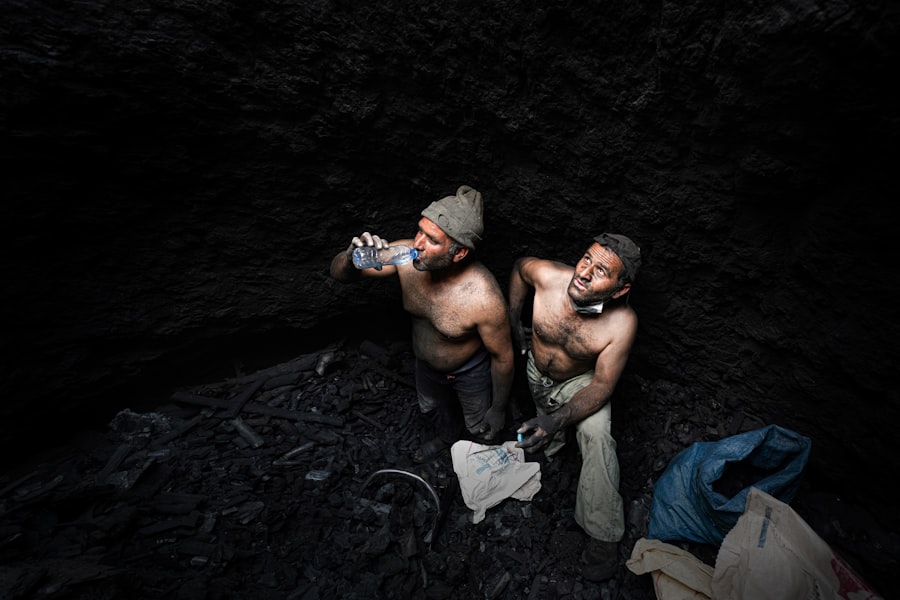
The environmental degradation wrought by rampant sand mining is not an isolated phenomenon; it triggers a cascade of human rights violations, magnifying existing vulnerabilities and creating new ones.
Ecosystem Collapse and Biodiversity Loss
- Habitat Destruction: Sand mining obliterates vital habitats for numerous species, including fish, amphibians, reptiles, birds, and mammals. The removal of riverbeds, coastal dunes, and mangrove forests destroys breeding grounds, foraging areas, and migratory routes, leading to significant biodiversity loss.
- Disruption of Food Webs: The collapse of foundational species within ecosystems, such as small fish or aquatic invertebrates, can have cascading effects throughout the food web, impacting larger predators and ultimately diminishing the availability of food resources for local communities.
- Increased Vulnerability to Climate Change: Mangrove forests and coastal dunes act as natural buffers against storm surges and rising sea levels. Their destruction by sand mining leaves coastal communities increasingly vulnerable to the impacts of climate change, exacerbating issues of displacement and food insecurity.
Depletion of Natural Resources
- Groundwater Depletion: Excessive sand extraction from riverbeds can lower the water table, making it more difficult for communities to access groundwater for drinking, sanitation, and irrigation. This often forces them to rely on more distant or contaminated sources, further impacting health and livelihoods.
- Coastal Erosion: Offshore and beach sand mining accelerates coastal erosion, exposing communities to increased risks from storms, floods, and sea-level rise. Homes, infrastructure, and agricultural land are lost to the encroaching sea, leading to forced migration both within and across national borders.
- Loss of Aesthetic and Cultural Value: Natural landscapes, including pristine beaches and healthy rivers, hold immense aesthetic, spiritual, and cultural value for communities. The scarring of these landscapes by sand mining represents a profound loss of cultural heritage and quality of life.
Sand mining has increasingly come under scrutiny for its significant impact on human rights, particularly in vulnerable communities. A related article explores these violations in depth, shedding light on the often-overlooked consequences of this booming industry. For those interested in understanding the broader implications of sand extraction, you can read more about it in this insightful piece on human rights issues surrounding sand mining. To learn more, visit this article.
The Erosion of Justice and Governance: A Systemic Failure
| Country | Reported Violations | Types of Violations | Affected Groups | Year | Actions Taken |
|---|---|---|---|---|---|
| India | 150+ | Forced evictions, child labor, environmental degradation | Local communities, indigenous people, children | 2020-2023 | Legal actions, community protests, government crackdowns |
| Kenya | 80+ | Unsafe working conditions, displacement, lack of compensation | Artisanal miners, local residents | 2019-2023 | Policy reforms, NGO interventions, awareness campaigns |
| Indonesia | 60+ | Environmental harm, labor exploitation, restricted access to land | Indigenous communities, workers | 2021-2023 | Community negotiations, regulatory enforcement |
| Brazil | 45+ | Illegal mining, violence against activists, habitat destruction | Indigenous tribes, environmental defenders | 2020-2023 | International advocacy, legal suits, monitoring programs |
| Philippines | 70+ | Child labor, unsafe mining practices, land grabbing | Children, local communities | 2018-2023 | Government investigations, community education |
The proliferation of illegal sand mining often reflects a deeper malaise within governance structures, where the rule of law is undermined and the rights of citizens are systematically disregarded.
Corruption and Impunity
- Bribery and Influence Peddling: The illicit nature of sand mining thrives on corruption. Bribes to local officials, police, and politicians are common, allowing operations to proceed without permits or in violation of existing regulations. This fosters a culture of impunity, where perpetrators rarely face justice.
- Lack of Accountability: When state officials are complicit or derelict in their duties, accountability mechanisms break down. Victims of sand mining often find it impossible to seek redress through legal channels, further eroding trust in government institutions.
- Criminalization of Dissent: Communities and activists who speak out against sand mining are often met with harassment, legal persecution, and even violence, further consolidating the power of illegal operators and their corrupt benefactors.
Weak Legal and Regulatory Frameworks
- Inadequate Laws: In many jurisdictions, existing laws governing sand extraction are outdated, insufficient, or poorly enforced. Loopholes in legislation are exploited by miners, allowing them to operate in legal grey areas.
- Lack of Enforcement Capacity: Even where adequate laws exist, government agencies often lack the human resources, funding, and technical expertise to effectively monitor and regulate sand mining activities. Remote locations and vast areas make oversight particularly challenging.
- Conflicting Jurisdictions: Overlapping and fragmented governmental responsibilities for land, water, and mining can create confusion and make it difficult to establish clear lines of authority and accountability, further facilitating illegal operations.
Towards a Sustainable Future: Reclaiming Human Rights and Environmental Integrity
Addressing the devastating impact of sand mining on human rights requires a multifaceted approach that tackles both the symptoms and the root causes of the crisis. It is a clarion call to action, demanding vigilance and concerted effort from all stakeholders.
Strengthening Governance and Enforcement
- Robust Legal Frameworks: Governments must enact and rigorously enforce comprehensive laws against illegal sand mining, with provisions for stringent penalties, asset forfeiture, and criminal prosecution.
- Combating Corruption: Anti-corruption measures within government agencies, bolstered by transparency and accountability mechanisms, are crucial to break the nexus between illegal mining and official complicity.
- Empowering Law Enforcement: Investing in the training, resources, and independence of law enforcement agencies is essential for effective monitoring, investigation, and prosecution of sand mining offenses.
- Community Participation: Meaningful engagement and empowerment of local communities in decision-making processes regarding natural resource extraction are paramount. Their traditional knowledge and direct experience can provide invaluable insights for sustainable management.
Promoting Sustainable Alternatives and Practices
- Recycled Materials: Encouraging the use of recycled construction and demolition waste as aggregates can significantly reduce the demand for virgin sand. Incentives for businesses to adopt circular economy principles are vital.
- Alternative Aggregates: Research and development into alternative aggregates, such as crushed rock, industrial by-products like fly ash and slag, and recycled glass, should be prioritized and scaled up.
- Sustainable Extraction Methods: Where sand extraction is necessary, it must be conducted using environmentally sound practices that minimize ecosystem disruption, adhere to strict environmental impact assessments, and ensure rehabilitation of mined sites.
- Demand Reduction Strategies: Promoting sustainable urbanization models, efficient construction practices, and public awareness campaigns on the environmental and human costs of sand consumption can help curb overall demand.
International Cooperation and Corporate Responsibility
- Global Supply Chain Due Diligence: International collaboration is essential to trace the origin of sand and hold companies accountable for sourcing materials from illegal or unsustainable operations. Consumers, too, bear a responsibility to demand ethically sourced products.
- International Agreements: Strengthening international agreements and conventions on environmental protection and human rights can provide a framework for global action against transboundary sand mining crimes.
- Support for Affected Communities: International aid and development agencies must provide support in the form of legal aid, livelihood restoration programs, and humanitarian assistance to communities devastated by sand mining.
- Corporate Accountability: Corporations involved in the construction and infrastructure sectors have a moral and legal obligation to ensure their supply chains are free from illegally sourced sand. Adopting strong ethical sourcing policies and conducting regular audits are critical steps.
The devastating impact of sand mining on human rights is a silent crisis, often overshadowed by more overt environmental disasters. However, its insidious nature, eroding the very foundations of community life, livelihoods, health, and justice, makes it no less urgent. The global appetite for sand has created a monster, and unless humanity collectively confronts this monster with steadfast resolve, vulnerable communities will continue to pay the ultimate price. The rights to life, health, livelihoods, and a clean environment are universal, and the erosion of these rights by unsustainable sand mining is an affront to our shared humanity. The reader is urged to recognize the pervasive nature of this issue and to advocate for the systemic changes necessary to safeguard both human rights and the planet.
WATCH THIS! 🏗️ SAND MINING MAFIA: The $70 Billion Crime Wave Destroying Rivers & Killing Journalists
FAQs
What is sand mining?
Sand mining is the process of extracting sand from beaches, riverbeds, seabeds, or inland dunes for use in construction, manufacturing, and other industries.
How can sand mining lead to human rights violations?
Sand mining can lead to human rights violations when it causes environmental degradation, displaces local communities, disrupts livelihoods, or involves forced labor and unsafe working conditions.
Which communities are most affected by sand mining?
Indigenous peoples, coastal and riverine communities, and marginalized groups living near mining sites are often the most affected by sand mining activities.
What are some common human rights issues linked to sand mining?
Common issues include forced evictions, loss of access to clean water, destruction of homes and farmland, exploitation of workers, and lack of consultation or consent from affected communities.
Are there international laws regulating sand mining and human rights?
While there is no specific international treaty on sand mining, various human rights frameworks and environmental laws apply, including the UN Guiding Principles on Business and Human Rights and conventions protecting indigenous rights.
What measures can be taken to prevent human rights violations in sand mining?
Measures include conducting environmental and social impact assessments, ensuring free, prior, and informed consent of affected communities, enforcing labor standards, and promoting sustainable mining practices.
How can affected communities seek justice for violations related to sand mining?
Communities can seek justice through local courts, human rights commissions, international bodies, advocacy groups, and by raising awareness through media and civil society organizations.
Is sand mining regulated differently across countries?
Yes, regulations vary widely depending on national laws, enforcement capacity, and the level of awareness about environmental and human rights impacts.
What role do companies have in preventing human rights abuses in sand mining?
Companies are responsible for conducting due diligence, respecting human rights, engaging with communities, and implementing sustainable and ethical mining practices.
Why is sand mining a growing concern globally?
Sand mining is increasing due to rising demand for construction materials, leading to environmental harm and social conflicts, which heightens concerns about associated human rights violations.