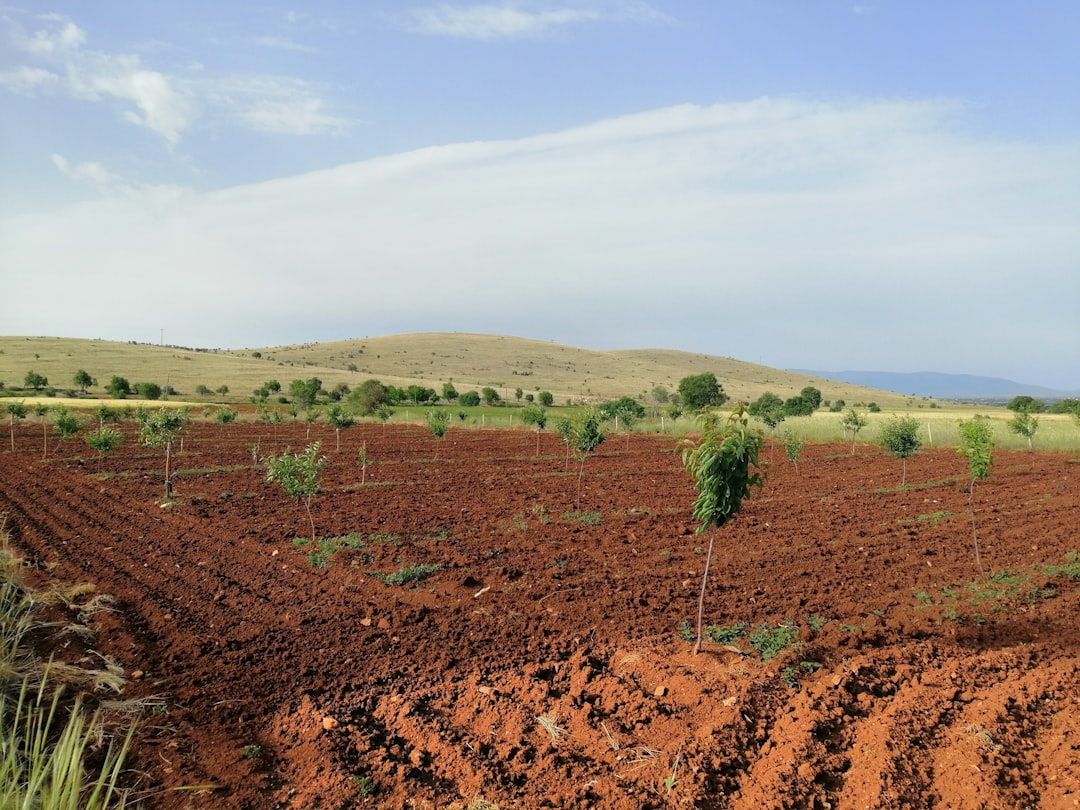
The relentless pursuit of readily available construction materials has led to an escalating global phenomenon: sand mining. While seemingly innocuous, the extraction of sand, particularly from riverbeds and floodplains, casts a long and destructive shadow over agricultural landscapes. This article will delve into the multifaceted impacts of sand mining on agricultural land degradation, examining the intricate web of ecological, hydrological, and socio-economic consequences that arise from this increasingly prevalent activity.
Learn about the environmental impacts of sand mining in this informative video.
The immediate and observable impacts of sand mining often manifest as direct environmental degradation. These consequences ripple through ecosystems, compromising their integrity and resilience.
Disruption of Riverine Ecosystems
Sand mining drastically alters the natural flow and geomorphology of rivers, which are the lifeblood of many agricultural regions. The removal of vast quantities of sediment fundamentally reshapes riverbeds, leading to a cascade of negative effects.
Deepening of Riverbeds
When sand is extracted, the riverbed deepens. This excavation disrupts the natural equilibrium, causing the river to seek a new and often unsustainable profile. This deepening can lead to increased erosion of the riverbanks, as the water’s energy is concentrated on the banks rather than the bed. For farmers whose lands abut these rivers, this means a literal erosion of their property, as fertile topsoil is washed away, leaving behind unproductive substrata.
Alteration of Flow Dynamics
The altered morphology of a mined river also changes its flow dynamics. The natural meandering patterns that characterize healthy rivers are often replaced by straightened, canal-like sections. This can increase the velocity of the water, further exacerbating bank erosion and reducing the river’s capacity to naturally deposit nutrient-rich sediments onto floodplains. The river, once a gentle nourisher, transforms into an aggressive agent of destruction.
Loss of Aquatic Biodiversity
Riverbeds are teeming with life, from macroinvertebrates that form the base of the food chain to fish and other aquatic organisms. Sand mining obliterates these habitats, directly crushing and removing benthic organisms. The increased turbidity of the water, caused by suspended sediment, further chokes aquatic life, reducing light penetration and clogging gills. This widespread destruction of aquatic biodiversity diminishes the ecosystem services provided by healthy rivers, such as natural pest control and water purification, which indirectly impact agricultural productivity.
Groundwater Depletion and Contamination
The relationship between surface water and groundwater is crucial for agricultural sustainability. Sand mining disrupts this delicate balance, leading to significant hydrological challenges.
Lowering of Water Tables
The deepening of riverbeds due to sand mining often results in a corresponding drop in the local water table. When the riverbed is lowered, the hydraulic gradient changes, causing groundwater to flow towards the deeper river channel. This phenomenon acts like a drain on the surrounding aquifer. Farmers who rely on groundwater for irrigation, especially during dry seasons, experience a dramatic decrease in the availability of water, forcing them to drill deeper wells or abandon cultivation altogether. The well, once a reliable source, suddenly becomes a parched mouth.
Saline Intrusion in Coastal Areas
In coastal regions, the lowering of water tables due to excessive sand mining can lead to saline intrusion. As freshwater lenses diminish, saltwater from the ocean seeps into the depleted aquifers. This makes groundwater unsuitable for irrigation, as salt-laden water poisons crops and renders agricultural land barren. The unseen enemy, salt, renders once fertile fields unproductive.
Contamination of Aquifers
Sand, acting as a natural filter, plays a vital role in purifying groundwater. The removal of this natural filter system through sand mining can lead to the contamination of aquifers. Pollutants from agricultural runoff, industrial waste, or sewage can more easily infiltrate the exposed groundwater, rendering it unsafe for irrigation and human consumption. This long-term contamination poses a significant threat to both public health and agricultural viability.
Sand mining has become a significant concern in relation to agricultural land degradation, as the extraction processes often lead to the loss of fertile soil and disruption of local ecosystems. A related article that delves into the impacts of sand mining on agriculture and the environment can be found at this link. This resource provides valuable insights into the challenges faced by farmers and communities affected by unsustainable sand mining practices.
Soil Degradation and Loss of Fertility
Agricultural land is only as productive as its soil. Sand mining directly and indirectly contributes to the degradation and loss of this invaluable resource.
Erosion of Topsoil
Topsoil is the most fertile layer of soil, rich in organic matter and essential nutrients. Sand mining indirectly exacerbates topsoil erosion on adjacent agricultural lands.
Increased Wind Erosion
When riverbanks are denuded of vegetation due to sand mining activities and the soil structure is disturbed, the exposed soil becomes highly susceptible to wind erosion. Strong winds can carry away valuable topsoil, leaving behind less fertile subsoil. This is particularly problematic in arid and semi-arid regions where agricultural lands are already vulnerable to desertification. The wind, once a gentle breath, becomes a hungry devourer of fertility.
Water Erosion and Gully Formation
As previously discussed, the altered flow dynamics of mined rivers, including increased water velocity and bank erosion, can lead to increased water erosion on adjacent agricultural fields. This can manifest as sheet erosion, where uniform layers of topsoil are removed, or more severely, as gully formation, where deep channels carve through fields, rendering them unusable. The sculpted land, once a canvas of abundance, becomes a scarred testament to mismanagement.
Nutrient Depletion and Compaction
The physical act of mining and the subsequent lack of restorative measures can severely deplete soil nutrients and compact the soil structure.
Removal of Fertile Alluvium
Riverbeds and floodplains are naturally enriched by the deposition of fertile alluvium during flood events. This sediment is a vital source of nutrients for agricultural lands. Sand mining removes this precious layer, preventing the natural replenishment of soil fertility. The natural bounty, once a recurring gift, is irrevocably plundered.
Soil Compaction by Heavy Machinery
The use of heavy machinery for sand extraction, transportation, and processing on or near agricultural lands compacts the soil. Soil compaction reduces porosity, hindering root penetration, water infiltration, and aeration. This creates an unfavorable environment for crop growth, diminishing yields and making the land more susceptible to erosion. The once pliable and cooperative earth becomes a stubborn and unyielding expanse.
Socio-Economic Impacts on Farming Communities
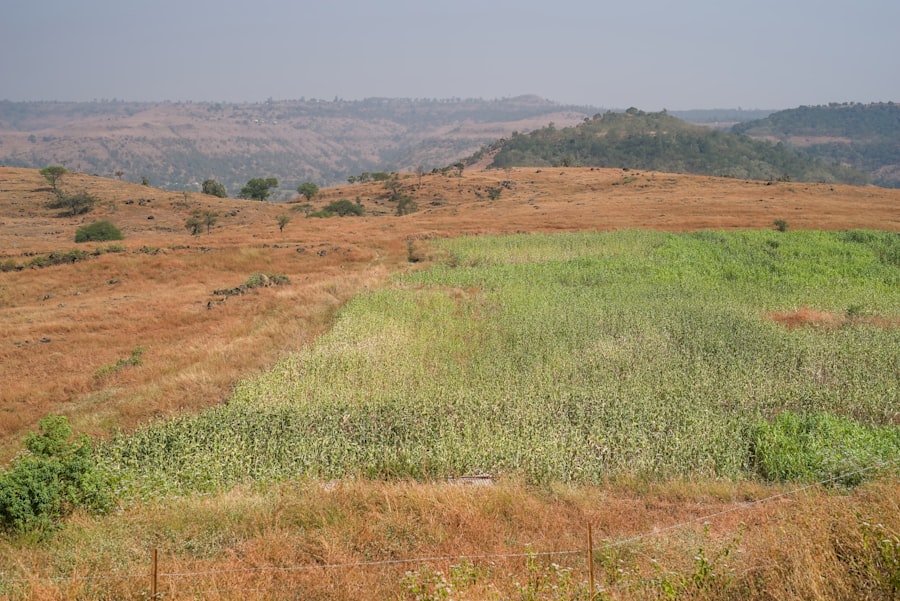
Beyond the environmental and ecological damage, sand mining has profound socio-economic impacts on farming communities, often pushing them to the brink of destitution.
Loss of Livelihoods and Displacement
The degradation of agricultural land directly translates into a loss of livelihoods for farmers and their families. This can lead to forced displacement and increased poverty.
Reduced Agricultural Yields
As soil fertility declines, water availability diminishes, and land becomes eroded, agricultural yields inevitably plummet. Farmers struggle to produce enough food for their families or to sell at market, leading to reduced income and food insecurity. The granary, once full, echoes with emptiness.
Destruction of Infrastructure
Sand mining operations can destroy existing agricultural infrastructure, such as irrigation canals, roads, and farm buildings. The movement of heavy vehicles and the instability of the altered landscape can lead to the collapse of structures, further hampering agricultural activities and requiring costly repairs. The vital veins of the farm are severed.
Forced Relocation and Land Conflict
In extreme cases, the extent of land degradation or the direct encroachment of mining operations can force farming communities to abandon their ancestral lands. This forced relocation often leads to social displacement, loss of cultural heritage, and potential conflicts over land ownership and resources with the mining companies or other communities. The roots of generations are torn from the earth.
Economic Disruption and Food Security Threats
The localized impacts of sand mining can have broader economic ramifications, impacting regional food security and employment.
Increased Cost of Agricultural Inputs
With degraded soils and limited water resources, farmers are often forced to increase their reliance on external inputs such as fertilizers, pesticides, and irrigation technology to maintain yields. This drives up their production costs, reducing profitability and making farming an increasingly unsustainable venture. The harvest, once a reward, becomes an ever-growing expense.
Impact on Regional Food Supply Chains
When agricultural production declines in sand-mined regions, it can disrupt local and regional food supply chains. This can lead to food shortages, price increases, and increased reliance on food imports, undermining food security for wider populations. The abundance that once sustained communities dwindles, leaving a void.
Policy and Regulatory Challenges
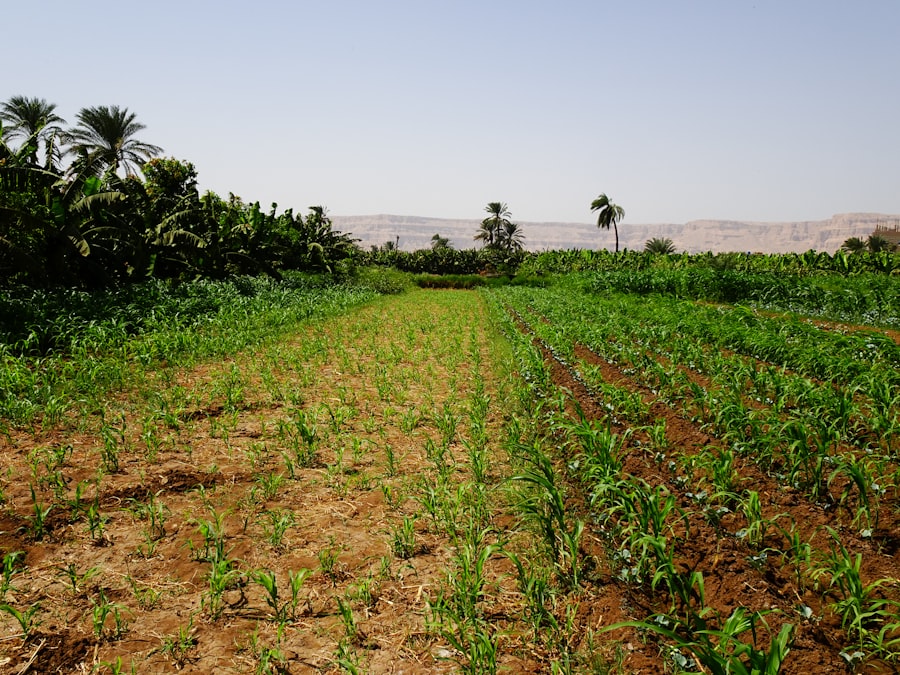
Addressing the multifaceted impacts of sand mining requires robust policy and regulatory frameworks, which are often lacking or inadequately enforced.
Lack of Comprehensive Regulation
Many countries, particularly in developing regions, either lack comprehensive regulations specifically addressing sand mining or have fragmented policies that are difficult to implement.
Inadequate Permitting Processes
The permitting processes for sand mining are often weak, opaque, or susceptible to corruption. Environmental impact assessments may be superficial or entirely absent, failing to adequately evaluate the long-term consequences of mining operations on agricultural lands. The gatekeepers, meant to protect, sometimes stand idle or even complicit.
Poor Enforcement Mechanisms
Even where regulations exist, enforcement mechanisms are often feeble. Insufficient financial resources, limited personnel, and a lack of political will contribute to widespread illegal sand mining. This unchecked extraction, often carried out by criminal enterprises, inflicts the most severe and irreversible damage on agricultural ecosystems. The rules, once written, are often unwriten in practice.
Sustainable Alternatives and Mitigation Strategies
Moving forward, a shift towards sustainable practices and effective mitigation is crucial to protect agricultural lands from the ravages of sand mining.
Promoting Alternative Construction Materials
Reducing the demand for natural sand is paramount. This involves promoting the use of alternative construction materials such as crushed rock, recycled concrete, fly ash, and manufactured sand. Investing in research and development for these alternatives and incentivizing their use can significantly reduce pressure on riverine ecosystems. The reliance on one single resource must broaden into a tapestry of possibilities.
Rehabilitation and Restoration Efforts
For already degraded sites, comprehensive rehabilitation and restoration efforts are essential. This includes re-establishing vegetation, stabilizing riverbanks, and implementing soil conservation measures to restore fertility and productivity to affected agricultural lands. The wounds inflicted on the land can begin to heal, but only with deliberate and sustained effort.
Community Engagement and Empowerment
Empowering local farming communities to participate in decision-making processes regarding sand mining is crucial. Providing them with information, legal support, and platforms for expressing their concerns can help ensure their livelihoods and environmental rights are protected. When the voices of those most affected are heard, solutions gain a deeper resonance and effectiveness.
In conclusion, the impact of sand mining on agricultural land degradation is a complex and pressing issue with far-reaching consequences. From the immediate destruction of riverine ecosystems and the depletion of groundwater to the insidious loss of soil fertility and the socio-economic devastation of farming communities, the ripple effects are profound. Addressing this global challenge demands a concerted effort from policymakers, industry stakeholders, and local communities to implement robust regulations, explore sustainable alternatives, and prioritize the long-term health and productivity of agricultural landscapes. Failure to do so risks not only ecological catastrophe but also widespread food insecurity and the irreparable loss of livelihoods for millions.
WATCH THIS! 🏗️ SAND MINING MAFIA: The $70 Billion Crime Wave Destroying Rivers & Killing Journalists
FAQs
What is sand mining?
Sand mining is the process of extracting sand from natural sources such as riverbeds, beaches, and dunes for use in construction, manufacturing, and other industries.
How does sand mining affect agricultural land?
Sand mining can lead to the removal of topsoil, disruption of soil structure, and alteration of water flow, which collectively degrade the quality and productivity of agricultural land.
Why is sand mining considered a cause of agricultural land degradation?
Because it removes essential soil components and changes the landscape, sand mining reduces soil fertility, increases erosion, and can lead to the loss of arable land, negatively impacting crop yields.
What are the environmental impacts of sand mining on farmland?
Environmental impacts include soil erosion, reduced water retention, lowered groundwater levels, loss of biodiversity, and increased vulnerability to drought and flooding.
Is sand mining regulated to protect agricultural land?
In many regions, sand mining is regulated through permits and environmental guidelines, but enforcement varies, and illegal mining often contributes significantly to land degradation.
Can degraded agricultural land recover after sand mining?
Recovery is possible but can be slow and costly, requiring soil restoration techniques, reforestation, and sustainable land management practices to restore fertility and productivity.
What alternatives exist to reduce the impact of sand mining on agriculture?
Alternatives include using manufactured sand, recycling construction materials, implementing sustainable mining practices, and promoting policies that balance economic needs with environmental protection.
How does sand mining affect water resources in agricultural areas?
Sand mining can lower water tables, disrupt natural water flow, increase sedimentation, and reduce water quality, all of which negatively impact irrigation and crop growth.
Who is responsible for managing the impacts of sand mining on agricultural land?
Responsibility lies with government agencies, local communities, mining companies, and environmental organizations to ensure sustainable practices and protect agricultural resources.
What measures can farmers take to mitigate the effects of nearby sand mining?
Farmers can adopt soil conservation techniques, engage in community monitoring, advocate for sustainable mining policies, and participate in land restoration projects.