Sand, in its unassuming granular form, underpins the very foundation of modern civilization. From the concrete that forms our cities to the glass in our windows, its ubiquity is often overlooked, yet its extraction carries profound ecological and social consequences. This article examines sand mining as a significant instance of climate adaptation failure, highlighting how short-sighted resource management strategies are exacerbating vulnerability rather than building resilience in the face of a changing climate.
Sand and gravel represent the most heavily extracted raw materials globally, surpassing even fossil fuels in volume. The demand, fueled by rapid urbanization, infrastructure development, and land reclamation projects, has intensified to unprecedented levels. This insatiable appetite has pushed extraction far beyond sustainable limits, leading to a silent crisis that has largely escaped public scrutiny compared to other environmental issues. Learn about the environmental impacts of sand mining in this informative video.
Global Scale of Extraction
The sheer scale of sand extraction is staggering. Estimates suggest that between 40 to 50 billion tons of aggregate materials, including sand and gravel, are consumed annually worldwide. To put this into perspective, imagine a wall of sand 27 meters high and 27 meters wide, encircling the equator – that’s roughly the volume extracted each year. This colossal demand is projected to continue its upward trajectory, particularly in developing nations experiencing rapid economic growth and population expansion. The global infrastructure boom, epitomized by projects like China’s Belt and Road Initiative, further amplifies this consumption, placing immense pressure on natural sand reservoirs.
The Material Foundation of Modernity
Consider the ubiquitous nature of concrete, the most widely used man-made material. Approximately two-thirds of concrete is composed of sand and gravel. Buildings, roads, bridges, dams, and airports all rely heavily on these aggregates. Beyond construction, sand plays a critical role in glass manufacturing, electronics, and even as a proppant in hydraulic fracturing (fracking) for oil and gas extraction. Its versatility and abundance have historically made it an easily accessible and inexpensive resource, fostering a perception of inexhaustibility that has proven dangerously misguided.
Sand mining has emerged as a critical issue in the context of climate adaptation, as highlighted in a related article discussing the detrimental impacts of unregulated extraction on coastal ecosystems. The article emphasizes how the depletion of sand resources not only exacerbates coastal erosion but also undermines the resilience of communities facing climate change. For further insights into the challenges posed by sand mining and its implications for climate adaptation, you can read more in this article: Sand Mining and Climate Adaptation: A Call for Sustainable Practices.
Environmental Degradation: A Cascade of Impacts
The environmental repercussions of unsustainable sand mining are extensive and interconnected, creating a domino effect that undermines ecological stability and exacerbates climate vulnerabilities. These impacts are not isolated incidents but rather a systemic degradation of natural capital, essential for both human well-being and ecosystem health.
Riverine Ecosystems Under Siege
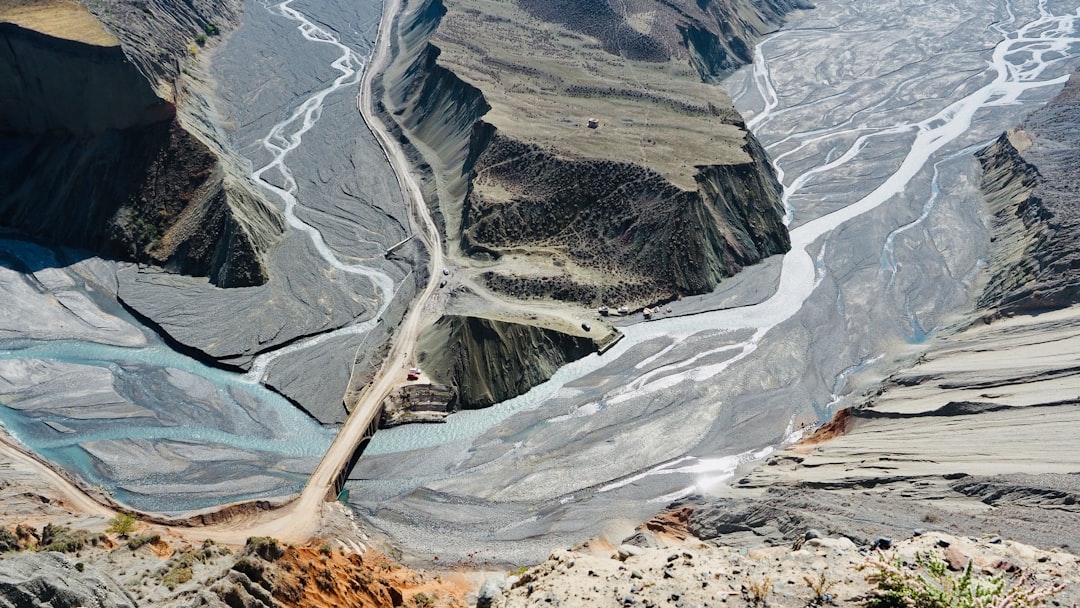
Rivers are primary sources of high-quality construction sand due to the natural sorting and abrasion processes that occur during sediment transport. However, intensive in-stream sand mining drastically alters river morphology, hydrology, and ecology. The removal of large volumes of sand deepens riverbeds, leading to increased flow velocities and erosion of riverbanks. This bank erosion can destabilize adjacent land, contributing to loss of agricultural land and damage to riverside infrastructure.
Furthermore, deepened riverbeds lower the water table in surrounding areas, impacting groundwater recharge and making groundwater less accessible for drinking and irrigation. This can lead to the desiccation of wetlands and riparian vegetation, which are crucial habitats for diverse flora and fauna, and serve as natural filters for water quality. Fish populations are particularly vulnerable, as their spawning grounds and migratory routes are disrupted or destroyed by habitat alteration and increased turbidity. The removal of sand also changes the thermal regime of the river, impacting species sensitive to temperature fluctuations.
Coastal Erosion and Loss of Natural Barriers
Coastal zones are another major target for sand extraction, especially for beach nourishment projects and land reclamation. Paradoxically, extensive offshore and nearshore sand mining often exacerbates the very problem it seeks to address: coastal erosion. Removing sand from the seafloor or beaches disrupts natural sediment transport pathways, starving downstream beaches of their replenishment source. This can lead to increased vulnerability to storm surges, tidal waves, and sea-level rise – all magnified threats in a warming world.
Mangrove forests, coral reefs, and sand dunes serve as vital natural barriers, protecting coastal communities from the destructive forces of the ocean. Sand mining directly threatens these ecosystems. The alteration of seabed topography can change wave patterns, increasing the energy reaching the shore and accelerating erosion. The destruction of nearshore habitats can also remove critical nursery grounds for marine life and disrupt delicate ecological balances. As sea levels continue to rise, the protective function of intact coastlines becomes even more critical, and their degradation through sand mining represents a profound misstep in climate adaptation.
Biodiversity Loss and Ecosystem Collapse
From the smallest invertebrates to large apex predators, the ecological web is intricately connected, and sand mining inflicts damage across multiple trophic levels. The direct physical removal of sand destroys existing habitats, displacing and killing numerous organisms. Increased turbidity from suspended sediment clogs the gills of fish, reduces light penetration for aquatic plants, and smothers benthic organisms. This reduction in primary productivity propagates through the food chain, impacting everything from fish and bird populations to marine mammals.
The long-term effects include a reduction in species diversity and the potential for localized extinctions. Consider the intricate relationship between a river and its floodplains. Sand mining disrupts this connection, altering flood regimes and impacting the wetlands that rely on periodic inundation. These wetlands are often biodiversity hotspots and provide crucial ecosystem services, such as water purification and carbon storage. The cumulative effect of these localized impacts can lead to regional ecosystem collapse, diminishing the natural resilience of landscapes in the face of climate change stresses.
Social and Economic Ramifications
Beyond the environmental toll, sand mining triggers significant socio-economic consequences, disproportionately affecting vulnerable communities and exacerbating existing inequalities. These human dimensions of the crisis often go unacknowledged, yet they represent a substantial barrier to sustainable development and climate resilience.
Livelihood Disruption and Displacement
For millions of people worldwide, rivers and coastlines are not just geographical features but a primary source of livelihood. Fishermen, farmers, and small-scale artisans often depend directly on healthy aquatic and riparian ecosystems. Sand mining operations, particularly those that are illegal or unregulated, destroy fishing grounds, contaminate water sources, and erode agricultural land. This directly undermines the economic stability of these communities, forcing many to seek alternative, often precarious, sources of income or to migrate to urban centers.
Consider communities that rely on river-based agriculture. The lowering of the groundwater table due to sand mining can render their land infertile, as irrigation becomes impossible or prohibitively expensive. Similarly, coastal communities dependent on artisanal fishing may find their catches drastically reduced due to habitat destruction and declining fish stocks. The economic displacement can lead to increased poverty, food insecurity, and social unrest, undermining the adaptive capacity of communities to other climate-related shocks.
Human Rights and Conflict
The high economic value of sand often makes it a commodity fiercely contested, leading to conflicts, corruption, and human rights abuses. In many regions, the sand mining industry is infiltrated by organized crime, operating with impunity and often employing violence to protect their interests. Local communities who protest against destructive sand mining operations frequently face intimidation, harassment, and even violence. Environmental defenders, journalists, and activists bravely speaking out against illegal mining have faced severe repercussions, highlighting a profound breakdown in governance and the rule of law.
The exploitation of sand resources can also fuel corruption at various levels of government, as permits are granted unlawfully or regulations are ignored for financial gain. This undermines public trust, weakens institutions, and diverts resources that could otherwise be used for sustainable development and climate adaptation initiatives. The absence of transparent governance and effective enforcement mechanisms creates a fertile ground for conflict and perpetuates cycles of injustice.
Adaptation Failure in the Face of Climate Change
The ongoing crisis of sand mining is not merely an environmental problem; it is a profound illustration of climate adaptation failure. Instead of strengthening natural defenses and building resilience, current extraction practices are actively dismantling them, leaving communities and ecosystems more vulnerable to the escalating impacts of a warming planet.
Eroding Natural Buffers
As the climate changes, extreme weather events – such as more intense storms, floods, and droughts – are becoming more frequent and severe. Natural coastal features like sandy beaches, dunes, and mangrove forests act as critical buffers, absorbing wave energy, preventing saltwater intrusion, and stabilizing shorelines. Similarly, healthy river systems with intact floodplains and riparian vegetation can attenuate floods and maintain water quality during droughts.
Sand mining systematically degrades these natural buffers. The removal of sand from beaches and offshore areas directly reduces their protective capacity against storm surges and sea-level rise. Deepening riverbeds disconnects rivers from their floodplains, increasing flood risk in some areas while exacerbating drought conditions elsewhere. By destroying these natural defenses, sand mining acts as a counter-adaptive measure, actively undermining efforts to build resilience against climate impacts. It’s like draining the moat around a castle just before an invasion.
Compounding Vulnerabilities
Many communities most impacted by unsustainable sand mining are already highly vulnerable to climate change. These often include indigenous populations, rural communities, and urban poor living in flood-prone or coastal areas. The loss of livelihoods, displacement, and environmental degradation caused by sand mining further diminishes their capacity to cope with climate shocks. For example, a fishing community whose catch has declined due to sand mining will have fewer resources to rebuild after floods or adapt to changing weather patterns.
The degradation of fresh water resources through sand mining, coupled with projected changes in precipitation patterns due to climate change, creates a severe water insecurity challenge. Regions experiencing both increased sand extraction and increased drought frequency face a double burden. Similarly, coastal communities facing sea-level rise and increased storm intensity, while simultaneously experiencing coastal erosion due to sand mining, are trapped in a vicious cycle of vulnerability. Sand mining exacerbates the vulnerability of communities by stripping away their environmental assets and diminishing their socio-economic resilience.
The challenges posed by sand mining in the context of climate adaptation are becoming increasingly evident, as highlighted in a recent article that discusses the detrimental effects on local ecosystems and communities. This issue is intricately linked to broader environmental concerns, making it essential to explore sustainable practices. For a deeper understanding of these challenges and potential solutions, you can read more in this insightful piece on the subject. Check out the article here: sand mining climate adaptation failure.
Towards Sustainable Sand Management: A Path Forward
| Metric | Description | Impact on Climate Adaptation | Example Data |
|---|---|---|---|
| Rate of Sand Extraction | Volume of sand removed per year (cubic meters) | High extraction rates lead to habitat destruction and increased vulnerability to climate events | 5 million m³/year in coastal regions |
| Coastal Erosion Rate | Annual loss of coastline length (meters/year) | Accelerated erosion reduces natural barriers against storms and sea-level rise | 2-5 meters/year increase post sand mining |
| Biodiversity Loss Index | Percentage decline in native species populations | Loss of biodiversity weakens ecosystem resilience to climate stressors | 30% decline in fish and bird species in affected areas |
| Water Table Depletion | Drop in groundwater levels (meters) | Lower water tables reduce availability of freshwater during droughts | 1.5 meters/year decline near mining sites |
| Community Displacement | Number of people relocated due to environmental degradation | Displacement disrupts social adaptation and increases vulnerability | Approx. 10,000 people in affected regions over 5 years |
| Flood Frequency Increase | Change in annual flood events (%) | Increased flooding due to loss of natural sediment buffers | 20% increase in flood events post mining activities |
Addressing the sand mining crisis requires a fundamental shift in perception and practice. It demands a holistic approach that integrates environmental protection, social equity, and economic sustainability, recognizing sand as a finite and vital resource. This paradigm shift is essential for building genuine climate resilience.
Policy and Governance Reform
The bedrock of sustainable sand management lies in robust policy and effective governance. This includes developing comprehensive national and international regulations for sand extraction, ensuring transparent licensing processes, and imposing strict environmental impact assessments. Existing laws often lack clarity, are poorly enforced, or are subject to corruption. Strengthening regulatory frameworks and empowering environmental agencies with adequate resources and authority is paramount.
Crucially, policies must reflect the true cost of sand, incorporating environmental and social externalities into its market price. This “polluter pays” principle can discourage unsustainable practices and incentivize alternative solutions. International cooperation is also vital, as sand is often traded across borders, and illegal mining operations can span multiple jurisdictions. Crafting international conventions or agreements could help standardize best practices and facilitate joint enforcement efforts, much like efforts to combat illegal logging or fishing.
Sustainable Alternatives and Resource Efficiency
Reducing the demand for virgin sand is a critical component of sustainable management. This involves exploring and actively promoting the use of alternative materials in construction. Recycled concrete and recycled asphalt pavement (RAP) are viable substitutes for a significant portion of aggregates in various applications. Industrial by-products such as slag from steel production, fly ash from coal-fired power plants, and quarry dust can also be effectively utilized.
Beyond alternatives, improving resource efficiency in construction is essential. This includes optimizing building designs to use less material, promoting modular construction, and enhancing the durability and lifespan of infrastructure projects to reduce the need for constant repair and replacement. Investing in research and development for innovative, sand-free construction materials could also unlock transformative solutions. The circular economy model, where materials are reused, recycled, and repurposed, must be applied to the construction sector to minimize the reliance on virgin resources.
Monitoring, Data, and Community Engagement
Effective monitoring and data collection are indispensable for understanding the scale of sand extraction, identifying unsustainable practices, and assessing their impacts. Satellite imagery, drones, and remote sensing technologies offer powerful tools for tracking mining activities, particularly in remote areas or where illegal operations are prevalent. This data can inform policy decisions, aid in enforcement, and provide crucial evidence for holding perpetrators accountable.
However, technology alone is insufficient. Meaningful engagement with local communities is vital. Communities living in areas affected by sand mining often possess invaluable traditional ecological knowledge and are the first to experience the impacts. Their voices must be heard, their rights protected, and their participation in decision-making processes ensured. Empowering communities through capacity building, providing legal aid, and establishing grievance mechanisms can foster greater transparency, prevent conflicts, and lead to more equitable and sustainable outcomes. Only by recognizing sand not as an endless commodity but as a finite, precious environmental asset can humanity hope to adapt successfully to the challenges of a changing climate.
WATCH THIS! 🏗️ SAND MINING MAFIA: The $70 Billion Crime Wave Destroying Rivers & Killing Journalists
FAQs
What is sand mining?
Sand mining is the process of extracting sand from beaches, riverbeds, seabeds, or other natural sources for use in construction, manufacturing, and other industries.
How does sand mining impact the environment?
Sand mining can lead to habitat destruction, increased erosion, loss of biodiversity, and disruption of aquatic ecosystems. It can also contribute to the degradation of coastal and riverine environments.
What is climate adaptation in the context of sand mining?
Climate adaptation refers to strategies and measures implemented to adjust to the effects of climate change, such as rising sea levels and increased flooding, while managing activities like sand mining to minimize environmental harm.
Why is sand mining considered a climate adaptation failure?
Sand mining is considered a climate adaptation failure when it exacerbates environmental vulnerabilities, such as coastal erosion and habitat loss, undermining efforts to adapt to climate change impacts effectively.
What are the consequences of sand mining on climate resilience?
Excessive sand mining can weaken natural barriers like beaches and riverbanks, reducing their ability to protect against storms and flooding, thereby decreasing climate resilience in affected areas.
Are there regulations to control sand mining?
Yes, many countries have regulations and guidelines to manage sand mining activities, aiming to balance economic needs with environmental protection and climate adaptation goals.
What alternatives exist to reduce the negative impacts of sand mining?
Alternatives include using recycled construction materials, promoting sustainable mining practices, restoring mined areas, and developing policies that limit sand extraction in vulnerable ecosystems.
How can communities adapt to the impacts of sand mining and climate change?
Communities can adopt integrated coastal and river management plans, engage in habitat restoration, enforce sustainable mining practices, and participate in climate adaptation planning to mitigate combined impacts.
Is sand mining linked to global climate change?
While sand mining itself does not directly cause global climate change, its environmental impacts can worsen local climate vulnerabilities and hinder adaptation efforts to climate-related hazards.
What role do policymakers play in addressing sand mining and climate adaptation?
Policymakers are responsible for creating and enforcing regulations, promoting sustainable practices, funding research, and supporting community-based adaptation initiatives to manage sand mining impacts effectively.