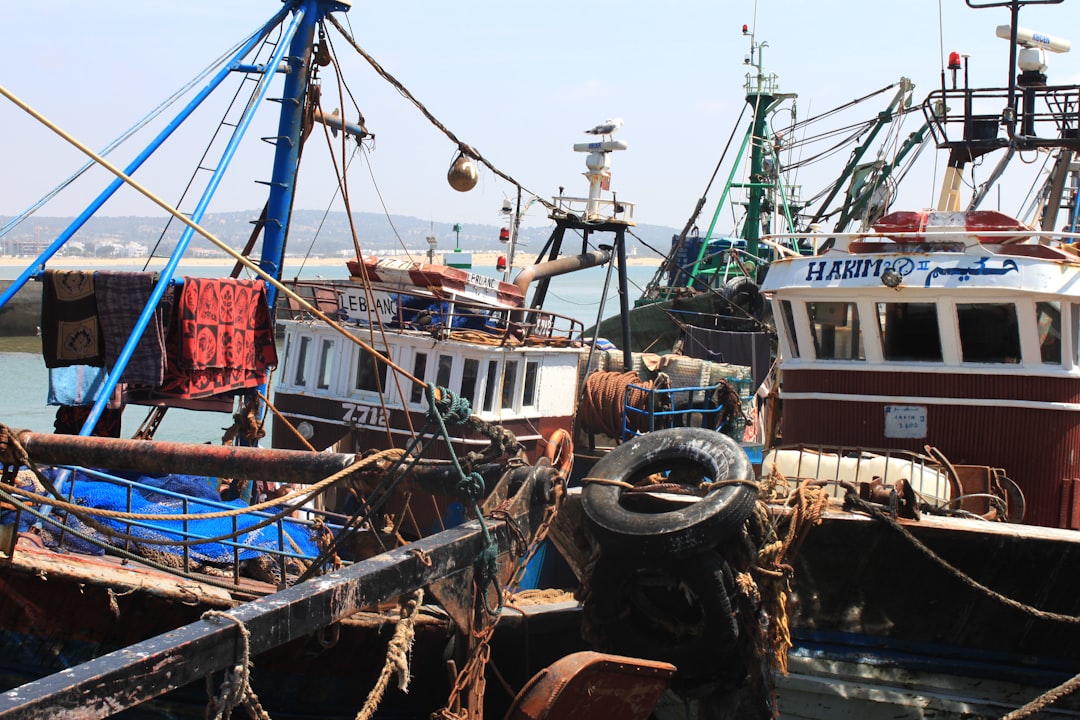
The global demand for sand, a fundamental component in construction and various industrial processes, has escalated dramatically in recent decades. This burgeoning demand has fueled widespread sand mining operations, many of which are unregulated or operate with insufficient oversight. While sand mining undeniably provides a vital resource for development, its environmental and socio-economic ramifications, particularly for coastal communities reliant on fishing, are profound and often devastating. This article explores the multifaceted impacts of sand mining on fishermen’s livelihoods, highlighting the ecological degradation, economic hardship, and social disruption that often accompany such activities.
The extraction of sand, especially from riverbeds, estuaries, and coastal areas, initiates a cascade of ecological disturbances that directly undermine the health and productivity of marine ecosystems. These ecosystems are not merely passive recipients of sand, but intricate webs of life that depend on the delicate balance of sediment transport and water quality. Learn about the environmental impacts of sand mining in this informative video.
Habitat Destruction and Alteration
Direct removal of sand fundamentally alters the physical structure of aquatic environments.
- Benthic Habitat Loss: Sand mining physically removes the seafloor or riverbed, destroying the benthic habitats that serve as nurseries, feeding grounds, and refuges for a vast array of marine organisms, including fish, shellfish, and crustaceans. These habitats are the foundation of the marine food web.
- Seagrass Bed Degradation: Seagrasses are vital ecosystems that provide critical nursery grounds for numerous fish species, stabilize sediments, and improve water quality. Sand mining directly uproots and smothers these beds, leading to their widespread decline. The loss of seagrass has far-reaching consequences, as it disrupts the life cycle of many commercially important fish.
- Coral Reef Smothering: In coastal areas, suspended sediment plumes generated by dredging operations can settle on coral reefs. This smothering effect reduces light penetration, inhibits coral feeding, and ultimately leads to coral bleaching and death. Coral reefs are biodiversity hotspots, supporting a quarter of all marine species, and their degradation has a catastrophic impact on fish populations.
Changes in Water Quality and Sediment Dynamics
The act of mining itself introduces significant alterations to the physical and chemical properties of the water column.
- Increased Turbidity and Sedimentation: Dredging operations stir up sediment, increasing turbidity in the water. This reduced light penetration hinders photosynthesis by marine plants and algae, the primary producers in the food chain. Suspended sediments can also clog the gills of fish and invertebrates, leading to physiological stress and mortality.
- Alteration of Salinity Regimes: In estuarine environments, sand mining can significantly alter water flow patterns, leading to changes in salinity. Many fish species are highly sensitive to salinity fluctuations, and abrupt changes can disrupt their migratory patterns, spawning success, and overall survival.
- Contaminant Release: Mining activities can disturb buried sediments that contain pollutants such as heavy metals or agricultural chemicals. The re-suspension of these contaminants can lead to their bioaccumulation in the food chain, ultimately posing a risk to human health through seafood consumption.
Disruption of Natural Sediment Transport and Coastal Geomorphology
Sand mining often interferes with the natural processes that shape coastlines and river systems.
- Erosion and Coastal Retreat: The extraction of sand from beaches or nearshore areas disrupts the natural equilibrium of sediment supply and deposition. This often leads to increased coastal erosion, threatening coastal infrastructure, livelihoods, and exacerbating the impacts of climate change-induced sea-level rise.
- Dredging of River Mouths: In river systems, sand mining can deepen riverbeds and alter river flow, affecting the dynamics of sediment transport to the coast. This can starve coastal areas of their natural sand supply, contributing to erosion and the loss of protective barriers.
- Habitat Fragmentation: The creation of deep pits or trenches from mining operations can fragment existing habitats, isolating populations of fish and other marine organisms. This fragmentation reduces genetic diversity and makes populations more vulnerable to environmental changes.
The issue of sand mining has become increasingly critical, particularly in its impact on the livelihoods of fishermen. As sand is extracted from riverbeds and coastal areas, the delicate ecosystems that support fish populations are disrupted, leading to a decline in fish stocks and, consequently, the income of local fishing communities. For a deeper understanding of how sand mining affects fishermen’s livelihoods and the broader environmental implications, you can read a related article at this link.
Economic Hardship: The Erosion of Livelihoods
For countless coastal communities, fishing is not merely an occupation but a way of life, intrinsically linked to their cultural identity and economic well-being. The ecological degradation caused by sand mining directly translates into severe economic hardship for these communities.
Decline in Fish Stocks and Catch Rates
The most immediate and tangible impact on fishermen is the drastic reduction in fish populations.
- Reduced Commercial Species: The destruction of spawning grounds, nurseries, and feeding habitats for commercially important fish species (e.g., shrimp, crabs, various finfish) leads to significant declines in their numbers. This directly impacts the quantity and quality of fish available for capture.
- Loss of Biodiversity: As ecosystems degrade, the overall biodiversity of fish species declines. This limits the range of fish that fishermen can target, making them more vulnerable to fluctuations in individual species populations.
- Increased Fishing Effort: With declining fish stocks, fishermen are often forced to spend more time, fuel, and resources searching for dwindling catches. This increased effort translates into higher operational costs and lower profit margins, pushing many to the brink of financial collapse.
Damage to Fishing Gear and Infrastructure
Mining operations can directly damage and disrupt fishing infrastructure.
- Entanglement and Damage to Nets: Discarded mining debris, newly created obstacles, and alterations to the seafloor can snag and tear fishing nets, leading to costly repairs or replacement.
- Loss of Traditional Fishing Grounds: Sand mining activities often occur in areas historically used for fishing. Fishermen are then displaced from these productive grounds, forcing them to venture further afield, increasing fuel costs and safety risks.
- Navigational Hazards: Abandoned mining sites, submerged equipment, or significant changes to seabed topography can create navigational hazards for fishing vessels, leading to accidents and loss of property.
Market Disruptions and Income Instability
Beyond the immediate impact on catches, sand mining can create broader economic instability.
- Decreased Market Value: The decline in fish quality or species diversity can lead to lower market prices for the remaining catch, further reducing fishermen’s income.
- Unpredictable Supply: The erratic nature of fish catches due to environmental degradation makes it difficult for fishermen to guarantee a consistent supply to markets, potentially losing contracts and customers.
- Dependency on Other Sectors: With fishing no longer viable, many fishermen are forced to seek alternative, often less desirable and lower-paying, employment in other sectors, contributing to a cycle of poverty.
Social Disruption: The Fabric of Community Unravels
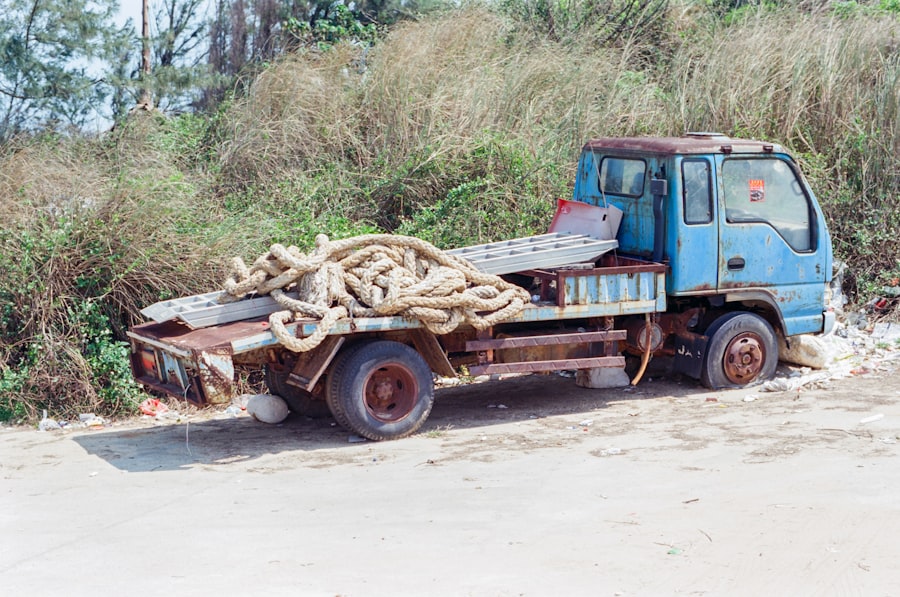
The economic and ecological consequences of sand mining often extend beyond individual livelihoods, impacting the very social fabric of communities. These disruptions can manifest in various forms, from cultural erosion to increased social unrest.
Displacement and Loss of Cultural Heritage
For many fishing communities, their lives are interwoven with the coastal environment and the traditions passed down through generations.
- Forced Migration: When fishing becomes economically unviable, families are often forced to abandon their ancestral lands and migrate to urban areas in search of alternative employment. This contributes to rural depopulation and urban overcrowding.
- Erosion of Traditional Knowledge: The displacement of communities and the decline of traditional fishing practices lead to the loss of invaluable indigenous ecological knowledge accumulated over centuries, knowledge that is crucial for sustainable resource management.
- Loss of Cultural Identity: Fishing is more than an occupation; it is a way of life that defines the identity of many coastal communities. The inability to pursue this livelihood can lead to a sense of loss, despair, and cultural dislocation.
Health Impacts and Food Insecurity
The degradation of the marine environment directly affects human health and access to food.
- Contaminated Seafood: As previously mentioned, the re-suspension of pollutants during sand mining can lead to their accumulation in seafood, posing health risks to consumers.
- Reduced Protein Source: Fish often serves as a primary source of protein and essential nutrients for coastal communities. The decline in fish stocks can lead to food insecurity and malnutrition, particularly among vulnerable groups.
- Mental Health Strain: The constant struggle for survival, the loss of livelihoods, and the uncertainty of the future can lead to significant psychological stress, anxiety, and depression among affected individuals and families.
Conflict and Social Unrest
The allocation and exploitation of natural resources, especially when perceived as unjust or unsustainable, often breed conflict.
- Conflict with Mining Companies: Fishermen frequently find themselves in conflict with sand mining companies over access to fishing grounds, environmental damage, and compensation issues. These conflicts can sometimes escalate to violence.
- Intra-community Tensions: Competition for dwindling resources can also lead to tensions and conflicts within fishing communities themselves, eroding social cohesion.
- Lack of Redress Mechanisms: In many regions, informal or corrupt governance structures mean that affected communities have limited avenues for voicing grievances or seeking redress for the damages incurred.
Governance and Regulation: A Patchwork of Weaknesses
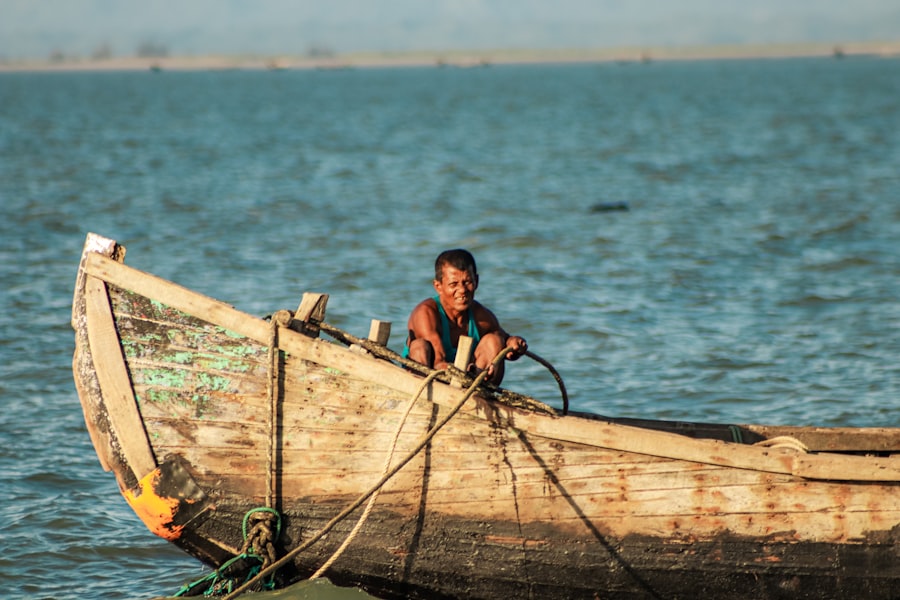
The effectiveness of governance and regulatory frameworks in managing sand mining operations is a critical determinant of its impact on fishing communities. Unfortunately, these frameworks are often inadequate, poorly enforced, or susceptible to corruption.
Inadequate Legal Frameworks
Many jurisdictions lack comprehensive legislation specifically addressing the environmental and social impacts of sand mining.
- Outdated Laws: Existing laws may not be tailored to the modern scale and intensity of sand mining operations, leaving significant loopholes for exploitation.
- Lack of Enforcement: Even when adequate laws are in place, weak institutional capacity, limited resources, and corruption often hamper effective enforcement, allowing illegal or unsustainable practices to persist.
- Jurisdictional Ambiguity: In coastal and transboundary waters, overlapping jurisdictions can create confusion and make it difficult to assign responsibility and ensure accountability.
Corruption and Lack of Transparency
Corruption is a pervasive issue that undermines good governance in the sand mining sector.
- Illegal Mining Operations: Bribery and illicit payments often enable mining companies to operate without proper permits, in protected areas, or beyond the limits of their concessions.
- Suppression of Dissent: Corrupt officials may collude with mining companies to suppress community protests and silence dissenting voices, further marginalizing affected populations.
- Undervaluation of Resources: The true value of sand and the associated environmental and social costs are often underestimated or deliberately obscured, leading to unfair compensation rates and insufficient revenue for impacted communities.
Insufficient Environmental Impact Assessments (EIAs)
Environmental Impact Assessments are crucial tools for evaluating potential impacts before mining operations commence. However, their efficacy is often compromised.
- Flawed Assessments: EIAs may be conducted superficially, lack comprehensive baseline data, or fail to adequately consult affected communities.
- Lack of Independent Review: There is often a lack of independent oversight and review of EIAs, leading to biased outcomes that favor mining interests.
- Poor Implementation of Mitigation Measures: Even when mitigation measures are recommended, their implementation and subsequent monitoring are frequently inadequate, rendering them ineffective.
The impact of sand mining on fishermen’s livelihoods has become a pressing issue in many coastal communities, leading to significant environmental and economic challenges. A recent article highlights the struggles faced by these fishermen as their traditional fishing grounds are compromised by extensive sand extraction activities. For a deeper understanding of the complexities surrounding this issue, you can read more in this insightful piece found at this link. The article sheds light on the urgent need for sustainable practices that protect both the marine ecosystem and the livelihoods of those who depend on it.
Moving Forward: Towards Sustainable Sand Management
| Metric | Value | Impact on Fishermen Livelihood |
|---|---|---|
| Reduction in Fish Population (%) | 40% | Decreased catch leading to lower income |
| Increase in Water Turbidity (NTU) | 150 NTU | Disruption of fish breeding grounds |
| Loss of Fishing Area (hectares) | 25 hectares | Reduced accessible fishing zones |
| Number of Fishermen Affected | 500 | Loss of livelihood and increased poverty |
| Decrease in Average Daily Catch (kg) | 30 kg | Lower food security and income |
| Increase in Coastal Erosion Rate (meters/year) | 2 meters/year | Damage to fishing infrastructure |
Addressing the devastating impact of sand mining on fishermen’s livelihoods requires a multi-pronged approach that encompasses stronger governance, technological innovation, and genuine community engagement. The reader should understand that this is not an insurmountable problem.
Strengthening Regulatory Frameworks and Enforcement
Robust legal and regulatory frameworks, coupled with effective enforcement, are paramount.
- Comprehensive Sand Management Policies: Governments must develop and implement integrated sand management policies that consider the entire supply chain, from extraction to consumption, incorporating ecological and social safeguards.
- Enhanced Monitoring and Surveillance: Utilizing remote sensing technologies, drone surveillance, and community-based monitoring programs can help detect and deter illegal mining activities.
- Independent Oversight Bodies: Establishing independent bodies with the mandate and resources to oversee mining operations, conduct audits, and ensure compliance can significantly improve accountability.
Promoting Sustainable Alternatives and Practices
Reducing the reliance on virgin sand and adopting more sustainable practices are crucial.
- Recycling and Reuse of Construction Waste: Promoting the recycling of construction and demolition waste as aggregates can significantly reduce the demand for new sand.
- Use of Alternative Materials: Research and development into alternative building materials, such as crushed rock fines, manufactured sand, or novel binders, can help diversify the construction industry’s resource base.
- Offshore Mining with Strict Controls: Where onshore extraction is environmentally damaging, carefully regulated offshore sand mining in designated zones, with stringent environmental impact assessments and continuous monitoring, could be considered as a last resort.
Empowering Local Communities and Stakeholder Engagement
The active involvement of affected communities is essential for equitable and sustainable solutions.
- Meaningful Consultation and Free, Prior, and Informed Consent (FPIC): Mining projects should only proceed with the free, prior, and informed consent of affected communities, ensuring their voices are heard and their concerns are addressed.
- Benefit Sharing Mechanisms: Fair and transparent mechanisms for sharing the benefits of sand extraction with local communities can help alleviate economic hardship and foster a sense of ownership.
- Capacity Building and Support: Providing training, resources, and legal support to fishing communities can empower them to advocate for their rights, participate in decision-making processes, and adapt to changing conditions.
In conclusion, the unbridled pursuit of sand, an ostensibly inert material, is systematically dismantling the ecological foundations and socio-economic structures of countless fishing communities worldwide. The decline of fish stocks, the loss of cultural heritage, and the burgeoning social unrest are not mere externalities but direct consequences of unsustainable sand mining practices. Just as the relentless tide erodes the coastline, so too does reckless sand mining erode the very sustenance and identity of those who depend on the sea. A concerted global effort, driven by strong governance, innovative solutions, and unwavering respect for human rights and ecological integrity, is urgently needed to staunch this tide of destruction and safeguard the livelihoods of generations to come.
WATCH THIS! 🏗️ SAND MINING MAFIA: The $70 Billion Crime Wave Destroying Rivers & Killing Journalists
FAQs
What is sand mining?
Sand mining is the process of extracting sand from beaches, riverbeds, seabeds, or inland dunes for use in construction, manufacturing, and other industries.
How does sand mining affect fishermen’s livelihoods?
Sand mining can lead to the destruction of aquatic habitats, increased water turbidity, and erosion of riverbanks and coastal areas, which negatively impact fish populations and breeding grounds, thereby reducing fish catch and income for fishermen.
Why is sand mining harmful to the environment?
Sand mining disrupts ecosystems by removing sediment that supports aquatic life, causes habitat loss, increases water pollution, and can lead to coastal erosion and changes in river flow patterns.
Where does sand mining commonly occur?
Sand mining commonly occurs in riverbeds, coastal areas, beaches, and inland dunes where sand deposits are abundant and accessible.
Are there regulations governing sand mining?
Yes, many countries have regulations and permits in place to control sand mining activities to minimize environmental damage and protect local communities, including fishermen.
What alternatives exist to reduce the impact of sand mining?
Alternatives include using manufactured sand, recycling construction materials, implementing sustainable mining practices, and enforcing stricter environmental regulations.
How can fishermen protect their livelihoods from the effects of sand mining?
Fishermen can engage in community advocacy for sustainable mining practices, participate in environmental monitoring, collaborate with authorities to enforce regulations, and diversify their income sources.
Is sand mining linked to coastal erosion?
Yes, excessive sand mining removes natural barriers and sediment that protect coastlines, leading to increased coastal erosion and loss of land.
What are the social impacts of sand mining on fishing communities?
Social impacts include loss of income, displacement, reduced food security, and increased conflicts over natural resources.
Can sand mining be done sustainably?
Sustainable sand mining is possible if it is carefully managed with environmental assessments, limits on extraction volumes, restoration of mined areas, and involvement of local communities in decision-making.