
The world, as humans perceive it, is largely built upon sand. From the concrete that forms towering skylines to the glass in windows, indeed, the very foundations of modern civilization rest upon this granular material. However, an insidious and underappreciated crisis is unfolding globally: a severe shortage of sand. This often-overlooked environmental and economic dilemma poses a substantial threat to infrastructure development, ecological stability, and even human well-being. This article delves into the multifaceted aspects of this crisis, exploring its causes, consequences, and potential solutions.
Sand, in its geological definition, refers to granular material composed of finely divided rock and mineral particles. Its composition varies depending on the local rock sources and conditions, but the most common constituent of sand in inland and coastal environments is silicon dioxide (SiO2), usually in the form of quartz. Beyond its geological definition, sand holds immense industrial value. Its unique physical properties—its strength, versatility, and abundance—have made it an indispensable commodity. Learn about the environmental impacts of sand mining in this informative video.
The Ubiquitous Resource
Sand is the second most exploited natural resource globally, surpassed only by water. Its demand is inextricably linked to human development, particularly in the construction sector. Concrete, the backbone of modern infrastructure, is a mixture of cement, water, and aggregates, with sand and gravel accounting for 60-75% of its volume. Asphalt, glass, electronics, and even the silicon chips that power digital devices also rely heavily on sand. Consider the sheer scale of global construction: roads, bridges, buildings, railways, and vast urban centers. Each new development consumes immense quantities of sand, often at a rate that far outstrips natural replenishment.
The “Wrong” Kind of Sand
Not all sand is suitable for construction. Desert sand, though seemingly abundant across vast swathes of the Earth, is largely unusable for concrete production. Its grains are typically too fine, smooth, and rounded due to wind erosion, which prevents adequate binding with cement. The preferred sand for construction, often referred to as “aggregate sand,” comes from rivers, lakes, and coastal areas. This sand is generally angular and rough, allowing for better interlocking and structural integrity when mixed with cement. This distinction is crucial to understanding the localized scarcity amidst global abundance.
The ongoing sand shortage has raised significant concerns regarding infrastructure vulnerability, as many construction projects rely heavily on this essential resource. A related article that delves deeper into the implications of this issue can be found at Real Lore and Order, where experts discuss how the depletion of sand resources could impact urban development and the stability of existing structures.
The Drivers of Depletion: A Perfect Storm
The sand crisis is not a solitary phenomenon but rather the culmination of several interconnected factors, each contributing to an accelerating rate of depletion. Understanding these drivers is paramount to formulating effective mitigation strategies.
Unprecedented Urbanization and Infrastructure Development
The global population is growing, and with it, the relentless march of urbanization. Currently, over half of the world’s population resides in urban areas, a figure projected to increase significantly in the coming decades. This rapid urbanization necessitates massive investment in infrastructure: housing, transportation networks, commercial buildings, and public amenities. Each brick laid, each road paved, necessitates sand. Emerging economies, in particular, are experiencing unprecedented rates of development, fueling an insatiable demand for construction materials. Countries like China and India, with their massive populations and ambitious infrastructure projects, consume staggering quantities of sand, accounting for a substantial portion of global demand.
Illegal Sand Mining: The Shadow Industry
The immense profits associated with sand extraction have fueled a widespread problem of illegal sand mining. This clandestine activity, often controlled by criminal syndicates, operates outside regulatory frameworks, resulting in devastating environmental and social consequences. Illegal miners often employ destructive methods, such as dredging sensitive riverbeds and coastal areas without permits, leading to habitat destruction, erosion, and pollution. The lack of oversight also means that workers are often exploited, operating in dangerous conditions with little to no safety precautions. This illicit industry exacerbates depletion rates and undermines legitimate efforts to manage the resource responsibly.
Climate Change and Rising Sea Levels
Climate change presents a double-edged sword in the context of sand. On one hand, rising sea levels and increased storm intensity lead to greater coastal erosion, thus increasing the natural loss of sand from coastlines. On the other hand, climate change can also impact the natural replenishment of sand in rivers and deltas. Changes in precipitation patterns, extreme weather events, and altered river flows can disrupt sediment transport, reducing the amount of sand that reaches coastal areas. This intertwined relationship underscores the complex interplay between environmental factors and resource availability.
Lack of Regulation and Oversight
Globally, a consistent and robust regulatory framework for sand extraction remains elusive. Many countries lack comprehensive policies to govern mining operations, enforce environmental standards, and monitor resource depletion. Where regulations do exist, enforcement is often weak or plagued by corruption. This regulatory vacuum allows for unsustainable practices to proliferate, with little accountability for the long-term consequences. The perception of sand as an infinitely abundant resource has historically led to its casual exploitation, a mindset that is now proving to be profoundly short-sighted.
The Cascading Consequences: A Looming Disaster

The diminishing supply of sand carries a ripple effect, impacting various facets of the environment, economy, and society. The consequences are far-reaching and, if left unchecked, threaten to destabilize critical systems.
Environmental Degradation
The environmental ramifications of sand depletion are severe and multifaceted. Imagine a riverbed, once vibrant with aquatic life, now transformed into a barren pit due to excessive dredging.
River and Coastal Erosion
Excessive sand extraction from riverbeds destabilizes riverbanks, leading to increased erosion. This erosion can undermine bridges, agricultural land, and infrastructure built near river courses. Similarly, the removal of sand from coastal areas depletes natural storm barriers, making coastlines more vulnerable to erosion from waves and tides, particularly in the face of rising sea levels. This vulnerability can lead to the loss of beaches, destruction of coastal ecosystems, and increased flood risk for coastal communities.
Biodiversity Loss
Sand habitats, particularly those in rivers and coastal zones, are crucial for a diverse array of flora and fauna. Excessive extraction destroys these habitats, leading to the displacement or extinction of various species. Fish populations, migratory birds, and numerous invertebrate species rely on healthy sand ecosystems for breeding, feeding, and shelter. The removal of sand can also alter water clarity and chemistry, further impacting aquatic life.
Altered Hydrology and Water Quality
Large-scale sand mining can significantly alter the flow dynamics of rivers and waterways. Deeper riverbeds can lead to lower water tables, impacting groundwater reserves and exacerbating drought conditions. Sediment removal can also increase turbidity downstream, affecting water quality, impacting aquatic ecosystems, and increasing the cost of water treatment for human consumption.
Economic Disruptions
The sand shortage is not merely an environmental concern; it presents significant economic challenges that threaten to impede development and increase costs.
Soaring Construction Costs
As demand outstrips supply, the price of sand naturally increases. This inflationary pressure directly impacts the construction industry, driving up the cost of buildings, roads, and other infrastructure projects. This can stall development, make housing less affordable, and reduce the economic competitiveness of regions heavily reliant on construction. The economic burden falls not only on developers but ultimately on consumers and taxpayers.
Supply Chain Instability
The localized nature of high-quality sand deposits means that many regions are facing acute shortages. This can lead to increased transportation costs as sand is moved greater distances, further contributing to price hikes. Furthermore, the volatility of supply can create instability in construction schedules and project timelines, leading to delays and economic inefficiencies.
Loss of Livelihoods
Communities that rely on healthy river and coastal ecosystems for fishing, agriculture, or tourism can suffer significant economic losses due to sand mining operations. The destruction of fish habitats impacts fishing communities, while eroded coastlines deter tourism, affecting local businesses and employment. Farmers whose land is undermined by riverbank erosion also face substantial economic hardship.
Social and Geopolitical Tensions
The struggle for sand can also ignite social unrest and even geopolitical tensions, as competition for this vital resource intensifies. Imagine communities clashing over dwindling resources, a scenario already playing out in various parts of the world.
Community Displacement and Conflict
Illegal sand mining operations often encroach upon community lands, disrupting traditional livelihoods and displacing residents. The lack of consultation and compensation can lead to protests, conflicts, and even violence. In some regions, “sand mafias” exert control over extraction sites, leading to intimidation and corruption, further destabilizing communities.
Border Disputes
As countries face internal shortages, the temptation to extract sand from cross-border rivers or shared coastal areas can escalate. This can lead to disputes between neighboring nations, particularly in regions where environmental regulations and enforcement are already weak. The struggle for sand can become an unacknowledged factor in broader geopolitical tensions.
Paving a New Path: Solutions and Mitigation Strategies
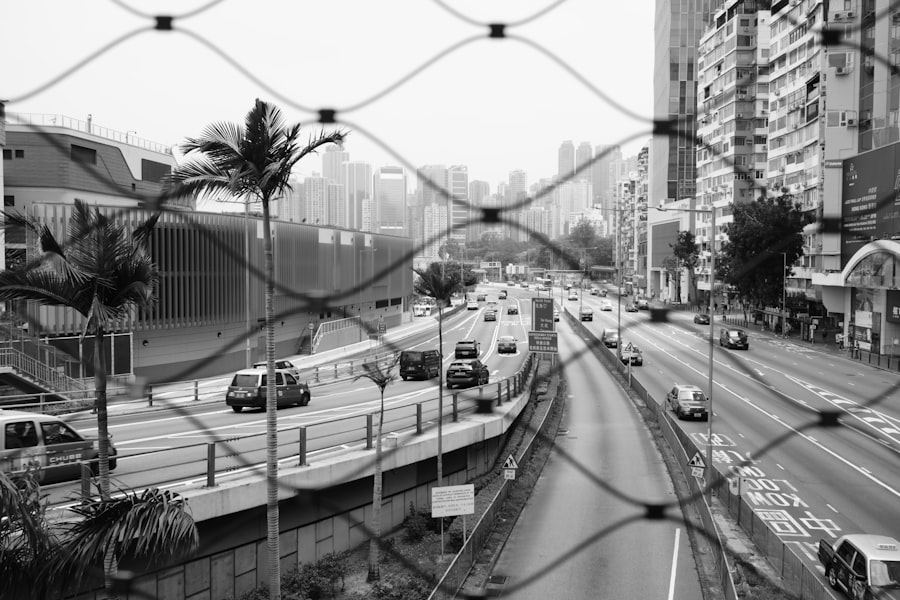
Addressing the global sand shortage requires a multi-pronged approach that encompasses regulatory reform, technological innovation, and a fundamental shift in perception regarding this vital resource.
Promoting Sustainable Extraction Practices
The immediate priority is to ensure that existing and future sand extraction is undertaken in a sustainable and environmentally responsible manner.
Robust Regulatory Frameworks
Governments must implement and rigorously enforce comprehensive regulations for sand mining. This includes transparent licensing procedures, environmental impact assessments, strict limits on extraction volumes, and mandatory rehabilitation plans for mined sites. International cooperation can also help in developing best practices and harmonizing regulations across borders.
Monitoring and Enforcement
Effective monitoring using satellite imagery, drone technology, and community-based surveillance can help identify and curb illegal mining operations. Increased funding for environmental agencies and law enforcement, coupled with severe penalties for illegal activities, are crucial for deterring illicit extraction.
Exploring Alternative Materials
Reducing reliance on virgin sand through the adoption of alternative construction materials is a critical component of any long-term solution.
Recycled Aggregates
Construction and demolition waste, particularly concrete and asphalt, can be crushed and processed into recycled aggregates. This not only reduces the demand for virgin sand and gravel but also diverts waste from landfills, offering a dual benefit. While recycled aggregates may not be suitable for all applications, their use in non-structural elements, road bases, and fill material can significantly offset demand.
Manufactured Sands
Specific technologies exist to produce “manufactured sand” by crushing larger rocks, such as granite or basalt. This process yields angular sand particles that are suitable for concrete production. While requiring energy for crushing, manufactured sand offers a viable alternative, particularly in regions with abundant rock reserves but limited natural sand.
Industrial By-products
Certain industrial by-products, such as fly ash from coal-fired power plants or slag from metallurgical processes, can be incorporated into concrete mixes as partial replacements for cement or aggregates. Research and development into these and other novel materials are essential for diversifying resource options.
Innovation in Construction and Design
Smarter construction practices and innovative design can reduce overall sand consumption.
Efficient Concrete Mix Designs
Optimizing concrete mix designs to use less sand while maintaining structural integrity can significantly reduce demand. This includes exploring high-performance concrete formulations that utilize different aggregate ratios or binders.
Prefabrication and Modular Construction
Prefabricated building components and modular construction techniques can reduce on-site waste and optimize material usage, leading to a more efficient use of sand and other resources.
Sustainable Urban Planning
Designing cities and infrastructure with a focus on longevity, adaptability, and minimal resource intensity can reduce the long-term demand for new construction materials, including sand. This includes promoting green infrastructure, compact urban forms, and adaptive reuse of existing buildings.
The ongoing sand shortage has raised significant concerns about infrastructure vulnerability, as many construction projects rely heavily on this essential resource. A recent article discusses how the depletion of sand resources can lead to increased costs and delays in building critical infrastructure, ultimately impacting economic growth and public safety. For further insights into this pressing issue, you can read more in this informative piece on the topic of sand scarcity and its implications for infrastructure by following this link.
A Shared Responsibility: Your Role in the Solution
| Metric | Description | Value | Unit | Impact on Infrastructure |
|---|---|---|---|---|
| Global Sand Demand | Annual global consumption of sand for construction | 50 | Billion tons | High demand increases extraction pressure, leading to shortages |
| Sand Supply Deficit | Gap between sand demand and sustainable supply | 10 | Billion tons per year | Limits availability for infrastructure projects |
| Infrastructure Delay Rate | Percentage of infrastructure projects delayed due to sand shortage | 25 | Percent | Delays increase costs and reduce project efficiency |
| Alternative Material Adoption | Percentage of projects using alternative materials to sand | 15 | Percent | Reduces dependency but may affect structural integrity |
| Environmental Impact Score | Index measuring environmental degradation from sand mining | 7.8 | Scale 1-10 | High scores indicate vulnerability of ecosystems supporting infrastructure |
| Cost Increase Due to Shortage | Average percentage increase in construction costs | 12 | Percent | Raises overall infrastructure project budgets |
The sand crisis is not a distant problem; it is a fundamental challenge confronting global society. As a reader, you might wonder about your role in this complex issue. Consider that every time you witness a new building rising, a road being laid, or a piece of glass manufactured, sand is being consumed.
The solutions demand a collective effort. Governments must enact and enforce robust policies, industries must innovate and adopt sustainable practices, and individuals must be informed consumers and advocates for environmental stewardship. Supporting businesses that utilize recycled materials, demanding transparency in supply chains, and raising awareness about the crisis are all tangible actions.
The seemingly innocuous grain of sand is, in fact, a cornerstone of human civilization. Its scarcity is a stark reminder of humanity’s profound impact on the planet and the urgent need for a more sustainable relationship with finite natural resources. Failure to address this crisis will not only imperil future infrastructure development but will also lead to cascading environmental and social consequences that will profoundly shape the world for generations to come. The time to act is now, before the very foundations of the modern world begin to crumble beneath the weight of inaction.
WATCH THIS! 🏗️ SAND MINING MAFIA: The $70 Billion Crime Wave Destroying Rivers & Killing Journalists
FAQs
What is sand shortage and why is it a concern?
Sand shortage refers to the depletion or scarcity of natural sand resources, which are essential for construction and various industrial uses. It is a concern because sand is a critical component in concrete, glass, and infrastructure development, and its shortage can hinder construction projects and economic growth.
How does sand shortage affect infrastructure vulnerability?
Sand shortage increases infrastructure vulnerability by limiting the availability of materials needed for building and maintaining roads, bridges, buildings, and other critical structures. This can lead to delays, increased costs, and potentially weaker or less durable infrastructure.
What are the main causes of sand shortage?
The main causes of sand shortage include over-extraction from rivers and coastal areas, illegal mining, increased demand due to urbanization and industrialization, and environmental regulations that restrict sand mining in certain areas.
Which sectors are most impacted by sand shortage?
The construction sector is the most impacted by sand shortage, as sand is a key ingredient in concrete and asphalt. Other affected sectors include glass manufacturing, electronics, and land reclamation projects.
What are the environmental impacts of sand mining?
Environmental impacts of sand mining include riverbank erosion, loss of biodiversity, groundwater depletion, disruption of aquatic ecosystems, and increased vulnerability to flooding and natural disasters.
Are there alternatives to natural sand for construction?
Yes, alternatives include manufactured sand (crushed rock sand), recycled construction and demolition waste, and industrial by-products like slag. However, these alternatives may have different properties and costs compared to natural sand.
How can sand shortage be managed to reduce infrastructure vulnerability?
Management strategies include sustainable sand mining practices, promoting the use of alternative materials, recycling construction waste, enforcing regulations against illegal mining, and investing in research for innovative construction materials.
What role do governments play in addressing sand shortage?
Governments can regulate sand mining activities, enforce environmental protection laws, support sustainable resource management, promote alternative materials, and invest in infrastructure planning to mitigate the impacts of sand shortage.
Is sand shortage a global issue?
Yes, sand shortage is a global issue affecting many countries due to increasing demand and unsustainable extraction practices. It poses challenges for infrastructure development worldwide, especially in rapidly urbanizing regions.
How does sand shortage impact economic development?
Sand shortage can slow down construction projects, increase material costs, and reduce the quality of infrastructure, which in turn can hinder economic growth, job creation, and overall development efforts.