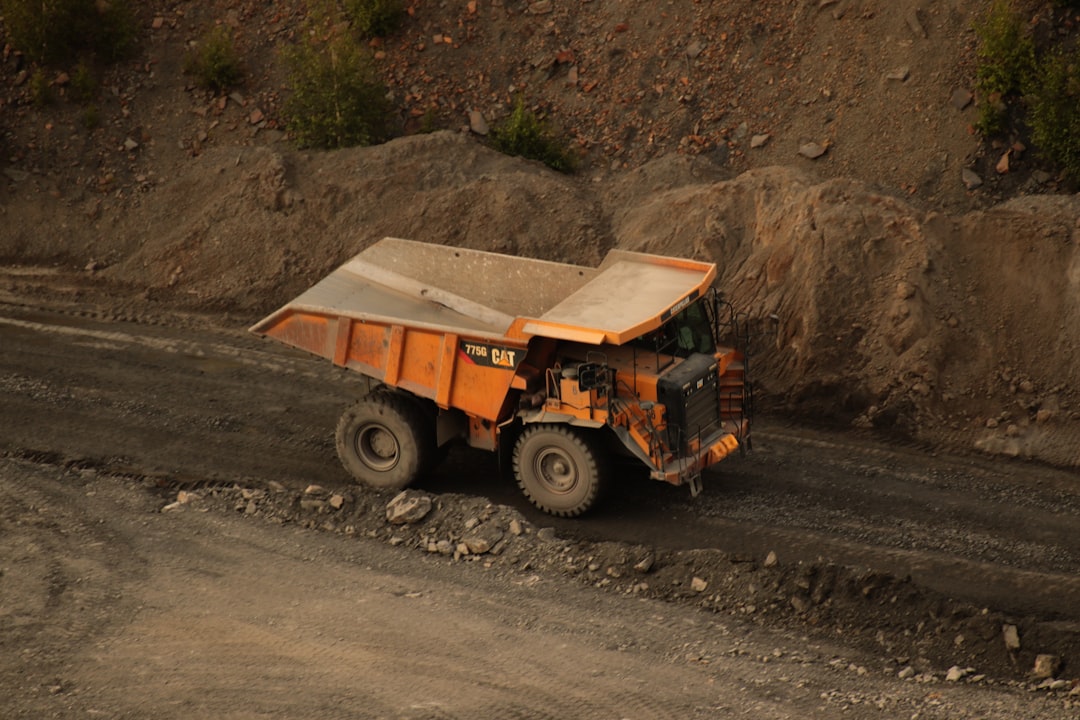
The clandestine world of sand mining, often overshadowed by more publicised illicit trades, presents a complex and increasingly dangerous challenge to environmental sustainability, economic stability, and public safety. This article delves into the phenomenon of the sand mining mafia, focusing on its territorial control, operational mechanisms, and far-reaching consequences. It is a world where geological necessity clashes with human greed, and where the very foundations of construction and infrastructure are built upon a bedrock of illegality and violence.
The soaring demand for aggregates, primarily sand and gravel, driven by rapid urbanisation and infrastructure development, particularly in emerging economies, has transformed a once-localised issue into a global crisis. Sand, second only to water as the most consumed natural resource, is an indispensable component of concrete, asphalt, glass, and even microchips. Its extraction, however, is not always regulated or environmentally sound. Learn about the environmental impacts of sand mining in this informative video.
The Rise of Illicit Extraction
- Unprecedented Demand: The post-World War II building boom, followed by accelerated development in Asia, Africa, and Latin America, turbocharged the demand for construction materials. Legitimate sources often struggle to meet this insatiable appetite, creating a vacuum exploited by illegal operators.
- Weak Governance: Porous borders, corrupt officialdom, and inadequate enforcement mechanisms in many developing nations provide fertile ground for illicit activities to flourish. The sheer scale of operations often overwhelms limited regulatory capacities.
- Low Barriers to Entry: Compared to other illicit trades like drug trafficking or arms dealing, illegal sand mining can appear deceptively simple. Basic equipment, access to rivers or coastlines, and a disregard for environmental regulations are often the only prerequisites.
The Lure of Profits
The profit margins in illegal sand mining can be astronomical, attracting organised criminal enterprises. A cubic meter of sand, extracted illicitly, can be sold at a fraction of the market price, undercutting legitimate businesses and generating significant undeclared income. This economic incentive forms the primary driver for the expansion and entrenchment of sand mafia operations.
The issue of sand mining mafia and their territorial control has become increasingly alarming, as these illegal operations often lead to environmental degradation and social unrest. A related article that delves deeper into the complexities of this situation can be found at this link. The article explores the various tactics employed by these groups to maintain dominance over lucrative sand mining areas and the impact on local communities and ecosystems.
The Mechanisms of Territorial Control
The sand mining mafia’s ability to maintain operations hinges on its strict control over territories rich in sand deposits. This control is rarely benign, often involving intimidation, violence, and systematic corruption.
Coercion and Intimidation
- Local Communities: Villagers residing near sand-rich areas are often the first to experience the mafia’s iron fist. Those who object to illegal mining, fearing environmental degradation or displacement, face threats, physical assault, or even murder. Their livelihoods, often tied to agriculture or fishing, are destroyed, leaving them vulnerable and dependent.
- Whistleblowers and Activists: Environmental activists, journalists, and government officials attempting to expose or curb illegal mining are frequently targeted. Their efforts are met with aggressive countermeasures, ranging from harassment and legal battles to outright assassinations. The “martyrs of sand” are a grim testament to this pervasive violence.
- Government Officials: Corrupt officials, from local police to regional administrators, are either complicit in the illegal trade or rendered powerless by threats. Bribes ensure permits are overlooked, complaints go unaddressed, and enforcement efforts are stifled. This systemic corruption acts as a lubricant for the illegal machinery.
Violence as a Tool
- Intra-Mafia Conflicts: Competition for lucrative sand beds often leads to violent clashes between rival gangs. These turf wars can result in casualties, damage to property, and significant disruption to local peace. The stakes are high, and lethal force is frequently employed to assert dominance.
- Clashes with Law Enforcement: When law enforcement agencies do attempt to intervene, they are met with resistance. Attacks on police officers, destruction of equipment, and confrontations with armed individuals are not uncommon. These encounters underscore the deep entrenchment and dangerous nature of these criminal networks.
- Environmental Terrorism: Beyond direct violence against individuals, the destruction of ecosystems can be viewed as a form of environmental terrorism. Riverbeds are scoured, coastlines eroded, and agricultural lands rendered infertile, impacting entire communities and future generations.
Political Patronage
The symbiotic relationship between the sand mafia and elements within the political establishment is a grave concern. Political aspirants and incumbents often rely on the mafia’s financial muscle and local influence during elections, exchanging protection and impunity for votes and funds. This unholy alliance makes dismantling these networks exceedingly difficult, as they enjoy a measure of political cover that shields them from effective prosecution.
The Logistics of Illicit Operations
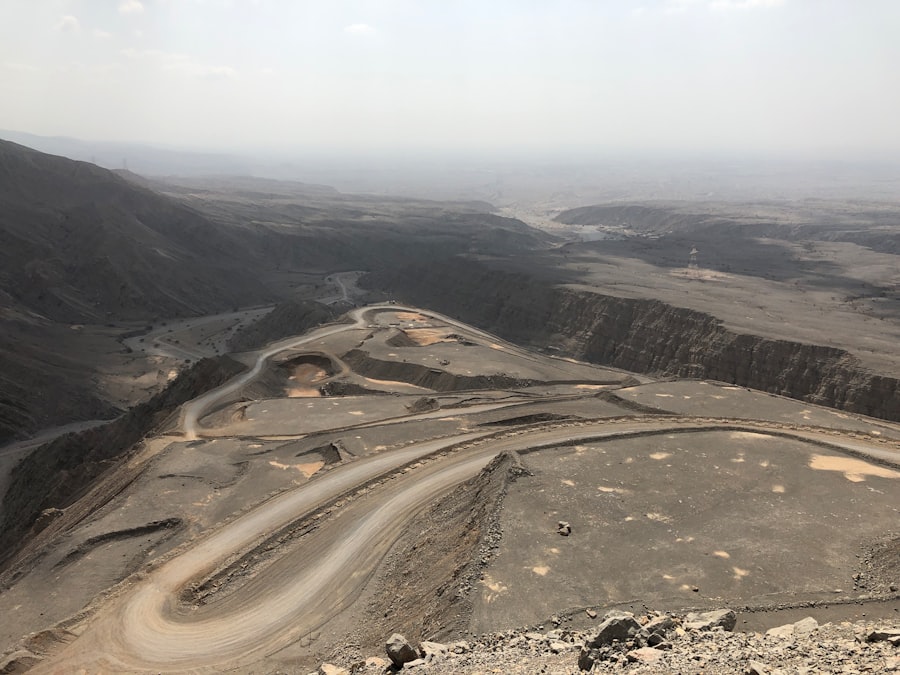
Operating outside the legal framework requires a sophisticated logistical network to extract, transport, and distribute sand without attracting undue attention. The planning and execution are often meticulous, designed to maximise profit and minimise detection.
Extraction Techniques
- Manual Labour: In less developed regions, manual labour with basic tools like shovels and baskets is still prevalent, albeit highly exploitative and dangerous. Workers, often migrants or impoverished locals, face hazardous conditions with minimal pay.
- Mechanised Dredging: More sophisticated operations employ mechanical dredgers, excavators, and bulldozers. These powerful machines can rapidly extract vast quantities of sand, causing significant environmental damage in a short period. The noise and activity often occur in remote areas or under the cover of darkness.
- Night Operations: Much of the illegal sand mining activity occurs stealthily, under the cloak of night. This minimises the risk of detection by authorities and avoids scrutiny from vigilant citizens.
Transportation and Distribution
- Covert Routes: Trucks carrying illegally mined sand often use unpaved roads, back alleys, or bypass legitimate checkpoints to avoid police patrols and toll booths. Drivers are frequently compensated handsomely for these risky assignments.
- False Documentation: Forgers produce falsified permits and invoices to legitimise the cargo. This paperwork allows trucks to pass through checkpoints that would otherwise stop them, blending into the legitimate flow of traffic.
- Demand-Side Complicity: The ultimate consumers of this illicit sand are often builders and developers seeking to reduce costs. Their willingness to purchase cheaper, illegally sourced materials perpetuates the cycle, making them indirect but crucial participants in the illegal trade. You, the reader, might inadvertently contribute to this problem if you engage with contractors who prioritise cheap materials over ethical sourcing.
Environmental Catastrophe and Socio-Economic Ripple Effects
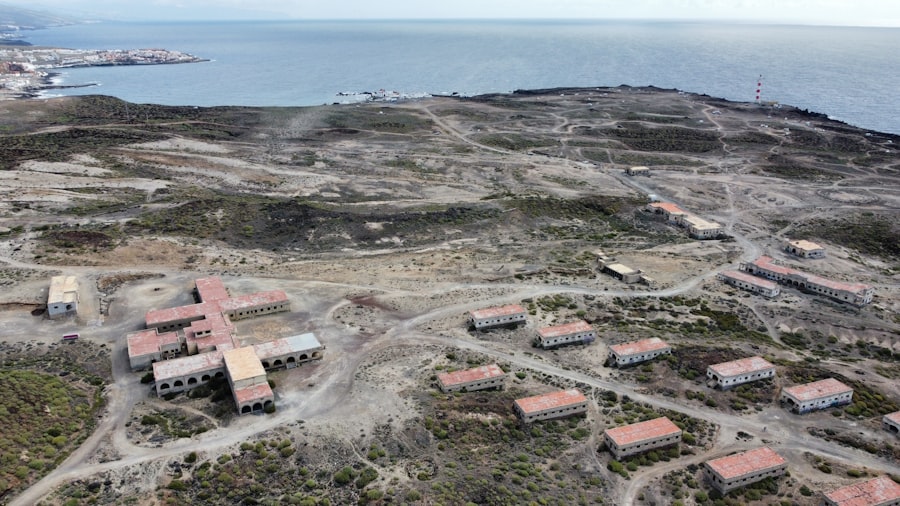
The territorial control exerted by the sand mining mafia has devastating consequences that extend far beyond financial gain, impacting ecosystems and communities across vast swathes of land and water.
Ecological Devastation
- River Scouring and Erosion: Excessive sand removal from riverbeds deepens channels, destabilises embankments, and leads to severe erosion. This can undermine bridges, pipelines, and other infrastructure. Readers should consider the long-term impact on water availability and agricultural land.
- Groundwater Depletion: Lowered riverbeds reduce groundwater recharge, causing water tables to drop. This directly impacts agricultural productivity, as farmers struggle to access water for irrigation, and affects drinking water sources.
- Biodiversity Loss: Aquatic ecosystems are decimated as habitats are destroyed, fish breeding grounds disappear, and water quality deteriorates due to increased turbidity and pollution from mining operations.
- Coastal Erosion: Illegal beach sand mining removes natural protections against storms and rising sea levels, making coastal communities more vulnerable to inundation and erosion.
Socio-Economic Impact
- Loss of Livelihoods: Communities dependent on rivers or coastal areas for fishing, farming, or tourism face economic ruin as these resources are degraded or destroyed. The mafia, while often employing some locals, ultimately undermines the long-term economic viability of these regions.
- Increased Risk of Flooding: The alteration of river courses and the destruction of natural flood barriers exacerbate the risk of flooding during monsoons or heavy rainfall, leading to loss of life and property.
- Health Hazards: Dust pollution from mining operations and the lack of sanitation facilities for transient workers contribute to respiratory illnesses and other health problems in surrounding communities.
- State Revenue Loss: The unrecorded nature of illegal sand mining means that governments lose out on significant tax revenues and royalties, which could otherwise be invested in public services and infrastructure.
In recent years, the issue of sand mining has escalated into a significant concern, particularly regarding the control exerted by various mafia groups over these lucrative territories. A related article discusses how these criminal organizations manipulate local economies and engage in violent confrontations to maintain their dominance in the sand mining industry. For more insights on this pressing issue, you can read the full article on sand mining mafia territory control. This situation not only threatens the environment but also poses serious challenges to law enforcement and community safety.
Countering the Mafia’s Grip
| Region | Estimated Territory Controlled (sq km) | Number of Active Groups | Reported Illegal Mining Sites | Incidents of Violence (Last Year) | Government Enforcement Actions |
|---|---|---|---|---|---|
| Region A | 150 | 5 | 30 | 12 | 8 raids, 15 arrests |
| Region B | 90 | 3 | 20 | 7 | 5 raids, 10 arrests |
| Region C | 120 | 4 | 25 | 9 | 6 raids, 12 arrests |
| Region D | 80 | 2 | 15 | 5 | 3 raids, 7 arrests |
Dismantling the territorial control of the sand mining mafia requires a multi-pronged approach that addresses demand, supply, and the underlying corruption that enables its existence. It is a formidable challenge, akin to battling hydra-headed monsters, where cutting off one head merely allows others to grow.
Strengthening Legislation and Enforcement
- Robust Laws and Penalties: Governments must enact and enforce stringent laws with severe penalties for illegal mining and associated corruption. These penalties should act as genuine deterrents, not merely as minor financial inconveniences.
- Dedicated Task Forces: Specialised law enforcement units, insulated from corruption and equipped with necessary resources, are crucial for effective surveillance, intelligence gathering, and intervention.
- Technological Solutions: Utilising drones, satellite imagery, and GPS tracking can help monitor remote areas, identify illegal mining sites, and track transportation routes more effectively.
Community Empowerment and Awareness
- Education and Awareness Campaigns: Informing communities about the environmental and social consequences of illegal sand mining can mobilise local resistance and increase vigilance. Educated communities are less susceptible to intimidation.
- Support for Whistleblowers: Establishing secure channels for reporting illegal activities and providing protection for whistleblowers is vital to generate intelligence and expose complicit officials.
- Sustainable Alternatives: Promoting and investing in alternative construction materials like recycled aggregates or manufactured sand can reduce the pressure on natural sand resources.
Addressing Corruption and Demand
- Judicial Reforms: Strengthening the judiciary and ensuring judicial independence can contribute to prosecuting corrupt officials and mafia kingpins effectively.
- Transparency in Supply Chains: Implementing robust tracking and certification systems for construction materials can help identify and eliminate illegally sourced sand from legitimate supply chains.
- Ethical Procurement: Encouraging public and private entities to adopt ethical procurement policies that prohibit the use of illegally sourced materials would significantly curb demand. When you, as a consumer, demand transparency from your contractors, you exert powerful influence.
The sand mining mafia’s territorial control is a symptom of a larger systemic failure—a failure of governance, ethical consumption, and environmental stewardship. Addressing this crisis necessitates a global commitment to sustainable practices, robust enforcement, and unwavering political will. The silent, creeping devastation caused by this clandestine industry demands our urgent attention, for the very ground beneath our feet is being eroded, both literally and figuratively.
WATCH THIS! 🏗️ SAND MINING MAFIA: The $70 Billion Crime Wave Destroying Rivers & Killing Journalists
FAQs
What is sand mining mafia territory control?
Sand mining mafia territory control refers to the illegal and often violent domination of specific geographic areas by organized groups involved in unauthorized sand mining activities. These groups control the extraction, transportation, and sale of sand, often using intimidation and corruption to maintain their influence.
Why is sand mining regulated?
Sand mining is regulated to prevent environmental degradation, such as riverbank erosion, loss of biodiversity, and groundwater depletion. Regulations also aim to ensure sustainable extraction practices and to curb illegal activities that harm local communities and ecosystems.
How do sand mining mafias operate?
Sand mining mafias typically operate by securing control over lucrative sand mining sites through intimidation, bribery, and violence. They may collude with corrupt officials to bypass legal restrictions and often engage in illegal extraction and transportation of sand for profit.
What are the environmental impacts of illegal sand mining?
Illegal sand mining can lead to severe environmental consequences, including riverbed degradation, increased flooding, loss of aquatic habitats, soil erosion, and a decline in water quality. These impacts can disrupt local ecosystems and harm communities dependent on natural resources.
What challenges do authorities face in controlling sand mining mafias?
Authorities face challenges such as lack of adequate resources, corruption, threats to enforcement personnel, and the clandestine nature of illegal operations. The high demand for sand in construction also incentivizes illegal mining, making enforcement difficult.
How does sand mining mafia territory control affect local communities?
Local communities may suffer from environmental damage, loss of livelihoods, and increased violence due to conflicts between rival groups or with law enforcement. The mafia’s control can also lead to social instability and hinder economic development in affected areas.
What measures can be taken to combat sand mining mafia territory control?
Effective measures include strengthening law enforcement, increasing transparency in mining permits, community engagement, using technology for monitoring, imposing strict penalties for illegal mining, and promoting sustainable alternatives to natural sand.
Is sand mining legal everywhere?
No, sand mining is subject to legal regulations that vary by country and region. Legal mining requires permits and adherence to environmental guidelines, while unauthorized mining is illegal and punishable by law.
Why is sand in high demand?
Sand is a critical raw material used in construction, manufacturing of concrete, glass production, and land reclamation projects. Its high demand, especially in urban development, drives both legal and illegal mining activities.
Can technology help in monitoring sand mining activities?
Yes, technologies such as satellite imagery, drones, and geographic information systems (GIS) can help monitor sand mining activities, detect illegal operations, and assist authorities in enforcing regulations more effectively.