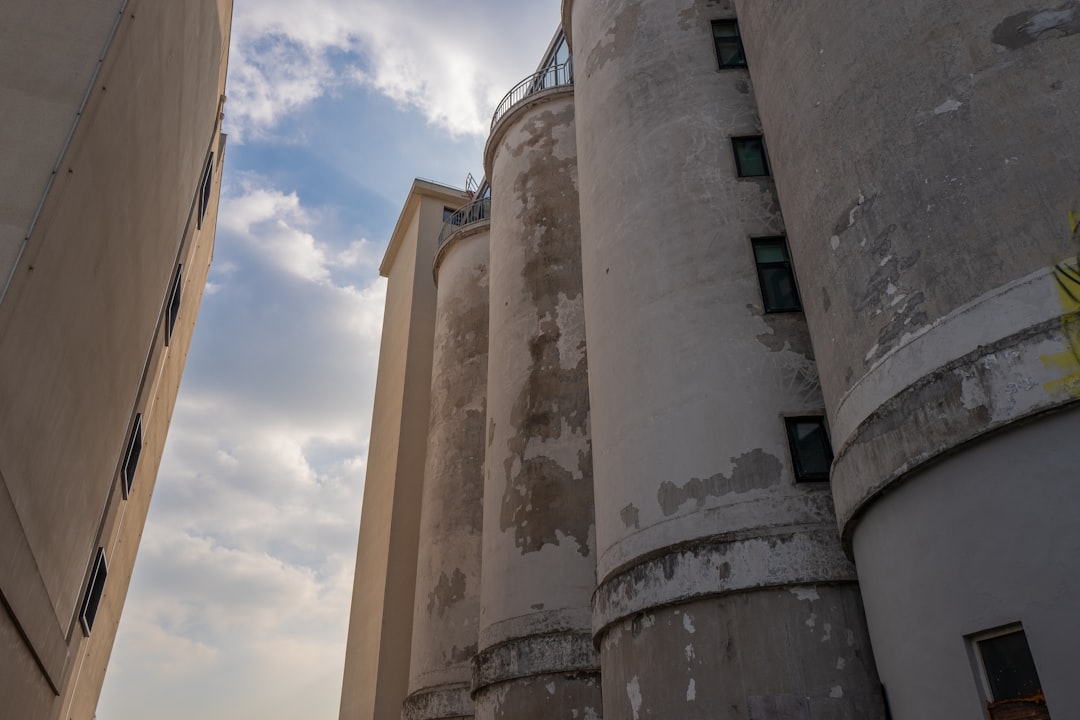
The foundational element of modern infrastructure, concrete, faces an existential threat. This isn’t a hyperbolic statement; it is a stark reality emerging from an often-overlooked commodity: sand. The widespread assumption that sand is an inexhaustible resource is being challenged by escalating demand and dwindling accessible reserves, casting a long shadow over the future of construction and urban development worldwide. This article investigates the multifaceted crisis of sand shortage, its ramifications for concrete production, and the potential pathways forward.
Sand, specifically silica sand and other granular materials, forms the crucial aggregate component in concrete, typically making up 60-75% of its volume. Without it, the binding properties of cement are insufficient to create a strong, durable material. The global appetite for sand is staggering, exceeding 50 billion tons annually, making it the most extracted natural resource after water. Learn about the environmental impacts of sand mining in this informative video.
The Composition of Concrete
Concrete’s strength and stability are directly linked to the careful proportioning of its constituent materials.
Aggregates: The Bulk of Concrete
- Coarse Aggregates: Typically gravel, crushed stone, or recycled concrete, providing the volumetric stability.
- Fine Aggregates (Sand): Fills the voids between coarse aggregates, improving workability, strength, and reducing permeability. The angularity and size distribution of sand particles are critical for optimal concrete properties.
Binders and Water
- Cement: The hydraulic binder that reacts with water to form the paste that coats the aggregates and hardens.
- Water: Initiates the chemical reaction with cement (hydration) and facilitates workability.
The Ubiquity of Concrete
Concrete is the backbone of almost every built environment. Its versatility, strength, and relatively low cost have made it the material of choice for a vast array of applications.
Essential Applications of Concrete
- Buildings: Foundations, walls, floors, and structural elements of residential, commercial, and industrial structures.
- Infrastructure: Roads, bridges, dams, tunnels, ports, airports, and wastewater treatment plants.
- Urbanization: Pavements, sidewalks, and public spaces.
- Coastal Protection: Breakwaters and sea defenses.
The relentless pace of urbanization and infrastructure development, particularly in emerging economies, drives an ever-increasing demand for concrete, and by extension, for the sand it requires.
The ongoing sand shortage has significantly impacted concrete production, leading to a crisis in the construction industry. As demand for concrete continues to rise, the depletion of sand resources poses a serious challenge for builders and developers. For a deeper understanding of this pressing issue, you can read a related article that explores the implications of the sand shortage on global construction practices and potential solutions. Check it out here: Sand Shortage and Concrete Production Crisis.
The Shrinking Supply: Depletion and Environmental Impact
The illusion of infinite sand has led to unsustainable extraction practices that are rapidly exhausting accessible reserves and causing significant environmental damage. The perceived abundance often overlooks the specific type of sand required for concrete production. Desert sand, for instance, is often too fine and rounded by wind erosion to bind effectively in concrete.
Over-extraction from Riverbeds and Beaches
Historically, riverbeds and coastal areas have been primary sources of construction sand due to accessibility and suitable particle characteristics.
Ecological Consequences of Riverine Mining
- Riverbed Degradation: Deepening of river channels, leading to increased erosion of banks and instability of bridges and other infrastructure.
- Groundwater Depletion: Lowering of the water table, impacting agricultural lands and drinking water supplies.
- Biodiversity Loss: Destruction of aquatic habitats and disruption of riverine ecosystems.
- Saline Intrusion: In coastal areas, excessive sand extraction can lead to saltwater penetrating freshwater aquifers.
Coastal Erosion
- Beach Disappearance: Removal of beach sand accelerates coastal erosion, threatening coastal communities and ecosystems.
- Loss of Protection: Beaches act as natural barriers against storm surges and rising sea levels; their removal exacerbates vulnerability.
Illegal Sand Mining
The lucrative nature of sand extraction has fueled a vast global black market, often controlled by criminal organizations. This illegal activity exacerbates environmental damage, bypasses regulations, and can lead to violence and human rights abuses.
unregulated Practices
- Environmental Devastation: Operates without any environmental impact assessments or mitigation measures.
- Economic Disparities: Undermines legitimate businesses and deprives governments of tax revenues.
- Social Conflict: Often leads to conflicts with local communities, displacement, and violence.
Economic and Social Ripples: The Cost of Scarcity
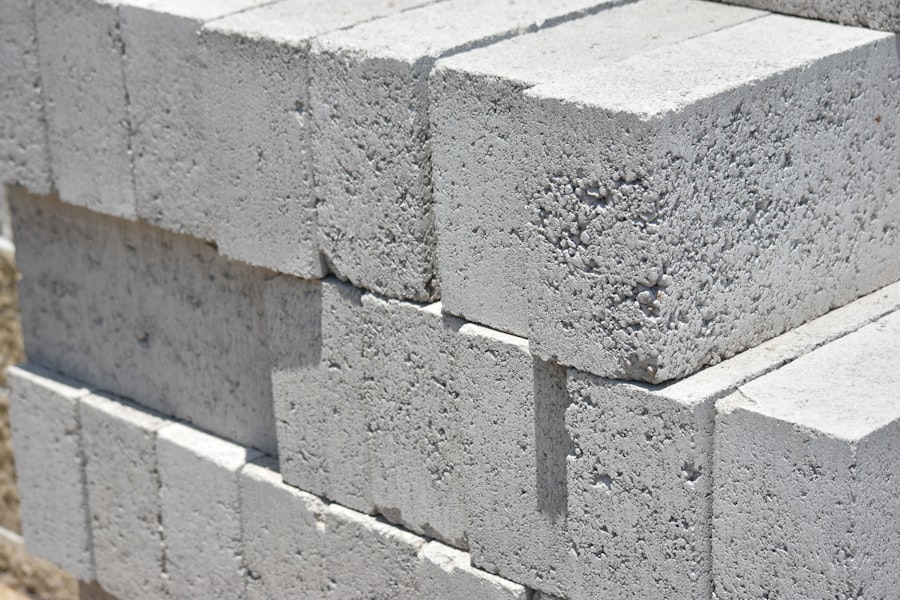
The impending sand crisis is not merely an environmental concern; it carries profound economic and social implications that will profoundly affect nations and industries.
Rising Construction Costs
As accessible sand reserves diminish, the cost of extraction, processing, and transportation naturally increases. This directly translates into higher material costs for concrete, which subsequently drives up overall construction expenses.
Impact on Development Projects
- Infrastructure Investment: Higher costs may delay or abandon critical infrastructure projects, hindering economic growth.
- Housing Affordability: The increased cost of building materials directly impacts housing prices, potentially exacerbating affordability crises in urban centers.
- Competitive Disadvantage: Nations heavily reliant on imported sand or facing severe domestic shortages may experience a competitive disadvantage in construction.
Geopolitical Tensions
The scarcity of a fundamental resource like sand has the potential to become a catalyst for geopolitical tensions, particularly among nations with shared waterways or competing interests in coastal regions.
Cross-border Disputes
- Shared River Basins: Disputes over sand extraction rights in international river systems could escalate.
- Maritime Boundaries: Competition for offshore sand deposits in disputed maritime zones might intensify.
- Resource Nationalism: Nations may impose restrictions on sand exports to safeguard domestic supplies, leading to diplomatic friction.
Social and Community Impact
Beyond the economic sphere, the sand crisis directly impacts communities, especially those living near extraction sites or reliant on the ecological services provided by sand-rich environments.
Livelihood Disruption
- Fishing Communities: Degradation of river and coastal ecosystems threatens the livelihoods of fishing communities.
- Agricultural Impact: Lowered water tables and saline intrusion can render agricultural land unproductive.
- Displacement: Communities may be displaced due to severe environmental degradation or the expansion of mining operations.
Health and Safety Concerns
- Air Pollution: Sand dredging and transportation can generate significant dust, impacting air quality and respiratory health.
- Water Quality: Runoff from mining operations can contaminate water sources, posing health risks.
- Increased Accident Risk: Illegal and unregulated mining operations often lack safety protocols, leading to accidents and fatalities.
Innovation and Alternatives: Charting a Sustainable Path
Addressing the sand crisis necessitates a multi-pronged approach encompassing sustainable extraction practices, the development of alternative materials, and a fundamental shift in consumption patterns.
Sustainable Extraction Practices
While demand for natural sand will likely remain high for the foreseeable future, more responsible and regulated extraction methods can mitigate environmental damage.
Permitting and Monitoring
- Environmental Impact Assessments (EIAs): Thorough assessments before granting extraction permits to identify and mitigate potential harm.
- Strict Regulations: Enforcing limits on extraction volumes, depths, and locations to prevent over-exploitation.
- Real-time Monitoring: Utilizing technology (e.g., satellite imagery, drones) to monitor extraction activities and deter illegal mining.
Rehabilitation and Restoration
- Post-extraction Restoration: Mandating and enforcing the ecological restoration of mined sites to their original or a designated beneficial state.
- Sediment Management: Integrating sand extraction into broader river basin management plans to minimize ecological disruption and ensure sediment balance.
Recycled and Alternative Materials
Innovation in material science offers promising avenues to reduce reliance on virgin sand. This includes utilizing waste products and developing novel binders.
Recycled Concrete Aggregate (RCA)
- Crushed Concrete: Old concrete can be crushed and processed into aggregates, replacing a portion of both coarse and fine natural aggregates.
- Benefits: Reduces landfill waste, conserves virgin materials, and can sometimes improve certain concrete properties.
- Challenges: Removal of contaminants, consistency of quality, and processing costs.
Industrial and Agricultural Waste
- Fly Ash: A byproduct of coal combustion, often used as a supplementary cementitious material (SCM), which can partially replace cement and fine aggregates.
- Ground Granulated Blast-furnace Slag (GGBS): A byproduct of steel production, also an SCM, improving concrete durability and reducing cement content.
- Glass Cullet: Crushed waste glass can be used as a fine aggregate, though reactivity with cement needs careful management.
- Rice Husk Ash: A byproduct of rice milling, can act as an SCM, particularly in developing regions.
Manufactured Sands
- Crushed Rock: Quarrying and crushing larger rocks to produce sand-sized particles. This is a viable alternative where suitable rock deposits exist.
- Benefits: Consistent quality, reduced reliance on riverine sources.
- Challenges: Energy intensity of crushing, potential for different particle shapes affecting workability.
Novel Binders and Geopolymers
- Alkali-Activated Materials (Geopolymers): Binders created from industrial byproducts like fly ash or slag, activated by alkaline solutions. These can potentially replace cement entirely and require less sand.
- Challenges: Curing conditions, cost, and widespread adoption.
The ongoing sand shortage is significantly impacting the concrete production industry, leading to concerns about the sustainability of construction practices worldwide. As demand for concrete continues to rise, the scarcity of this essential ingredient poses a serious challenge for builders and developers. For a deeper understanding of the implications of this crisis, you can read a related article that explores the various factors contributing to the sand shortage and its effects on the construction sector. To learn more, visit this insightful article.
Policy and Governance: A Framework for Change
| Metric | Value | Unit | Notes |
|---|---|---|---|
| Global Sand Consumption | 40 | Billion tons/year | Estimated annual global sand use |
| Concrete Production | 25 | Billion tons/year | Concrete accounts for majority of sand use |
| Sand Shortage Impact on Production | 15-20 | % reduction | Estimated decrease in concrete output in affected regions |
| Average Sand Price Increase | 30-50 | % increase | Price rise due to scarcity over last 5 years |
| Regions Most Affected | Asia, Middle East, Africa | Regions | High demand and limited sustainable supply |
| Alternative Materials Usage | 5-10 | % of total concrete mix | Use of recycled aggregates and manufactured sand |
| Environmental Impact | High | Qualitative | Sand mining causing habitat destruction and erosion |
Effective policy and governance are paramount to navigate the sand crisis. This requires coordinated national and international efforts to regulate extraction, promote alternatives, and foster responsible consumption.
National Legislation and Enforcement
Governments play a critical role in establishing and enforcing legal frameworks for sand management.
Robust Regulatory Bodies
- Permitting Systems: Implementing transparent and corruption-resistant permitting processes for sand extraction.
- Environmental Protection Laws: Strengthening laws that protect critical habitats and ecosystems from mining impacts.
- Penalties for Illegal Mining: Increasing penalties and improving enforcement to deter illegal sand extraction.
Strategic Resource Planning
- National Sand Audits: Conducting comprehensive assessments of sand reserves and projected demand to inform policy.
- Land-Use Planning: Integrating sand resource management into broader land-use planning to balance development with conservation.
International Cooperation
The transboundary nature of river systems and the global supply chain for construction materials necessitate international collaboration.
Cross-border Agreements
- Shared Water Resources: Developing agreements for sustainable sand management in international river basins.
- Information Sharing: Facilitating the exchange of best practices, data, and research on sand alternatives and sustainable extraction.
Combating Illegal Trade
- International Task Forces: Collaborating to combat the global illegal trade in sand, including tracking illicit financial flows.
- Supply Chain Transparency: Promoting efforts to make supply chains for construction materials more transparent to identify and eliminate illegally sourced sand.
Promoting Circular Economy Principles
A shift towards a circular economy in construction is essential, focusing on reducing, reusing, and recycling materials.
Design for Deconstruction
- Material Reuse: Designing buildings and infrastructure for easier deconstruction and recovery of materials for reuse.
- Modularity: Utilizing modular construction techniques that facilitate dismantling and reassembly.
Sustainable Procurement
- Government Mandates: Encouraging public sector projects to prioritize the use of recycled aggregates and sustainable materials.
- Industry Standards: Developing and promoting industry standards that incentivize the use of alternatives to virgin sand.
The sand crisis is a complex, multi-dimensional challenge, but it is not insurmountable. By recognizing the true value and finite nature of sand, embracing innovative technologies, and implementing robust governance frameworks, humanity can navigate this looming threat and continue to build a sustainable future. The choices made today concerning this humble yet indispensable resource will shape the infrastructure and ecological well-being of generations to come. The time to act decisively is now, before the sands of time truly run out.
WATCH THIS! 🏗️ SAND MINING MAFIA: The $70 Billion Crime Wave Destroying Rivers & Killing Journalists
FAQs
What is causing the sand shortage in concrete production?
The sand shortage in concrete production is primarily caused by increased demand for construction materials, environmental regulations limiting sand mining, and depletion of easily accessible sand sources. Rapid urbanization and infrastructure development have significantly increased the need for sand, while sustainable mining practices and ecological concerns restrict supply.
Why is sand important for concrete production?
Sand is a crucial component of concrete as it acts as a fine aggregate that fills voids between coarse aggregates, providing strength, durability, and workability to the concrete mix. It helps bind the cement and aggregates together, ensuring the structural integrity of concrete.
What are the environmental impacts of sand mining?
Sand mining can lead to habitat destruction, riverbank erosion, groundwater depletion, and loss of biodiversity. Excessive extraction disrupts aquatic ecosystems and can cause sedimentation issues downstream, affecting water quality and local communities.
How does the sand shortage affect the construction industry?
The sand shortage leads to increased costs and delays in construction projects due to limited availability of quality sand. It can also result in the use of substandard materials, compromising the safety and longevity of structures.
Are there alternatives to natural sand in concrete production?
Yes, alternatives include manufactured sand (crushed rock sand), recycled construction waste, and industrial by-products like slag or fly ash. These substitutes can reduce reliance on natural sand but may require adjustments in concrete mix design to maintain performance.
What measures are being taken to address the sand shortage?
Measures include promoting sustainable sand mining practices, developing alternative materials, recycling construction debris, and implementing stricter regulations to prevent illegal mining. Research into innovative concrete technologies and materials is also ongoing to reduce sand dependency.
Can the sand shortage lead to a concrete production crisis?
Yes, if the sand shortage persists without effective mitigation, it can cause significant disruptions in concrete production, leading to increased costs, project delays, and potential compromises in construction quality, thereby creating a crisis in the construction sector.
How can consumers and builders contribute to mitigating the sand shortage?
Consumers and builders can support sustainable construction by using alternative materials, recycling concrete waste, opting for designs that require less concrete, and advocating for responsible sourcing of construction materials. Awareness and demand for sustainable practices can drive industry change.