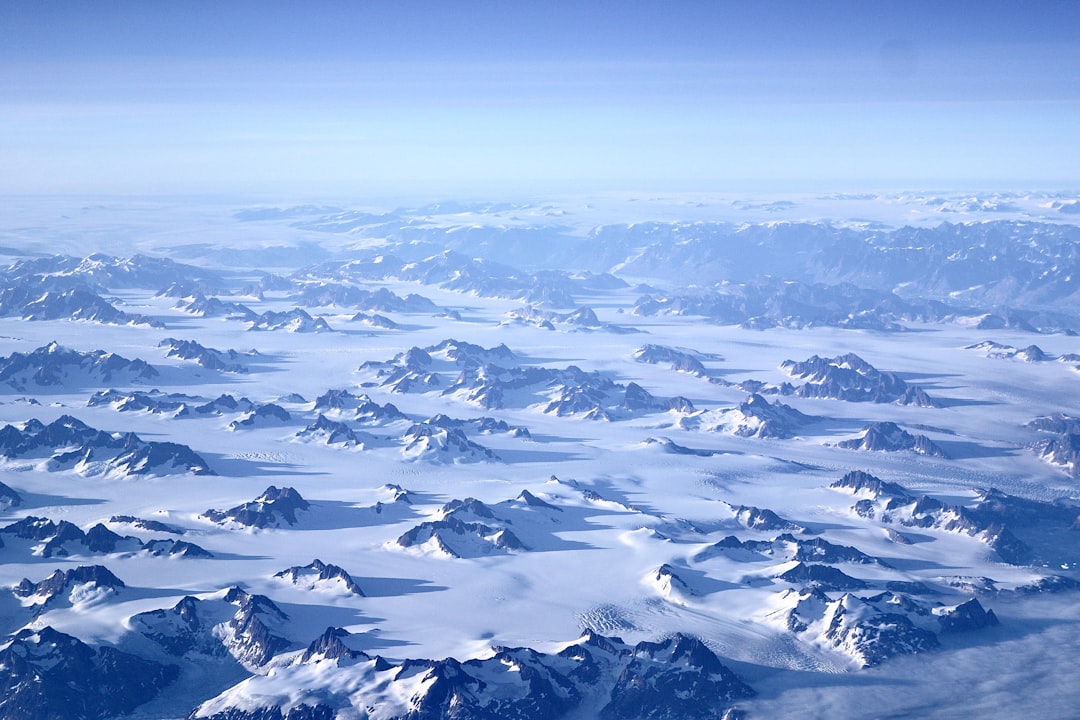
Beneath the vast, icy expanse of Antarctica lies a landmass shrouded in mystery and intrigue. This hidden geological feature, concealed under thick layers of ice, has captured the attention of scientists and researchers worldwide. The landmass, which has only recently come to light through advanced imaging technologies, presents a unique opportunity to explore the Earth’s geological history and understand the dynamics of climate change.
As the ice continues to melt due to rising global temperatures, the secrets of this enigmatic landform are slowly being revealed, prompting questions about its origins, composition, and potential implications for the planet. The significance of this landmass extends beyond mere curiosity; it holds vital clues about the Earth’s past and future. As researchers delve deeper into its geological features, they hope to uncover insights that could reshape our understanding of climate patterns and sea-level rise.
The journey to uncover the mysteries beneath the Antarctic ice is not just a scientific endeavor; it is a quest that could have profound implications for humanity’s relationship with the planet.
Key Takeaways
- The discovery of a mysterious landmass beneath the Antarctic ice has sparked interest and intrigue among scientists and researchers.
- Geological and geographic features of the landmass suggest a complex and unique formation process, raising questions about its origins.
- The potential impact of the landmass on climate and sea levels has led to increased research efforts to study its properties and behavior.
- Challenges of studying the landmass beneath the Antarctic ice include extreme weather conditions, limited access, and technological limitations.
- The significance of the landmass for understanding Earth’s history and potential for discovering new species or ecosystems has prompted international collaboration in studying the area.
Discovery of the Landmass
The discovery of the landmass beneath the Antarctic ice was made possible through a combination of advanced radar technology and satellite imagery.
This groundbreaking work was part of a broader initiative to understand the dynamics of ice sheets and their contributions to sea-level rise.
As scientists analyzed the data, they were astonished to find a substantial landform that had previously eluded detection. The initial findings sparked excitement within the scientific community, leading to further investigations and collaborative efforts. The landmass was identified as a significant geological feature, prompting researchers to consider its implications for both local ecosystems and global climate patterns.
The discovery underscored the importance of continued exploration in remote regions like Antarctica, where technological advancements can unveil secrets that have long been buried under ice. As more data emerged, it became clear that this landmass was not just an isolated feature but part of a complex geological landscape with far-reaching consequences.
Geological and Geographic Features of the Landmass
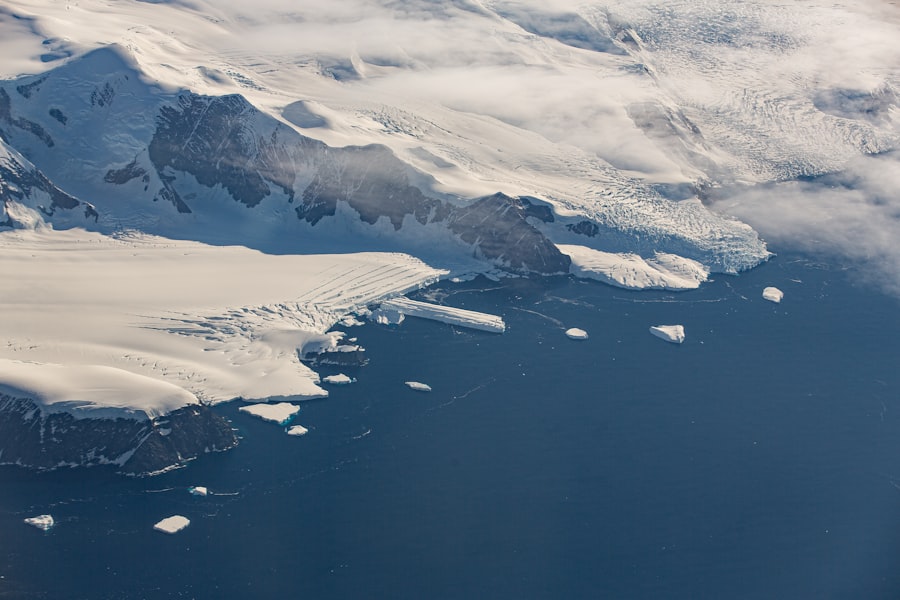
The geological features of the newly discovered landmass are as diverse as they are intriguing. Preliminary studies suggest that it consists of a variety of rock types, including ancient sedimentary layers and volcanic formations. These characteristics indicate a dynamic geological history, shaped by tectonic activity and climatic changes over millions of years.
The landmass is believed to be part of a larger network of subglacial features that contribute to the overall topography of Antarctica. Geographically, the landmass is situated beneath one of the thickest ice sheets on Earth, making access challenging. Its elevation and contours are critical for understanding how ice flows and behaves in response to environmental changes.
The presence of valleys, ridges, and other topographical features suggests that this landmass has played a significant role in shaping the Antarctic landscape. As researchers continue to analyze its structure, they hope to gain insights into how these features interact with the overlying ice and influence glacial dynamics.
Theories about the Formation of the Landmass
| Theories | Description |
|---|---|
| Continental Drift Theory | Proposed by Alfred Wegener, suggests that continents were once joined together in a single landmass called Pangaea and have since drifted apart. |
| Plate Tectonics Theory | Suggests that the Earth’s outer shell is divided into several plates that glide over the mantle, causing the formation and movement of landmasses. |
| Volcanic Activity Theory | States that landmasses are formed through the accumulation of volcanic materials, such as lava and ash, which solidify and build up over time. |
| Erosion and Weathering Theory | Posits that landmasses are shaped and formed through the processes of erosion and weathering, which break down and transport materials to create new landforms. |
Several theories have emerged regarding the formation of the landmass beneath the Antarctic ice. One prevailing hypothesis suggests that it is a remnant of ancient continental crust that has been preserved beneath layers of ice for millions of years. This theory posits that tectonic forces played a crucial role in shaping the landmass, with geological processes such as uplift and erosion contributing to its current form.
Understanding these processes is essential for reconstructing the geological history of Antarctica and its role in global tectonics. Another theory proposes that the landmass may have formed as a result of volcanic activity. The presence of volcanic rock within its structure supports this idea, indicating that magma may have intruded into existing rock formations during periods of tectonic activity.
This volcanic origin could have significant implications for understanding not only the landmass itself but also the broader geological processes at play in Antarctica. As researchers gather more data, they aim to refine these theories and develop a comprehensive understanding of how this mysterious landform came into existence.
Potential Impact of the Landmass on Climate and Sea Levels
The potential impact of the landmass on climate and sea levels cannot be overstated. As global temperatures rise and ice sheets continue to melt, understanding how this hidden feature interacts with its environment becomes increasingly critical. The landmass may influence glacial dynamics by affecting how ice flows and behaves under pressure.
If it serves as a barrier or conduit for glacial movement, it could significantly alter patterns of ice loss in Antarctica. Moreover, the melting of surrounding ice could lead to increased sea-level rise, with far-reaching consequences for coastal communities worldwide. The landmass’s stability or instability may play a pivotal role in determining how quickly ice sheets disintegrate in response to warming temperatures.
Researchers are particularly interested in modeling these interactions to predict future scenarios and assess potential risks associated with climate change. The insights gained from studying this landform could inform global climate policy and adaptation strategies.
Research Efforts to Study the Landmass
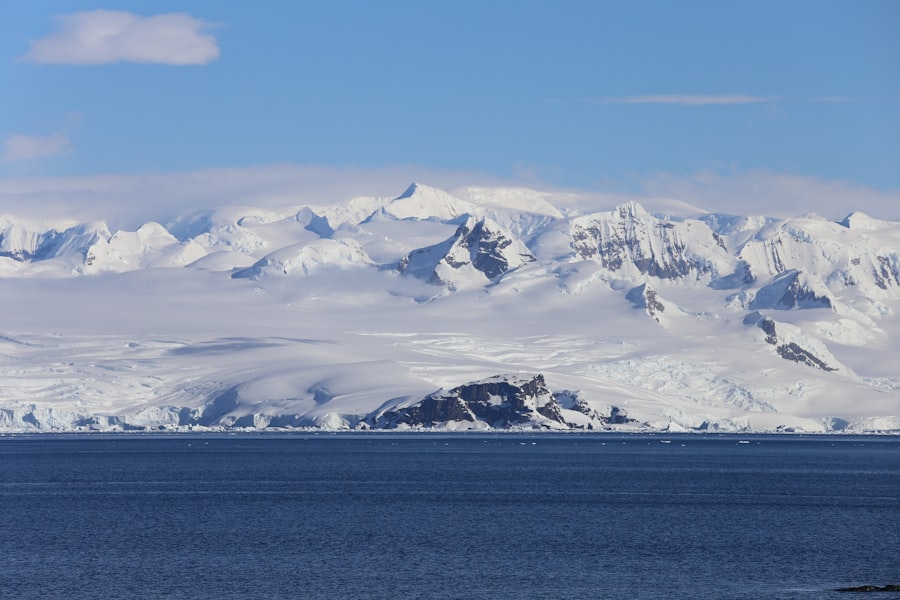
Research efforts aimed at studying the landmass beneath Antarctic ice are multifaceted and involve collaboration among international teams of scientists. These researchers employ various techniques, including remote sensing, field studies, and computer modeling, to gather data about the landform’s characteristics and behavior. Ice-penetrating radar remains one of the most valuable tools in this endeavor, allowing scientists to visualize subglacial features without direct access.
In addition to radar technology, researchers are also utilizing satellite observations to monitor changes in ice thickness and movement over time. This comprehensive approach enables them to build a more complete picture of how the landmass interacts with its icy surroundings. Collaborative projects often involve sharing data across institutions and countries, highlighting the importance of teamwork in addressing complex scientific questions related to climate change and geology.
Challenges of Studying the Landmass Beneath the Antarctic Ice
Studying a landmass hidden beneath thick layers of ice presents numerous challenges for researchers. One significant obstacle is access; reaching remote areas in Antarctica requires careful planning and logistics due to harsh weather conditions and difficult terrain. The extreme cold can also pose risks to equipment and personnel, necessitating specialized gear and protocols to ensure safety during fieldwork.
Additionally, interpreting data from ice-penetrating radar can be complex. The presence of multiple layers of ice can obscure underlying features, making it challenging to discern their true nature. Researchers must carefully analyze their findings while accounting for potential sources of error or misinterpretation.
Despite these challenges, scientists remain committed to unraveling the mysteries beneath Antarctica’s icy surface, driven by the potential discoveries that await them.
Significance of the Landmass for Understanding Earth’s History
The significance of the landmass beneath Antarctic ice extends far beyond its immediate geological features; it offers valuable insights into Earth’s history as a whole. By studying this hidden landscape, researchers can gain a better understanding of past climatic conditions, tectonic activity, and even biological evolution in extreme environments. The geological record preserved within this landform may hold clues about how Earth has responded to previous periods of warming and cooling.
Furthermore, understanding the history of this landmass can shed light on broader patterns in Earth’s geological evolution. It may provide context for significant events such as continental drift or mass extinctions, helping scientists piece together a more comprehensive narrative about our planet’s past. As researchers continue their investigations, they hope to unlock secrets that could reshape our understanding of Earth’s dynamic history.
Potential for Discovering New Species or Ecosystems
The discovery of a landmass beneath Antarctic ice also raises exciting possibilities for uncovering new species or ecosystems previously unknown to science. The extreme conditions found in subglacial environments may harbor unique life forms adapted to survive in isolation from the outside world. Microbial life, in particular, has shown remarkable resilience in extreme environments, leading scientists to speculate about what might exist beneath layers of ice.
Exploring these hidden ecosystems could provide valuable insights into biodiversity and evolutionary processes in extreme conditions. Additionally, studying how life adapts to such environments may inform our understanding of potential life on other planets or moons within our solar system. The prospect of discovering new species adds an element of excitement to ongoing research efforts, highlighting the importance of preserving these fragile ecosystems as climate change continues to threaten their existence.
International Collaboration in Studying the Landmass
International collaboration plays a crucial role in studying the landmass beneath Antarctic ice. Given the complexity and scale of research efforts required, scientists from various countries often come together to share resources, expertise, and data. Collaborative projects not only enhance scientific understanding but also foster goodwill among nations working toward common goals related to climate research and environmental conservation.
Organizations such as the Scientific Committee on Antarctic Research (SCAR) facilitate cooperation among researchers by providing platforms for sharing findings and coordinating efforts across disciplines. These collaborative initiatives underscore the importance of collective action in addressing global challenges posed by climate change and environmental degradation. By pooling knowledge and resources, scientists can tackle complex questions related to Antarctica’s hidden landscapes more effectively.
Future Prospects for Uncovering the Mysteries of the Landmass Beneath Antarctic Ice
As research efforts continue to advance, future prospects for uncovering the mysteries surrounding the landmass beneath Antarctic ice appear promising. Technological innovations in remote sensing and data analysis will likely enhance scientists’ ability to explore this hidden terrain further. Additionally, ongoing international collaboration will facilitate knowledge sharing and resource allocation necessary for comprehensive studies.
The potential discoveries awaiting researchers are vast; from understanding geological processes that shaped our planet’s history to uncovering unique ecosystems adapted to extreme conditions, each finding could contribute significantly to scientific knowledge. As climate change continues to reshape Antarctica’s landscape, there is an urgent need for continued exploration and study of this enigmatic landform. Ultimately, unlocking its secrets may not only deepen humanity’s understanding of Earth but also inform strategies for addressing pressing environmental challenges facing our planet today.
Recent studies have unveiled a hidden landmass beneath the Antarctic ice, sparking significant interest in the scientific community. This discovery has profound implications for our understanding of Earth’s geological history and climate change. For those interested in exploring more about the mysteries of our planet, a related article on the geological wonders and hidden secrets of the Earth can be found on Real Lore and Order. This article delves into various enigmatic phenomena and offers insights into the ongoing research in these areas. To read more, visit Real Lore and Order.
WATCH THIS 🧊The US Military Confirmed It: What’s REALLY Under the Antarctic Ice?
FAQs
What is the hidden landmass under Antarctic ice?
The hidden landmass under Antarctic ice refers to a newly discovered landmass located beneath the thick ice of Antarctica. This landmass was discovered through the use of advanced technology such as satellite imaging and radar mapping.
How was the hidden landmass under Antarctic ice discovered?
The hidden landmass under Antarctic ice was discovered using a combination of satellite imaging and radar mapping. These technologies allowed scientists to penetrate through the thick ice and uncover the presence of a previously unknown landmass.
What is the significance of the discovery of the hidden landmass under Antarctic ice?
The discovery of the hidden landmass under Antarctic ice is significant as it provides new insights into the geological history and formation of Antarctica. It also has the potential to impact our understanding of climate change and sea level rise, as the presence of a landmass could affect the stability of the ice sheet.
What are the potential implications of the hidden landmass under Antarctic ice?
The discovery of the hidden landmass under Antarctic ice could have implications for scientific research, environmental conservation, and climate change studies. It may also lead to further exploration and study of the region to better understand its impact on the surrounding environment.
Is the hidden landmass under Antarctic ice accessible for exploration?
The hidden landmass under Antarctic ice is currently inaccessible for direct exploration due to the thick ice covering it. However, scientists are using advanced technologies to study and map the landmass from a distance, providing valuable insights into its geological features and potential significance.