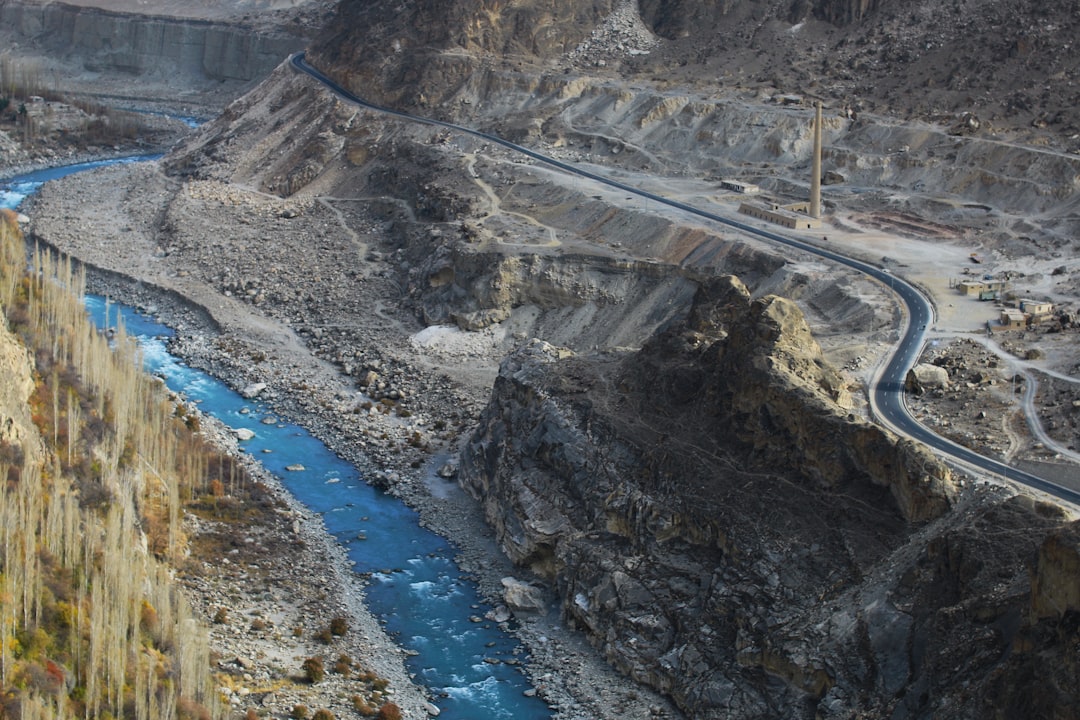
The indiscriminate extraction of sand from riverbeds has emerged as a critical global environmental issue, triggering a cascade of detrimental effects on ecological systems and human infrastructure. This practice, often driven by the insatiable demand for construction materials, fundamentally alters the natural dynamics of riverine environments, leading to a host of devastating consequences, one of the most prominent being riverbank collapse.
Sand, a granular material composed of finely divided rock and mineral particles, plays a pivotal role in maintaining the structural integrity of river systems. It acts as the “bones and sinews” of a river, anchoring its banks, shaping its channel, and regulating its flow. When this fundamental component is systematically removed, the river’s inherent stability is severely compromised, much like removing the foundations of a building. Learn about the environmental impacts of sand mining in this informative video.
Alteration of River Morphology
- Channel Deepening and Widening: Sand extraction directly leads to the deepening of the river channel in the immediate vicinity of the mining operation. This increased depth can, in turn, facilitate erosion of the riverbanks, as the river’s flow energy is concentrated in a smaller, deeper cross-section. The removal of bed material also prompts the river to try and regain its equilibrium by eroding material laterally, leading to a widening of the channel.
- Destabilization of Riverbed: The removal of sand from the riverbed disrupts the natural armor layer that protects it from erosion. This allows the water current to scour the underlying, finer sediments, further deepening the channel and making it more susceptible to further erosion during high flow events.
- Changes in Flow Velocity and Patterns: A deeper and wider channel modifies the river’s hydraulic characteristics. Flow velocity can increase or decrease depending on the specific geometry and gradient, but critically, the overall flow patterns are altered. These changes can concentrate erosive forces on vulnerable areas of the riverbank that were previously protected by natural sand deposits.
Impact on Bank Materials and Structure
- Undermining of Bank Toe: The most direct cause of riverbank collapse stemming from sand mining is the undermining of the bank toe. This critical section of the bank, where it meets the riverbed, provides vital support to the overburdened soil above. As sand is removed from the bed, the water’s erosive power is directed at this exposed bank toe, carving out a notch or overhang.
- Increased Pore Water Pressure: The removal of riverbed material can sometimes lead to a reduction in the water table within the adjacent banks. However, during periods of rapid river level fall (e.g., after a flood), the pore water pressure within the saturated bank material may not dissipate quickly enough. This creates an outward pressure that can exceed the shear strength of the bank material, contributing to failure.
- Loss of Riparian Vegetation Support: The roots of riparian vegetation (plants growing alongside rivers) are natural engineers, binding soil particles together and enhancing bank stability. Sand mining often involves the destruction or disturbance of this vegetation cover, either directly through the mining process or indirectly through the alteration of the bank’s hydrology and physical structure. The loss of this “root-reinforcement” significantly weakens the bank.
Sand mining has become a contentious issue, particularly due to its impact on riverbank stability and the environment. A related article that delves into the consequences of sand mining on riverbank collapse can be found at this link. The article discusses how excessive extraction of sand from riverbeds not only leads to erosion but also threatens local ecosystems and communities, highlighting the urgent need for sustainable practices in the industry.
The Domino Effect: Ecological Ramifications of Riverbank Collapse
Riverbank collapse is not an isolated event; it triggers a cascade of ecological disturbances that ripple through the entire riverine ecosystem, affecting both aquatic and terrestrial life. Readers should understand that this is not merely a localized issue.
Habitat Destruction and Fragmentation
- Loss of Aquatic Habitats: The slumping of riverbanks introduces large quantities of sediment into the water column. This sedimentation can smother important aquatic habitats such as spawning grounds for fish, benthic macroinvertebrate communities (the foundation of the aquatic food web), and submerged vegetation. Fine sediments can also clog the gills of fish and other aquatic organisms.
- Disruption of Riparian Corridors: Riparian zones – the interfaces between land and a river – are biodiversity hotspots, providing critical habitats, food sources, and migratory pathways for a wide array of species, including amphibians, reptiles, birds, and mammals. Bank collapse destroys these essential corridors, fragmenting habitats and isolating populations, making them more vulnerable to extinction.
- Changes in Water Quality: Increased turbidity from suspended sediments reduces light penetration, impacting photosynthetic aquatic plants and algae, which form the base of the food chain. The release of fine sediments can also alter water temperature, dissolved oxygen levels, and nutrient cycling, creating an unsuitable environment for many aquatic species.
Impact on Biodiversity
- Decline in Fish Populations: Many fish species rely on stable banks for spawning and rearing their young. The loss of these stable habitats, coupled with increased sedimentation and altered water quality, leads to significant declines in fish populations. Bottom-dwelling species are particularly affected by the smothering effects of sediment.
- Endangered Species Threat: Many river systems are home to endangered or endemic species adapted to specific habitat conditions. Riverbank collapse, by fundamentally altering these conditions, poses a direct threat to the survival of such vulnerable populations, pushing them closer to the brink.
- Reduced Food Availability: The disruption of the aquatic food web due to habitat degradation and water quality changes ultimately reduces the availability of food for higher trophic levels, including fish, birds that feed on aquatic insects, and various mammals.
Human Vulnerability: Socioeconomic Costs of Unchecked Mining
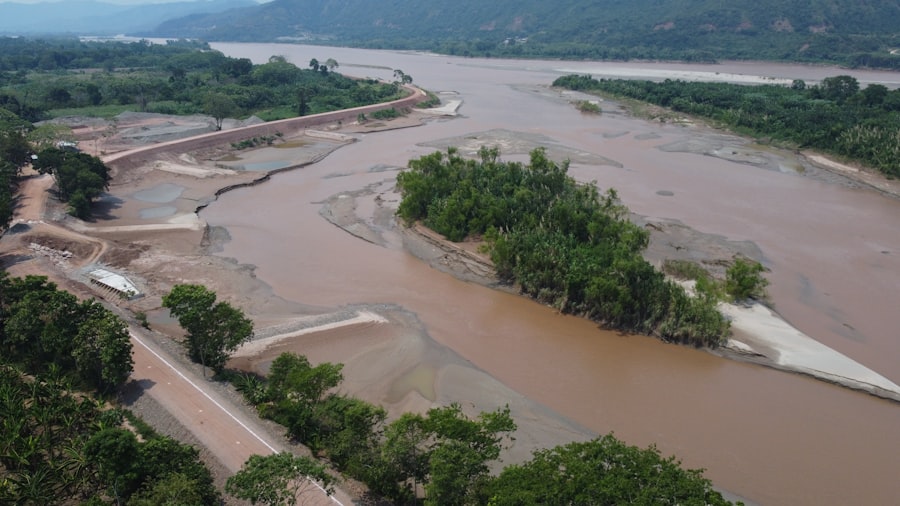
Beyond the environmental devastation, riverbank collapse often translates into significant socioeconomic costs, directly impacting human lives and livelihoods. The river, once a source of sustenance, can become a source of peril.
Infrastructure Damage and Loss
- Damage to Bridges and Roads: Riverbanks often serve as the foundation for critical infrastructure like bridges, roads, and pipelines. When banks collapse, these structures can be severely damaged or completely destroyed, leading to massive reconstruction costs, disruptions to transportation, and isolation of communities.
- Threat to Buildings and Settlements: Communities situated near rivers are particularly vulnerable. Bank erosion and collapse can directly undermine the foundations of homes, businesses, and essential public buildings, forcing evacuations and leading to the loss of property and displacement of residents.
- Failure of Flood Protection Structures: Embankments and levees designed to protect communities from floods depend on stable riverbanks for their integrity. Bank collapse can compromise these structures, increasing the risk of catastrophic flooding and exacerbating the impact of natural disasters.
Economic Disruptions
- Loss of Agricultural Land: Fertile agricultural land often borders rivers, relying on the stable bank to prevent erosion. Bank collapse directly leads to the loss of this valuable land, impacting food security and the livelihoods of farming communities. The deposition of infertile sand and gravel onto arable land further reduces its productivity.
- Impact on Water Supply: River ecosystems are crucial sources of drinking water and irrigation. Increased sedimentation from bank collapse can clog water intake systems, increase filtration costs, and, in severe cases, contaminate water supplies, making them unsafe for consumption or unsuitable for irrigation.
- Fisheries Decline: For communities reliant on river fishing, the decline in fish populations due to habitat destruction directly impacts their primary source of income and food. This can lead to increased poverty and social instability.
A Call to Action: Mitigating the Crisis
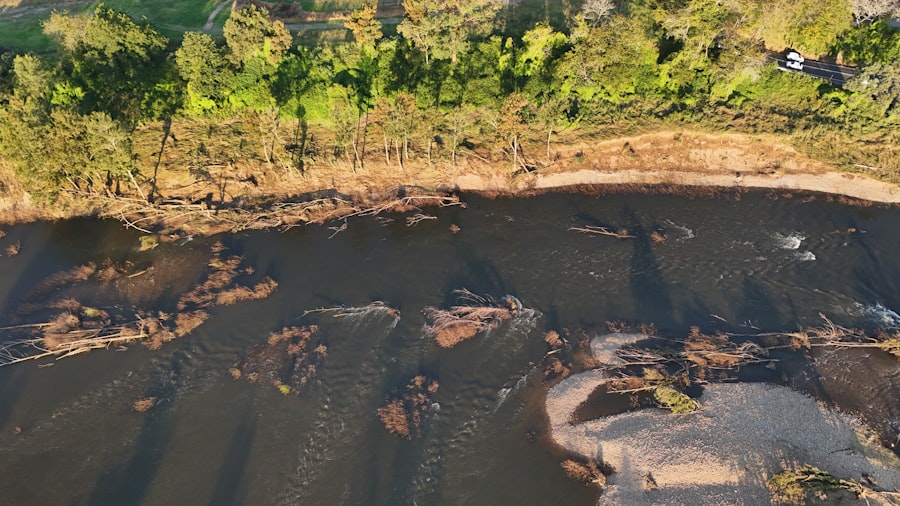
Addressing the crisis of riverbank collapse due to sand mining requires a multi-faceted approach involving stringent regulation, technological innovation, and community engagement. This is not a problem that will solve itself; it demands concerted human effort.
Policy and Regulatory Frameworks
- Stronger Enforcement of Mining Laws: Many regions already possess laws governing sand mining, but enforcement is often weak or absent. Governments must commit to robust monitoring, strict permitting processes, and the imposition of severe penalties for illegal mining operations. This includes investing in aerial surveillance, satellite imagery, and on-ground inspection teams.
- Sustainable Mining Practices: Where sand extraction is deemed necessary, it must adhere to strict environmental guidelines. This includes limiting the depth and extent of extraction, establishing buffer zones, rotating mining sites, and ensuring replenishment rates are taken into account. Techniques such as trench mining or off-channel mining can reduce direct riverbed impact.
- Demand-Side Management: Reducing the overall demand for virgin sand is crucial. This involves promoting the use of alternative construction materials such as recycled concrete, manufactured sand (crushed rock), and fly ash. Urban planning initiatives that encourage denser development can also reduce the need for new infrastructure requiring vast quantities of sand.
Restoration and Rehabilitation
- Bioengineering Techniques: Restoring collapsed riverbanks often involves bioengineering solutions that combine engineered structures with living plant material. Techniques like riparian revegetation, live cribwalls, brush layering, and fascines can stabilize banks, prevent further erosion, and restore ecological function.
- Sediment Management Strategies: In rivers where excessive sedimentation is an issue, strategies such as sediment traps, check dams (used carefully to avoid further disruption), and strategic dredging (when absolutely necessary and carefully planned) can help manage sediment loads and protect critical habitats.
- River Training and Channel Restoration: In severely degraded sections, more extensive river training techniques may be required to re-establish a stable channel and reduce erosive forces. This can include the strategic placement of boulders, deflector structures, or the creation of artificial meanders to dissipate energy.
Sand mining has become a pressing issue, particularly in regions where river bank collapses are increasingly common. The environmental impact of excessive sand extraction not only destabilizes riverbanks but also disrupts local ecosystems. For a deeper understanding of the consequences of sand mining, you can read a related article that explores these challenges in detail. The article highlights various case studies and offers insights into sustainable practices that could mitigate the risks associated with sand mining. To learn more about this critical topic, visit this article.
The Path Forward: Collective Responsibility
| Metric | Description | Typical Values | Impact on River Bank Stability |
|---|---|---|---|
| Sand Extraction Rate | Volume of sand removed per year (cubic meters) | 500 – 10,000 m³/year | Higher rates increase erosion and risk of collapse |
| Bank Erosion Rate | Length of river bank eroded annually (meters/year) | 0.5 – 5 m/year | Directly linked to sand mining intensity |
| Bank Collapse Frequency | Number of collapse events per year | 1 – 4 events/year | Increases with excessive sand mining |
| Water Table Depth | Depth to groundwater below river bank surface (meters) | 2 – 10 m | Lower water tables can destabilize banks |
| Vegetation Cover | Percentage of river bank covered by vegetation | 10% – 80% | Higher cover reduces erosion and collapse risk |
| Soil Cohesion | Measure of soil particle bonding strength (kPa) | 5 – 30 kPa | Lower cohesion increases susceptibility to collapse |
The challenge posed by sand mining and its devastating consequences, particularly riverbank collapse, is immense and complex. It is a stark reminder of humanity’s profound impact on natural systems. However, it is not insurmountable.
Community Engagement and Awareness
- Empowering Local Communities: Local communities are often the first to suffer the impacts of unchecked sand mining. Empowering them with knowledge, tools, and platforms to report illegal activities and advocate for sustainable practices is essential. Community-led monitoring programs can be highly effective.
- Public Education Campaigns: Raising public awareness about the ecological and socio-economic consequences of unsustainable sand mining is crucial. Informing consumers, industry stakeholders, and policymakers about the hidden costs of cheap sand can drive demand for more sustainable alternatives. Education campaigns can highlight the long-term benefits of preserving healthy river systems.
International Cooperation and Research
- Sharing Best Practices: Given that sand mining is a global issue, international cooperation is vital. Countries can share best practices in regulation, monitoring technologies, and river restoration techniques. Collaborative research efforts can also lead to more innovative solutions.
- Scientific Research and Monitoring: Continuous scientific research is necessary to better understand the complex interactions between sand mining, river dynamics, and ecological health. Investment in long-term monitoring programs can provide critical data to assess the effectiveness of mitigation measures and inform future policies. We, as inhabitants of this planet, must recognize that the choices we make regarding sand extraction today will determine the health and resilience of our river systems for generations to come. The integrity of our rivers is inextricably linked to the well-being of both natural ecosystems and human societies. It is a shared responsibility to safeguard these vital arteries of our planet.
WATCH THIS! 🏗️ SAND MINING MAFIA: The $70 Billion Crime Wave Destroying Rivers & Killing Journalists
FAQs
What is sand mining?
Sand mining is the process of extracting sand from riverbeds, beaches, or other natural sources for use in construction, manufacturing, and other industries.
How does sand mining affect river banks?
Sand mining can destabilize river banks by removing the natural sediment that supports the bank structure, leading to erosion and increased risk of collapse.
What causes river bank collapse due to sand mining?
River bank collapse occurs when excessive sand extraction weakens the soil and vegetation that hold the bank together, causing it to give way, especially during high water flow or flooding.
What are the environmental impacts of river bank collapse?
Environmental impacts include loss of habitat for aquatic and terrestrial species, increased sedimentation downstream, water pollution, and disruption of natural river flow.
Is sand mining regulated to prevent river bank collapse?
In many regions, sand mining is regulated through permits and environmental guidelines to minimize ecological damage and prevent river bank instability, though enforcement varies.
Can river banks recover after sand mining activities stop?
Yes, with proper restoration efforts such as replanting vegetation and stabilizing soil, river banks can gradually recover, but recovery may take years depending on the extent of damage.
What are safer alternatives to sand mining from river banks?
Alternatives include using manufactured sand, mining from offshore or inland sand deposits, and recycling construction materials to reduce reliance on river sand.
How can communities protect themselves from river bank collapse?
Communities can engage in sustainable sand mining practices, support riverbank restoration projects, and advocate for stronger regulations and monitoring to reduce collapse risks.
What role does vegetation play in preventing river bank collapse?
Vegetation stabilizes river banks by holding soil in place with roots, reducing erosion, and absorbing water, which helps maintain the integrity of the bank structure.
Are there economic impacts associated with river bank collapse from sand mining?
Yes, river bank collapse can damage infrastructure, reduce land value, disrupt local economies dependent on the river, and increase costs for repair and mitigation.