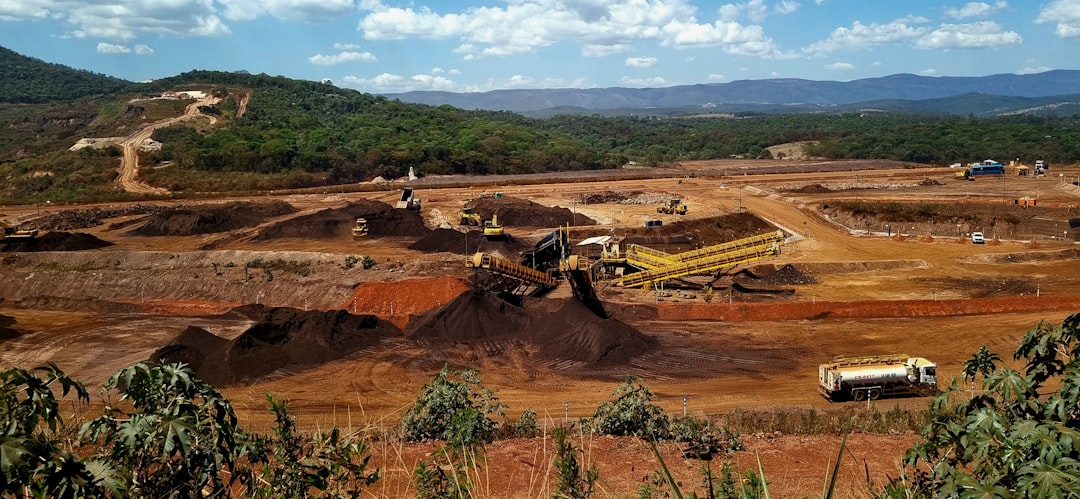
The extraction and trade of sand, a ubiquitous granular material, forms the bedrock of modern civilization, serving as a critical aggregate in concrete, asphalt, and glass production. However, this seemingly innocuous resource is increasingly entangled in opaque supply chains, fostering an environment ripe for corruption. This article undertakes an examination of the various facets of corruption within sand mining supply chains, delineating its methods, impacts, and potential countermeasures.
The unprecedented rates of urbanization and infrastructure development globally have propelled sand to the forefront of resource demand. This surge, however, exposes inherent vulnerabilities within extraction and distribution networks. Learn about the environmental impacts of sand mining in this informative video.
The Unseen Commodity: Sand’s Strategic Importance
Often overlooked in discussions of strategic resources, sand’s sheer volume of consumption dwarfs that of many other mined materials. Its low unit value, coupled with high transportation costs, often dictates localized extraction, creating numerous small, disparate operations. This fragmentation, unfortunately, acts as a fertile ground for illicit activities to take root.
Drivers of Corruption: A Perfect Storm
Several factors converge to create a “perfect storm” for corruption in sand mining. Rapid urbanization, for instance, generates immense and often urgent demand for construction materials, pushing regulatory bodies to the brink or creating opportunities for expedited, and often compromised, permitting processes. Furthermore, weak governance in many sand-rich regions provides ample avenues for exploitation.
Legal Frameworks: Gaps and Loopholes
Many nations possess nascent or inconsistently enforced legal frameworks pertaining to sand extraction. These regulatory lacunae can be exploited by illicit operators, who may acquire permits through bribery or operate entirely without authorization. The ambiguity surrounding property rights for submerged sand, for example, often leads to unregulated dredging.
Enforcement Deficiencies: A Weakdeterrent
Even where robust laws exist, their effective enforcement often lags. Limited resources for monitoring, insufficient personnel, and susceptibility to bribery among enforcement officials diminish the deterrent effect of legal prohibitions. This creates a low-risk, high-reward environment for corrupt actors.
Sand mining has become a focal point for discussions surrounding supply chain corruption, as highlighted in a related article that delves into the intricate web of illegal practices and environmental degradation associated with this industry. The article explores how corrupt practices not only undermine regulatory frameworks but also contribute to significant ecological damage and social injustices in communities dependent on these resources. For further insights, you can read the full article here: Sand Mining Supply Chain Corruption.
Manifestations of Corruption in Sand Mining
Corruption in sand mining takes a multitude of forms, each contributing to a complex web of illicit activities that undermine legal frameworks and harm communities.
Illegal Extraction and Smuggling: The Foundation of Illicit Operations
Perhaps the most blatant form of corruption involves the extraction of sand without proper authorization. This can range from individuals scooping sand from riverbeds to large-scale operations employing heavy machinery.
Unauthorized Mining Permits: The Illusion of Legality
In some instances, corrupt officials might issue permits for sand extraction without adhering to environmental regulations or without proper public consultation. These “paper permits” create an illusion of legality while facilitating environmentally destructive practices and enriching individuals.
Cross-Border Smuggling: The Silent Exodus of Resources
The discrepancy in sand prices and regulatory stringency across proximate borders can incentivize cross-border smuggling. Sand is often clandestinely transported across national boundaries, evading taxes and tariffs, and enriching criminal syndicates and corrupt border officials. This often involves falsification of documents and misdeclaration of cargo.
Bribery and Extortion: The Grease for Illicit Gears
Bribery and extortion act as the lubricants that keep the wheels of illicit sand mining turning, permeating various levels of the supply chain.
Permitting and Licensing Bribery: Buying Access
One of the most common forms of bribery occurs during the permitting and licensing process. Operators may offer bribes to officials to expedite applications, overlook environmental impact assessments, or secure exclusive extraction rights. This bypasses due diligence and undermines fair competition.
Extortion of Small-Scale Miners: The Price of Survival
Small-scale, often informal, sand miners are particularly vulnerable to extortion. They may be forced to pay “protection money” to local strongmen, criminal gangs, or even corrupt law enforcement officials simply to operate their rudimentary extraction activities. Failure to comply can result in violence or confiscation of their limited equipment.
Environmental and Socio-Economic Impacts
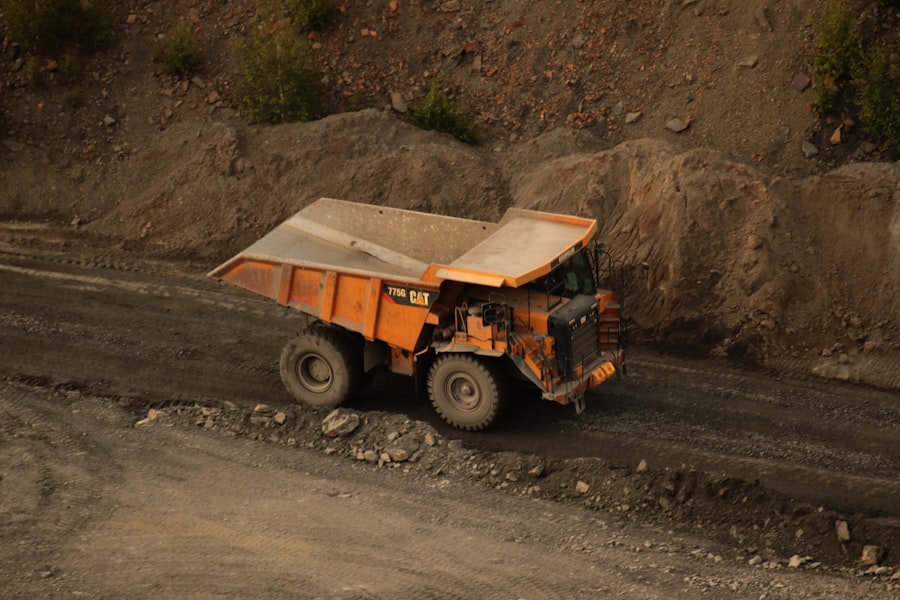
The ripple effects of corruption in sand mining extend far beyond financial losses, inflicting significant harm on the environment and local communities.
Ecological Degradation: A Scarred Landscape
Unregulated and illegal sand mining operations are notorious for their devastating environmental consequences. These activities are akin to a slow-motion ecological amputation, removing vital organs crucial for the health of ecosystems.
Riverbank Erosion and Habitat Destruction: A Shifting Foundation
Excessive sand extraction from rivers and coastal areas destabilizes banks, leading to increased erosion and the collapse of infrastructure. This also destroys critical habitats for aquatic species, disrupting delicate ecological balances. The removal of sand can lower water tables, impacting local agriculture and access to clean water.
Coastal Retreat and Saline Intrusion: The Sea’s Advance
Coastal sand mining exacerbates beach erosion, leading to coastal retreat and making communities more vulnerable to storm surges and rising sea levels. The depletion of sand dunes, natural barriers against the sea, allows for saline intrusion into freshwater aquifers, rendering land infertile and compromising drinking water supplies.
Social and Economic Dislocation: A Heavy Human Cost
The human cost of corrupt sand mining is substantial, impacting livelihoods, health, and social cohesion.
Displacement of Communities and Livelihood Loss: The Foundation Undermined
Communities residing near sand-rich areas, particularly those reliant on rivers and coastlines for their livelihoods, often bear the brunt of illegal mining. Their fishing grounds are destroyed, agricultural lands are rendered infertile, and homes are threatened by erosion. Those who resist can face intimidation, violence, and displacement.
Health Hazards and Safety Risks: A Toxic Environment
Illegal sand mining operations often disregard safety protocols, leading to accidents and fatalities among workers. Furthermore, the disturbance of natural environments can release pollutants, impacting air and water quality and posing significant health risks to nearby populations. The lack of formalized employment also means no social security net for these vulnerable workers.
Strategies for Combating Corruption

Addressing the multifaceted issue of corruption in sand mining requires a comprehensive, multi-pronged approach that targets systemic vulnerabilities and promotes transparency.
Strengthening Legal and Regulatory Frameworks: Building a Solid Foundation
The first step involves fortifying the legislative and regulatory landscape, ensuring clarity, enforceability, and responsiveness to environmental and social concerns.
Robust Permitting Processes and Environmental Impact Assessments: Due Diligence as a Shield
Implementing rigorous, transparent, and publicly accessible permitting processes is crucial. This includes mandatory and thorough Environmental Impact Assessments (EIAs) with independent oversight, ensuring that the ecological consequences of extraction are fully evaluated and mitigated. Public consultation mechanisms are also vital.
Enhanced Enforcement and Monitoring Capabilities: The Eyes and Ears of Justice
Investment in robust enforcement bodies, equipped with adequate resources, training, and independence, is paramount. This includes utilizing satellite imagery, drone technology, and remote sensing to monitor extraction sites and identify illicit activities from a distance. Regular, unannounced inspections should also be a standard practice.
Promoting Transparency and Accountability: Illuminating the Shadows
Transparency and accountability are the antidotes to the opacity that fuels corruption. Shining a light on sand supply chains can deter illicit activities.
Public Disclosure of Mining Contracts and Revenues: Open Books, Clean Hands
Mandating the public disclosure of all sand mining contracts, including beneficiaries, terms, and environmental commitments, can significantly reduce opportunities for bribery and collusion. Furthermore, transparent reporting of revenues generated from sand extraction allows for public scrutiny and ensures fair distribution of benefits.
Whistleblower Protection and Grievance Mechanisms: Empowering the Watchdogs
Establishing secure and accessible channels for whistleblowers to report suspected corruption without fear of reprisal is essential. Robust grievance mechanisms for communities impacted by mining activities can provide avenues for recourse and ensure that abuses are not left unaddressed.
Sand mining has increasingly come under scrutiny for its impact on the environment and the corruption that often plagues its supply chain. A recent article explores how illicit practices in the sand industry not only contribute to ecological degradation but also undermine local economies and governance. For a deeper understanding of these issues, you can read more in this insightful piece on sand mining and corruption. This investigation sheds light on the complex interplay between demand, regulation, and the often-hidden malpractices that threaten sustainable development.
The Role of Technology and International Cooperation
| Metric | Description | Impact | Example |
|---|---|---|---|
| Illegal Sand Extraction Rate | Percentage of sand mined without permits or beyond legal limits | Leads to environmental degradation and loss of revenue | Up to 70% of sand mining in some regions is illegal |
| Bribery Incidents | Number of reported cases where officials accepted bribes to overlook illegal mining | Undermines regulatory enforcement and promotes illegal activities | Hundreds of cases reported annually in major sand mining areas |
| Supply Chain Transparency Score | Measure of how traceable and accountable the sand supply chain is | Low scores indicate higher risk of corruption and illegal sourcing | Average score below 40% in high-risk countries |
| Revenue Loss Due to Corruption | Estimated government revenue lost from illegal sand mining and corruption | Reduces funds available for public services and environmental protection | Estimated billions lost annually worldwide |
| Enforcement Actions Taken | Number of fines, arrests, or shutdowns related to sand mining corruption | Indicates level of government response to corruption | Several hundred enforcement actions reported yearly |
The fight against sand mining corruption can be significantly bolstered by leveraging technological advancements and fostering international collaboration.
Geospatial Technologies for Monitoring and Verification: A Digital Watchtower
Satellite imagery, drone technology, and geographic information systems (GIS) can provide invaluable tools for monitoring sand extraction sites. They allow for the tracking of changes over time, identifying unauthorized operations, and assessing environmental impacts remotely. This provides an objective, verifiable record that can be used for enforcement.
Blockchain and Traceability Solutions: From Quarry to Concrete Mixer
Implementing blockchain technology or other robust traceability solutions can create an immutable record of sand’s journey from its point of extraction to its final destination. This distributed ledger technology can track ownership, permits, and transportation, making it extremely difficult to introduce illegally sourced sand into the legitimate supply chain. Imagine a digital fingerprint for every load of sand, ensuring its provenance.
Cross-Border Collaboration and Information Sharing: A Unified Front
Given the often cross-border nature of sand smuggling and illicit trade, international cooperation is indispensable. This includes sharing intelligence on criminal networks, harmonizing regulatory frameworks, and coordinating enforcement efforts. International agreements and conventions against organized crime can provide a framework for such collaboration.
Consumer Awareness and Responsible Sourcing: The Power of Demand
Ultimately, a significant shift can occur when consumers and construction companies demand ethically sourced sand. Educating the public about the environmental and social costs of illegal sand mining can create pressure for responsible sourcing. Supply chain audits and certifications for sustainable sand extraction can provide assurances to buyers. Just as with blood diamonds, a similar consciousness can be cultivated for “conflict sand.” The journey from the riverbed to the building should be one of transparency and accountability, not one of exploitation and environmental devastation.
WATCH THIS! 🏗️ SAND MINING MAFIA: The $70 Billion Crime Wave Destroying Rivers & Killing Journalists
FAQs
What is sand mining supply chain corruption?
Sand mining supply chain corruption refers to illegal or unethical practices within the process of extracting, transporting, and selling sand. This can include bribery, illegal permits, unauthorized mining, and manipulation of supply chain records to evade regulations.
Why is sand mining supply chain corruption a concern?
Corruption in sand mining can lead to environmental degradation, loss of government revenue, unfair market practices, and social conflicts. It often results in illegal extraction that damages ecosystems and undermines sustainable resource management.
Which parties are typically involved in sand mining supply chain corruption?
Corruption can involve various stakeholders, including mining companies, local officials, transporters, middlemen, and sometimes law enforcement personnel who may facilitate or overlook illegal activities.
How does sand mining supply chain corruption impact the environment?
Illegal sand mining often leads to riverbank erosion, habitat destruction, groundwater depletion, and increased pollution. These environmental impacts can have long-term consequences for biodiversity and local communities.
What measures can be taken to reduce corruption in the sand mining supply chain?
Measures include stricter enforcement of mining regulations, transparent licensing processes, use of technology for monitoring, community involvement, and stronger legal frameworks to penalize corrupt practices.
Is sand mining supply chain corruption a global issue?
Yes, sand mining corruption is a global issue affecting many countries, especially those with high demand for construction materials and weak regulatory oversight.
How does sand mining supply chain corruption affect local communities?
Local communities may suffer from environmental damage, loss of livelihoods, and social conflicts. Corruption can also limit their access to fair compensation and participation in decision-making processes.
What role does technology play in combating sand mining supply chain corruption?
Technology such as satellite imagery, GPS tracking, and blockchain can improve transparency, monitor mining activities, and ensure traceability throughout the supply chain, helping to reduce opportunities for corruption.