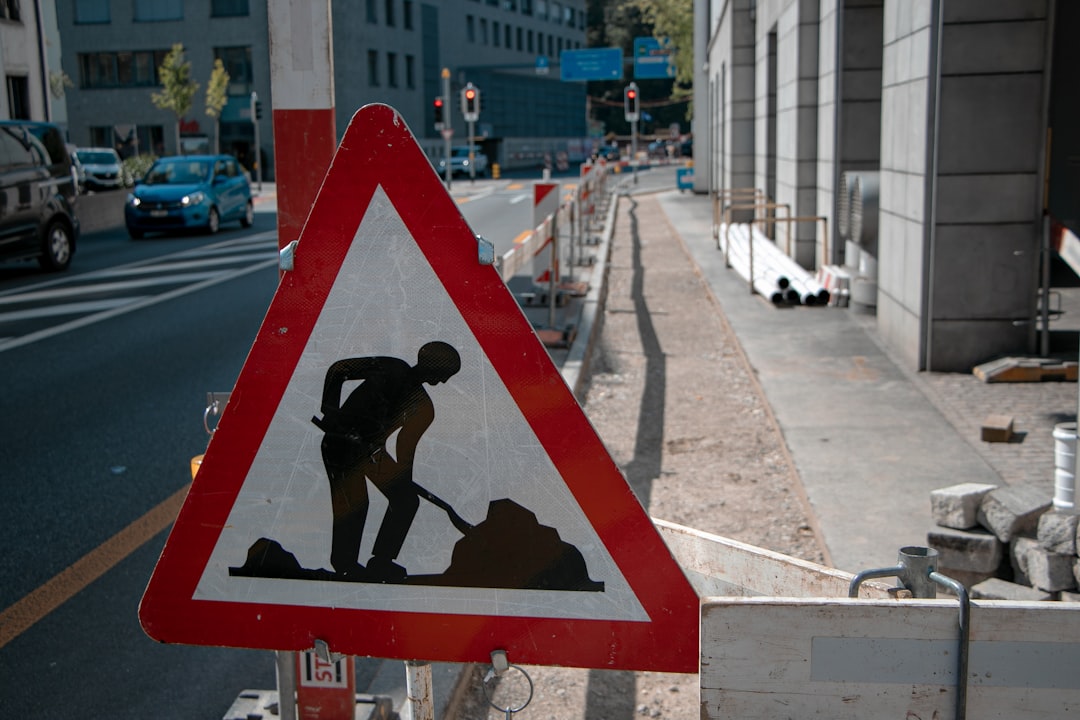
The global construction industry, a behemoth reliant on a seemingly innocuous granular resource, finds itself grappling with a burgeoning crisis: sand scarcity. This pervasive issue is not merely a localized phenomenon, but a systemic problem with far-reaching implications, leading to significant construction delays, inflated costs, and environmental degradation. The very foundation of modern infrastructure – roads, buildings, bridges, and dams – is being undermined by the diminishing availability of its primary aggregate.
Sand, in its various forms, is the second most consumed natural resource globally after water. Its humble appearance belies its profound importance to human civilization. It serves as a fundamental ingredient in concrete, mortar, asphalt, glass, and even the silicon chips that power our digital world. This widespread utility has, for decades, led to its exploitation without adequate foresight regarding its finite nature. Learn about the environmental impacts of sand mining in this informative video.
Sand’s Multifaceted Roles in Modern Society
- Concrete Aggregate: The most significant use, accounting for roughly 75-80% of all sand consumption. Sand, along with crushed stone, forms the bulk of concrete, providing strength and structural integrity.
- Asphalt Production: Used as a filler in asphalt mixes for road construction, contributing to stability and durability.
- Glass Manufacturing: High-purity silica sand is the primary component in glass production, from windows to fiber optics.
- Land Reclamation and Beach Nourishment: Large quantities of sand are dredged and deposited to create new land or replenish eroded coastlines.
The Illusion of Limitless Supply
For many years, the vastness of deserts and the seemingly endless expanses of coastlines fostered an illusion of an inexhaustible supply of sand. However, the type of sand required for construction is highly specific. Desert sand, often aeolian (wind-blown) and rounded, lacks the angularity necessary to bind effectively in concrete. Fluvial (riverine) and marine sands, with their rougher, more angular grains, are precisely what the construction industry demands. This critical distinction underscores the vulnerability of the global supply chain.
The ongoing sand shortage has significantly impacted building construction timelines, leading to delays and increased costs across the industry. As highlighted in a related article, the scarcity of this essential material is forcing builders to seek alternative solutions, which may not only prolong project completion but also affect the overall quality of construction. For more insights on this pressing issue, you can read the article at Real Lore and Order.
The Mechanics of Scarcity: Demand Outstrips Supply
The escalating demand for construction materials, driven by rapid urbanization, population growth, and infrastructure development in emerging economies, has far outstripped the natural replenishment rates of suitable sand deposits. This imbalance creates a perfect storm of scarcity, exacerbated by unsustainable extraction practices.
Infrastructure Boom and Urban Sprawl
The phenomenal growth of cities, particularly in Asia and Africa, necessitates colossal amounts of building materials. Skyscrapers pierce the urban skyline, vast road networks crisscross continents, and new residential areas consume ever-increasing tracts of land. Each of these projects is an voracious consumer of sand, placing immense pressure on existing reserves. Consider, for example, the construction booms in China and India, which have independently driven global demand to unprecedented levels.
Unregulated Extraction and Environmental Degradation
In many regions, sand extraction operates with minimal oversight, leading to widespread environmental damage. Riverbeds are aggressively dredged, altering river hydrology, increasing erosion, and destroying aquatic habitats. Coastal areas are stripped of sand, weakening natural defenses against storms and contributing to beach erosion. The long-term ecological consequences of these practices are profound and often irreversible.
- Riverine Depletion: Over-extraction from rivers can lower groundwater levels, affect bridge foundations, and lead to saltwater intrusion in delta regions.
- Coastal Erosion: Removing sand from beaches and nearshore environments leaves coastlines vulnerable to wave action and erosion, impacting tourism and coastal communities.
- Biodiversity Loss: Destruction of river and coastal ecosystems disrupts fish spawning grounds, harms benthic organisms, and impacts migratory bird populations.
The Ripple Effect: Construction Delays and Economic Disruption

The dwindling availability of construction-grade sand has a direct and significant impact on project timelines and budgets across the globe. Delays, stemming from difficulties in sourcing materials, translate directly into increased costs, contractual disputes, and deferred economic benefits.
Soaring Material Costs
As the supply of suitable sand diminishes, its price inevitably rises. This increase in raw material cost is absorbed by contractors, often impacting profit margins or being passed on to the client and ultimately, the end-user. This inflationary pressure can render certain projects economically unviable or significantly increase the cost of living as housing and infrastructure become more expensive. Imagine a builder, meticulously planning a multi-story edifice, suddenly facing a 20% surge in the cost of their most fundamental aggregate – the entire financial architecture of the project could buckle under such unforeseen stress.
Logistical Nightmares and Project Stagnation
The search for suitable sand becomes an increasingly complex logistical puzzle. Contractors are forced to secure materials from more distant quarries, increasing transportation costs and delivery times. This extended supply chain complicates project scheduling and coordination, leading to bottlenecks and work stoppages. A construction site without its essential granular supply is like an engine starved of fuel – it grinds to a halt, incurring daily operational costs without visible progress.
- Extended Lead Times: Greater distances for sourcing sand mean longer transportation routes and increased lead times for material delivery.
- Increased Transportation Costs: Higher fuel consumption and labor costs for hauling sand from remote locations amplify overall project expenses.
- Site Inactivity: Delays in sand delivery can result in idle equipment and labor, representing significant financial losses for contractors.
Case Studies: A Global Panorama of Sand Scarcity
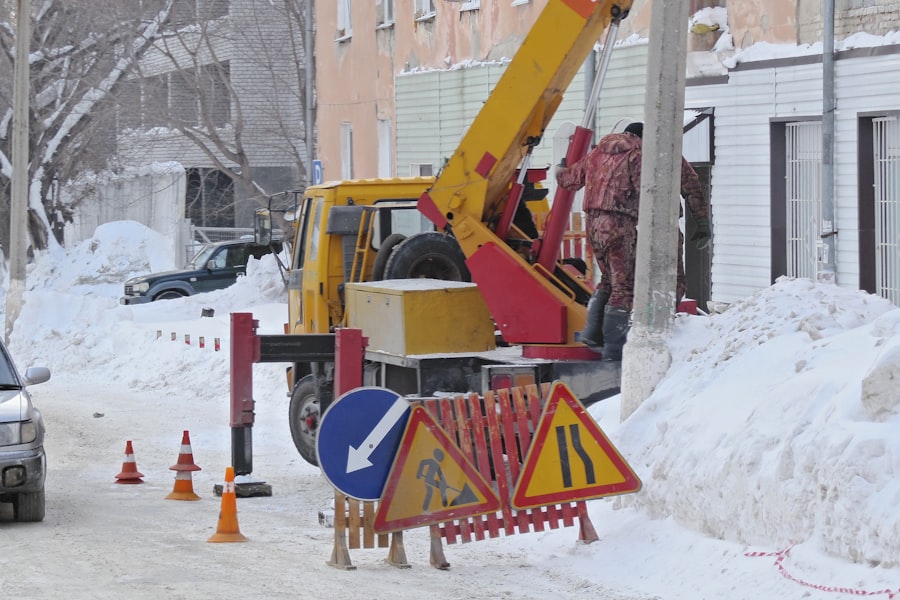
The sand crisis is not confined to a single continent or region. Its effects are palpable across diverse geographical landscapes, demonstrating its global reach and varied manifestations.
Asia’s Relentless Urbanization
Countries like India, China, and Vietnam, experiencing unprecedented urban growth, are at the forefront of the sand crisis. Reports from these nations frequently detail illegal sand mining operations, river depletion, and fierce competition for remaining resources. In India, the “sand mafia” is a well-documented phenomenon, highlighting the illicit nature of extraction when legitimate supplies dwindle. The construction of artificial islands, such as those in the South China Sea, also consumes astronomical quantities of marine sand, placing immense strain on regional ecosystems.
European Infrastructure Challenges
Even established economies in Europe are not immune. Countries such as the UK and Germany face challenges in sourcing local sand for their infrastructure projects, often relying on imports from further afield. This exacerbates costs and increases the carbon footprint of construction. The demand for sand for concrete aggregates, combined with environmental protection measures limiting extraction in certain areas, creates a persistent tension.
African Development and Resource Strain
As African nations embark on ambitious infrastructure development programs, the demand for sand is set to skyrocket. Without sustainable management practices, this burgeoning demand could quickly exhaust local resources, leading to similar environmental and economic challenges seen elsewhere. Consider the rapid urbanization projected for cities across the continent, each requiring vast amounts of concrete and, consequently, sand.
The ongoing sand shortage has become a significant issue impacting building construction delays across the globe, as the demand for this essential material continues to rise. A related article discusses how various industries are adapting to these challenges and exploring alternative materials to mitigate the effects of the sand crisis. For more insights on this pressing topic, you can read the full article here.
Navigating the Granular Divide: Solutions and Innovations
| Metric | Value | Unit | Notes |
|---|---|---|---|
| Average Delay in Project Completion | 12 | Weeks | Due to sand shortage impacting material availability |
| Percentage Increase in Construction Costs | 15 | % | Attributed to sourcing alternative materials and delays |
| Sand Supply Deficit | 30 | % | Shortfall compared to demand in construction sector |
| Number of Projects Affected | 250 | Projects | Reported delays due to sand shortage in last year |
| Average Cost Increase per Project | 20,000 | Units | Additional expenses incurred due to delays and material costs |
| Lead Time for Sand Delivery | 6 | Weeks | Extended from usual 2 weeks due to scarcity |
Addressing the sand crisis necessitates a multi-faceted approach, encompassing technological innovation, policy reform, and a paradigm shift in how humanity perceives and utilizes this essential resource. It requires a concerted effort to move beyond mere extraction and towards sustainable resource management.
Promoting Recycled and Alternative Aggregates
One of the most promising avenues involves reducing reliance on virgin sand through the increased adoption of recycled and alternative aggregates.
- Recycled Concrete Aggregate (RCA): Crushed concrete from demolished structures can be processed and reused as an aggregate in new concrete mixes, reducing demand for both sand and crushed stone. However, its properties can differ from natural sand, requiring careful engineering considerations.
- Manufactured Sand (M-Sand): Produced by crushing hard rock, M-Sand offers a viable alternative to natural river sand. It can be engineered to possess the desired angularity and fineness, making it suitable for concrete production. Its adoption, however, requires significant investment in crushing and processing facilities.
- Industrial By-products: Materials like slag from steel production, fly ash from coal combustion, and even specific types of mine tailings can be processed and utilized as partial or full sand substitutes. Each material presents unique challenges and opportunities in terms of performance and availability.
Enhancing Resource Efficiency and Design
Reducing the overall demand for concrete, and thus sand, is another critical strategy.
- Optimized Mix Designs: Engineers can develop concrete mixes that use less sand while maintaining structural integrity, often by carefully selecting other aggregates or employing supplementary cementitious materials.
- Modular Construction and Prefabrication: Shifting towards factory-produced components can reduce on-site waste and optimize material usage, contributing to overall sand conservation.
- Innovative Building Materials: Research into novel binders and construction techniques that require less aggregate, or entirely different types of aggregates, holds long-term promise. Timber construction, for instance, offers a renewable alternative to concrete in certain applications.
Strengthening Regulatory Frameworks and Governance
Effective governance is paramount to ensuring sustainable sand extraction and combating illegal mining.
- Transparent Licensing and Monitoring: Implementing robust licensing procedures and continuously monitoring extraction sites can help prevent over-extraction and environmental damage.
- Enforcement Against Illegal Mining: Strong legal frameworks and dedicated enforcement agencies are crucial to prosecuting illegal sand miners and dismantling associated criminal networks.
- Cross-border Cooperation: Given that sand resources often traverse international borders (e.g., rivers), international cooperation is vital for effective management and protection.
The sand shortage is more than a mere logistical hurdle; it is a profound indicator of humanity’s unsustainable consumption patterns. As the world continues to industrialize and urbanize, the pressure on this unassuming yet indispensable resource will only intensify. Addressing this crisis demands an immediate and collaborative global response, shifting from an extractive mentality to one of conservation, innovation, and circularity. The future integrity of our built environment, and indeed the health of our planet, hinges on our ability to responsibly manage the granular foundations upon which we build.
WATCH THIS! 🏗️ SAND MINING MAFIA: The $70 Billion Crime Wave Destroying Rivers & Killing Journalists
FAQs
What is causing the sand shortage in building construction?
The sand shortage in building construction is primarily caused by increased demand for sand in urban development, environmental regulations limiting sand mining, and depletion of natural sand sources. Illegal sand mining and supply chain disruptions also contribute to the shortage.
Why is sand important in building construction?
Sand is a critical component in building construction as it is used in making concrete, mortar, and asphalt. It provides strength, durability, and stability to structures, making it essential for foundations, walls, and roads.
How does a sand shortage lead to construction delays?
A sand shortage limits the availability of essential materials needed for construction, causing project slowdowns or halts. Contractors may face difficulties sourcing quality sand, leading to increased costs and extended timelines for building projects.
Are there alternatives to natural sand in construction?
Yes, alternatives include manufactured sand (crushed rock sand), recycled construction waste, and industrial by-products like slag. These substitutes can help alleviate the demand for natural sand but may require adjustments in construction practices.
What environmental impacts are associated with sand mining?
Sand mining can lead to habitat destruction, riverbank erosion, groundwater depletion, and loss of biodiversity. Unsustainable mining practices can also cause sedimentation and water pollution, affecting ecosystems and local communities.
How can the construction industry address the sand shortage?
The industry can adopt sustainable sourcing practices, use alternative materials, improve recycling of construction waste, and implement efficient construction techniques to reduce sand consumption. Regulatory compliance and community engagement are also important.
Is the sand shortage a global issue?
Yes, the sand shortage affects many regions worldwide, especially in rapidly urbanizing countries. However, the severity varies depending on local demand, regulatory frameworks, and availability of alternative materials.
What role do governments play in managing sand resources?
Governments regulate sand mining activities through permits, environmental assessments, and enforcement of sustainable practices. They also promote research into alternatives and support policies to balance development needs with environmental protection.
Can sand shortages impact the cost of construction?
Yes, limited sand supply can increase material costs, which in turn raises overall construction expenses. This can affect project budgets, housing affordability, and infrastructure development timelines.
What are the long-term solutions to prevent sand shortages?
Long-term solutions include sustainable mining practices, development of alternative materials, improved resource management, increased recycling, and global cooperation to ensure responsible use of sand resources.