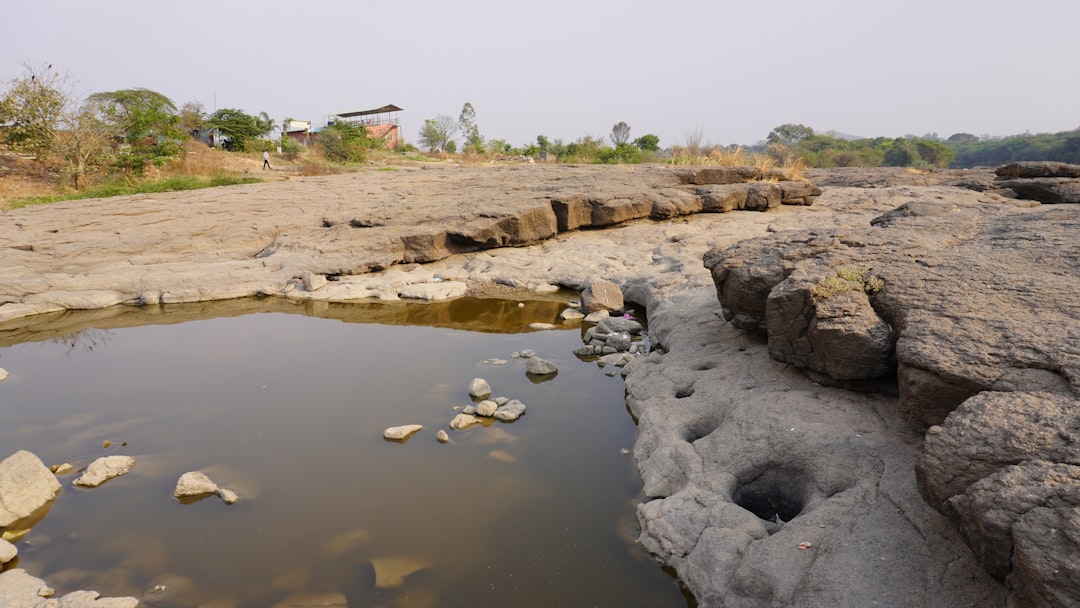
Sand, gravel, and other aggregates are fundamental to modern society, serving as the skeletal framework for infrastructure ranging from roads and buildings to dams and glass. However, the extraction of these materials, particularly from riverine environments, has emerged as a significant environmental concern with profound and often irreversible consequences for river ecosystems. This article explores the multifaceted impacts of sand extraction on these vital natural systems, examining the ecological damage, hydrological alterations, and long-term socio-economic repercussions.
River channels are dynamic, complex ecosystems supporting a rich tapestry of biodiversity. Sand extraction, often conducted without adequate environmental safeguards, disrupts this delicate balance, leading to a cascade of negative ecological effects. It is akin to removing the foundation stones from a carefully constructed edifice; the entire structure is inevitably weakened and damaged. Learn about the environmental impacts of sand mining in this informative video.
Habitat Destruction and Fragmentation
The most immediate and visible impact of sand extraction is the direct destruction of aquatic and riparian habitats. Excavation equipment gouges out riverbeds, obliterating benthic communities – the organisms living at the bottom of the river – that form the base of the food web.
- Loss of Benthic Macroinvertebrates: These small organisms, including insect larvae, worms, and crustaceans, are crucial indicators of water quality and a primary food source for fish and other aquatic predators. Their removal starves subsequent trophic levels.
- Destruction of Spawning Grounds: Many fish species rely on specific substrate types, often sand and gravel, for spawning and nursery areas. Extraction operations obliterate these critical habitats, leading to reduced reproductive success and population declines.
- Alteration of Riverbed Morphology: The natural heterogeneity of riverbeds, with a mosaic of sand, gravel, cobbles, and boulders, provides diverse niches for various species. Sand extraction often creates uniform, denuded surfaces or deep pits, simplifying the habitat and reducing biodiversity.
- Riparian Vegetation Degradation: Bankside vegetation plays a vital role in stabilizing banks, providing shade, filtering runoff, and offering habitat for terrestrial and semi-aquatic species. Extraction often involves clearing these areas, leading to erosion and habitat loss.
Impacts on Aquatic Biodiversity
The cumulative effect of habitat destruction and alteration is a significant decline in aquatic biodiversity. Rivers, particularly those in species-rich tropical regions, become ecological deserts when subjected to intensive sand mining.
- Fish Population Declines: Besides the loss of spawning grounds, altered flow regimes, increased turbidity, and habitat simplification contribute to reduced fish populations. Some species may be entirely extirpated from affected river stretches.
- Threat to Endangered Species: Many endemic or endangered aquatic species rely on pristine riverine habitats. Sand extraction pushes these already vulnerable populations closer to extinction. For example, several species of freshwater dolphins and turtles are severely impacted by habitat degradation caused by sand mining.
- Disruption of Food Webs: The removal of primary producers and consumers at the lower trophic levels has cascading effects throughout the food web, impacting larger predators and ultimately reducing the overall productivity of the ecosystem.
The issue of sand extraction and its detrimental effects on river ecosystems is a pressing concern that has been highlighted in various studies. A related article that delves into the consequences of unsustainable sand mining practices can be found at Real Lore and Order. This article discusses how excessive sand extraction not only leads to habitat destruction but also contributes to the collapse of vital river ecosystems, affecting biodiversity and the livelihoods of communities that depend on these natural resources.
Reshaping Rivers: Hydrological and Geomorphological Alterations
Rivers are dynamic systems, constantly shaping and being shaped by the flow of water and sediment. Sand extraction intervenes in this natural dance, fundamentally altering the hydrological and geomorphological characteristics of the river channel. Imagine a sculptor repeatedly removing material from their masterpiece without understanding the underlying structure; eventually, the work loses its form and integrity.
Riverbed Degradation and Incision
The most prominent geomorphological impact is riverbed degradation or incision. When sand is removed from the riverbed, the river’s equilibrium is disturbed. The river, seeking to re-establish its natural gradient, begins to erode its bed.
- Lowering of the Riverbed: This incision can lead to a significant drop in the riverbed elevation, exposing bridge foundations, pipelines, and other infrastructure to increased risk of scour and failure.
- Bank Erosion: As the riverbed lowers, the banks become relatively higher and steeper, increasing their susceptibility to erosion, especially during high flow events. This further widens the river channel and contributes to sediment loading downstream.
- Groundwater Depletion: A lowered riverbed can disconnect the river from adjacent aquifers, leading to a drop in the water table in surrounding areas. This impacts groundwater-dependent ecosystems and local communities relying on well water.
Altered Flow Regimes and Water Quality
The removal of significant volumes of sand impacts how water flows through the river channel, with immediate and long-term consequences for water quality.
- Increased Flow Velocity: Deeper, more incised channels can lead to increased water velocity, which contributes to further erosion and scour. This can also make it difficult for some aquatic species to navigate or maintain their position.
- Turbidity and Sedimentation: The dredging process itself suspends large quantities of fine sediments into the water column, increasing turbidity. This reduces light penetration, hindering photosynthesis by aquatic plants, and can clog the gills of fish and invertebrates. Downstream, these suspended sediments eventually settle, smothering habitats and altering substrate composition.
- Changes in Water Temperature: Altered channel morphology, coupled with the loss of riparian vegetation, can lead to increased water temperatures, particularly in shallow, exposed areas. Many aquatic species are highly sensitive to temperature fluctuations, and elevated temperatures can reduce dissolved oxygen levels, further stressing ecosystems.
The Human Cost: Socio-Economic Impacts
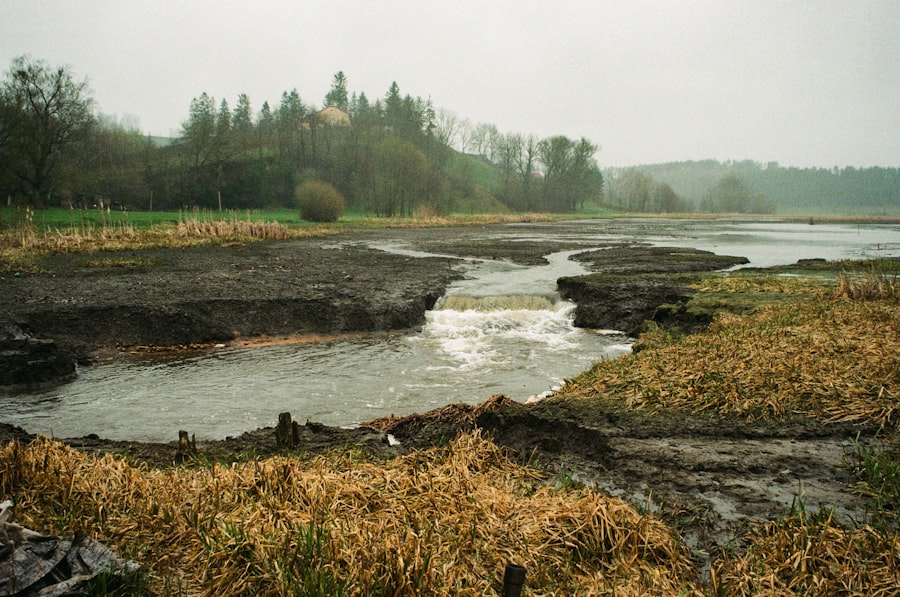
The impacts of sand extraction extend beyond the purely ecological, directly affecting human communities that depend on healthy river systems for their livelihoods and well-being. These communities often bear the brunt of environmental degradation without receiving commensurate benefits.
Livelihood Disruption and Food Security
Millions of people worldwide rely on rivers for sustenance, directly or indirectly. Sand extraction jeopardizes these critical resources, undermining food security and traditional livelihoods.
- Decline in Fisheries: Reduced fish populations and destroyed spawning grounds directly impact artisanal fishing communities, leading to diminished catches and loss of income. This can exacerbate poverty and food insecurity.
- Agricultural Impacts: Lowered groundwater tables due to riverbed incision can affect irrigation systems, leading to reduced crop yields in agricultural areas adjacent to affected rivers. Bank erosion can also consume fertile agricultural land.
- Loss of Traditional Practices: Many indigenous and local communities have deep cultural and economic ties to river ecosystems. The degradation of these environments can lead to the loss of traditional practices, knowledge, and cultural identity.
Infrastructure Damage and Socio-Political Conflict
The physical alteration of river systems can have tangible economic repercussions, often requiring costly remediation or replacement of damaged infrastructure.
- Bridge and Pipeline Damage: As riverbeds lower, the foundations of bridges and submerged pipelines become exposed and vulnerable to scour and collapse, posing significant safety risks and incurring immense repair costs.
- Increased Flood Risk: While counterintuitive, altered river morphology can sometimes exacerbate flood risks. Degraded bank lines and changes in flow patterns can lead to increased overbank flow in certain areas, even as other areas experience reduced water levels.
- Social Unrest and Conflict: Competition for sand resources, often coupled with illegal mining operations, can lead to social unrest, violence, and land disputes within and between communities. The benefits of extraction are often concentrated in the hands of a few, while the costs are borne by many.
Seeking Sustainable Solutions: Mitigating the Damage
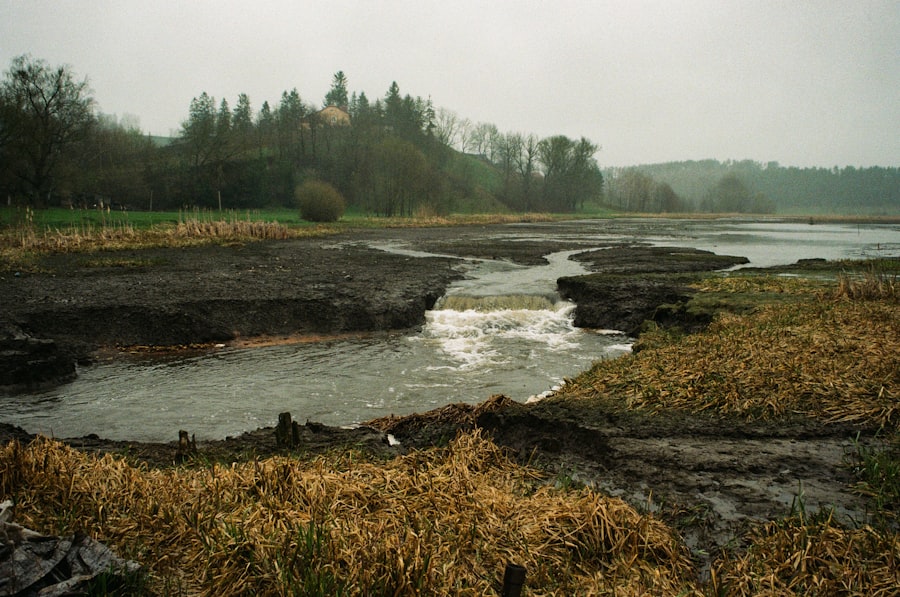
Addressing the devastating impacts of sand extraction requires a multi-faceted approach that integrates stringent regulations, sustainable practices, and strategic planning. The current trajectory is unsustainable, demanding a fundamental shift in how societies source and manage this essential resource.
Stricter Regulations and Enforcement
Robust legal frameworks and their effective enforcement are paramount to controlling sand extraction and minimizing its damage. Weak governance and corruption often fuel unsustainable practices.
- Comprehensive Environmental Impact Assessments (EIAs): Mandatory and thorough EIAs, conducted by independent experts, must precede any extraction activity. These assessments should consider the cumulative and long-term impacts on the entire river basin.
- Spatial Planning and Zoning: Designating specific, environmentally acceptable areas for sand extraction and prohibiting it in ecologically sensitive zones (e.g., spawning grounds, protected areas) is crucial.
- Permitting and Monitoring: Establishing transparent permitting processes with clear conditions, coupled with rigorous monitoring of extraction volumes and methods, is essential to ensure compliance.
- Combating Illegal Mining: Illegal sand mining, often driven by high demand and low oversight, causes immense and unchecked damage. Stronger law enforcement, community involvement, and public awareness campaigns are vital to combating this illicit activity.
Promoting Sustainable Alternatives and Practices
Reducing reliance on riverine sand and adopting more environmentally friendly extraction methods, where deemed necessary, are critical components of a sustainable strategy.
- Offshore Mining: While not without its own environmental considerations (e.g., impacts on marine ecosystems), sand obtained from offshore deposits or vast onshore ancient marine deposits (terra firma mining) can be a less damaging alternative to riverine extraction. Careful assessment is still required.
- Recycling and Reuse of Construction and Demolition Waste: Crushed concrete and other construction debris can be processed into aggregates, significantly reducing the demand for virgin sand and gravel. This circular economy approach offers a win-win for both the environment and resource efficiency.
- Use of Manufactured Sand (M-Sand): M-sand, produced by crushing larger rocks into sand-sized particles, is a viable substitute for natural river sand in many construction applications. Promoting its adoption can alleviate pressure on river systems.
- Improved Extraction Technologies: Where riverine extraction is unavoidable, technologies that minimize turbidity, reduce bed incision, and allow for habitat restoration (e.g., suction dredging with sediment replenishment) should be prioritized and enforced.
The impact of sand extraction on river ecosystems has become a pressing concern, as highlighted in a recent article that discusses the alarming consequences of this practice. The article delves into how excessive sand mining not only disrupts aquatic habitats but also leads to the collapse of entire ecosystems. For more insights on this critical issue, you can read the full article here. Understanding these effects is essential for developing sustainable practices that protect our rivers and the biodiversity they support.
Conclusion: A Call to Action
| Metric | Value | Unit | Description |
|---|---|---|---|
| Annual Sand Extraction Volume | 30 | Million cubic meters | Amount of sand extracted from riverbeds per year |
| Riverbed Depth Increase | 1.5 | meters/year | Average increase in riverbed depth due to sand mining |
| Biodiversity Loss | 40 | Percent | Reduction in aquatic species diversity over 10 years |
| Fish Population Decline | 60 | Percent | Decrease in fish population in affected river sections |
| Water Turbidity Increase | 120 | NTU (Nephelometric Turbidity Units) | Increase in water turbidity due to sediment disturbance |
| Riverbank Erosion Rate | 2.3 | meters/year | Rate of riverbank erosion linked to sand extraction |
| Groundwater Level Drop | 0.8 | meters/year | Annual decline in groundwater levels near extraction sites |
| Collapse Risk Index | High | N/A | Risk level of ecosystem collapse due to sand extraction |
The escalating demand for sand, driven by relentless urbanization and infrastructure development, has transformed many of the world’s rivers into open quarries. The devastating ecological, hydrological, and socio-economic consequences are no longer theoretical; they are a harsh reality for countless communities and ecosystems globally. The metaphor of a river as the “lifeblood” of an ecosystem holds profound truth; extracting its fundamental components is akin to bleeding it dry.
Addressing this global crisis requires urgent, concerted action. It demands a shift from short-sighted economic gains to a holistic understanding of river ecosystems as vital natural capital. Policymakers, industry leaders, and consumers all have a role to play. By recognizing the true, unseen price of sand and embracing sustainable alternatives and responsible practices, humanity can begin to heal its rivers, ensuring their health and vitality for future generations. The alternative is a future with silent rivers, diminished biodiversity, and a profound degradation of the very natural systems that sustain human life.
WATCH THIS! 🏗️ SAND MINING MAFIA: The $70 Billion Crime Wave Destroying Rivers & Killing Journalists
FAQs
What is sand extraction?
Sand extraction refers to the process of removing sand from riverbeds, beaches, or other natural environments for use in construction, manufacturing, and other industries.
How does sand extraction affect river ecosystems?
Sand extraction can disrupt river ecosystems by altering the natural flow of water, increasing erosion, destroying habitats for aquatic and riparian species, and reducing water quality.
What causes river ecosystem collapse due to sand extraction?
River ecosystem collapse can occur when excessive sand extraction leads to habitat loss, changes in sediment transport, lowered water tables, and increased pollution, all of which can severely impact biodiversity and ecosystem functions.
Why is sand important for river ecosystems?
Sand plays a crucial role in maintaining riverbed structure, supporting aquatic habitats, filtering water, and sustaining the natural balance of sediment transport within the river system.
Are there regulations to control sand extraction?
Many countries have regulations and permits in place to control sand extraction, aiming to balance economic needs with environmental protection. However, enforcement and effectiveness vary widely.
What are the environmental consequences of uncontrolled sand extraction?
Uncontrolled sand extraction can lead to riverbank erosion, loss of fish and wildlife habitats, decreased groundwater levels, increased flooding risk, and overall degradation of river health.
Can river ecosystems recover after sand extraction stops?
Recovery is possible but depends on the extent of damage, restoration efforts, and natural regeneration processes. Some ecosystems may take years or decades to fully recover.
What alternatives exist to reduce the impact of sand extraction?
Alternatives include using manufactured sand, recycling construction materials, implementing sustainable extraction practices, and restoring affected river areas.
How does sand extraction impact local communities?
Local communities may experience negative effects such as reduced fish stocks, increased flooding, loss of agricultural land, and damage to cultural or recreational sites.
What role do scientists play in addressing sand extraction impacts?
Scientists study the ecological effects, monitor river health, develop sustainable extraction guidelines, and advise policymakers to mitigate the environmental impacts of sand extraction.