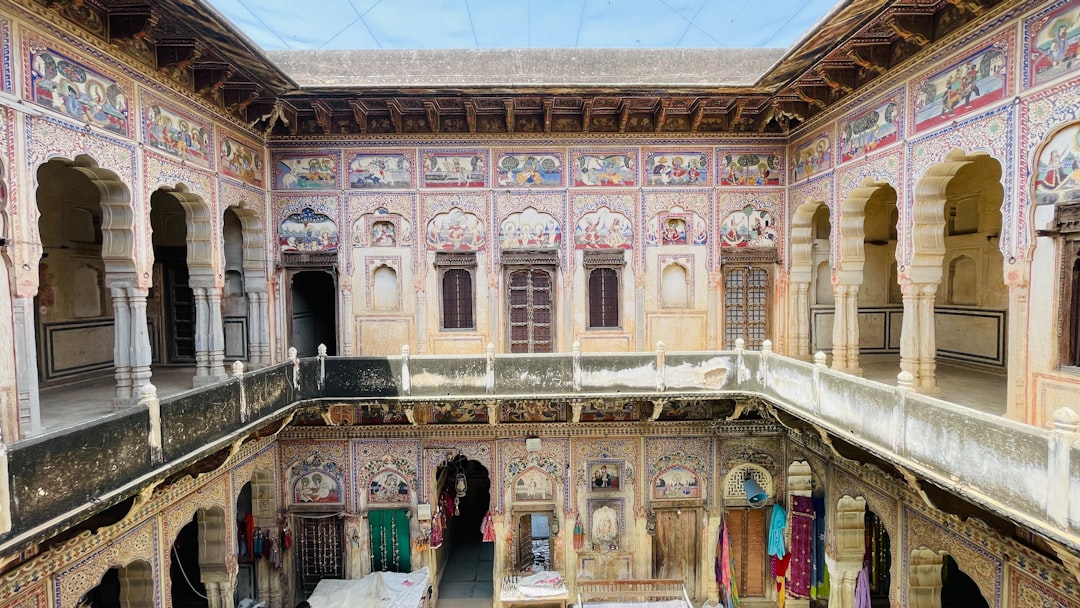
Rajasthan, a state renowned for its arid landscapes, vibrant culture, and historical forts, faces a pervasive and increasingly deadly threat: the sand mafia. This deeply entrenched criminal enterprise, exploiting the region’s abundant riverbeds and dry washes for illegal sand extraction, has become a significant driver of gang violence, posing a critical challenge to law enforcement, environmental protection, and public safety. The unchecked proliferation of illegal sand mining has transformed once-peaceful communities into battlegrounds, where turf wars, extortion, and intimidation are commonplace.
Illegal sand mining, at its core, is the unauthorized extraction of sand from riverbeds, nullahs (dry river courses), and other natural deposits. This activity bypasses legal regulations, environmental impact assessments, and royalty payments to the government. The sand mined through these illicit means is a vital component in the construction industry, used for concrete, mortar, and land reclamation projects. The high demand for construction materials in rapidly urbanizing areas, coupled with a lack of stringent enforcement and a vast, easily exploitable resource, creates a fertile ground for these criminal operations. Learn about the environmental impacts of sand mining in this informative video.
The Mechanism of Extraction: A Deceptive Simplicity
The methods employed by the sand mafia range from rudimentary to sophisticated. At its simplest, individuals use shovels and small vehicles to scoop sand directly from riverbanks. However, larger operations involve heavy machinery such as excavators, earthmovers, and dredgers, which can rapidly deplete vast quantities of sand. These machines operate clandestinely, often under the cover of darkness, or in remote areas difficult for authorities to access. The extracted sand is then loaded onto a fleet of trucks, often overloaded and unregistered, which transport it to construction sites, brick kilns, and other buyers.
The Environmental Toll: Beyond the Surface
The environmental consequences of illegal sand mining are profound and far-reaching, akin to an insidious erosion of the natural world. Consider the river system, the lifeblood of many communities. Depletion of Riverbeds: Excessive sand extraction deepens and widens river channels, disrupting the natural flow of water and lowering the water table. This can lead to the desiccation of wells and boreholes in surrounding agricultural areas, impacting farming livelihoods. Erosion and Bank Collapse: The removal of sand destabilizes riverbanks, making them prone to erosion and collapse during monsoon seasons. This not only destroys riparian vegetation but also poses a direct threat to infrastructure along the river, such as bridges and roads. Habitat Destruction: Riverbeds and their immediate surroundings are critical habitats for a diverse range of aquatic and terrestrial species. Illegal mining operations destroy these ecosystems, leading to a decline in biodiversity and disrupting food chains. Groundwater Contamination: Excavations can expose aquifers, making them susceptible to contamination from surface pollutants. This jeopardizes the quality of drinking water for local populations. Understanding these ecological ramifications is crucial to grasping the full scope of the problem.
Economic Impact: A Shadow Economy Flourishes
The illegal sand mining industry operates as a parallel economy, generating substantial illicit wealth. This unregulated market undermines legitimate businesses that pay taxes and adhere to environmental regulations. Loss of Revenue: The state government is deprived of significant royalty revenues that would otherwise be collected from legal sand mining operations. This loss impacts public services and infrastructure development. Unfair Competition: Legitimate sand suppliers who operate within legal frameworks struggle to compete with the artificially low prices offered by the sand mafia, who evade taxes and environmental compliance costs. This creates an uneven playing field and disincentivizes legal operations. Informal Labor Exploitation: Many individuals involved in illegal sand mining, particularly those engaged in manual labor or driving trucks, are often exploited, working long hours for low wages in dangerous conditions, with no social security or legal protections.
In recent years, the issue of sand mafia and gang violence in Rajasthan has garnered significant attention, highlighting the dangerous intersection of illegal mining and organized crime. A related article that delves deeper into this pressing issue can be found at Real Law and Order, where it explores the impact of these criminal activities on local communities and the efforts being made to combat this pervasive problem.
The Nexus of Violence: Sand, Power, and Bloodshed
The immense profits generated by illegal sand mining inevitably attract criminal elements, transforming the industry into a battleground for control. These conflicts are the very crucible from which gang violence emerges and escalates.
Territorial Disputes: A Constant Struggle for Dominance
The control of specific stretches of riverbeds or mining sites is a highly coveted prize. Different factions of the sand mafia, often aligned with local political strongmen or established criminal gangs, constantly vie for dominance. Contested Zones: Areas with rich sand deposits become flashpoints for conflict. These zones are meticulously guarded by armed thugs who prevent rival groups from encroaching. Ambushes and Raids: Tit-for-tat attacks, including ambushes on vehicles transporting sand and raids on rival mining sites, are common. These encounters frequently escalate into violent confrontations, sometimes involving firearms and other deadly weapons. Extortion Rackets: The dominant gang in an area may extort money from smaller independent miners or even legitimate construction companies, demanding protection money or a cut of their profits. Refusal to pay can result in severe consequences, including violence and destruction of property.
The Corruption Conundrum: A Web of Complicity
The sheer scale and persistence of illegal sand mining suggest a deep-seated network of corruption, a veritable Gordian knot that is difficult to untangle. Imagine a web, where each strand represents a connection between the mafia and those in positions of power. Police Collusion: There are numerous reports of police officials turning a blind eye to illegal mining activities or even actively facilitating them in exchange for bribes. This complicity undermines law enforcement efforts and erodes public trust. Political Patronage: Local politicians are often accused of patronizing the sand mafia, using their influence to protect illegal operations in return for financial support for their campaigns or a share of the profits. This political cover provides a shield against accountability for the criminals. Bureaucratic Indifference: A lack of proactive enforcement from various government departments, coupled with bureaucratic inertia and a reluctance to challenge powerful vested interests, further exacerbates the problem. The failure to apply existing laws effectively creates a permissive environment for illegal activities.
Intimidation and Silence: The Reign of Fear
The sand mafia maintains its grip on power through an elaborate system of intimidation, creating an atmosphere of fear that stifles dissent and silences potential whistleblowers. Consider the shadow cast by this fear, a pervasive darkness that makes people hesitant to speak out. Threats and Assaults: Individuals who attempt to report illegal activities, including environmental activists, journalists, and concerned citizens, often face serious threats to their lives and property. Physical assaults and destruction of property are not uncommon. Targeting Whistleblowers: The mafia ruthlessly targets anyone who exposes their operations. This creates a chilling effect, discouraging others from coming forward and reporting abuses. Witness Tampering: In cases that do make it to court, witnesses are often intimidated or threatened into withdrawing their statements, making successful prosecutions extremely difficult. This effectively creates a judicial vacuum for the mafia.
The Cost of Conflict: Lives Lost, Communities Shattered
The gang violence fueled by the sand mafia is not an abstract concept; it has tangible, devastating consequences that ripple through communities, much like a stone dropped into calm water creates ever-widening circles.
Direct Fatalities: A Grim Tally
The most immediate and tragic consequence of this conflict is the loss of human life. Clashes and Confrontations: Numerous clashes, ranging from minor skirmishes to full-blown shootouts, have occurred between rival gangs, leading to fatalities among their members. Attacks on Officials: Police officers, forest department officials, and other government employees attempting to enforce mining regulations have been targeted and even killed in the line of duty. This direct assault on the state’s authority underscores the audacity of the mafia. Violence Against Locals: Innocent bystanders have also become victims of this violence, caught in the crossfire or targeted for simply being in the wrong place at the wrong time. This indiscriminate violence highlights the disregard for human life.
Psychological Trauma: A Community Scarred
Beyond the physical injuries and deaths, the pervasive violence inflicts profound psychological trauma on the affected communities. Imagine the invisible wounds that linger long after a visible injury has healed. Fear and Anxiety: Residents, particularly children, live in a constant state of fear and anxiety, unsure when the next act of violence might erupt. This hyper-vigilance affects their daily lives and mental well-being. Disruption of Daily Life: The fear of violence disrupts daily routines, impacting access to education, healthcare, and livelihood activities. Parents may be hesitant to send their children to school or venture out for work. Loss of Trust: The constant presence of violence erodes trust in local authorities and institutions, as people feel that their safety and security are not guaranteed. This breakdown of social cohesion further weakens communities.
Economic Displacement: The Exodus of Desperation
The instability and violence associated with illegal sand mining can force communities to abandon their homes and livelihoods, creating a wave of internal displacement, like leaves scattered by a storm. Loss of Livelihoods: Farmers whose lands become infertile due to environmental degradation, or those whose wells dry up, are often forced to seek alternative livelihoods, sometimes migrating to urban areas. Property Value Decline: The presence of illegal mining and associated violence can significantly decrease property values in affected areas, making it difficult for residents to sell their homes or businesses. Forced Migration: In extreme cases, entire villages may be abandoned as residents seek safer environments, leaving behind their ancestral lands and cultural heritage. This creates a generation of internal refugees.
Combating the Menace: Challenges and Potential Solutions
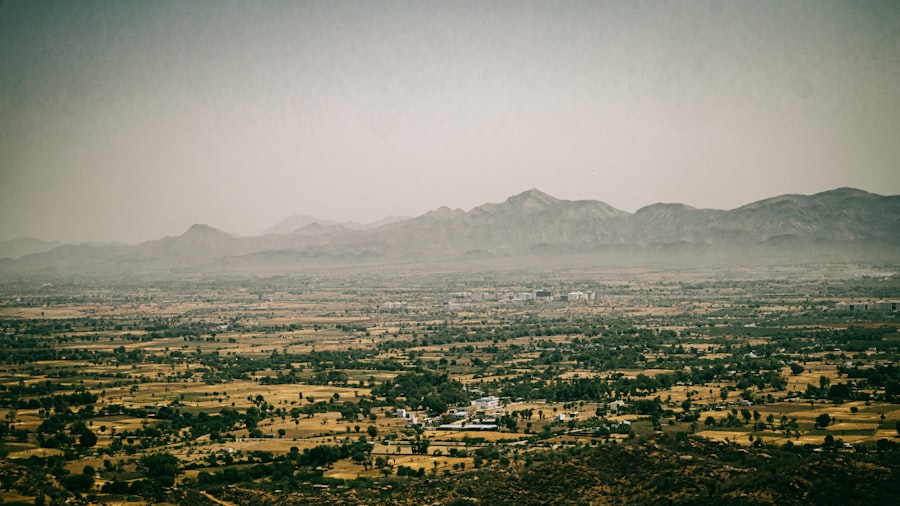
Addressing the deeply entrenched problem of Rajasthan’s sand mafia and the gang violence it fuels requires a multifaceted and sustained effort. There is no silver bullet, but rather a complex weave of interventions.
Strengthening Enforcement: A Glimmer of Hope
While challenging, effective enforcement is paramount. Visualize a tightening net, gradually constricting the mafia’s operations. Increased Police Presence: Deploying more police personnel to vulnerable areas, equipped with adequate resources and training, can deter illegal mining and respond effectively to acts of violence. Technological Surveillance: Utilizing drones, satellite imagery, and GPS tracking can help monitor remote mining sites and identify illegal operations in real-time, providing crucial evidence for prosecution. Dedicated Task Forces: Establishing specialized task forces comprising police, forest department officials, and revenue authorities, with clear mandates and sufficient legal backing, can ensure better coordination and targeted action. Regular Patrolling: Implementing regular and unpredictable patrols in known illegal mining areas can disrupt operations and signal increased vigilance.
Addressing Corruption: A Difficult But Necessary Undertaking
Tackling corruption within the administration and law enforcement agencies is central to dismantling the sand mafia’s power structure. This is akin to removing the very oxygen that fuels the fire. Whistleblower Protection: Implementing robust whistleblower protection mechanisms can encourage individuals to report corrupt officials without fear of reprisal, providing a crucial intelligence pipeline. Internal Vigilance: Strengthening internal vigilance mechanisms within government departments and law enforcement agencies to identify and penalize corrupt officials is essential to cleanse the system from within. Transparent Monitoring: Introducing transparent monitoring systems for sand mining licenses and permits, making information publicly accessible, can reduce opportunities for illicit dealings and increase accountability.
Promoting Legal Mining and Sustainable Practices: A Path Towards Equilibrium
Encouraging legal and sustainable sand mining practices can reduce the demand for illegally extracted sand while meeting the needs of the construction industry. This is about finding harmony between human needs and environmental protection. Streamlined Licensing: Simplifying the process for obtaining legal sand mining licenses and ensuring timely approvals can encourage legitimate operators and reduce the incentive for illegal activities. Alternative Materials: Promoting the use of alternative construction materials, such as manufactured sand (M-sand) derived from crushed rocks, can reduce reliance on natural sand, thereby easing pressure on riverine ecosystems. Rehabilitation of Mining Sites: Mandating and enforcing the rehabilitation of legally mined sites, ensuring ecological restoration, can mitigate the environmental impact of extraction. Community Participation: Involving local communities in the planning and monitoring of legal mining operations can foster a sense of ownership and ensure that their concerns are addressed.
Social and Economic Development: Breaking the Cycle
Addressing the underlying socio-economic factors that drive individuals into illegal mining is crucial for a long-term solution. Imagine building a bridge of opportunity, leading people away from illicit activities. Alternative Livelihoods: Providing training and resources for alternative livelihood options, such as sustainable agriculture, handicrafts, or small businesses, can reduce the reliance on illegal mining for income. Education and Awareness: Launching extensive public awareness campaigns to educate communities about the environmental and social consequences of illegal sand mining can foster a sense of collective responsibility and encourage reporting. Community Empowerment: Empowering local communities to take ownership of their natural resources and participate in their protection can create a formidable deterrent against illegal activities. This fosters a sense of stewardship.
In conclusion, Rajasthan’s sand mafia is not merely an environmental nuisance; it is a complex criminal enterprise that has deeply infiltrated the state’s social and political fabric, acting as a potent catalyst for gang violence. Addressing this multifaceted problem demands a comprehensive strategy that combines robust law enforcement, uncompromising anti-corruption measures, the promotion of sustainable alternatives, and genuine community engagement. The future of Rajasthan’s rivers, its environment, and the safety of its citizens hinge on the resolute and collective will to dismantle this destructive network. The fight against the sand mafia is a fight for the soul of Rajasthan.
WATCH THIS! 🏗️ SAND MINING MAFIA: The $70 Billion Crime Wave Destroying Rivers & Killing Journalists
FAQs
What is the sand mafia in Rajasthan?
The sand mafia in Rajasthan refers to organized groups involved in the illegal mining and transportation of sand. These groups operate outside government regulations, often exploiting natural resources without permits and causing environmental damage.
Why is sand mining a significant issue in Rajasthan?
Sand mining is significant in Rajasthan due to the state’s extensive riverbeds and desert areas where sand is abundant. Illegal sand mining disrupts ecosystems, leads to soil erosion, and affects water bodies, impacting agriculture and local communities.
What kind of violence is associated with the sand mafia in Rajasthan?
Violence linked to the sand mafia includes clashes between rival gangs, confrontations with law enforcement, and intimidation or attacks on local residents and officials who oppose illegal mining activities.
How does the sand mafia impact local communities in Rajasthan?
The sand mafia’s activities can lead to environmental degradation, loss of livelihoods for farmers and fishermen, increased crime rates, and a general atmosphere of fear and lawlessness in affected areas.
What measures are being taken to combat the sand mafia in Rajasthan?
Authorities in Rajasthan have implemented stricter regulations, increased surveillance, and conducted raids to curb illegal sand mining. Efforts also include legal action against offenders and promoting sustainable mining practices.
Is sand mining legal in Rajasthan?
Sand mining is legal in Rajasthan only when conducted with proper licenses and adherence to environmental guidelines. Illegal mining without permits is prohibited and punishable by law.
What role do government agencies play in controlling the sand mafia?
Government agencies are responsible for issuing mining licenses, monitoring mining activities, enforcing laws, and taking action against illegal operations. They also work to raise awareness about the environmental impact of illegal sand mining.
How does illegal sand mining affect the environment in Rajasthan?
Illegal sand mining leads to riverbank erosion, lowering of water tables, destruction of aquatic habitats, and increased vulnerability to floods and droughts, thereby harming the overall ecological balance.
Are there any social or economic consequences of the sand mafia’s activities?
Yes, the sand mafia’s activities can lead to economic losses for legitimate businesses, increased corruption, disruption of local economies, and social unrest due to violence and exploitation.
Can citizens report illegal sand mining activities in Rajasthan?
Yes, citizens can report illegal sand mining to local authorities, police, or environmental agencies. Many regions also have helplines or online portals for lodging complaints related to illegal mining.