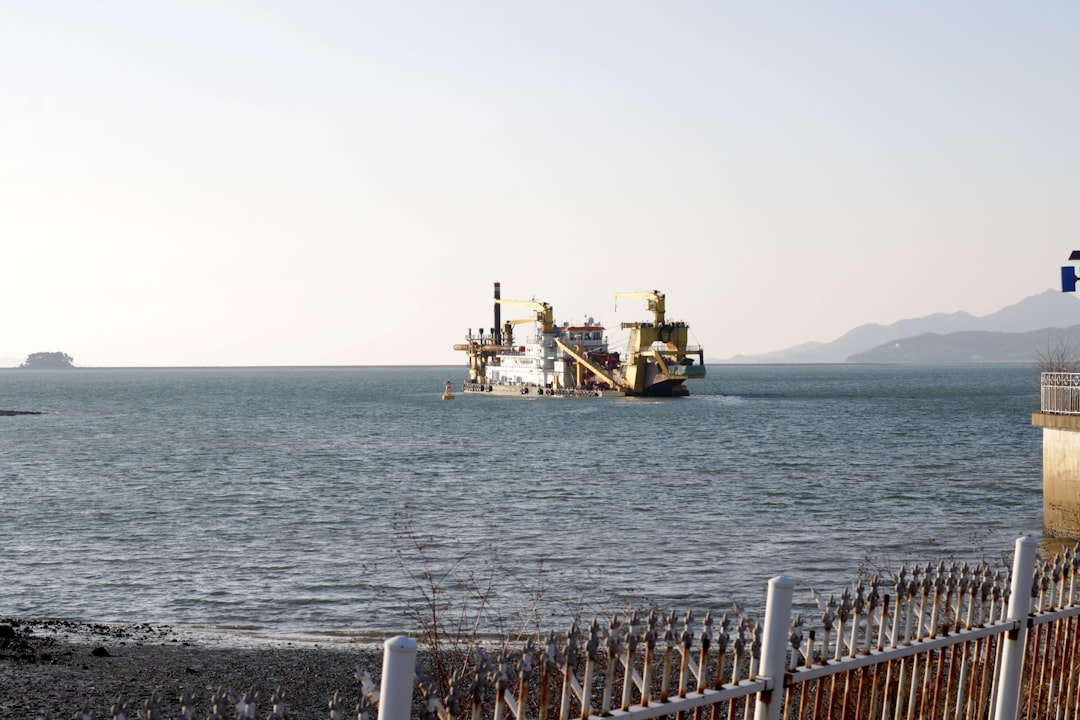
Illegal sand dredging and night mining represent a significant and multifaceted threat to both the environment and human societies. These illicit activities, driven by a burgeoning demand for construction materials and valuable minerals, operate outside the bounds of established regulations, often with devastating consequences. The clandestine nature of their operations exacerbates the damage, making detection and intervention challenging. This article explores the various dangers associated with illegal sand dredging and night mining, examining their environmental impacts, societal ramifications, and the inherent risks they pose to individuals and communities.
The natural world bears the brunt of illegal sand dredging and night mining. These activities, by their very definition, disregard environmental safeguards and sustainable practices, leading to widespread and irreversible damage. Learn about the environmental impacts of sand mining in this informative video.
River and Coastal Ecosystem Degradation
The removal of sand from riverbeds and coastal areas fundamentally alters the natural hydrology and ecology of these systems. Sand acts as a vital component of these ecosystems, performing numerous functions that are disrupted by its illicit extraction.
Erosion and Habitat Loss
When sand is indiscriminately removed, the riverbed or coastline loses its natural protective layer. This leads to accelerated erosion, akin to stripping away the skin of the landscape, leaving it vulnerable to the elements. Riverbanks become unstable, collapsing under their own weight or during periods of heavy rainfall. This erosion not only destroys riparian vegetation, which plays a crucial role in stabilizing soil and providing habitat, but also leads to increased sedimentation downstream. Similarly, coastal erosion jeopardizes beaches, dunes, and mangrove forests, all critical natural barriers against storms and vital habitats for countless species.
Disruption of Aquatic Life
The process of dredging itself, often involving heavy machinery and powerful pumps, directly churns up sediments and destroys benthic habitats – the seafloor or riverbed environment. This releases contaminants trapped within the sediment, including heavy metals and pollutants, into the water column, poisoning aquatic life. The increased turbidity reduces light penetration, hindering photosynthesis for aquatic plants and disrupting the feeding mechanisms of filter feeders. Furthermore, the removal of sand alters the physical structure of the riverbed or seabed, destroying spawning grounds and nurseries for fish, crustaceans, and other aquatic organisms. Many species depend on specific substrate types for their life cycles, and the alteration wrought by illegal dredging can decimate populations, leading to a cascade of negative effects throughout the food web.
Altered Water Flow and Water Table Depletion
The unauthorized removal of sand from riverbeds deepens the channel, which can lead to changes in water flow velocity and direction. This alteration often results in a lowering of the local water table, particularly in adjacent areas. As the groundwater level drops, wells dry up, impacting agricultural activities that rely on readily available water for irrigation. This also affects natural wetlands and riparian areas that depend on a high water table for their sustenance, transforming lush ecosystems into arid landscapes. The consequences extend to drinking water supplies, as communities dependent on shallow wells find their vital resource dwindling.
Land Degradation and Deforestation
Night mining, particularly for minerals, often involves extensive earth-moving activities that leave behind scarred landscapes and depleted forests. The clandestine nature of these operations means that reforestation and land rehabilitation measures are rarely, if ever, undertaken.
Soil Erosion and Loss of Arable Land
The excavation of pits and trenches during night mining exposes vast swathes of soil to the forces of wind and water. This leads to accelerated soil erosion, washing away nutrient-rich topsoil and rendering the land infertile. The removal of vegetation cover, often through illicit logging to clear mining sites or for timber, exacerbates this problem. What was once fertile agricultural land can quickly transform into barren wasteland, impacting local food security and the livelihoods of farming communities. The scale of this degradation can be immense, leaving behind moonscapes that offer little hope for recovery in the short or medium term.
Chemical Contamination and Habitat Destruction
Many night mining operations, particularly those targeting precious minerals like gold, utilize hazardous chemicals such as mercury and cyanide for processing. These chemicals, when irresponsibly discharged into rivers, streams, and soil, pose severe risks to human health and the environment. Fish and other aquatic organisms absorb these toxins, which then bioaccumulate up the food chain, ultimately posing a threat to human consumption. Moreover, the extensive clearing of forests and other natural habitats for mining activities directly leads to habitat destruction, forcing wildlife to relocate or perish. This can drive endangered species closer to extinction and disrupt delicate ecological balances.
Illegal sand dredging operations have become a pressing environmental issue, often linked to night mining activities that evade regulatory scrutiny. These clandestine operations not only threaten local ecosystems but also undermine the livelihoods of communities dependent on sustainable practices. For a deeper understanding of the implications of such illegal activities, you can read a related article that explores the complexities of sand dredging and its impact on the environment and society at this link: related article.
Societal Ills: A Fabric Undone
Beyond the environmental devastation, illegal sand dredging and night mining weave a thread of instability and injustice through the fabric of human societies. These activities often prey on vulnerable communities and fuel a range of social ills.
Economic Exploitation and Loss of Livelihoods
The shadowy nature of these operations allows for the exploitation of labor and the theft of natural resources, impacting legitimate economies and the well-being of local populations.
Unfair Competition and Revenue Loss
Legitimate sand mining and mineral extraction companies operate under strict regulations, paying taxes and adhering to environmental protection guidelines. Illegal operations bypass these costs, enabling them to offer materials at lower prices, thus creating unfair competition. This erodes the market share of legal businesses, potentially leading to job losses and reduced tax revenues for governments. Such revenue losses directly impact public services, reducing funding for education, healthcare, and infrastructure projects, thereby hindering overall societal development. The black market created by illegal activities also makes accurate economic planning nearly impossible.
Impoverishment of Local Communities
While some individuals might be drawn into illegal mining for quick cash, the long-term consequences are often detrimental to local communities. The degradation of agricultural land and fishing grounds through environmental damage directly impacts the livelihoods of farmers and fishermen, who often represent the backbone of these communities. Furthermore, the influx of resources and personnel associated with illegal activities can drive up local costs of living, making essential goods and services unaffordable for existing residents. This can create a cycle of poverty and dependence, where communities lose their self-sufficiency and become beholden to illegal operators.
Public Safety and Health Risks
The clandestine and unregulated nature of illegal excavation poses significant dangers to human life and well-being, often without any safety nets or accountability.
Dangerous Working Conditions
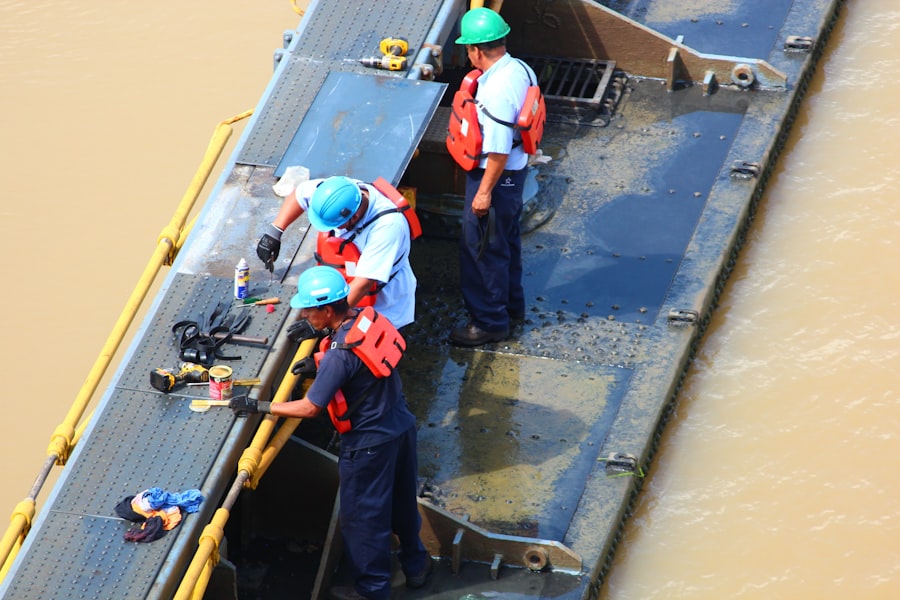
Workers in illegal sand dredging and night mining operations often face perilous conditions. Without proper safety equipment, training, or supervision, they are exposed to risks such as landslides, cave-ins, drowning, and machinery accidents. Children are particularly vulnerable, often coerced or forced into these dangerous environments. The absence of proper safety protocols, coupled with the pressure to maximize output, creates an environment ripe for catastrophic accidents, many of which go unreported due to the illegality of the operations. For instance, the use of rudimentary and overloaded vessels for river dredging significantly increases the risk of capsizing.
Health Impacts from Pollution
Communities living near illegal mining and dredging sites are disproportionately exposed to pollutants. Dust particles from dry sand dredging can cause respiratory illnesses. Chemical runoff from night mining, particularly mercury and cyanide, contaminates drinking water sources and agricultural produce, leading to chronic health issues, birth defects, and neurological damage. The long-term health consequences can be devastating, placing an immense burden on already strained healthcare systems and diminishing the quality of life for entire populations. Children, with their developing bodies, are especially susceptible to these toxins.
Governance Challenges: A Lawless Frontier
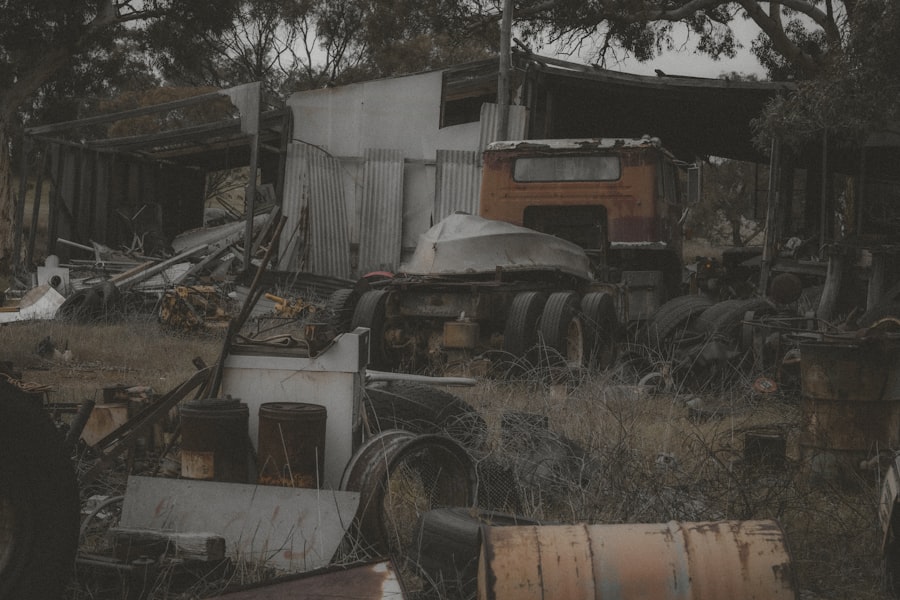
The existence and proliferation of illegal sand dredging and night mining are often indicative of deeper systemic issues related to governance, enforcement, and corruption.
Weak Enforcement and Corruption
The ability of these illicit activities to flourish often hinges on a breakdown of law and order and the presence of corrupt practices.
Regulatory Loopholes and Insufficient Monitoring
Many jurisdictions face challenges in creating comprehensive and effective regulatory frameworks for sand and mineral extraction. Loopholes in existing laws can be exploited by illicit operators, while a lack of resources often means that monitoring and enforcement agencies are stretched thin. Insufficiently funded environmental protection agencies and inadequately staffed inspectorates struggle to cover vast areas where illegal activities take place. This creates a vacuum that illegal operators readily fill, operating with impunity under the cloak of darkness or in remote areas.
Bribery and Impunity
Corruption is a significant enabler of illegal mining and dredging. Bribes to local officials, law enforcement personnel, and regulatory bodies can ensure that operations proceed unhindered, with little to no accountability. This culture of impunity undermines the rule of law and breeds distrust between communities and authorities. When those sworn to uphold the law are complicit in its violation, the fight against illegal activities becomes significantly more challenging, if not impossible. The “long arm of the law” often feels very short indeed in areas rife with such corruption.
Conflict and Criminality
The high-value nature of sand and certain minerals can attract criminal elements and fuel conflict, further exacerbating instability.
Funding of Organized Crime and Terrorism
In some regions, the profits generated from illegal sand dredging and night mining are siphoned off by organized crime syndicates, and even terrorist groups. These illicit revenues can be used to fund other criminal enterprises, purchase weapons, and destabilize entire regions. This creates a dangerous nexus between resource exploitation and insecurity, turning peaceful communities into hotbeds of criminal activity. The “blood diamonds” of Africa serve as a stark reminder of how resource extraction can fuel violent conflicts.
Community Tensions and Violence
Disputes over land ownership, access to resources, and the environmental damage caused by illegal activities can ignite tensions within communities. When local populations attempt to resist illegal operations or report them to authorities, they can face intimidation, threats, or even violence from the perpetrators. This can lead to a breakdown of social cohesion and, in extreme cases, armed conflicts as communities try to protect their land and livelihoods from external exploitation. The very fabric of community life is torn asunder.
Conclusion: A Call to Action
The dangers posed by illegal sand dredging and night mining are profound and far-reaching, akin to a slow-motion avalanche steadily eroding the foundations of our natural world and societies. From the irreversible degradation of vital ecosystems to the exploitation of vulnerable populations and the subversion of governance, the consequences are stark and undeniable. Addressing these multifaceted challenges requires a concerted and collaborative effort involving governments, civil society organizations, local communities, and international bodies. Strengthening legal frameworks, enhancing enforcement capabilities, combating corruption, and promoting sustainable alternatives are all crucial steps in mitigating this pervasive threat and safeguarding our planet and its inhabitants for future generations. The alternative is a future characterized by environmental collapse, social injustice, and widespread instability.
WATCH THIS! 🏗️ SAND MINING MAFIA: The $70 Billion Crime Wave Destroying Rivers & Killing Journalists
FAQs
What is sand dredging?
Sand dredging is the process of extracting sand from riverbeds, lakes, or coastal areas using specialized equipment such as dredgers. It is commonly done to obtain sand for construction, land reclamation, and other industrial uses.
Why is sand dredging sometimes considered illegal?
Sand dredging can be illegal if it is conducted without proper permits, violates environmental regulations, or occurs in protected areas. Illegal operations often ignore safety and environmental standards, leading to ecological damage.
What are the environmental impacts of illegal sand dredging?
Illegal sand dredging can cause severe environmental harm, including riverbank erosion, habitat destruction, loss of biodiversity, water pollution, and disruption of aquatic ecosystems. It can also affect groundwater levels and increase the risk of flooding.
What is night mining in the context of sand dredging?
Night mining refers to the practice of conducting sand dredging operations during nighttime hours, often to avoid detection by authorities. This is commonly associated with illegal sand mining activities.
How do authorities detect and prevent illegal sand dredging?
Authorities use surveillance methods such as patrols, satellite imagery, drones, and community reporting to detect illegal sand dredging. Prevention measures include enforcing strict regulations, issuing permits, imposing fines, and raising public awareness.
What are the legal consequences of engaging in illegal sand dredging?
Individuals or companies involved in illegal sand dredging may face penalties such as fines, confiscation of equipment, suspension of licenses, and even imprisonment depending on the jurisdiction and severity of the offense.
Why is sand mining regulated?
Sand mining is regulated to ensure sustainable extraction, protect the environment, maintain ecological balance, and prevent illegal activities that can cause social and economic harm.
Can sand dredging be done sustainably?
Yes, sand dredging can be done sustainably by following environmental guidelines, obtaining necessary permits, limiting extraction volumes, and rehabilitating mined areas to minimize ecological impact.
What should communities do if they suspect illegal sand dredging in their area?
Communities should report suspected illegal sand dredging to local environmental authorities or law enforcement agencies. They can also participate in awareness campaigns and support monitoring efforts to protect their local environment.