
Sand, a ubiquitous and seemingly inert component of many landscapes, plays a far more dynamic and crucial role in coastal ecosystems than commonly perceived. Its extraction, often driven by the insatiable demands of the construction industry, precipitates a cascade of environmental disturbances, none more pronounced than its profound impact on coastal erosion. This article delves into the intricate relationship between sand mining and shoreline degradation, exploring the mechanisms, consequences, and broader implications of this widespread practice.
The global appetite for sand is staggering, second only to water in terms of natural resources consumed. This seemingly humble material forms the bedrock of modern infrastructure, with applications ranging from concrete and asphalt production to glass manufacturing and land reclamation. As urban populations swell and development projects proliferate, the demand for sand continues its upward trajectory, placing immense pressure on available resources. Learn about the environmental impacts of sand mining in this informative video.
Alluvial Versus Coastal Sand Deposits
Sand deposits are generally categorized into two primary types based on their origin and location: alluvial and coastal. Alluvial sand, typically found in riverbeds and floodplains, is a product of weathering and erosion further upstream, transported downstream by fluvial processes. Coastal sand, on the other hand, is a dynamic accumulation of eroded terrestrial material, marine organism fragments, and offshore sediments, constantly reshaped by waves, currents, and winds. While both are targeted by mining operations, coastal sand mining presents a unique set of challenges due to its direct interaction with maritime environments.
Onshore and Offshore Mining Techniques
The methods employed for sand extraction vary considerably depending on the location and scale of the operation. Onshore mining, often conducted in beaches, dunes, and coastal plains, frequently involves the use of heavy machinery such as excavators and front-end loaders. These machines mechanically remove sand, sometimes creating vast pits or altering the natural topography of the land. Offshore mining, conversely, targets submerged sand deposits. This typically involves dredging, where specialized vessels use powerful pumps and suction pipes to extract sand from the seabed. Hydraulic dredgers, cutter suction dredgers, and trailing suction hopper dredgers are common technologies employed in this sector. Each method, irrespective of its sophistication, carries its own distinct set of environmental repercussions.
Sand mining has significant environmental impacts, particularly in relation to coastal erosion, as highlighted in a related article. The extraction of sand from beaches and riverbeds disrupts natural sediment supply, leading to increased vulnerability of coastlines to erosion and habitat loss. For a deeper understanding of these issues and their implications, you can read more in the article available at this link.
Mechanisms of Coastal Erosion Amplified by Sand Mining
Coastal erosion is a natural process, a constant shaping and reshaping of shorelines driven by forces such as waves, currents, tides, and sea-level fluctuations. However, sand mining acts as a potent accelerant, often pushing these natural processes into overdrive, leading to accelerated and sometimes irreversible shoreline retreat.
Disruption of Sediment Supply and Budget
Consider the coast as a finely balanced ecosystem, a constant ebb and flow of sediments, a metaphorical bank account where deposits and withdrawals must be in equilibrium to maintain stability. Sand mining represents a massive, often unchecked, withdrawal, disrupting this delicate balance. When sand is extracted from beaches, dunes, or nearshore environments, the sediment supply available to nourish the coastline is significantly diminished. This deficit in the “sediment budget” means there is less material to replenish what is naturally lost to erosion, leading to a net loss of coastal land. It’s like removing bricks from the foundation of a house; eventually, the structure will weaken and collapse.
Alteration of Coastal Morphology and Hydrodynamics
The physical removal of vast quantities of sand fundamentally alters the morphology of the coastline. Beaches become narrower, dunes are flattened, and the profile of the seabed can be significantly modified. These morphological changes, in turn, have profound implications for coastal hydrodynamics – the way water moves and interacts with the land. For example, the removal of nearshore sandbars can increase wave energy reaching the shore, as these features often act as natural wave attenuators. Similarly, the deepening of channels due to dredging can alter current patterns, potentially diverting sediments away from an eroding stretch of coastline or even increasing scour in adjacent areas. The coastline’s natural defenses are dismantled, leaving it vulnerable to the relentless assault of the ocean.
Increased Susceptibility to Storm Surge and Sea Level Rise
A healthy, abundant beach and dune system acts as a natural buffer, a resilient shield protecting inland areas from the destructive power of storm surges and the encroaching threat of sea-level rise. Dunes, with their accumulated sand, provide a reservoir of material that can be mobilized during storms, sacrificing themselves to absorb wave energy and dissipate water velocity. Beaches, especially wide ones, offer a broad expanse over which wave energy can be dissipated before reaching critical infrastructure. When sand mining diminishes these natural defenses, the coastline becomes significantly more susceptible to the devastating impacts of extreme weather events. Storm surges penetrate further inland, leading to increased flooding, damage to property, and loss of life. As sea levels continue to rise globally, the absence of natural buffers exacerbates the problem, accelerating inundation and permanent land loss.
Environmental Consequences Beyond Shoreline Retreat
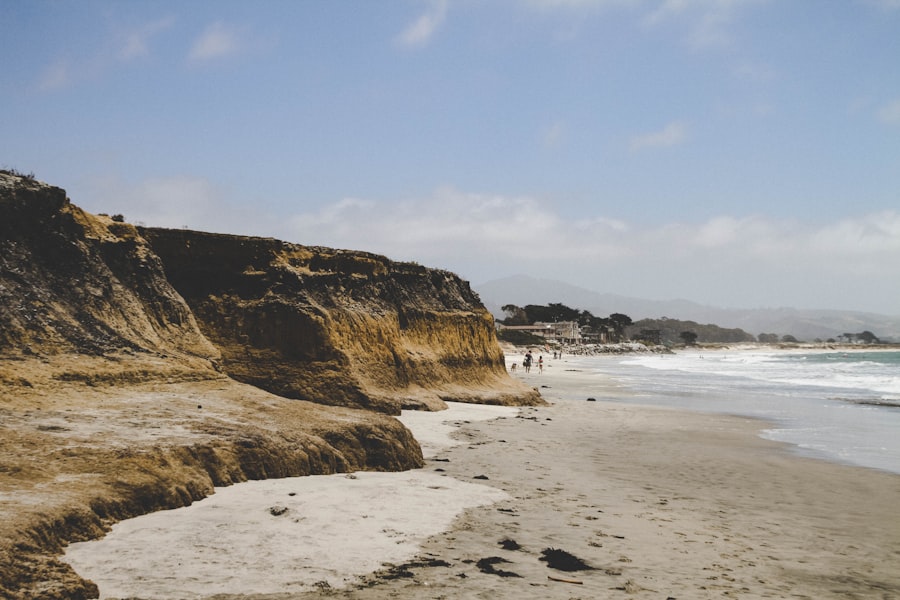
The impacts of sand mining extend far beyond the immediate recession of the shoreline, creating a ripple effect that destabilizes entire coastal ecosystems and communities.
Habitat Degradation and Biodiversity Loss
Coastal environments are teeming with life, from microscopic organisms in the sand to specialized plants and animals that thrive in these dynamic zones. Sand mining acts as a bulldozer through these delicate habitats. The direct removal of sand destroys breeding grounds, foraging areas, and protective shelters for numerous species. For example, sea turtle nesting beaches are often prime targets for sand extraction, directly impacting their reproductive success. Benthic organisms, those living on or in the seabed, are particularly vulnerable to dredging operations, which can smother or remove entire communities. The resulting loss of biodiversity weakens the resilience of the ecosystem, making it less capable of adapting to other environmental stressors. It’s like tearing pages out of a complex biological textbook; the overall narrative becomes incomplete and less coherent.
Salinization of Freshwater Aquifers
Many coastal communities rely on shallow freshwater aquifers for drinking water and agricultural irrigation. These aquifers often sit in delicate balance with the encroaching saltwater from the ocean, separated by a natural hydraulic barrier. The removal of sand, particularly from dunes and coastal plains, can disrupt this natural barrier, allowing saltwater intrusion into freshwater aquifers. This salinization renders the water unusable for human consumption and agricultural purposes, leading to severe resource scarcity and impacting livelihoods. The consequences are particularly dire in regions already facing water stress, turning a readily available resource into an unusable one.
Damage to Coastal Infrastructure and Livelihoods
Coastal communities worldwide are intricately linked to their surrounding environment. The impacts of sand mining directly undermine the foundations of these communities. Accelerated erosion threatens beachfront properties, roads, and critical infrastructure, often requiring expensive and temporary engineering solutions like seawalls or groynes, which themselves can exacerbate erosion elsewhere. Furthermore, the loss of beaches and the degradation of marine ecosystems can decimate tourism industries, a vital economic driver for many coastal regions. Fishing communities suffer from the loss of fish spawning grounds and the disruption of marine food webs. The cumulative effect is a decline in economic stability, forced displacement, and an erosion of cultural heritage tied to the coast.
Policy, Regulation, and Sustainable Alternatives
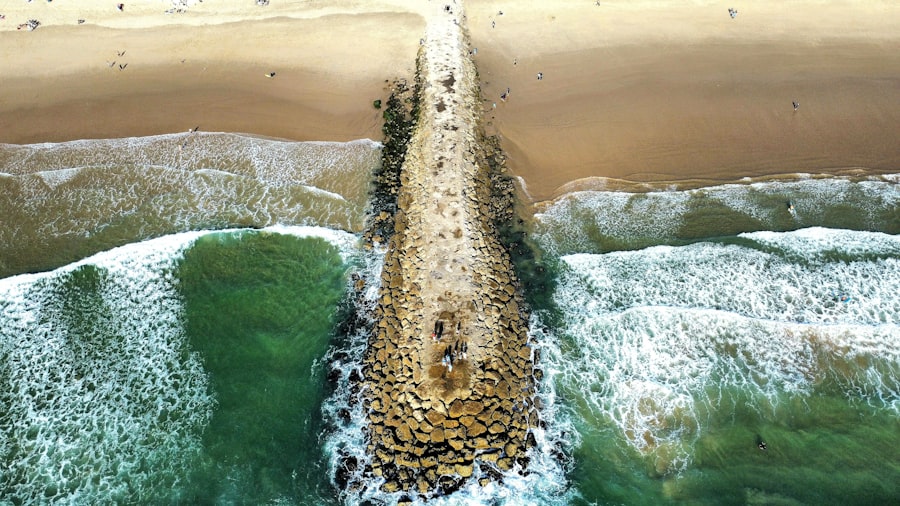
Addressing the pervasive problem of sand mining and its impact on coastal erosion requires a multi-faceted approach involving robust policy, effective regulation, and the exploration of sustainable alternatives.
Inadequacy of Existing Legislation and Enforcement
In many parts of the world, especially in developing nations, existing legislation governing sand mining is either weak, poorly enforced, or riddled with loopholes. This regulatory vacuum creates an environment ripe for illegal mining operations, often driven by powerful and illicit networks. Even where regulations exist, a lack of resources for monitoring, insufficient penalties for violations, and corruption can undermine their effectiveness. This allows destructive practices to continue unchecked, further exacerbating coastal degradation. The legal framework, intended to protect, often becomes a mere suggestion rather than a binding constraint.
The Role of Integrated Coastal Zone Management (ICZM)
Integrated Coastal Zone Management (ICZM) offers a holistic framework for addressing the complex challenges facing coastal areas. It emphasizes a collaborative and adaptive approach, bringing together various stakeholders – government agencies, local communities, scientists, and industry – to develop sustainable management plans. ICZM aims to balance economic development with environmental protection by considering the interconnectedness of coastal ecosystems and human activities. By mapping sediment budgets, identifying vulnerable areas, and promoting stakeholder engagement, ICZM can play a crucial role in preventing and mitigating the impacts of sand mining. It’s about seeing the coast not as isolated segments but as a singular, interconnected organism requiring comprehensive care.
Exploring Sustainable Sand Alternatives and Practices
Reducing the reliance on virgin sand extraction is paramount. This necessitates a concerted effort to identify and implement sustainable alternatives and practices. Recycled concrete and demolished building materials can be processed into aggregates suitable for certain construction applications. Manufactured sand, produced by crushing rocks, offers another alternative, though its production also carries environmental costs. Additionally, optimizing construction designs to reduce overall sand consumption, promoting efficient use of existing resources, and investing in research and development for novel building materials can significantly alleviate pressure on natural sand deposits. Furthermore, responsible practices in projects requiring sand, such as beach nourishment programs, should prioritize sourcing from offshore deposits that minimize impact on sensitive nearshore environments and ensure regular monitoring of sediment dynamics.
In conclusion, the relentless pursuit of sand for construction and development has placed an unprecedented strain on coastal environments, acting as a powerful catalyst for erosion. The disruption of sediment budgets, alteration of coastal morphology, and increased vulnerability to storms are palpable consequences. Beyond the immediate shoreline, this practice devastates habitats, contaminates freshwater, and undermines the livelihoods of coastal communities.Addressing this global crisis demands a paradigm shift, moving away from unsustainable extraction towards comprehensive coastal management, robust regulatory frameworks, and an earnest commitment to sustainable alternatives. The health of our coasts, and indeed the well-being of countless communities, hinges on a more responsible and informed approach to this seemingly simple, yet profoundly impactful, natural resource.
WATCH THIS! 🏗️ SAND MINING MAFIA: The $70 Billion Crime Wave Destroying Rivers & Killing Journalists
FAQs
What is sand mining?
Sand mining is the process of extracting sand from beaches, riverbeds, seabeds, or inland dunes for use in construction, manufacturing, and other industrial applications.
How does sand mining contribute to coastal erosion?
Sand mining removes sand that naturally replenishes beaches and coastal areas, leading to the loss of protective shorelines. This accelerates coastal erosion by making the coast more vulnerable to wave action and storm surges.
What are the environmental impacts of sand mining?
Environmental impacts include habitat destruction, loss of biodiversity, increased turbidity in water bodies, disruption of aquatic ecosystems, and alteration of natural sediment flow, which can exacerbate coastal erosion.
Why is sand important for coastal protection?
Sand acts as a natural barrier that absorbs wave energy, protects inland areas from flooding, and maintains the stability of coastal ecosystems such as dunes and wetlands.
Can sand mining be done sustainably?
Sustainable sand mining involves regulated extraction limits, site rehabilitation, monitoring environmental impacts, and using alternative materials to reduce pressure on natural sand sources.
What are the consequences of unchecked sand mining on coastal communities?
Unchecked sand mining can lead to increased flooding, loss of property and infrastructure, reduced fishery resources, and displacement of communities due to land degradation and erosion.
Are there regulations governing sand mining?
Many countries have regulations and guidelines to control sand mining activities, aiming to minimize environmental damage and ensure sustainable resource use, though enforcement varies widely.
How does sand mining affect marine life?
Sand mining disturbs seabed habitats, leading to loss of breeding grounds, increased sedimentation that affects water quality, and disruption of food chains in marine ecosystems.
What alternatives exist to reduce the demand for natural sand?
Alternatives include using manufactured sand from crushed rock, recycled construction materials, and promoting the use of other building materials to reduce reliance on natural sand.
How can coastal erosion caused by sand mining be mitigated?
Mitigation measures include beach nourishment, restoring natural vegetation, implementing coastal protection structures, enforcing mining regulations, and promoting community awareness and involvement.