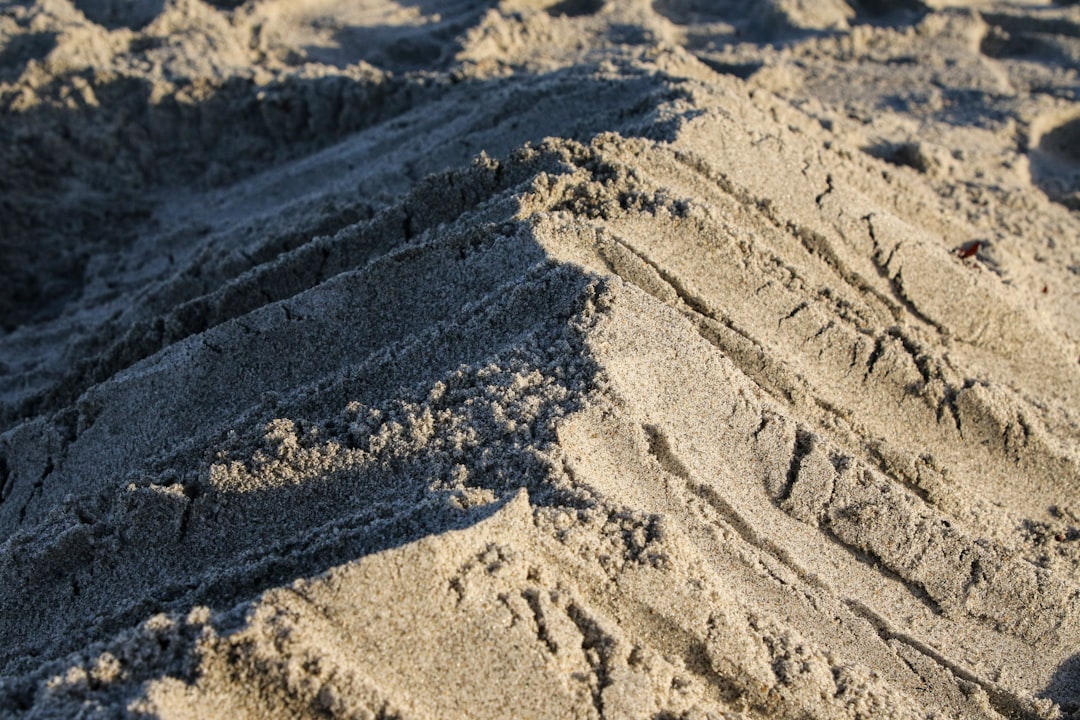
Sand, the unassuming granular foundation beneath our feet, plays a critical role in ecosystems worldwide. It provides habitat for countless species, shapes coastlines, and forms a natural barrier against erosion. Yet, this vital resource faces a relentless assault from illegal extraction, a practice that rips at the very fabric of our planet. The following exploration delves into the multifaceted devastation wrought by this illicit industry, laying bare its far-reaching consequences for both the environment and human societies.
The immediate and most visible impact of illegal sand extraction manifests as profound ecological disruption. These operations, often unregulated and clandestine, carve out vast swathes of land or dredge relentlessly from rivers and coastlines, leaving behind a scarred and impoverished landscape. Learn about the environmental impacts of sand mining in this informative video.
Loss of Biodiversity and Habitat Destruction
Illegal sand mining operations are ecological wrecking balls. They obliterate established habitats, dislocating and often killing the flora and fauna that call these areas home.
Terrestrial Ecosystems
On land, extensive sand removal strips away topsoil, exposing barren subsoil that is inhospitable to most plant life. This leads to a rapid decline in vegetation cover, which in turn impacts herbivores and the carnivores that prey upon them. Imagine a vibrant forest cleared for sand; the intricate web of life, from microscopic organisms to large mammals, is severed. The intricate root systems of trees and plants, critical for soil stability, vanish, leaving the land vulnerable to further degradation. Bird nesting sites are destroyed, and migratory patterns are interrupted. The sheer scale of some operations effectively creates ecological deserts where lush environments once thrived.
Aquatic and Coastal Ecosystems
In aquatic environments, whether rivers, lakes, or coastal zones, the impact is even more immediate and profound. Dredging equipment churns up sediments, clouding the water column and suffocating aquatic life. Fish spawning grounds, often in shallow, sandy areas, are destroyed, leading to declines in fish populations. Coral reefs, vital marine ecosystems, can be smothered by displaced sediment, hindering their ability to photosynthesize and ultimately leading to their demise. Species reliant on clear water for hunting, such as certain fish and birds, find their food sources diminished or inaccessible. The very physical structure of the aquatic environment, from riverbeds to estuaries, is altered, creating environments hostile to native species and often favoring invasive ones.
Alteration of Natural Landscapes and Geomorphology
The physical consequences of illegal sand extraction extend far beyond individual habitats. It fundamentally reshapes the land and marine environments, often with irreversible consequences.
River System Degradation
Rivers are particularly vulnerable. The extraction of sand from riverbeds deepens the channel, speeds up water flow, and upsets the natural sediment balance. This can lead to increased erosion of riverbanks, threatening infrastructure such as bridges and homes. The lowered riverbed can also cause the water table to drop in adjacent areas, impacting groundwater reserves and making irrigation more challenging for agricultural communities. Furthermore, the increased velocity of the water can scour away critical hydrological features, such as riffles and pools, which are essential for various aquatic species. The river, once a dynamic and self-regulating system, becomes an artificial conduit, deprived of its natural rhythms.
Coastal Erosion and Shoreline Instability
Coastal areas, especially islands and low-lying regions, face an existential threat. Sand acts as a natural barrier, absorbing the energy of waves and protecting shorelines from erosion. When this sand is removed, coastlines become exposed and highly susceptible to the relentless force of ocean currents and storms. This results in accelerated erosion, leading to the loss of beaches, coastal wetlands, and even land. Imagine a protective shield, gradually chipped away until the defenseless land behind it is swallowed by the sea. This not only threatens homes and infrastructure but also diminishes the natural protection against tsunamis and storm surges, leaving communities dangerously vulnerable.
Illegal sand extraction has become a pressing environmental issue, contributing significantly to habitat destruction and coastal erosion. A related article that delves into the ramifications of this practice can be found at Real Lore and Order, where it discusses the impact of unregulated sand mining on ecosystems and local communities. This informative piece highlights the urgent need for sustainable practices and stricter regulations to protect our natural resources.
Degradation of Water Resources
Water, the elixir of life, is inextricably linked to sand. Illegal extraction practices frequently compromise the quality and availability of this essential resource, affecting both human consumption and ecological processes.
Contamination of Groundwater and Surface Water
The processes involved in illegal sand extraction can introduce a cocktail of pollutants into both surface and groundwater.
Release of Sediments and Pollutants
Dredging and excavation churn up vast quantities of sediment, clouding the water and increasing its turbidity. This makes the water unsuitable for drinking and often impacts aquatic life by reducing light penetration necessary for photosynthesis and clogging the gills of fish. Furthermore, these activities can disturb dormant pollutants, such as heavy metals or agricultural chemicals, previously trapped in the sand or underlying soil, releasing them into the water column. Imagine stirring up a settled pot of murky sludge; the clean water at the top becomes instantly contaminated. This contamination can seep into aquifers, polluting groundwater reserves that communities rely on for drinking and irrigation.
Saline Intrusion in Coastal Areas
In coastal regions, the removal of sand can have the insidious effect of encouraging saline intrusion. As freshwater aquifers are depleted or their protective sand layers are removed, saltwater from the ocean can seep inland, contaminating freshwater sources. This renders groundwater unusable for agriculture and human consumption, exacerbating water scarcity in already vulnerable coastal communities. Consider a natural dam holding back a salty sea; once the dam is breached, the salt water inexorably advances, spoiling the fresh water behind it. This is a particularly dire consequence for island nations and delta regions.
Impact on Water Table and Groundwater Recharge
The intricate relationship between sand beds and groundwater replenishment is often overlooked but profoundly important.
Lowering of the Water Table
Illegal sand extraction often involves removing sand directly from riverbeds or areas adjacent to water bodies. This can lead to a significant lowering of the local water table, as the protective layers of sand that hold groundwater are diminished. Wells in nearby communities may dry up, forcing residents to dig deeper or seek alternative, often more distant and expensive, water sources. This creates a ripple effect, impacting agriculture, domestic water supply, and the health of surrounding ecosystems that depend on a stable water table. The very sponge that held precious water is being systematically dismantled.
Reduced Groundwater Recharge
Sand and gravel layers play a crucial role in filtering rainwater and facilitating its slow percolation into groundwater aquifers, a process known as groundwater recharge. When these layers are removed or compacted by heavy machinery, the natural recharge process is severely hampered. Rainwater instead runs off more quickly, increasing flood risks and reducing the replenishment of vital underground water reserves. This is akin to removing the porous filter from a coffee machine; the water no longer slowly drips through but gushes, bypassing the essential filtration and collection process.
Socio-Economic Consequences
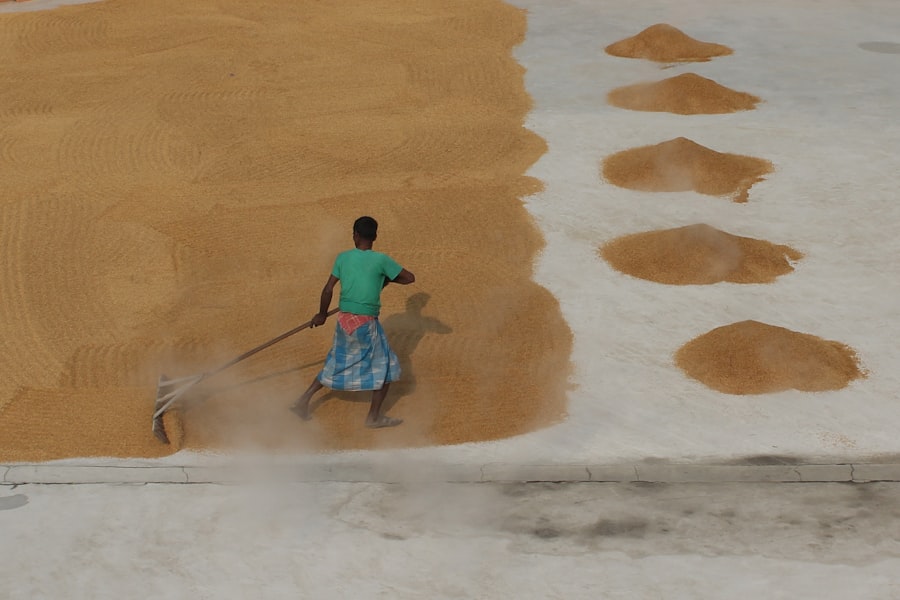
Beyond the environmental devastation, illegal sand extraction unleashes a torrent of socio-economic problems, particularly for local communities and vulnerable populations.
Livelihood Disruptions and Displacement
The environmental degradation caused by illegal sand mining directly translates into hardship for those whose livelihoods are intrinsically linked to healthy ecosystems.
Impact on Agriculture and Fishing
Farmers reliant on a stable water table or fertile riverine soils find their crops failing, as groundwater levels drop or land becomes infertile. Fisherfolk, whose sustenance depends on healthy fish populations, witness their catches dwindle as breeding grounds are destroyed and waters become polluted. Imagine a farmer whose field is now a barren pit, or a fisher whose nets come up empty; their means of survival are stolen. This forces communities into poverty, leading to food insecurity and, in many cases, forced migration.
Loss of Tourism and Recreational Opportunities
Coastal and riverine areas often attract tourists due to their natural beauty. When beaches are eroded, rivers become murky, and landscapes are blighted by mining scars, the appeal for tourists diminishes significantly. This leads to a decline in tourism revenue, impacting local businesses, hotels, and informal sectors that rely on visitor spending. Additionally, recreational activities such as swimming, boating, and fishing become impractical or unsafe, further eroding the quality of life for residents. A beautiful natural vista, once a source of pride and income, becomes an industrial wasteland.
Health Risks and Safety Hazards
The lack of regulation and oversight inherent in illegal operations creates a dangerous environment for both workers and nearby communities.
Occupational Hazards for Workers
Those involved in illegal sand extraction often work in extremely perilous conditions, without proper safety equipment or training. Landslides in excavated quarries, collapsing riverbanks, and unguarded machinery are constant threats. Injuries, and even fatalities, are lamentable occurrences in this shadow industry. Workers are often exploited, with little recourse for rights or compensation. They are essentially pawns in a dangerous game, driven by desperation and the insatiable demand for sand.
Dust and Noise Pollution for Nearby Communities
Illegal sand mining sites generate significant dust, which can blanket nearby villages, affecting air quality and leading to respiratory illnesses among residents, particularly children and the elderly. The constant roar of heavy machinery, often operating around the clock, creates unbearable noise pollution, disrupting sleep, learning, and overall well-being. Imagine living next to a perpetual construction site, shrouded in dust; the quality of life is severely diminished, and health is constantly at risk.
Economic and Governance Challenges

The clandestine nature of illegal sand extraction makes it a difficult challenge to combat, exposing weaknesses in governance and creating distorted economic landscapes.
Illicit Trade and Black Markets
Illegal sand mining thrives in the shadows, fueled by a booming demand for construction materials and often facilitated by corruption.
Price Manipulation and Economic Disparities
The unaccounted-for and untaxed nature of illegally extracted sand allows it to be sold at lower prices, undercutting legitimate businesses that adhere to environmental regulations and fair labor practices. This creates an uneven playing field, incentivizing illegal operations and making it difficult for legal miners to compete. The profits from this illicit trade often flow into the hands of criminal organizations, further entrenching corruption and instability. It’s like an unchecked cancer, growing and spreading, consuming legitimate industries in its path.
Corruption and Law Enforcement Weaknesses
The very existence of widespread illegal sand mining points to significant weaknesses in governance and law enforcement. Bribes and undue influence can lead to turning a blind eye to illegal activities, permitting operations to continue unchecked. The scale of the problem often overwhelms under-resourced or compromised enforcement agencies, allowing perpetrators to operate with relative impunity. This erodes public trust in institutions and perpetuates a cycle of environmental degradation and injustice. When the guardians of the law themselves are compromised, the floodgates of illegal activity open wide.
Resource Depletion and Future Scarcity
The current rate of extraction, both legal and illegal, is unsustainable, pushing a finite resource towards a crisis point.
Unregulated Extraction Rates and Finite Resources
Sand, though seemingly abundant, is a finite resource when considered in geological timescales. Rivers and oceans replenish sand at a glacial pace, far slower than the rate at which it is being extracted. Illegal mining exacerbates this problem by operating outside any semblance of sustainable management, emptying sand deposits at an alarming rate. This short-sighted plundering ignores future needs, effectively stealing from generations yet to come. It’s like borrowing against the future without any intention of repayment, leaving a legacy of scarcity.
Impact on Infrastructure Development and Cost of Materials
As easily accessible sand deposits are depleted by illegal mining, the cost of legitimate sand increases, impacting construction industries and the affordability of infrastructure projects. Companies may be forced to transport sand from farther afield, incurring higher costs and increasing carbon emissions. This creates a distorted market where the demand for construction materials fuels further illegal extraction, perpetuating a destructive cycle. The foundation of our built environment, metaphorically and literally, is being undermined by short-term gain.
Illegal sand extraction has become a pressing issue, contributing significantly to environmental destruction and the degradation of ecosystems. This practice not only disrupts local habitats but also leads to increased erosion and loss of biodiversity. For a deeper understanding of the implications of this crisis, you can read a related article that explores the various dimensions of illegal sand mining and its impact on the environment. The article highlights the urgent need for regulatory measures to combat this growing threat. To learn more, visit this informative piece that delves into the complexities surrounding illegal sand extraction.
The Path Forward: Mitigation and Enforcement
| Metric | Description | Impact | Example Region |
|---|---|---|---|
| Volume of Sand Extracted Illegally (tons/year) | Estimated amount of sand removed without permits | Depletes natural sand reserves, disrupts ecosystems | Riverbeds in India, Southeast Asia |
| Loss of Biodiversity (%) | Reduction in species diversity due to habitat destruction | Endangers aquatic and riparian species | Mekong River Basin |
| Riverbank Erosion Rate (meters/year) | Speed at which riverbanks are eroding due to sand removal | Leads to loss of land and increased flooding risk | Niger Delta, Nigeria |
| Water Table Decline (meters/year) | Drop in groundwater levels linked to sand mining | Reduces water availability for agriculture and communities | Coastal areas in Vietnam |
| Increase in Sediment Load (tons/year) | Additional sediment caused by disturbed riverbeds | Impairs water quality and aquatic habitats | Amazon River Basin |
| Number of Illegal Mining Incidents Reported | Recorded cases of unauthorized sand extraction | Indicates scale of enforcement challenges | Global |
Addressing the crisis of illegal sand extraction requires a multi-pronged approach, integrating robust enforcement with sustainable resource management and community engagement.
Strengthening Legal Frameworks and Enforcement
Effective action hinges on the political will to implement and enforce stringent laws against illegal mining.
Improved Monitoring and Surveillance Technologies
Deploying satellite imagery, drones, and real-time monitoring systems can significantly enhance the ability of authorities to detect and track illegal mining operations, even in remote areas. These technologies act as vigilant eyes, providing irrefutable evidence for prosecution and allowing for quicker intervention. The invisible hand of technology can illuminate the hidden crimes of illegal miners.
Enhanced Inter-Agency Cooperation and Penalties
Cooperation between environmental agencies, law enforcement, geological surveys, and local authorities is paramount. A coordinated response can ensure a comprehensive approach to detection, investigation, and prosecution. Furthermore, imposing robust penalties, including substantial fines and imprisonment, can act as a powerful deterrent, signaling that the environmental and social costs of illegal extraction will no longer be tolerated. The web of enforcement must be strong and interconnected, leaving no gaps for illicit activities to exploit.
Promoting Sustainable Sand Management Practices
Beyond enforcement, a paradigm shift towards sustainable resource management is essential to meet the demand for sand without destroying the planet.
Recycling and Alternative Materials
Investing in research and development for alternative building materials, such as recycled concrete, manufactured sand from crushed rock, or agricultural waste products, can significantly reduce reliance on natural sand. Promoting the recycling of construction and demolition waste also closes the loop, transforming waste into valuable resources. Imagine a future where our buildings are built not by plundering nature, but by intelligently reusing what we already have.
Responsible Sourcing and Demand Reduction
Encouraging consumers and industries to demand sand from legal, environmentally certified sources can strengthen the market for legitimate operations. Educating the public about the environmental impact of sand extraction can also foster a greater appreciation for responsible consumption. Reducing demand through efficient construction techniques and optimized designs can further alleviate pressure on natural sand deposits. Every conscious choice, from the individual builder to the massive construction firm, can contribute to a more sustainable future.
The devastating impact of illegal sand extraction is not merely an environmental footnote; it is a profound assault on our planet’s stability, biodiversity, and the well-being of countless communities. The invisible erosion caused by this illicit trade ripples through ecosystems, compromises water resources, and exacerbates social inequities. Addressing this complex challenge demands unwavering commitment, innovative solutions, and a collective understanding that the unassuming grain of sand holds a disproportionate power to shape our shared future. We, as a global society, must confront this destructive force head-on, ensuring that the foundation of our world remains intact for generations to come. The sand beneath our feet is a precious legacy, not an expendable commodity.
WATCH THIS! 🏗️ SAND MINING MAFIA: The $70 Billion Crime Wave Destroying Rivers & Killing Journalists
FAQs
What is illegal sand extraction?
Illegal sand extraction refers to the unauthorized removal of sand from rivers, beaches, or other natural environments without proper permits or adherence to environmental regulations.
Why is sand extraction important?
Sand is a critical resource used in construction, manufacturing, and land reclamation. It is a key ingredient in concrete, glass, and asphalt, making it essential for infrastructure development.
How does illegal sand extraction cause environmental destruction?
Illegal sand extraction can lead to riverbank erosion, loss of biodiversity, disruption of aquatic ecosystems, lowering of water tables, and increased vulnerability to floods and landslides.
What are the common areas affected by illegal sand mining?
Rivers, coastal beaches, and dunes are commonly affected areas. These ecosystems are often disrupted by unregulated sand removal, leading to habitat loss and environmental degradation.
What are the social impacts of illegal sand extraction?
Illegal sand mining can cause conflicts over land and resources, displacement of local communities, loss of livelihoods for fishermen and farmers, and increased health risks due to environmental damage.
How can illegal sand extraction be controlled?
Control measures include enforcing strict regulations, monitoring extraction sites, promoting sustainable mining practices, raising public awareness, and providing alternative materials for construction.
Are there sustainable alternatives to natural sand?
Yes, alternatives include manufactured sand (crushed rock), recycled construction waste, and industrial by-products like slag, which can reduce the demand for natural sand.
What role do governments play in preventing illegal sand extraction?
Governments are responsible for creating and enforcing laws, issuing permits, conducting environmental impact assessments, and collaborating with communities to ensure sustainable sand mining practices.
Can illegal sand extraction affect climate change?
While not a direct cause, illegal sand mining contributes to environmental degradation, which can exacerbate climate change impacts by damaging ecosystems that act as carbon sinks.
What are the economic consequences of illegal sand extraction?
Illegal sand mining can undermine legal businesses, reduce government revenue from permits and taxes, and lead to costly environmental restoration efforts.