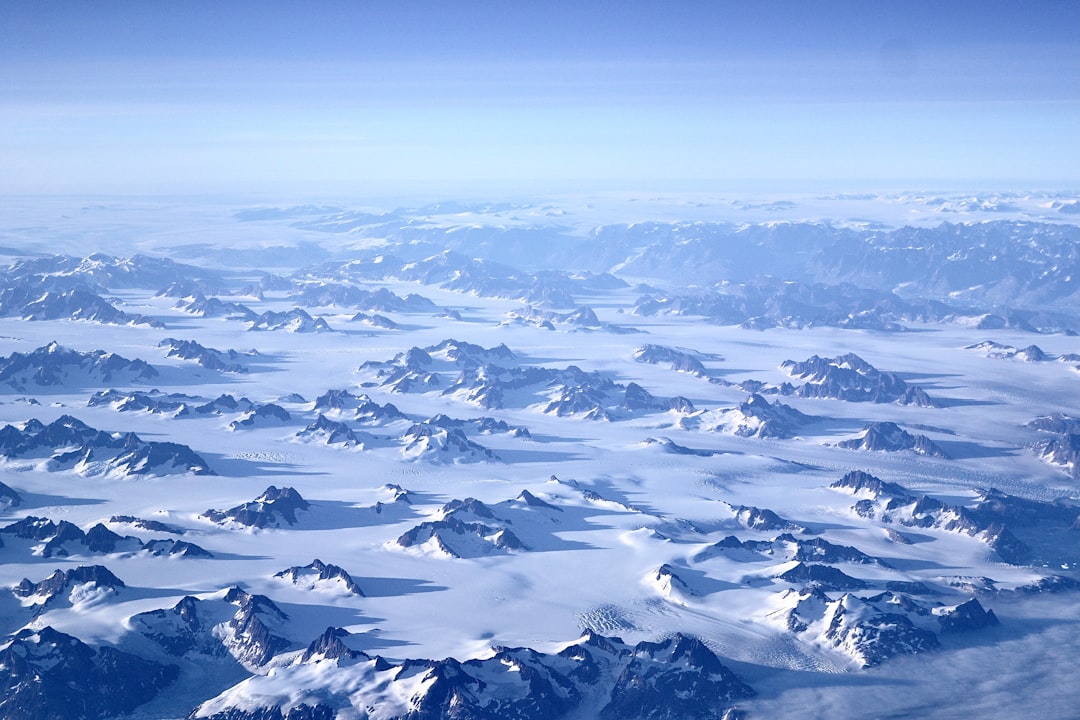
Isostatic rebound, also known as isostatic adjustment, refers to the process by which the Earth’s crust rises or falls in response to changes in surface load. This phenomenon is primarily driven by the melting of ice sheets and glaciers, which have exerted immense pressure on the Earth’s crust over millennia. When these ice masses begin to melt, the weight they impose on the crust is alleviated, allowing the land beneath to gradually rise.
This process can take thousands of years, as the crust adjusts to the new equilibrium state. The concept of isostasy is crucial for understanding how the Earth’s lithosphere interacts with various geological and climatic forces. The significance of isostatic rebound extends beyond mere geological curiosity; it has profound implications for understanding past climate changes and predicting future environmental shifts.
As the ice sheets retreat, they not only reshape the landscape but also influence sea levels and local ecosystems. The study of isostatic rebound provides insights into the dynamic processes that govern the Earth’s surface and helps scientists comprehend the long-term impacts of climate change on polar regions.
Key Takeaways
- Isostatic rebound is the gradual rise of land that was once depressed by the weight of ice sheets during the last glacial period.
- Isostatic rebound has played a significant role in shaping Antarctica’s current topography, leading to the formation of mountains and valleys.
- The impact of isostatic rebound on Antarctic glaciers includes the potential for increased ice flow and calving due to changes in the underlying topography.
- Geological evidence, such as raised beaches and marine terraces, provides insight into the process of isostatic rebound in Antarctica.
- Isostatic rebound contributes to sea level rise by lifting previously submerged land, which can lead to the displacement of water into the oceans.
- The relationship between isostatic rebound and the Antarctic Ice Sheet is complex, with the potential for both positive and negative effects on ice dynamics.
- Monitoring isostatic rebound in Antarctica is crucial for understanding its ongoing effects on the landscape and infrastructure.
- Isostatic rebound is interconnected with climate change, as rising temperatures can influence the rate and magnitude of land uplift in Antarctica.
- The implications of isostatic rebound for Antarctic research include the need to consider its effects on geological and glaciological studies.
- Managing the effects of isostatic rebound on Antarctic infrastructure requires careful planning and adaptation to the changing landscape.
The Role of Isostatic Rebound in Shaping Antarctica’s Topography
Antarctica’s topography has been significantly influenced by isostatic rebound, which has played a pivotal role in sculpting its unique landscape. The continent’s vast ice sheets, which have accumulated over millions of years, have pressed down on the underlying crust, creating a complex interplay between elevation and ice mass. As these ice sheets begin to melt due to rising global temperatures, the land beneath them is slowly rebounding, leading to changes in elevation and topographical features.
This rebound process has resulted in the emergence of previously submerged landforms and the alteration of existing ones. For instance, as the weight of the ice diminishes, areas that were once flat may become more rugged, with new hills and valleys forming as the crust adjusts. The ongoing isostatic rebound in Antarctica not only reshapes its physical geography but also affects local ecosystems, as newly exposed land can create habitats for various species while altering existing ones.
Impact of Isostatic Rebound on Antarctic Glaciers
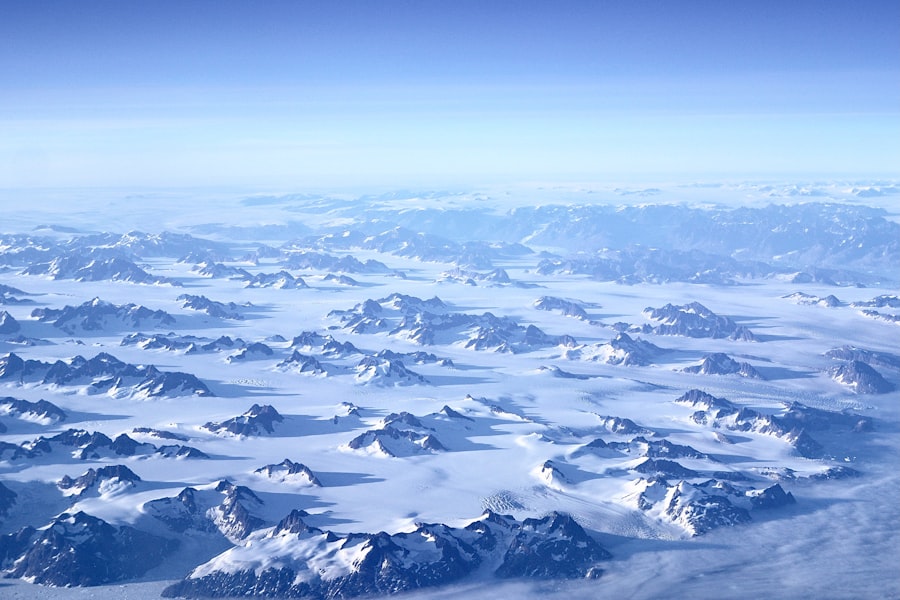
The impact of isostatic rebound on Antarctic glaciers is multifaceted and significant. As the crust rises in response to melting ice, it can influence glacier dynamics in several ways. For one, the changing topography can affect the flow patterns of glaciers, potentially leading to accelerated melting or changes in their stability.
Glaciers that were once confined by surrounding topography may find themselves in new positions, altering their interaction with surrounding environments. Moreover, isostatic rebound can lead to increased calving events at glacier termini. As the land rises, it can create new pathways for glacial retreat, allowing ice to break off more readily into the ocean.
This process not only contributes to rising sea levels but also affects oceanic circulation patterns and marine ecosystems. Understanding these dynamics is crucial for predicting future changes in both Antarctic glaciers and global sea levels.
Geological Evidence of Isostatic Rebound in Antarctica
| Location | Evidence | Measurement |
|---|---|---|
| West Antarctica | Uplifted marine terraces | Several meters above sea level |
| East Antarctica | Exposed fossil beaches | Several meters above current sea level |
| Antarctic Peninsula | Rebounding coastlines | Several millimeters per year |
Geological evidence of isostatic rebound in Antarctica can be observed through various methods, including geological mapping, sediment analysis, and GPS measurements. Researchers have identified raised beaches and marine terraces that indicate former sea levels, providing a timeline of how much land has risen since the last glacial maximum. These features serve as tangible markers of the ongoing rebound process and offer insights into the rate at which different regions are adjusting.
Additionally, sediment cores taken from beneath ice sheets reveal layers that correspond to periods of glacial advance and retreat. By analyzing these layers, scientists can reconstruct past climates and understand how isostatic rebound has influenced both geological and biological processes over time. This geological evidence not only supports theories of isostatic adjustment but also enhances our understanding of Antarctica’s complex history.
Isostatic Rebound and Sea Level Rise
The relationship between isostatic rebound and sea level rise is a critical area of study in understanding global climate change. As glaciers and ice sheets melt due to warming temperatures, they contribute directly to rising sea levels. However, isostatic rebound complicates this picture by causing certain areas to rise while others may sink or remain stable.
This differential movement can lead to localized variations in sea level rise that are not uniform across the globe. In regions experiencing significant isostatic rebound, such as parts of Antarctica, the land uplift can partially offset sea level rise caused by melting ice. Conversely, areas where the crust is subsiding may experience more pronounced effects from rising seas.
Understanding these dynamics is essential for coastal planning and management, as they can influence flood risks and habitat loss in vulnerable regions.
Isostatic Rebound and the Antarctic Ice Sheet

The Antarctic Ice Sheet is a massive reservoir of freshwater that plays a crucial role in global sea levels. Isostatic rebound has a direct impact on this ice sheet’s stability and dynamics. As the ice sheet melts and loses mass, the underlying crust begins to rise, which can alter the flow of ice within the sheet itself.
This interaction can lead to feedback mechanisms that either accelerate or slow down further melting. Moreover, as certain areas of the ice sheet become less stable due to isostatic adjustments, they may become more susceptible to collapse or retreat. This potential instability raises concerns about future contributions to sea level rise from Antarctica.
Isostatic Rebound and the Future of Antarctica’s Landscape
The future landscape of Antarctica will be significantly shaped by ongoing isostatic rebound processes. As climate change continues to drive ice melt, the continent’s topography will evolve in ways that are difficult to predict fully. New landforms will emerge as previously buried areas are exposed, while existing features may be altered or eroded by changing environmental conditions.
This transformation will not only affect physical geography but also have implications for biodiversity and ecosystems within Antarctica. Newly exposed land may provide opportunities for colonization by various species, while changes in glacial dynamics could disrupt existing habitats. Understanding these potential shifts is essential for conservation efforts and for predicting how Antarctica will respond to ongoing climate change.
Monitoring Isostatic Rebound in Antarctica
Monitoring isostatic rebound in Antarctica involves a combination of advanced technologies and field studies. Researchers utilize satellite-based measurements such as radar interferometry and GPS stations to track minute changes in elevation across the continent. These tools allow scientists to gather data on how quickly different regions are rebounding and how this process correlates with ice melt.
In addition to remote sensing technologies, field studies play a vital role in understanding local variations in isostatic rebound. Researchers conduct geological surveys and collect sediment samples to analyze historical changes in elevation and landforms. By combining these approaches, scientists can create a comprehensive picture of how isostatic rebound is unfolding across Antarctica and its implications for both local ecosystems and global sea levels.
Isostatic Rebound and Climate Change
Isostatic rebound is intricately linked to climate change, as rising temperatures lead to increased melting of glaciers and ice sheets. This melting not only contributes to sea level rise but also triggers the rebound process itself. As scientists study these interconnections, they gain valuable insights into how climate change impacts geological processes over time.
Furthermore, understanding isostatic rebound helps researchers predict future scenarios related to climate change impacts on polar regions. By examining historical data on past climate events and their effects on land elevation, scientists can better anticipate how current trends may evolve under continued warming conditions. This knowledge is crucial for developing effective strategies for mitigating climate change impacts on vulnerable ecosystems.
Implications of Isostatic Rebound for Antarctic Research
The implications of isostatic rebound for Antarctic research are profound and far-reaching. As scientists seek to understand the complexities of this phenomenon, they must consider its effects on various aspects of Antarctic geology, ecology, and climate systems. The ongoing changes in land elevation due to isostatic rebound necessitate a reevaluation of existing models that predict future environmental conditions.
Moreover, research into isostatic rebound informs conservation efforts aimed at protecting unique ecosystems within Antarctica. As landscapes shift and new habitats emerge, understanding these dynamics becomes essential for preserving biodiversity in a rapidly changing environment. The insights gained from studying isostatic rebound will continue to shape scientific inquiry into Antarctica’s past, present, and future.
Managing the Effects of Isostatic Rebound on Antarctic Infrastructure
As isostatic rebound continues to reshape Antarctica’s landscape, managing its effects on infrastructure becomes increasingly important. Research stations and other facilities built on or near glacial regions must adapt to changing ground conditions resulting from land uplift or subsidence. Engineers and planners must consider these factors when designing new structures or maintaining existing ones.
Additionally, monitoring programs must be established to assess how infrastructure responds to ongoing geological changes. By implementing adaptive management strategies that account for isostatic rebound, researchers can ensure that vital scientific operations continue uninterrupted while minimizing potential risks associated with shifting landscapes. This proactive approach will be essential for sustaining research efforts in one of Earth’s most remote and dynamic environments.
Isostatic rebound is a fascinating geological process that significantly impacts Antarctic topography.
This process not only alters the physical landscape but also has implications for global sea levels and climate patterns. For those interested in exploring more about the intricate dynamics of Earth’s geological processes, a related article can be found on the Real Lore and Order website. You can read more about these topics by visiting this article.
WATCH THIS 🧊The US Military Confirmed It: What’s REALLY Under the Antarctic Ice?
FAQs
What is isostatic rebound?
Isostatic rebound is the process by which the Earth’s crust adjusts to the removal of mass, such as the melting of glaciers, causing the crust to slowly rise.
How does isostatic rebound affect Antarctic topography?
Isostatic rebound in Antarctica has caused the land to rise as the weight of the ice sheet has decreased, leading to changes in the topography of the continent.
What are the implications of isostatic rebound on Antarctic topography?
The implications of isostatic rebound on Antarctic topography include changes in land elevation, the formation of new land features, and the potential impact on local ecosystems and wildlife habitats.
How is isostatic rebound in Antarctica studied?
Isostatic rebound in Antarctica is studied using a variety of methods, including satellite measurements, GPS monitoring, and geological surveys to track changes in land elevation and topography over time.
What are the potential future effects of isostatic rebound on Antarctic topography?
The potential future effects of isostatic rebound on Antarctic topography include continued land elevation changes, the formation of new land features, and potential impacts on infrastructure and human activities in the region.