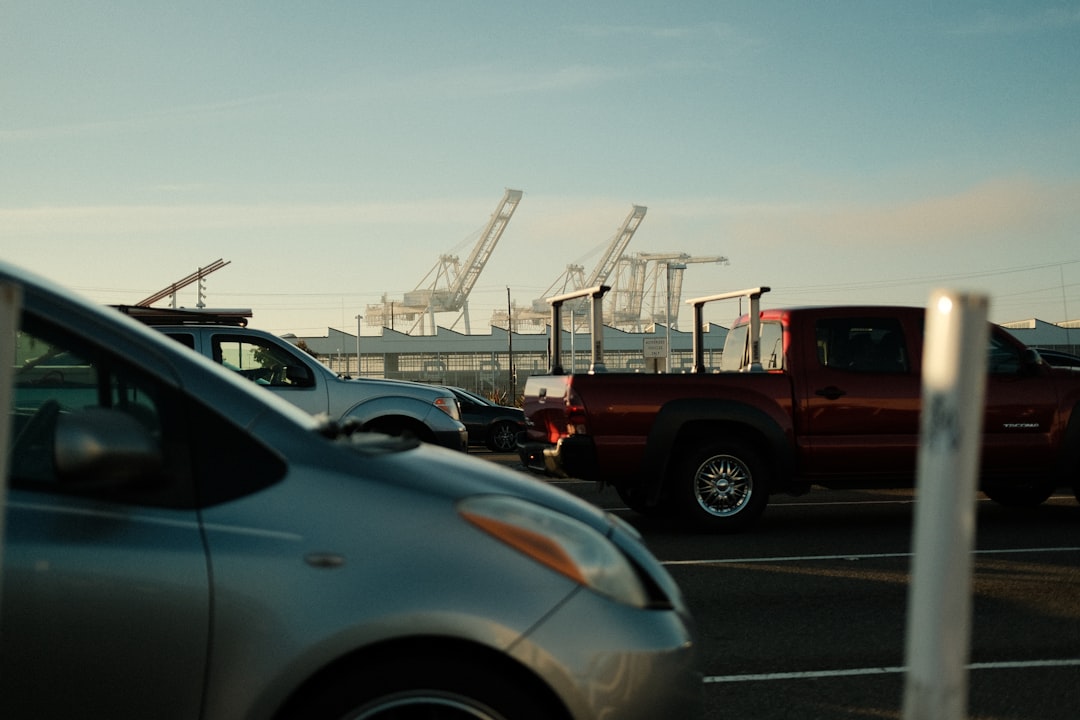
The shipping industry, a colossal and intricate network underpinning global trade, operates largely out of the public eye. Within this complex ecosystem, container logistics stands as a pivotal mechanism, a critical artery through which the lifeblood of commerce flows. To truly comprehend the mechanics of global supply chains, one must delve into the often-opaque world of containerized shipping. This article aims to demystify some of the lesser-known aspects and operational intricacies that define this crucial sector.
The concept of containerization, widely attributed to Malcolm McLean in the mid-20th century, revolutionized maritime transport. Prior to its advent, cargo handling was a laborious and inefficient process, involving break-bulk loading of individual packages, a method analogous to painstakingly assembling a jigsaw puzzle from disparate pieces. Learn more about global trade and its impact on the economy.
The Dawn of the Standardized Unit
McLean’s innovation was not simply a box, but a standardized, intermodal transport unit. This seemingly simple idea had profound implications:
- Interchangeability: The ability to seamlessly transfer cargo between ships, trains, and trucks without re-handling the goods themselves.
- Reduced Damage and Pilferage: Sealed containers offered a greater degree of security and protection against the elements.
- Faster Turnaround Times: Port operations, once agonizingly slow, were dramatically expedited, reducing dwell times for vessels.
The Rise of Mega-Ships
The standardization of containers paved the way for the development of purpose-built container ships, which have steadily grown in size and capacity.
- Economies of Scale: Larger vessels translate to lower per-unit shipping costs, a key driver in globalized manufacturing.
- Technological Advancements: Hull design, engine efficiency, and navigation systems have evolved to support these colossal ships, which can carry upwards of 24,000 TEUs (Twenty-foot Equivalent Units).
- Port Infrastructure Challenges: The growth of mega-ships has necessitated massive investments in port infrastructure, including deeper drafts, larger cranes, and expansive container yards.
In the ever-evolving shipping industry, understanding container logistics is crucial for optimizing supply chain efficiency. A fascinating article that delves into the hidden intricacies of container logistics and reveals industry secrets can be found at this link: Shipping Industry Secrets: Container Logistics. This resource provides valuable insights that can help businesses navigate the complexities of shipping and improve their operational strategies.
The Operational Juggernaut: Port Operations and Terminal Management
Ports are not merely docking stations; they are complex logistical hubs, bustling nerve centers where the land and sea meet. The efficient management of these facilities is paramount to the smooth functioning of container logistics.
The Symphony of Stacking and Shifting
Imagine a colossal, three-dimensional chess game, played out simultaneously by massive machinery and precise algorithms. This is, in essence, the daily reality of a container terminal.
- Quay Cranes (QC): These imposing structures, often called “ship-to-shore cranes,” are the workhorses of the port, lifting containers from vessels and placing them onto automated guided vehicles (AGVs) or internal terminal trucks.
- Yard Cranes (RTG/RMG): Once on shore, containers are systematically stacked in designated yard areas using rubber-tired gantry (RTG) cranes or rail-mounted gantry (RMG) cranes, optimizing space and accessibility.
- Terminal Operating Systems (TOS): Sophisticated software acts as the conductor of this orchestra, managing crane movements, container locations, vessel schedules, and truck appointments, ensuring every piece of cargo finds its place.
The Critical Role of Intermodal Connectivity
A container’s journey does not end at the port gate. Its value is fully realized when it seamlessly transitions into the inland transportation network.
- Rail and Road Networks: Ports are strategically connected to extensive rail and road networks, facilitating the onward movement of containers to distribution centers and final destinations.
- Inland Depots and ICDs: Inland Container Depots (ICDs) or “dry ports” act as crucial deconsolidation points, bringing port services closer to industrial and commercial centers.
- Empty Container Management: A persistent challenge in container logistics is the repositioning of empty containers, a process that can be costly and environmentally impactful if not efficiently managed.
The Digital Backbone: Technology and Data in Container Logistics
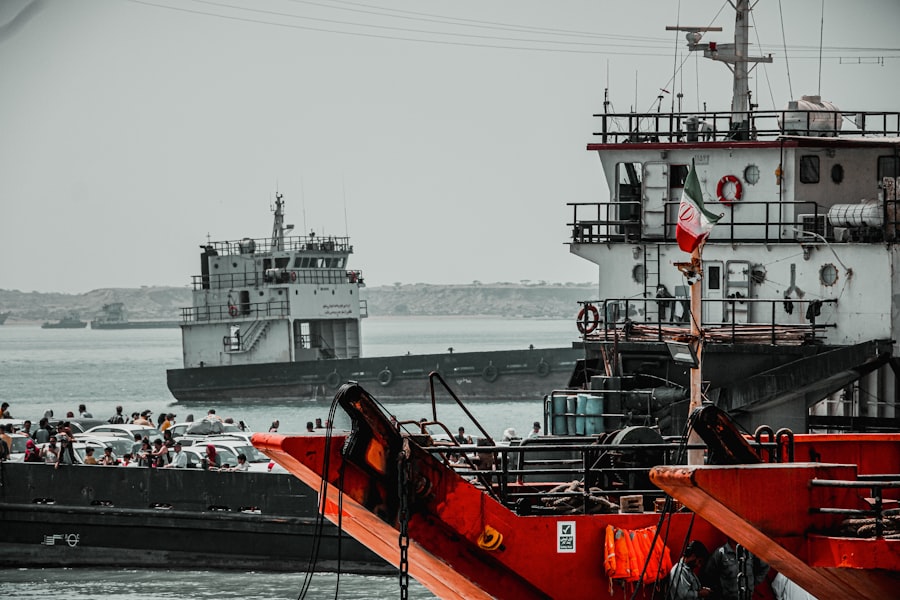
In an industry defined by vast distances and immense volumes, technology and data visualization have become indispensable tools for optimizing efficiency and enhancing visibility.
Tracking and Tracing: The Invisible Thread
For shippers, the ability to track their cargo in real-time is no longer a luxury but an expectation.
- AIS and GPS: Automatic Identification System (AIS) transponders on vessels, coupled with GPS tracking on individual containers or chassis, provide live location data.
- IoT Sensors: Emerging technologies like IoT (Internet of Things) sensors can monitor conditions within containers, such as temperature, humidity, and shock, critical for sensitive cargo.
- Blockchain for Transparency: Blockchain technology is being explored to create immutable and transparent records of container movements, improving trust and reducing administrative overhead.
Predictive Analytics and Route Optimization
The sheer volume of data generated in container logistics offers fertile ground for advanced analytical techniques.
- Demand Forecasting: Analyzing historical data and real-time market trends allows carriers and ports to forecast demand, optimizing vessel deployment and resource allocation.
- Weather Routing: Sophisticated weather routing software helps vessels navigate treacherous seas, avoiding storms, reducing fuel consumption, and ensuring on-time arrivals.
- Congestion Prediction: Machine learning algorithms can predict port congestion, allowing shippers to proactively reroute cargo or adjust schedules, mitigating potential delays.
The Economic Impact and Geopolitical Significance
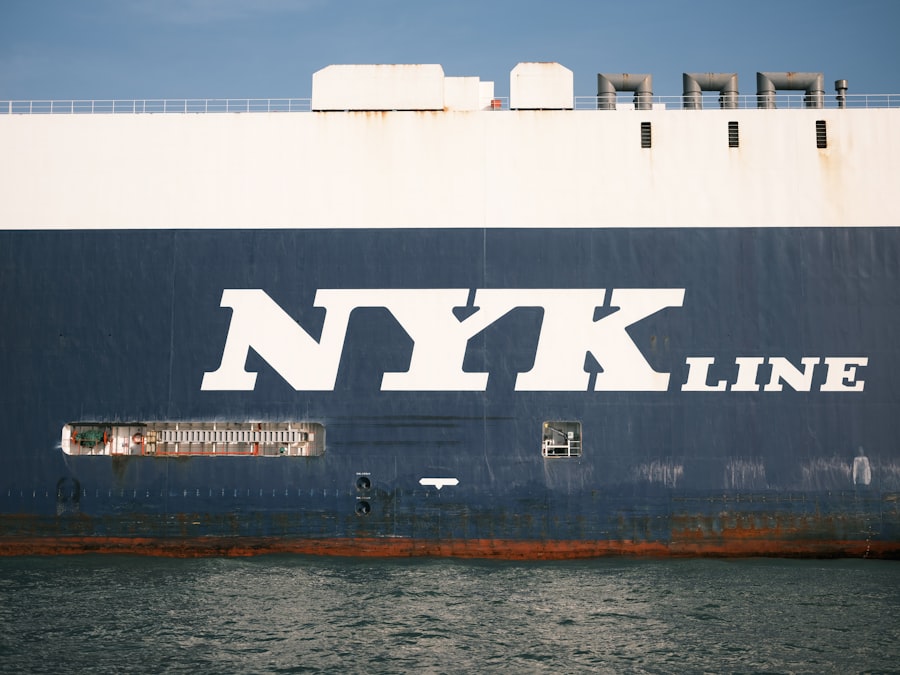
Container logistics is not merely about moving goods; it is a fundamental pillar of the global economy, influencing trade balances, employment, and international relations.
The Globalization Engine
The efficiency and cost-effectiveness of containerized shipping have been instrumental in driving globalization.
- Supply Chain Resilience: The ability to transport goods reliably across continents has enabled companies to source components and manufacture products in geographically dispersed locations.
- Consumer Goods Accessibility: Containerization has brought a vast array of goods from diverse origins to consumers worldwide, contributing to greater product choice and often lower prices.
- Direct and Indirect Employment: The industry directly employs millions in seafaring, port operations, logistics, and manufacturing, and indirectly supports countless more in related sectors.
Chokepoints and Vulnerabilities
Despite its robustness, the global container logistics network is not without its vulnerabilities.
- Strategic Waterways: Critical chokepoints like the Suez Canal and the Panama Canal are indispensable arteries, and any disruption can have cascading global effects.
- Cybersecurity Risks: As the industry becomes increasingly digitized, it faces growing cybersecurity threats, ranging from data breaches to operational disruptions.
- Geopolitical Tensions: Trade wars, political instability, and regional conflicts can significantly disrupt shipping routes and supply chains, highlighting the geopolitical sensitivity of the industry.
In the ever-evolving shipping industry, understanding the intricacies of container logistics is crucial for optimizing supply chain efficiency. A fascinating article that delves into some of the lesser-known secrets of this sector can be found at Real Lore and Order. By exploring various strategies and technologies employed in container management, the piece sheds light on how companies can enhance their operations and reduce costs.
Sustainability and the Future of Container Logistics
| Metric | Description | Industry Average | Best Practice |
|---|---|---|---|
| Container Turnaround Time | Average time taken to unload, service, and reload a container at port | 48 hours | 24 hours or less |
| Container Utilization Rate | Percentage of container space effectively used during shipping | 75% | 90% or higher |
| On-Time Delivery Rate | Percentage of shipments delivered on or before scheduled date | 85% | 95% or higher |
| Empty Container Repositioning Cost | Cost incurred to move empty containers to locations with demand | High | Minimized through predictive logistics |
| Customs Clearance Time | Average time taken for customs processing of containers | 24-72 hours | Less than 24 hours with digital documentation |
| Damage Rate | Percentage of containers or cargo damaged during transit | 2-3% | Less than 1% |
| Fuel Efficiency | Fuel consumption per container per nautical mile | Variable by vessel type | Optimized via slow steaming and route planning |
As global awareness of environmental challenges grows, the shipping industry is under increasing pressure to adopt more sustainable practices.
Decarbonization Efforts
The maritime sector is a significant contributor to global greenhouse gas emissions, prompting concerted efforts towards decarbonization.
- Alternative Fuels: Research and development into alternative fuels, such as LNG (Liquefied Natural Gas), methanol, ammonia, and hydrogen, is accelerating.
- Ship Design and Efficiency: Improvements in hull design, propulsion systems, and operational practices (e.g., slow steaming) are reducing fuel consumption and emissions.
- Shore Power: The use of shore power (cold ironing) allows vessels to plug into a port’s electrical grid while docked, eliminating emissions from auxiliary engines.
Circular Economy and Waste Reduction
Beyond emissions, the industry is also exploring ways to embrace circular economy principles.
- Container Repurposing: Used shipping containers are often repurposed for architectural projects, temporary shelters, or mobile businesses, extending their lifecycle.
- Waste Management: Ports and vessels are implementing improved waste management practices, minimizing the disposal of waste at sea and promoting recycling.
- Digitalization for Optimization: By optimizing routes, minimizing empty container movements, and improving overall efficiency through digitalization, the industry can significantly reduce its environmental footprint.
In conclusion, container logistics is far more than a simple transportation mechanism; it is the unseen scaffolding of modern global trade, an intricate ballet of technology, infrastructure, and human endeavor. Its continued evolution is shaped by relentless pursuit of efficiency, the imperative of sustainability, and the ever-present demands of a dynamic global economy. For those seeking to grasp the true engine of global commerce, understanding these operational secrets is not merely informative, but essential.
WATCH THIS! 🌍 GLOBAL TRADE IS A LIE: How Three Chokepoints Control Your Calendar
FAQs
What is container logistics in the shipping industry?
Container logistics refers to the management and coordination of containerized cargo throughout the supply chain, including transportation, storage, handling, and tracking of shipping containers.
Why are shipping industry secrets important?
Shipping industry secrets often involve best practices, cost-saving strategies, and operational efficiencies that companies use to gain competitive advantages in container logistics and global trade.
How do shipping companies track containers?
Shipping companies use technologies such as GPS, RFID, and electronic data interchange (EDI) systems to monitor container locations, status, and condition in real-time.
What role do ports play in container logistics?
Ports serve as critical hubs where containers are loaded, unloaded, stored, and transferred between different modes of transport, making them essential for efficient container logistics.
What challenges affect container logistics?
Common challenges include port congestion, customs delays, container shortages, fluctuating fuel costs, and disruptions caused by weather or geopolitical events.
How do shipping companies optimize container usage?
They optimize container usage by improving packing efficiency, using advanced software for route planning, consolidating shipments, and employing intermodal transport solutions.
What is the impact of technology on container logistics?
Technology enhances container logistics by improving tracking accuracy, automating documentation, enabling predictive analytics, and facilitating better communication among stakeholders.
How do environmental concerns influence the shipping industry?
Environmental regulations and sustainability goals drive the shipping industry to adopt cleaner fuels, improve vessel efficiency, and implement greener logistics practices to reduce carbon emissions.
What are common types of shipping containers?
Common types include standard dry containers, refrigerated containers (reefers), open-top containers, flat racks, and tank containers, each designed for specific cargo needs.
How does customs clearance affect container logistics?
Customs clearance is a critical step that can impact delivery times; efficient processing requires accurate documentation and compliance with import/export regulations to avoid delays.