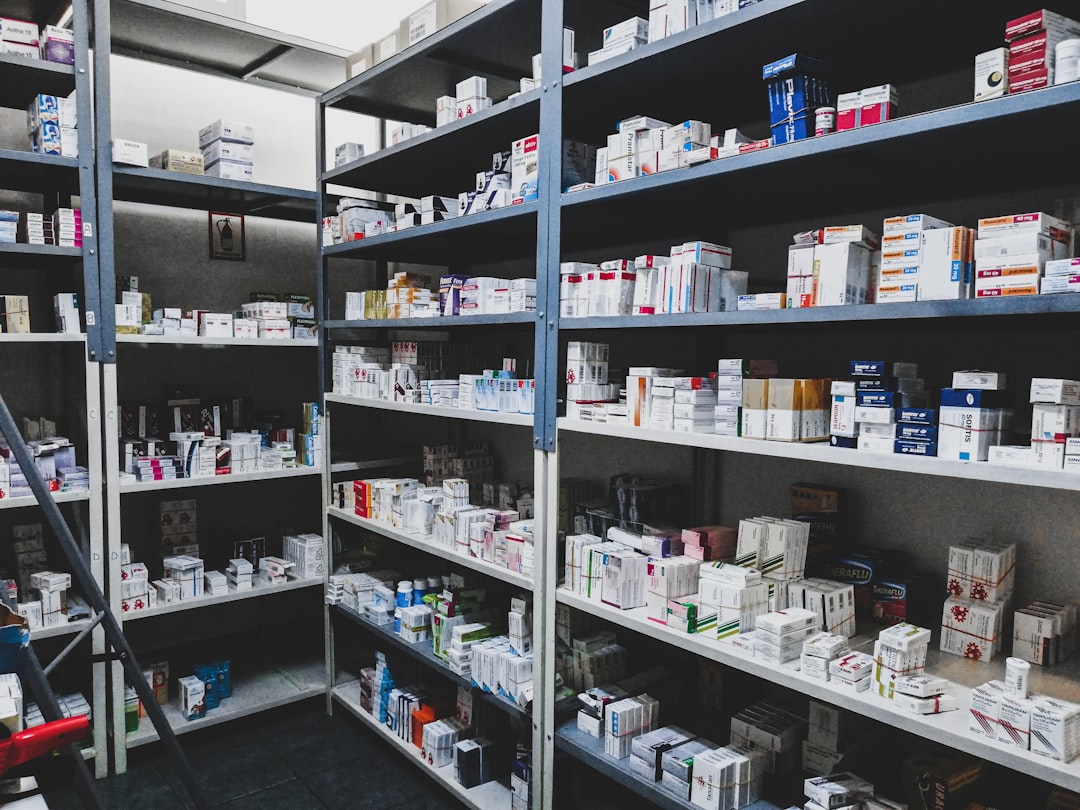
The intricate network that ensures the safe and effective delivery of temperature-sensitive pharmaceutical products, known as the cold chain, faces a multifaceted array of challenges in its distribution. From the moment of manufacture to the point of patient administration, maintaining precise temperature ranges is paramount. Failure to do so can compromise drug efficacy, lead to significant financial losses, and, most critically, endanger patient health. This article explores the primary hurdles encountered in this specialized field, examining the systemic complexities, technological demands, and human factors that contribute to the ongoing struggle for flawless cold chain integrity.
The journey of a temperature-sensitive pharmaceutical product often spans continents and involves multiple stakeholders. This extended and often fragmented global supply chain presents inherent difficulties in maintaining consistent cold chain conditions. Learn more about global trade and its impact on the economy.
Diverse Geographic and Climatic Conditions
Consider, if you will, the delicate dance of a vaccine traversing from a sterile manufacturing facility in Western Europe to a remote clinic in a tropical region. The vast differences in ambient temperatures, humidity levels, and infrastructure capabilities across diverse geographies pose significant obstacles.
Extreme Temperature Fluctuations
Products may encounter scorching deserts, frigid arctic air, or humid equatorial climates throughout their journey. Maintaining a stable temperature environment amidst such variability requires robust insulation, active cooling or heating mechanisms, and meticulous planning. A deviation of even a few degrees outside the specified range can render a product inert or even harmful.
Infrastructure Disparities
The quality and availability of cold chain infrastructure vary widely from developed to developing nations. In some regions, reliable refrigeration, consistent power supply, and an established network of temperature-controlled warehousing are scarce commodities. This disparity creates “cold spots” – areas where maintaining temperature integrity becomes exceptionally challenging, akin to navigating a desert without a map or compass.
Multi-Modal Transportation Conundrums
Pharmaceutical products rarely endure their entire journey via a single mode of transport. Air freight, sea freight, road transport, and even rail may all play a role, each presenting its own set of cold chain vulnerabilities.
Airport Dwell Times and Tarmac Exposure
Airports, while crucial for speed, are often points of significant risk. Delays in customs clearance, tarmac exposure during loading and unloading, and insufficient temperature-controlled holding areas can severely compromise product integrity. These periods often represent the most vulnerable “pinch points” in air cargo operations.
Sea Freight: Long Transit Times and Container Maintenance
While more cost-effective for large volumes, sea freight entails considerably longer transit times. Maintaining consistent temperatures within refrigerated containers (reefers) over weeks or even months at sea requires diligent monitoring and robust reefer maintenance. Issues such as power outages or equipment malfunctions in remote ocean environments can have catastrophic consequences.
Road Transport: Last-Mile Delivery Challenges
The “last mile” of delivery, often undertaken by road, presents its own unique set of problems. Smaller vehicles, frequent stops, and varying local delivery conditions increase the risk of temperature excursions. Specialized vehicles equipped with real-time temperature monitoring and intelligent routing systems are crucial to mitigate these risks.
Cold chain pharmaceutical distribution is crucial for maintaining the efficacy of temperature-sensitive medications, and any delays in this process can have significant repercussions on patient health. A related article that delves deeper into the challenges and solutions surrounding these delays can be found at this link. It discusses the impact of supply chain disruptions and offers insights into best practices for ensuring the integrity of pharmaceutical products during transportation.
The Technological Tightrope: Ensuring Unbroken Data and Control
The cold chain’s integrity hinges on the seamless integration of advanced technologies. From sophisticated refrigeration systems to real-time monitoring platforms, gaps in technological prowess can lead to significant vulnerabilities.
Advanced Temperature Monitoring and Logging
The ability to continuously track and record temperatures throughout the entire cold chain is fundamental. This is not merely about knowing if a product went out of range, but understanding the precise duration and magnitude of the excursion, allowing for informed decision-making regarding product viability.
Real-time Data Transmission and Alert Systems
Modern cold chain solutions increasingly incorporate real-time data transmission capabilities. This allows immediate alerts to be sent to relevant personnel if temperature deviations occur, enabling prompt intervention. Imagine a digital guardian, constantly vigilant, sending an urgent message the moment a critical threshold is crossed.
Data Integrity and Cybersecurity
The vast quantities of temperature data generated across the cold chain require secure storage and robust cybersecurity measures. Ensuring the integrity of this data, protecting against tampering, and maintaining compliance with regulatory requirements are paramount to instilling confidence in the cold chain’s reliability.
Specialized Packaging and Refrigeration Technologies
The evolution of packaging materials and refrigeration units plays a critical role in bolstering cold chain resilience. These technologies act as the primary defense against external temperature fluctuations.
Active vs. Passive Packaging Solutions
Different pharmaceutical products require varying levels of temperature control. Active packaging solutions, such as powered thermal containers, offer precise temperature maintenance over prolonged periods. Passive solutions, utilizing phase change materials (PCMs) and advanced insulation, provide reliable temperature control for shorter durations or where active power is unavailable. Choosing the appropriate solution is akin to selecting the right armor for a specific battle.
IoT-Enabled Refrigeration Units
The Internet of Things (IoT) is revolutionizing cold chain management. IoT-enabled refrigeration units can communicate their status, predict potential failures, and even self-diagnose issues, contributing to proactive maintenance and enhanced reliability. These intelligent units represent a paradigm shift from reactive problem-solving to preventative measures.
The Regulatory Razor’s Edge: Compliance and Standardization

The pharmaceutical industry operates within a highly regulated environment, and the cold chain is no exception. Adhering to a constantly evolving landscape of global and national regulations is a continuous challenge.
GxP Guidelines and National Regulations
Good Manufacturing Practices (GMP), Good Distribution Practices (GDP), and Good Storage Practices (GSP) form the bedrock of quality assurance in the pharmaceutical supply chain. Companies must demonstrate strict adherence to these guidelines, often through rigorous audits and documentation.
Harmonization Efforts and Divergent Standards
While global efforts aim to harmonize cold chain regulations, national and regional variations persist. This divergence complicates international distribution, requiring companies to navigate a complex web of requirements, sometimes akin to speaking multiple legal languages simultaneously.
Documentation and Audit Trails
Meticulous documentation is a cornerstone of cold chain compliance. Every step of a product’s journey, every temperature reading, and every deviation must be meticulously recorded. This creates a comprehensive audit trail, essential for demonstrating compliance and investigating any potential issues.
Qualification and Validation Processes
Before any equipment or process is used in the cold chain, it must undergo rigorous qualification and validation. This ensures that it consistently performs according to its intended purpose and specified parameters.
Equipment Qualification (IQ, OQ, PQ)
Installation Qualification (IQ), Operational Qualification (OQ), and Performance Qualification (PQ) are systematic processes to ensure that equipment is installed correctly, operates according to specifications, and performs consistently under real-world conditions. These steps are non-negotiable for maintaining cold chain integrity.
Lane and Route Qualification
Beyond individual equipment, entire distribution lanes and routes must be qualified. This involves mapping temperature profiles, identifying potential risks, and validating the efficacy of the chosen packaging and transport methods for specific journeys. It’s about stress-testing the entire system before critical products embark on their voyage.
The Human Element: Training, Awareness, and Responsibility
Despite technological advancements, the human element remains a critical factor in cold chain success or failure. Errors due to inadequate training, lack of awareness, or negligence can undermine even the most sophisticated systems.
Inadequate Training and Competency
Personnel involved at every stage of the cold chain, from manufacturing to last-mile delivery, must possess the necessary knowledge and skills. A chain is only as strong as its weakest link, and a poorly trained individual can inadvertently break the cold chain.
Handling Procedures and Protocols
Proper handling procedures for temperature-sensitive products are non-negotiable. This includes correct loading and unloading techniques, appropriate use of storage facilities, and understanding emergency protocols for temperature excursions. Standard operating procedures (SOPs) are the rulebook, but understanding and adherence are key.
Awareness of Product Sensitivity and Impact
Every individual interacting with cold chain products must grasp the critical importance of their role and the potential consequences of temperature deviations. They must understand that these are not merely boxes to be moved, but life-saving medicines whose efficacy hinges on their careful stewardship.
Human Error and Non-Compliance
Even with adequate training, human error can occur. Fatigue, complacency, or a momentary lapse in judgment can have significant ramifications for cold chain integrity.
Deviation Management and Root Cause Analysis
When a temperature deviation occurs, immediate and thorough investigation is crucial. This involves not only identifying the deviation but also conducting a robust root cause analysis to prevent recurrence. It’s about learning from mistakes and fortifying the system against future vulnerabilities.
Culture of Quality and Accountability
Cultivating a strong culture of quality and accountability throughout the organization is paramount. Every employee must feel empowered to identify and report potential issues, understanding their direct contribution to patient safety. This fosters an environment where cold chain integrity is a shared responsibility, not just a departmental task.
Cold chain pharmaceutical distribution delays can significantly impact the availability of essential medications, leading to potential health crises. A recent article highlights the challenges faced by the industry, including temperature fluctuations and logistical inefficiencies. These issues not only affect the quality of the drugs but can also result in increased costs for healthcare providers. For a deeper understanding of the complexities involved in maintaining the integrity of pharmaceutical products during transport, you can read more in this insightful piece on cold chain management.
The Economic Equation: Cost, Investment, and Sustainability
| Metric | Description | Typical Range | Impact on Distribution |
|---|---|---|---|
| Average Delay Time | Time by which shipments are delayed beyond scheduled delivery | 2-48 hours | Increases risk of temperature excursions and product spoilage |
| Temperature Excursion Incidents | Number of times temperature deviates from required range during transit | 5-15% of shipments | Compromises drug efficacy and safety |
| Shipment Rejection Rate | Percentage of shipments rejected due to delays or temperature breaches | 1-5% | Leads to increased costs and supply shortages |
| Average Transit Time | Time taken from dispatch to delivery under normal conditions | 12-72 hours | Baseline for measuring delays |
| Percentage of Delayed Shipments | Proportion of total shipments experiencing delays | 10-25% | Indicates reliability of cold chain logistics |
| Cost Impact Due to Delays | Additional operational costs incurred from delays | Varies by shipment size and delay duration | Increases overall distribution expenses |
The implementation and maintenance of a robust cold chain are inherently expensive. Balancing the imperative of product integrity with economic realities presents a constant challenge for pharmaceutical companies and their logistics partners.
High Operational Costs
The specialized nature of cold chain logistics naturally incurs higher operational costs compared to standard freight. Refrigerated vehicles, controlled warehouses, advanced monitoring systems, and trained personnel all contribute to this increased expense.
Energy Consumption and Environmental Impact
Maintaining constant low temperatures requires significant energy consumption, leading to higher electricity bills and a larger carbon footprint. Companies are increasingly seeking sustainable cold chain solutions, balancing environmental responsibility with product protection. This often involves investing in energy-efficient technologies and optimizing logistics routes to reduce fuel consumption.
Specialized Equipment and Infrastructure Investment
The initial capital investment in cold chain infrastructure and specialized equipment is substantial. From purpose-built warehouses to fleets of refrigerated vehicles and advanced sensors, these investments represent a significant financial commitment. This can be a barrier for smaller companies or those expanding into new, underserved markets.
The Cost of Failure: Financial and Reputational
The potential financial and reputational costs associated with cold chain failure far outweigh the investment in preventative measures. A single compromised batch can lead to devastating consequences.
Product Loss and Waste
If a batch of temperature-sensitive product experiences a significant temperature excursion, it may be rendered unusable, leading to direct financial loss from wasted product. This waste is not merely monetary; it represents a lost opportunity to help patients.
Product Recalls and Regulatory Penalties
Temperature excursions can trigger costly product recalls, involving significant logistical challenges and further financial outlay. Additionally, regulatory bodies can impose hefty fines and penalties for non-compliance, severely impacting a company’s bottom line and its license to operate.
Erosion of Public Trust and Brand Damage
Beyond financial implications, cold chain failures can severely damage a pharmaceutical company’s reputation. Public trust is a fragile commodity, and any perceived compromise in product quality or safety can have long-lasting and detrimental effects on brand image and market share. The integrity of the cold chain is, in essence, a promise to the patient; a broken promise carries a heavy cost.
In conclusion, the challenges inherent in cold chain pharmaceutical distribution are pervasive and complex, encompassing global logistics, technological demands, regulatory compliance, human factors, and economic considerations. Addressing these multifaceted hurdles requires a holistic approach, continuous investment in infrastructure and technology, robust training programs, and a steadfast commitment to quality throughout the entire supply chain. Only through such dedicated efforts can the pharmaceutical industry ensure that life-saving and life-enhancing medications reach patients safely and effectively, maintaining their efficacy and upholding the critical promise of patient well-being.
WATCH THIS! 🌍 GLOBAL TRADE IS A LIE: How Three Chokepoints Control Your Calendar
FAQs
What is cold chain pharmaceutical distribution?
Cold chain pharmaceutical distribution refers to the process of storing and transporting temperature-sensitive pharmaceutical products within a controlled temperature range to maintain their efficacy and safety.
Why are delays common in cold chain pharmaceutical distribution?
Delays can occur due to factors such as equipment failure, transportation issues, customs clearance, regulatory compliance, and unexpected environmental conditions affecting temperature control.
How do delays impact pharmaceutical products in the cold chain?
Delays can compromise the temperature integrity of products, potentially reducing their effectiveness, causing spoilage, or leading to regulatory non-compliance and financial losses.
What measures are taken to prevent delays in cold chain distribution?
Measures include using advanced temperature monitoring systems, reliable packaging, contingency planning, real-time tracking, and working with experienced logistics providers.
What role does temperature monitoring play in cold chain distribution?
Temperature monitoring ensures that products remain within the required temperature range throughout transit, allowing for immediate corrective actions if deviations occur.
Are there regulatory requirements for cold chain pharmaceutical distribution?
Yes, regulatory agencies such as the FDA and EMA have strict guidelines and standards to ensure the quality and safety of temperature-sensitive pharmaceuticals during distribution.
How can technology help reduce delays in cold chain pharmaceutical distribution?
Technologies like IoT sensors, GPS tracking, automated alerts, and data analytics improve visibility, enable proactive management, and reduce the risk of delays.
What are common challenges faced in cold chain pharmaceutical distribution?
Challenges include maintaining consistent temperature control, managing complex logistics, handling customs and regulatory requirements, and responding to unexpected disruptions.
Can delays in cold chain distribution affect patient safety?
Yes, compromised pharmaceutical products due to delays can lead to reduced efficacy or harmful effects, potentially impacting patient safety.
What steps should be taken if a delay occurs during cold chain distribution?
Immediate temperature assessment, product quarantine if necessary, notification of stakeholders, and corrective actions to restore proper conditions are essential steps.