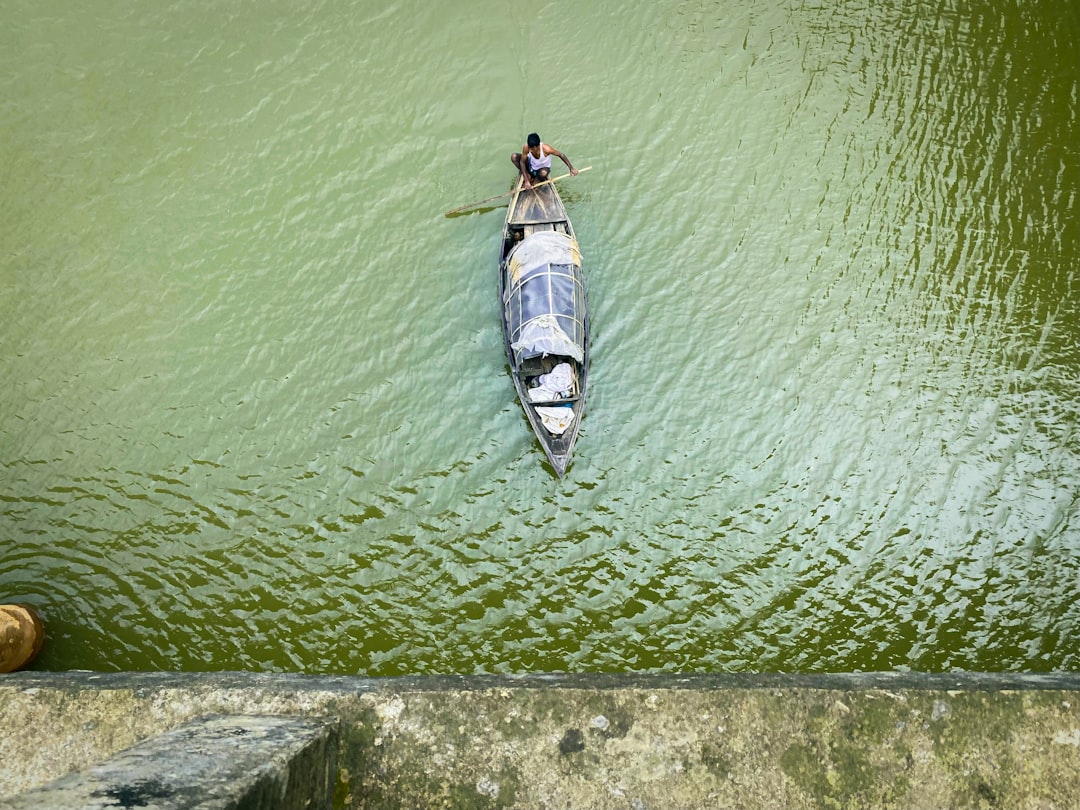
The Panama Canal, a monumental engineering feat connecting the Atlantic and Pacific Oceans, is grappling with an unprecedented crisis: a severe drought that has necessitated significant water rationing. This strategic waterway, vital for global trade, relies entirely on a freshwater system, primarily fed by rainfall, to operate its intricate lock mechanisms. The current hydrological deficit, exacerbated by climate change and the El Niño phenomenon, poses a substantial threat to the Canal’s operational efficiency and, by extension, to international shipping and global supply chains.
The Panama Canal’s operation hinges on an ingenious, yet fundamentally water-intensive, lock system. Each transit requires an immense volume of freshwater to lift vessels from sea level to the elevated Gatun Lake and then lower them back down. Understanding this critical reliance on local hydrology is paramount to grasping the severity of the current situation. Learn more about global trade and its impact on the economy.
Gatun Lake: The Canal’s Reservoir
Gatun Lake, an artificial body of water created during the Canal’s construction, serves as the primary reservoir for the lock operations. This vast lake not only provides the water for transit but also supplies drinking water for Panama City and Colón. Its water levels are directly dependent on rainfall, making it highly susceptible to droughts. During normal operations, millions of gallons of freshwater are released into the sea with each transit, a necessary cost for enabling global commerce.
The Lock System Explained
The lock system functions like a series of water elevators. Ships enter a lock chamber, and water is either pumped in or released to raise or lower the vessel to the next level. This process is repeated across three sets of locks on both the Atlantic (Gatun Locks) and Pacific (Miraflores and Pedro Miguel Locks) sides. The sheer scale of water required for each transit – approximately 52 million gallons per ship – underscores the vulnerability of the system to water scarcity.
The ongoing drought affecting the Panama Canal has raised significant concerns regarding water levels and the subsequent rationing of vessel traffic. As the canal relies heavily on freshwater from surrounding lakes, the diminishing water supply poses a threat to global shipping routes. For a deeper understanding of the implications of this situation, you can read a related article that discusses the challenges faced by the canal and the measures being implemented to address the crisis. For more information, visit this article.
Unprecedented Drought: A Confluence of Factors
The current water crisis is not an isolated incident but rather the culmination of prolonged dry spells, shifting weather patterns, and the undeniable influence of climate change. The year 2023, in particular, witnessed historic low rainfall, pushing the Canal Authority to implement drastic measures.
El Niño’s Potent Influence
The cyclical El Niño phenomenon, characterized by the warming of ocean surface temperatures in the central and eastern tropical Pacific Ocean, significantly alters global weather patterns. In Panama, El Niño typically leads to reduced rainfall, intensifying drought conditions. The 2023-2024 El Niño event has been particularly strong, exacerbating the hydrological stress on the Canal’s watershed. This natural climatic variation, when coupled with broader climate trends, creates a formidable challenge.
Broadening Climate Change Impacts
Beyond El Niño, scientists point to long-term climate change as a key driver of increased weather variability. Panama is experiencing more frequent and intense dry seasons, alongside more erratic and concentrated periods of rainfall. This manifests as less overall accumulated precipitation during the wet season, which is crucial for replenishing Gatun Lake. The changing climate is, therefore, altering the very precipitation patterns that have sustained the Canal for over a century.
Historical Precedents and Growing Severity
While droughts have affected the Canal before, the current event is distinguished by its intensity and duration. Past droughts, while disruptive, rarely necessitated such stringent and prolonged rationing measures. This suggests a progressive worsening of the hydrological situation, demanding more proactive and adaptive strategies from the Canal Authority.
Water Rationing: Navigating the Bottleneck
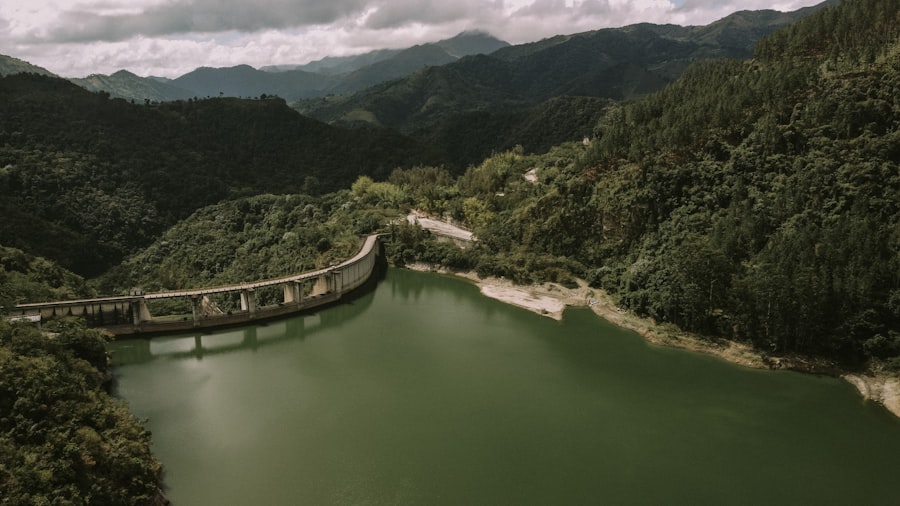
In response to critically low water levels, the Panama Canal Authority (ACP) has implemented a series of progressively more restrictive measures. These measures aim to conserve water while attempting to maintain a semblance of operational efficiency, albeit at a reduced capacity. The impact on shipping has been significant, akin to a vital artery experiencing a narrowing.
Restricting Daily Transits
The primary and most impactful rationing measure has been the reduction in the number of daily ship transits. Initially, the ACP lowered the average number of daily slots available for booking, eventually reaching a low of 24 ships per day, a significant decrease from the usual 36-38 transits. This reduction directly translates to longer waiting times for vessels and fewer cargo movements through the Canal.
Draft Restrictions for Larger Vessels
In addition to transit reductions, the ACP has also imposed draft restrictions. Draft refers to the vertical distance between the waterline and the bottom of the hull. Lower water levels in Gatun Lake necessitate shallower drafts to prevent ships from running aground. This forces larger vessels, particularly Neo-Panamax ships, to lighten their loads, either by offloading cargo onto smaller feeder vessels or by taking alternative, longer routes. For a major container ship, reducing its draft can mean leaving thousands of containers behind, impacting profitability and supply chain reliability.
Booking System and Auction Slots
To manage the limited transit slots, the ACP employs a booking system. Vessels can reserve slots in advance, with a premium often paid for prime times. In times of severe restrictions, the competition for these slots intensifies, driving up prices. The ACP also offers auction slots, allowing shipping companies to bid for a limited number of additional transit opportunities. During the current crisis, these auction prices have soared into the millions of dollars, reflecting the desperate need for passage and highlighting the economic cost of the drought.
Global Repercussions: The Ripple Effect
The Panama Canal’s reduced capacity sends ripples across global supply chains. As a critical chokepoint for international trade, its operational disruptions have far-reaching economic consequences, affecting everything from consumer goods to energy markets.
Increased Shipping Costs and Delays
The most immediate impact is on shipping costs and transit times. With fewer vessels able to pass and longer waiting periods, shipping companies face increased fuel consumption, demurrage charges (fees for delayed ships), and higher insurance premiums. These additional costs are inevitably passed on to consumers, contributing to inflationary pressures. For goods with tight delivery windows, such as seasonal merchandise or perishable items, these delays can be particularly damaging. Imagine a stream of commerce, previously flowing freely, now encountering bottlenecks, slowing its pace and increasing the friction of movement.
Supply Chain Disruptions
Many industries rely on the timely and predictable flow of goods through the Panama Canal. Reduced capacity can lead to disruptions in manufacturing schedules, shortages of raw materials, and delays in product distribution. For instance, the US East Coast relies heavily on the Canal for imports from Asia. Delays in receiving components or finished goods can force companies to seek alternative, often more expensive, sourcing or transportation methods. This can be likened to a well-oiled machine suddenly finding a crucial gear missing, causing the entire apparatus to falter.
Alternative Routes and Environmental Concerns
As a workaround, some shipping companies are opting for longer routes, such as circumnavigating Africa via the Cape of Good Hope or utilizing the Suez Canal. While these routes bypass the Panama Canal’s bottlenecks, they add significant sailing time, increase fuel consumption, and thereby elevate carbon emissions. This presents a dilemma: economic efficiency versus environmental responsibility, further complicating the already complex calculus of global trade.
The recent drought affecting the Panama Canal has raised concerns about water levels and the subsequent rationing of vessel traffic, which could have significant implications for global trade. For a deeper understanding of the challenges faced by this crucial waterway, you can read more in a related article that explores the impact of climate change on the canal’s operations. This situation highlights the urgent need for sustainable water management practices. To learn more about these issues, visit this article.
Future Solutions: A Quest for Resilience
| Metric | Value | Unit | Notes |
|---|---|---|---|
| Water Level at Gatun Lake | 25.5 | meters above sea level | Below normal operating level of 26.7 meters |
| Average Daily Rainfall | 3.2 | mm/day | Significantly lower than historical average of 7 mm/day |
| Lockage Rationing | 1 | lockage per vessel per day | Reduced from 2 to 1 to conserve water |
| Water Consumption per Lockage | 52 | million liters | Amount of water used per lockage cycle |
| Duration of Drought | 6 | months | Period of below-average rainfall affecting water levels |
| Impact on Vessel Transit Time | +12 | hours | Additional transit time due to rationing and slower lock operations |
The current crisis has underscored the urgent need for the Panama Canal to enhance its water management strategies and invest in infrastructure that safeguards its future against the escalating impacts of climate change. The long-term viability of the Canal hinges on proactive and innovative solutions.
Water Conservation Measures
The ACP has explored and implemented various internal conservation measures. These include optimizing lock operations to minimize water waste, using water-saving technologies where possible, and improving the efficiency of its existing infrastructure. For example, some locks are being upgraded to allow for more efficient water transfer and reuse. These are akin to closing small leaks in a plumbing system, though the system itself requires a larger overhaul.
New Reservoir Projects
The most significant proposed long-term solution involves the construction of new reservoirs or the expansion of existing ones within the Canal’s watershed. The idea is to capture and store more rainwater during the wet season to compensate for reduced precipitation during dry periods. However, such projects are complex, require extensive environmental impact assessments, and can face local community opposition due to land acquisition and ecological concerns. They represent a monumental undertaking, akin to building another Gatun Lake, but within a much more densely populated and environmentally sensitive landscape.
Desalination and Water Diversion
While desalination plants exist globally as a solution for freshwater scarcity, their application to the Panama Canal presents significant challenges. The immense volume of water required for lock operations makes desalination economically unfeasible on the necessary scale due to the high energy costs involved. Similarly, large-scale water diversion projects from other river basins would involve considerable engineering challenges, environmental impacts, and potential interstate or international disputes over water rights. While theoretically possible, these solutions are currently considered less viable than reservoir expansion.
Adapting to a Changing Climate
Ultimately, the Panama Canal must adapt to a new climate reality. This involves investing in advanced hydrological forecasting systems to predict precipitation patterns more accurately, developing robust drought contingency plans, and continuously assessing the vulnerability of its infrastructure to extreme weather events. The Canal’s long-term resilience will depend on its ability to evolve alongside the changing climate, ensuring it can continue to serve as a cornerstone of global trade for centuries to come.
WATCH THIS! 🌍 GLOBAL TRADE IS A LIE: How Three Chokepoints Control Your Calendar
FAQs
What is causing the drought affecting the Panama Canal?
The drought impacting the Panama Canal is primarily due to reduced rainfall in the region, which has led to lower water levels in the canal’s reservoirs. Climate change and changing weather patterns have contributed to these prolonged dry conditions.
How does the drought affect water levels in the Panama Canal?
The drought causes a significant drop in the water levels of Gatun Lake and other reservoirs that supply the canal. Since the canal relies on freshwater to operate its lock system, lower water levels limit the amount of water available for ship transit.
What is water rationing in the context of the Panama Canal?
Water rationing refers to the measures taken to conserve and manage the limited freshwater resources in the canal’s reservoirs. This can include restricting the number of ships passing through, limiting the size or cargo of vessels, or adjusting lock operations to use less water.
Why is water rationing necessary for the Panama Canal?
Water rationing is necessary to ensure the canal remains operational during periods of drought. Without rationing, the water levels could fall too low to safely operate the locks, potentially leading to partial or full closure of the canal.
How does the Panama Canal Authority manage water during droughts?
The Panama Canal Authority implements water conservation strategies such as scheduling ship transits to optimize water use, using water-saving lock technologies, and sometimes imposing transit restrictions. They also monitor weather and water levels closely to adjust operations as needed.
What impact does drought and water rationing have on global shipping?
Drought and water rationing can lead to delays, increased transit times, and higher shipping costs. Restrictions on vessel size or cargo loads may reduce the canal’s capacity, forcing some ships to take longer alternative routes, such as around Cape Horn.
Are there long-term solutions to address drought impacts on the Panama Canal?
Long-term solutions include investing in water-saving technologies, expanding reservoir capacity, improving watershed management, and exploring alternative water sources. Additionally, global efforts to mitigate climate change aim to reduce the frequency and severity of droughts.
Has the Panama Canal experienced drought-related issues before?
Yes, the Panama Canal has faced drought-related challenges in the past, notably during severe dry seasons that have forced operational adjustments. However, recent droughts have been more intense, highlighting the need for enhanced water management strategies.
Can the Panama Canal operate without freshwater?
No, the Panama Canal’s lock system depends on freshwater to raise and lower ships between sea level and the canal’s lakes. Saltwater cannot be used because it would damage the canal’s infrastructure and surrounding ecosystems.
How can global shipping companies prepare for drought-related disruptions at the Panama Canal?
Shipping companies can plan for potential delays by adjusting schedules, considering alternative routes, and staying informed about canal conditions. Diversifying shipping routes and increasing cargo flexibility can also help mitigate the impact of water rationing.