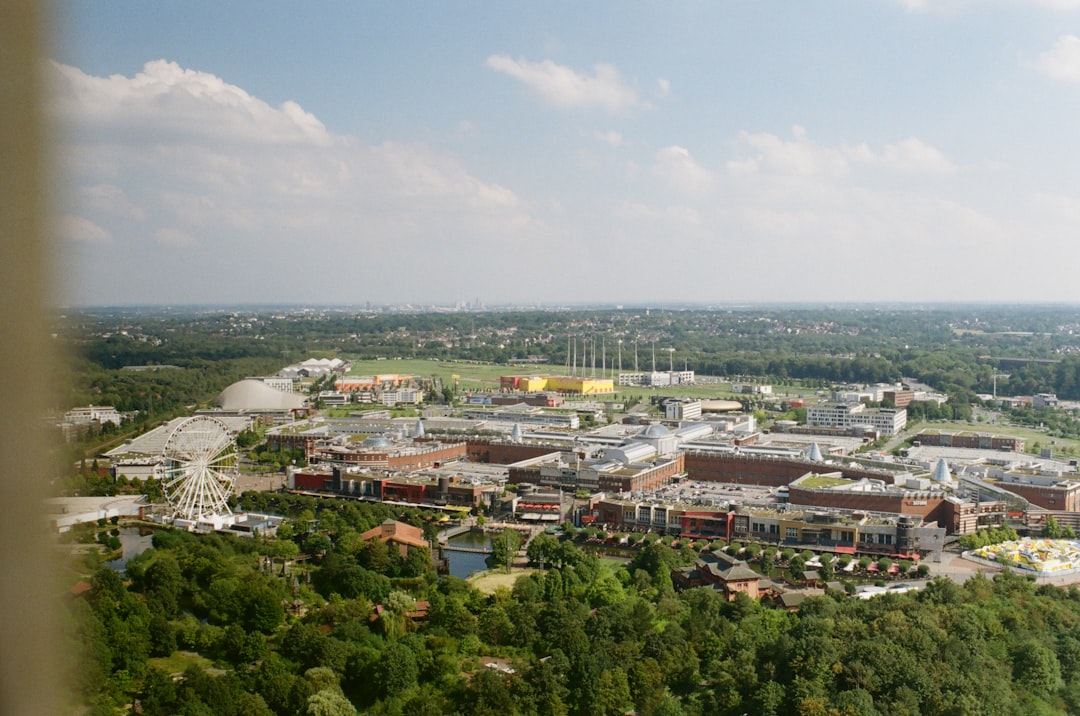
Germany, a long-standing industrial powerhouse, is currently grappling with a concerning phenomenon: a growing number of its manufacturing companies are contemplating, or actively pursuing, relocation outside their traditional domestic base. This trend, often referred to as an “exodus,” presents a significant challenge to the nation’s economic stability and its global competitive standing. The departure of these enterprises, ranging from small and medium-sized businesses (SMEs) to large multinational corporations, is not a monolithic event but rather a complex interplay of various economic, regulatory, and geopolitical factors that have coalesced to create an increasingly difficult operating environment within Germany.
One of the most profound and frequently cited reasons for the potential exodus of German factories is the escalating cost of energy. Germany’s ambitious energy transition, known as the “Energiewende,” while lauded for its environmental goals, has inadvertently created a formidable hurdle for its industrial sector. The recent report highlights the impact of [Germany factory closures] on the European economy.
High Electricity Prices
German businesses, particularly energy-intensive manufacturers, face some of the highest electricity prices in Europe, if not globally. This stems from a combination of factors, including:
- Renewable Energy Surcharges: The financing of renewable energy infrastructure and subsidies for producers has historically been passed on to consumers through surcharges, significantly inflating electricity bills. Although some mechanisms have been adapted, the underlying cost remains substantial.
- Grid Stability Costs: The integration of intermittent renewable sources like wind and solar power necessitates significant investment in grid stabilization and backup capacity, adding further costs to the energy system.
- Phase-Out of Nuclear and Coal: The accelerated closure of nuclear power plants and the planned exit from coal-fired generation have reduced baseload power availability, potentially increasing reliance on more volatile and expensive sources, particularly during peak demand.
Volatility in Gas Prices
The energy landscape was further complicated by Russia’s invasion of Ukraine, which triggered an unprecedented surge in natural gas prices. Germany, heavily reliant on Russian gas for both industrial processes and heating, found itself particularly vulnerable. Even with diversification efforts and new LNG terminals, the fundamental cost structure has shifted dramatically.
- Impact on Production: For sectors like chemicals, steel, and fertilizers, natural gas is not just an energy source but also a crucial feedstock. Its elevated price directly impacts production costs and competitiveness.
- Long-Term Contract Uncertainties: Many companies previously relied on long-term, relatively stable contracts for natural gas. The current geopolitical climate introduces a new layer of uncertainty and risk in securing future supplies at predictable prices.
As factories continue to leave Germany in search of more favorable economic conditions, the implications for the country’s manufacturing sector are becoming increasingly significant. A related article discusses the various factors driving this trend, including rising labor costs and stricter regulations that have prompted companies to relocate their operations to countries with lower overheads. For more insights on this topic, you can read the article here: Factories Leaving Germany: An Economic Analysis.
Regulatory Burdens and Bureaucracy
German companies often express frustration over the sheer volume and complexity of regulations governing their operations. While a robust regulatory framework is often seen as a hallmark of quality and protection, an excessive or inefficient system can become a critical impediment to growth and agility.
Environmental Regulations
Germany prides itself on its high environmental standards. However, the implementation of these standards can be particularly arduous for businesses.
- Permitting Processes: Obtaining permits for new facilities, expansions, or even modifications can be a lengthy, multi-faceted process involving numerous agencies and strict adherence to detailed environmental impact assessments. This bureaucratic labyrinth can delay projects for years, costing companies valuable time and resources.
- Compliance Costs: Meeting stringent emissions targets, waste disposal regulations, and water usage restrictions often requires significant capital investment in new technologies and ongoing operational expenses.
Labor Laws and Social Contributions
Germany’s social market economy features strong labor protections and relatively high social contributions, which, while beneficial for employees, add a considerable burden to employers.
- High Labor Costs: Wages in Germany are among the highest globally, further augmented by substantial non-wage labor costs such as social security contributions for health insurance, pension, unemployment benefits, and long-term care insurance. These costs can make a significant difference when comparing Germany to other manufacturing locations.
- Strict Employment Protection: German labor law makes it challenging and costly to dismiss employees, even in times of economic downturn or restructuring. While offering job security, this can limit a company’s flexibility to adapt its workforce to changing market demands.
- Working Time Regulations: Strict regulations on working hours, overtime, and Sunday work, while designed to protect workers, can restrict operational flexibility, particularly for businesses that require continuous production.
Global Competition and Supply Chain Realities
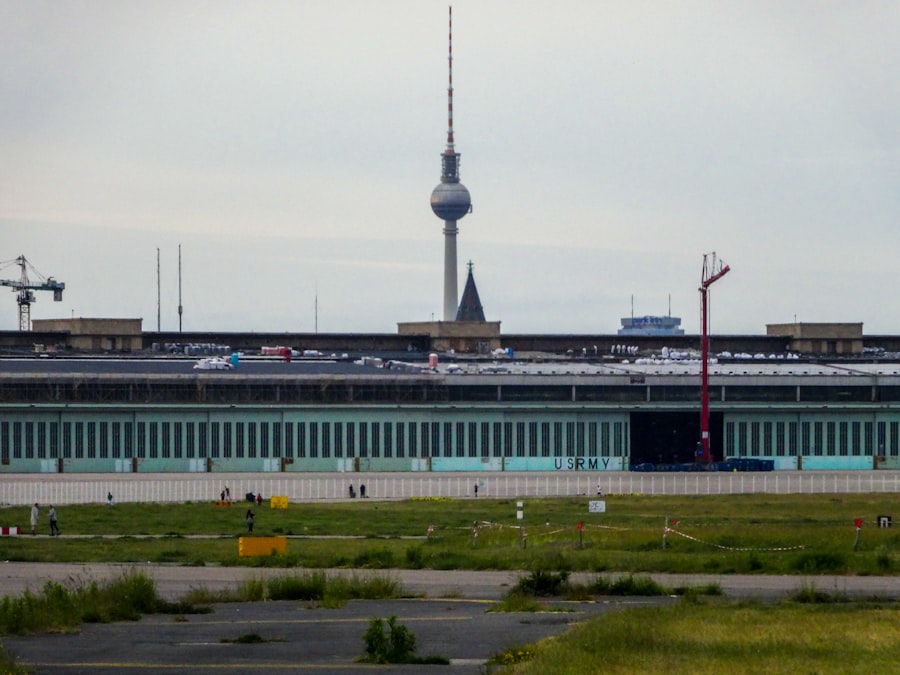
The world of manufacturing is a fiercely competitive arena. German companies are increasingly realizing that while “Made in Germany” still carries a premium, it is insufficient to offset substantial cost disparities in a globalized marketplace.
Shifting Production to Lower-Cost Regions
For many industries, the allure of lower production costs in other countries has become irresistible.
- Eastern Europe: Countries like Poland, the Czech Republic, and Hungary offer proximity to Germany, a skilled workforce, and significantly lower wage costs, making them attractive alternative manufacturing bases.
- Southeast Asia: The vast production capacities, lower labor costs, and increasingly advanced industrial infrastructure in countries like Vietnam, Thailand, and Malaysia present compelling options for global supply chains.
- North America: For companies serving the North American market, establishing production facilities there can reduce logistical costs, mitigate trade barriers, and leverage local incentives.
Resilience of Supply Chains
Recent global disruptions, including the COVID-19 pandemic and geopolitical tensions, have highlighted the vulnerabilities of long and complex supply chains. This has prompted some German companies to re-evaluate their geographic distribution strategies.
- Diversification away from Single-Source Dependence: The over-reliance on specific regions or suppliers has proven to be risky. Companies are exploring production in multiple locations to buffer against future shocks.
- Nearshoring and Reshoring: While typically discussed in the context of bringing production closer to end-markets (nearshoring) or back to the home country (reshoring), for German companies, this often means shifting production to other regions within Europe or North America, balancing cost efficiency with supply chain resilience.
Infrastructure Deficiencies and Digitalization Lag
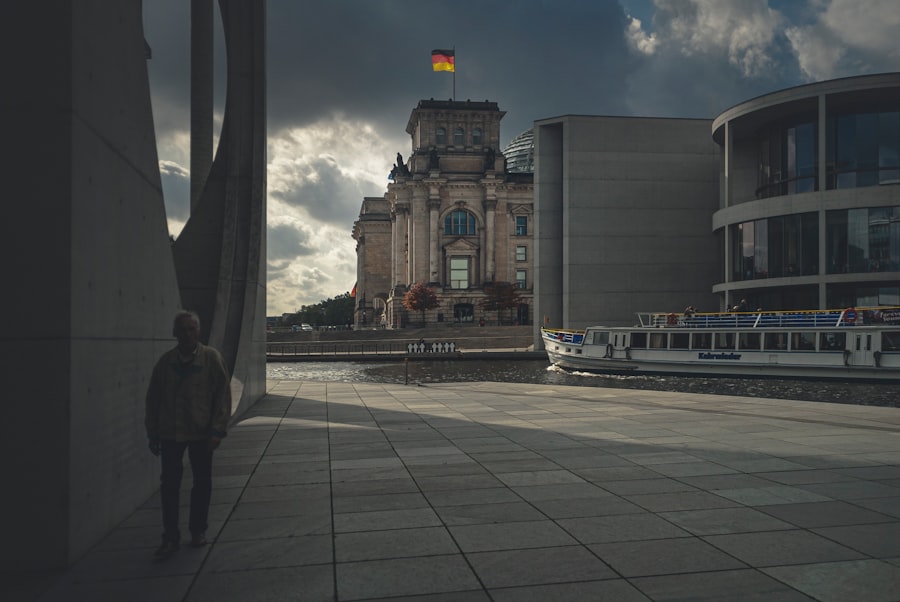
While Germany boasts historically strong infrastructure, there are growing concerns about its future fitness and the pace of digital transformation within the public and private sectors. These perceived deficiencies contribute to a less attractive investment climate.
Deteriorating Physical Infrastructure
Years of underinvestment in certain areas have led to noticeable declines in the quality and capacity of critical infrastructure.
- Roads and Bridges: The condition of roads and bridges, vital for logistics and freight transport, has become a frequent point of contention, leading to delays and increased operational costs for businesses.
- Railways: While Germany has an extensive rail network, capacity constraints and maintenance backlogs can impede efficient goods transport, especially for industries relying on heavy freight.
Lagging Digital Infrastructure
In an increasingly digital world, the speed and reliability of internet access are paramount for modern businesses. Germany, often perceived as a tech leader, surprisingly falls short in crucial areas.
- Broadband Coverage: Despite efforts, broadband internet coverage, particularly in rural and even some semi-urban industrial areas, lags behind several other developed nations. This hampers the adoption of advanced manufacturing technologies and smart factory concepts.
- Bureaucracy in Digitalization: The digital transformation of governmental processes and public administration has been slower than many entrepreneurs would wish, leading to inefficient interactions between businesses and authorities.
As factories continue to leave Germany in search of more favorable economic conditions, the implications for the country’s manufacturing sector are becoming increasingly significant. Many companies are relocating to countries with lower labor costs and less stringent regulations, prompting concerns about the future of German industry. For a deeper understanding of this trend and its potential consequences, you can read more in this insightful article about the shifting landscape of manufacturing in Europe. Check it out here.
The Looming Demographic Challenge and Skilled Labor Shortage
| Reason | Description | Impact on Factories | Example Metrics |
|---|---|---|---|
| High Labor Costs | Germany has relatively high wages and social security contributions compared to other countries. | Increased production costs leading to relocation to lower-cost countries. | Average hourly labor cost: €36.70 (Germany) vs €10-15 (Eastern Europe) |
| Energy Prices | Rising energy costs due to transition to renewable energy and geopolitical factors. | Higher operational expenses for energy-intensive industries. | Industrial electricity price: ~€0.20 per kWh (Germany) vs ~€0.10 per kWh (neighboring countries) |
| Regulatory Burden | Strict environmental and labor regulations increase compliance costs. | Companies seek countries with more flexible regulations. | Number of regulatory inspections per year: High in Germany compared to Eastern Europe |
| Taxation | Corporate tax rates and other business-related taxes can be higher in Germany. | Reduced profitability encourages relocation. | Corporate tax rate: ~30% (Germany) vs ~15-20% (Eastern Europe) |
| Supply Chain Optimization | Proximity to raw materials and markets in other countries. | Factories move closer to suppliers or growing markets. | Average distance to suppliers reduced by 20-30% after relocation |
| Skilled Labor Shortage | Difficulty in finding qualified workers in certain regions. | Factories relocate to areas with better labor availability. | Vacancy rate for skilled manufacturing jobs: ~5% in Germany |
Germany’s demographic development presents a significant long-term challenge to its industrial base. The aging population and declining birth rates are creating a structural shortage of skilled labor, which is a critical input for high-tech manufacturing.
Shortage of Technical and Engineering Talent
The “Fachkräftemangel” (skilled labor shortage) is particularly acute in technical professions and engineering disciplines.
- Aging Workforce: A significant portion of the highly skilled manufacturing workforce is approaching retirement, with insufficient numbers of young people entering these fields to fill the gap.
- Attractiveness of Other Sectors: Many younger generations are drawn to careers in IT, services, or other sectors perceived as more dynamic or offering better work-life balance, further exacerbating the shortage in traditional manufacturing.
- Vocational Training Decline: While Germany’s vocational training system (Dual System) is world-renowned, there are concerns about its appeal and capacity to produce the required number of skilled tradespeople for modern industry. German companies are finding it increasingly difficult to find qualified welders, machinists, electricians, and other crucial personnel.
Immigration and Integration Challenges
While immigration is seen as a potential solution to the demographic crisis, effective integration and the attraction of highly skilled workers face their own set of challenges.
- Bureaucratic Hurdles for Immigrants: The process for foreign skilled workers to obtain visas and work permits can be complex and time-consuming, acting as a deterrent for potential economic migrants.
- Language and Cultural Barriers: Despite efforts, language and cultural differences can pose significant integration challenges for both employers and employees, affecting productivity and retention. These hurdles can make Germany seem less welcoming compared to other nations actively seeking skilled immigrants.
Conclusion: A Crossroads for German Industry
The confluence of these factors – exorbitant energy costs, a heavy regulatory burden, intense global competition, strained infrastructure, and a deepening skilled labor shortage – places German industry at a critical juncture. The narrative is not simply one of “doom and gloom,” but rather a stark recognition that the traditional advantages that once underpinned Germany’s industrial might are eroding.
For German companies, the decision to remain or relocate is becoming a pragmatic calculation of survival and future viability. Like a ship navigating a storm, they must weigh the costs and benefits of weathering the turbulence at home against charting a new course to calmer, more hospitable waters. The German government and industry leaders are acutely aware of these challenges. The question is whether policy adjustments, strategic investments, and a renewed focus on competitive advantage can stem the tide of this potential exodus and ensure that “Made in Germany” continues to symbolize not just quality, but also sustainable and competitive production in the decades to come. Failing to adapt will mean not just the loss of individual factories, but a potential hollowing out of a once robust industrial core, with profound implications for the nation’s economic landscape and global influence.
WATCH THIS 🔴 SHOCKING: Why Germany’s Factory Exodus Is Permanent (Not Temporary)
FAQs
Why are some factories leaving Germany?
Factories are leaving Germany primarily due to high labor costs, increasing energy prices, and stringent environmental regulations. Companies often seek locations with lower operational expenses to remain competitive in the global market.
Which industries are most affected by factories leaving Germany?
Industries such as manufacturing, automotive, and heavy industry are most affected. These sectors typically have high energy consumption and labor costs, making relocation to countries with cheaper resources more attractive.
Where are German factories relocating to?
Many German factories are relocating to countries in Eastern Europe, Asia, and other regions with lower labor and production costs. Popular destinations include Poland, the Czech Republic, China, and Southeast Asian countries.
How does the departure of factories impact the German economy?
The departure of factories can lead to job losses, reduced industrial output, and a decline in tax revenues. However, it can also encourage innovation and investment in high-tech and service sectors within Germany.
What measures is Germany taking to retain factories?
Germany is investing in digitalization, automation, and renewable energy to reduce production costs. The government also offers incentives for research and development and supports sustainable manufacturing practices to maintain industrial competitiveness.