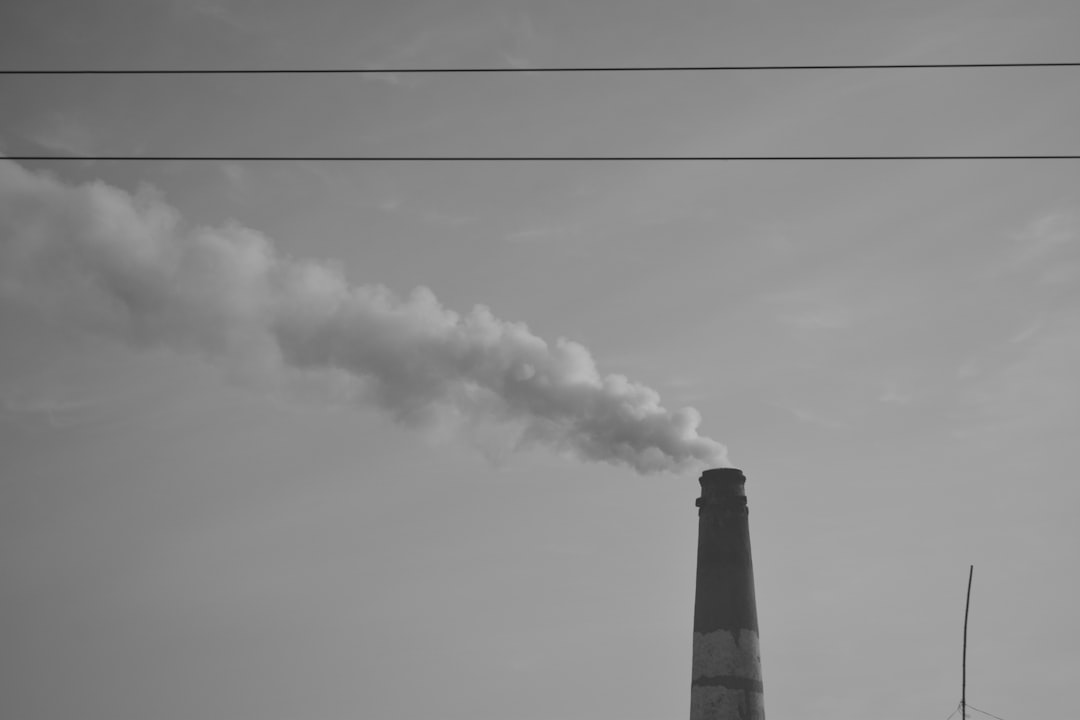
German industrial production experienced a significant downturn in the latest available data, signaling a potential headwind for Europe’s largest economy. Analysts and policymakers are closely monitoring these figures as they offer a crucial barometer of the manufacturing sector’s health, which is a cornerstone of German economic prowess. The latest figures reveal a contraction that has raised concerns about the resilience and future trajectory of German industry in a complex global economic landscape.
The recent release of German industrial production data has painted a somber picture, indicating a notable decline. This slump is not an isolated incident but rather the latest chapter in a series of challenges that have faced the sector. Understanding the nuances of this decline requires a deep dive into the contributing factors, the specific sectors most affected, and the broader economic context within which these figures are situated. The recent report highlights the impact of [Germany factory closures] on the European economy.
The Magnitude and Scope of the Decline
The latest statistics from the Federal Statistical Office (Destatis) confirmed a decrease in industrial production, a critical indicator of the manufacturing sector’s output. This contraction, when measured against the preceding period, suggests a loss of momentum. The scale of this decline is significant enough to warrant close attention from economic observers, as it deviates from periods of robust growth and stability that have often characterized German industry. It’s like observing a powerful engine that has suddenly lost some of its consistent hum, producing a rougher, more hesitant sound.
Key Indicators and Their Implications
Destatis typically reports industrial production figures on a monthly and sometimes quarterly basis, providing data for overall industrial output as well as for specific sub-sectors. The headline figure, representing the aggregate of manufacturing, mining, and energy production, is often the most closely watched. However, a more granular analysis of the underlying components reveals where the pressure points lie and offers more precise insights into the forces driving the contraction.
Manufacturing Sector Performance
The manufacturing sector is the pulsating heart of German industrial production. Its performance, therefore, has a disproportionate impact on the overall industrial output. The latest data indicates that this vital organ has experienced a weakening, contributing significantly to the aggregate decline.
Automobiles and Automotive Parts
The automotive industry, a traditional powerhouse of the German economy, is a key component of the manufacturing sector. Fluctuations in this sector often have a ripple effect across numerous supply chains. The latest data suggests that this sector is facing headwinds, potentially due to a combination of global demand shifts and domestic production challenges.
Machinery and Equipment Manufacturing
Another cornerstone of German industrial strength lies in the production of machinery and equipment. This sector is crucial for both domestic investment and export markets. Recent figures may indicate a slowdown in new orders or a reduction in output, signaling a potential decrease in capital expenditure by businesses.
Chemicals and Pharmaceuticals
The chemical and pharmaceutical industries represent a highly competitive and technologically advanced segment of German manufacturing. Output in these areas, while seemingly more insulated, can still be influenced by global demand, energy costs, and regulatory environments. Analysis of their latest performance is essential to understanding the breadth of the industrial slowdown.
Mining and Energy Production
While manufacturing typically commands the most attention, the mining and energy sectors also contribute to overall industrial production. Any significant shifts in these areas can also influence the headline figures. For instance, changes in energy availability or demand can impact the operational capacity of other industrial sectors.
Historical Context and Trends
To fully appreciate the significance of the latest figures, it is important to place them within their historical context. Is this a cyclical downturn, a temporary blip, or the beginning of a more prolonged trend? Examining past performance and identifying patterns can provide valuable clues.
Cyclical Nature of Industrial Output
Industrial production is inherently cyclical, often mirroring the broader economic business cycle. Periods of expansion are typically followed by contractions as demand fluctuates, inventories adjust, and global economic conditions shift. The current downturn may be interpreted as part of this natural economic ebb and flow, but the severity and duration are key factors to watch.
Impact of Global Economic Conditions
Germany’s industrial sector is deeply intertwined with the global economy. Export demand plays a critical role, and any slowdown in major trading partners can directly impact German output. Therefore, a comprehensive understanding of the latest industrial production figures necessitates an examination of international economic trends, geopolitical events, and trade dynamics.
Recent reports indicate a concerning trend in German industrial production, which has seen a notable decline in recent months. This downturn raises questions about the overall health of the German economy and its potential impact on the European market. For further insights into this issue, you can read a related article that delves deeper into the factors contributing to this decline and its implications for the future. To explore this topic further, visit this article.
Factors Contributing to the Decline
Several interconnected factors are likely contributing to the recent slump in German industrial production. These range from global supply chain disruptions to shifts in consumer demand and the ongoing impact of geopolitical events. Identifying these drivers is crucial for developing effective policy responses.
Global Supply Chain Issues
The lingering effects of global supply chain disruptions continue to cast a long shadow over industrial output. Delays in the availability of essential raw materials, components, and intermediate goods can hamstring production lines, causing delays and reducing overall output. This is akin to a meticulously crafted clock where a single, vital cog is missing, bringing the entire mechanism to a halt.
Availability of Raw Materials
The sourcing and timely delivery of raw materials are fundamental to manufacturing. Shortages or price volatility in key commodities can significantly impede production processes in Germany. This can include metals, rare earth elements, and other essential inputs.
Semiconductor Chip Shortages
The global shortage of semiconductor chips has had a profound and far-reaching impact across various industries, most notably the automotive and electronics sectors. Reduced access to these crucial components directly limits the production capacity of manufacturers.
Shifting Demand Patterns
Changes in consumer and business demand, both domestically and internationally, also play a significant role in shaping industrial production levels. The economic environment influences purchasing decisions, and any retrenchment in spending can have a direct impact.
Consumer Spending Habits
Inflationary pressures and economic uncertainty can lead consumers to curb discretionary spending, directly affecting demand for manufactured goods. This can manifest as reduced sales of automobiles, electronics, and other durable goods.
Business Investment and Capital Expenditure
Businesses, facing their own economic uncertainties, may postpone or scale back investment in new machinery, equipment, and expansion projects. This reduction in capital expenditure directly translates to lower demand for industrial goods and services.
Energy Costs and Availability
Germany, like many European nations, has faced significant challenges related to energy costs and security. Fluctuations in energy prices can disproportionately impact energy-intensive industries, making production less competitive.
Volatility in Natural Gas Prices
The reliance on natural gas as an energy source for many industrial processes makes German manufacturers particularly sensitive to price swings and supply concerns. Periods of high natural gas prices directly increase operational costs.
Transition to Renewable Energy Sources
While a necessary long-term transition, the ongoing shift towards renewable energy sources can present short-term challenges for industrial production if not accompanied by robust and cost-effective energy infrastructure development.
Geopolitical Factors and Trade Relations
Geopolitical tensions and evolving trade relationships can create uncertainty and disrupt established trade flows, impacting export-oriented German industries.
International Trade Disputes
Trade disputes between major economic blocs or individual countries can lead to tariffs and other barriers that impede the flow of goods and services, affecting German exports.
Regional Conflicts and Their Economic Ramifications
Conflicts in various regions around the world can disrupt supply chains, impact commodity prices, and create broader economic uncertainty, all of which can negatively affect industrial production.
Sector-Specific Impacts and Vulnerabilities
A closer examination of individual industrial sectors reveals varying degrees of impact from the recent downturn. Some sectors appear more resilient, while others are particularly vulnerable to the prevailing economic winds.
Strengths and Weaknesses Across Industries
The diversity of the German industrial landscape means that the effects of the slowdown are not uniform. While some traditionally strong sectors may be weathering the storm better than others, a deeper look at their specific challenges and resilience is warranted.
Future of the Automotive Sector
The German automotive industry, a bedrock of its industrial might, is at a crossroads. While historically a driver of growth, it now faces the dual challenges of electrification and global competition. The latest production figures for this sector require careful scrutiny to understand its immediate and long-term prospects.
Resilience of the Machinery and Equipment Sector
The machinery and equipment sector, often characterized by its high degree of specialization and customized production, may exhibit different dynamics. Its ability to adapt to changing technological demands and maintain strong export relationships will be crucial.
Challenges in Manufacturing Consumer Goods
Sectors focused on consumer goods may be more directly sensitive to fluctuations in household spending and the impact of inflation on purchasing power.
The Role of Small and Medium-Sized Enterprises (SMEs)
The “Mittelstand,” Germany’s backbone of small and medium-sized enterprises, plays a vital role in the country’s industrial ecosystem. These businesses often have fewer resources to absorb economic shocks compared to larger corporations, making them particularly vulnerable to production downturns.
Financial Pressures on SMEs
Rising input costs, coupled with potential declines in demand, can place considerable financial strain on SMEs. Their ability to maintain production levels and invest in necessary upgrades can be significantly tested during periods of economic contraction.
Export Dependence of SMEs
Many German SMEs are export-oriented, making them highly susceptible to global economic conditions and trade policies. A slowdown in international markets can have a swift and direct impact on their order books and production schedules.
Economic and Policy Implications

The decline in German industrial production carries significant implications for the broader economy and necessitates careful consideration by policymakers. The government and the European Central Bank, in particular, will be monitoring these trends closely.
Impact on Overall Economic Growth
Industrial production is a key driver of economic activity. A sustained decline in this sector can drag down overall GDP growth, potentially leading to recessionary pressures. The interconnectedness of various economic components means that a slowdown in one area can have cascading effects.
GDP Forecasts and Revisions
Economic forecasters will likely be revising their GDP growth projections downward in light of the weak industrial production data. This could signal a period of subdued economic performance for Germany and, by extension, the Eurozone.
Employment Considerations
While immediate mass layoffs might not be a direct consequence of a production dip, a prolonged downturn could eventually lead to reduced hiring, slower wage growth, or even job losses in affected industries. The labor market is a sensitive barometer of economic health.
Responses from Policymakers
The government and other relevant authorities will be under pressure to respond to the weakening industrial sector. Potential policy interventions could focus on supporting struggling businesses, stimulating demand, or addressing structural challenges.
Fiscal Stimulus Measures
Discussions around potential fiscal stimulus measures, such as tax breaks or subsidies for affected industries, may arise. The effectiveness and feasibility of such measures will be a key area of debate.
Monetary Policy Considerations
The European Central Bank, responsible for monetary policy in the Eurozone, will be closely observing the situation. While inflation has been a primary concern, a significant industrial downturn could indirectly influence discussions about interest rates and other monetary tools.
Support for Research and Development
Long-term solutions might involve increased investment in research and development to foster innovation and maintain Germany’s competitive edge in a rapidly evolving global market. This could include targeted support for industries undergoing significant technological transitions.
Recent reports indicate a concerning trend in German industrial production, which has experienced a notable decline. This downturn raises questions about the broader implications for the European economy and the potential ripple effects on global markets. For further insights into the challenges facing Germany’s industrial sector, you can read a related article that delves into the factors contributing to this decline and its potential consequences. To explore this topic in more detail, visit this article.
Future Outlook and Potential Recovery Scenarios
| Month | Industrial Production Change (%) | Sector | Year-over-Year Change (%) | Notes |
|---|---|---|---|---|
| January 2024 | -1.2 | Manufacturing | -3.5 | Decline due to supply chain disruptions |
| January 2024 | -0.8 | Energy Production | -2.0 | Lower demand in winter months |
| January 2024 | -1.5 | Automotive Industry | -4.0 | Reduced exports and chip shortages |
| February 2024 | -0.9 | Manufacturing | -3.0 | Continued impact from global economic slowdown |
| February 2024 | -1.1 | Construction Materials | -2.5 | Lower domestic demand |
The future trajectory of German industrial production remains uncertain, dependent on a complex interplay of domestic and international factors. However, several potential scenarios for recovery can be identified, each with its own set of preconditions and implications.
Identifying Triggers for a Turnaround
A sustained recovery in German industrial production will likely require a confluence of positive developments. Identifying these potential triggers is crucial for understanding when and how the sector might regain its footing.
Stabilization of Global Demand
A key determinant of recovery will be the stabilization and subsequent growth of global demand for German manufactured goods. This hinges on the economic performance of major trading partners and a reduction in global economic uncertainty.
Resolution of Supply Chain Bottlenecks
The easing or complete resolution of persistent global supply chain bottlenecks would significantly improve the ability of German manufacturers to operate at full capacity and meet demand.
Decreased Energy Price Volatility
A period of more stable and predictable energy prices would provide much-needed cost certainty for energy-intensive industries, enabling them to plan and operate more effectively. This would be like the turbulent seas calming, allowing ships to navigate more predictably.
Strategies for Long-Term Competitiveness
Beyond short-term recovery, Germany’s industrial sector must focus on strategies to ensure long-term competitiveness in a dynamic global economy. This involves adapting to technological advancements and embracing sustainability.
Embracing Digitalization and Automation
Investments in digitalization, automation, and Industry 4.0 technologies are essential for enhancing efficiency, productivity, and the ability of German manufacturers to compete on the global stage.
The Green Transition and Sustainable Manufacturing
The ongoing transition to a greener economy presents both challenges and opportunities. German industry must leverage sustainable manufacturing practices and develop innovative solutions in areas such as renewable energy technologies and circular economy models. This transition, while demanding, can unlock new markets and create a more resilient industrial base.
Innovation and Research Investment
Consistent and robust investment in research and development remains paramount for fostering innovation, developing new products and processes, and maintaining Germany’s position as a leader in advanced manufacturing.
Potential Challenges to a Swift Recovery
It is also important to acknowledge potential obstacles that could hinder a rapid or smooth recovery. These include the persistence of inflationary pressures, the possibility of further geopolitical shocks, and the structural challenges faced by certain sectors. The path ahead is unlikely to be a perfectly straight line, but rather a winding road with potential detours and uphill climbs. The resilience and adaptability of German industry, coupled with conducive policy environments, will be critical in navigating these challenges and ultimately charting a course towards renewed growth and prosperity.
WATCH THIS 🔴 SHOCKING: Why Germany’s Factory Exodus Is Permanent (Not Temporary)
FAQs
What is the current trend in German industrial production?
German industrial production is currently experiencing a decline, indicating a reduction in the output of factories and manufacturing plants.
What factors are contributing to the fall in German industrial production?
Several factors may contribute, including global economic slowdowns, supply chain disruptions, decreased demand for exports, and rising energy costs.
How does a decline in industrial production affect the German economy?
A decline can lead to slower economic growth, reduced employment in manufacturing sectors, lower export revenues, and decreased investor confidence.
Which sectors within German industry are most impacted by the production decline?
Sectors such as automotive manufacturing, machinery, and chemical production are often significantly affected due to their large share in Germany’s industrial output.
What measures can be taken to counteract the decline in industrial production?
Possible measures include government stimulus packages, investment in innovation and technology, improving supply chain resilience, and policies to boost domestic and international demand.