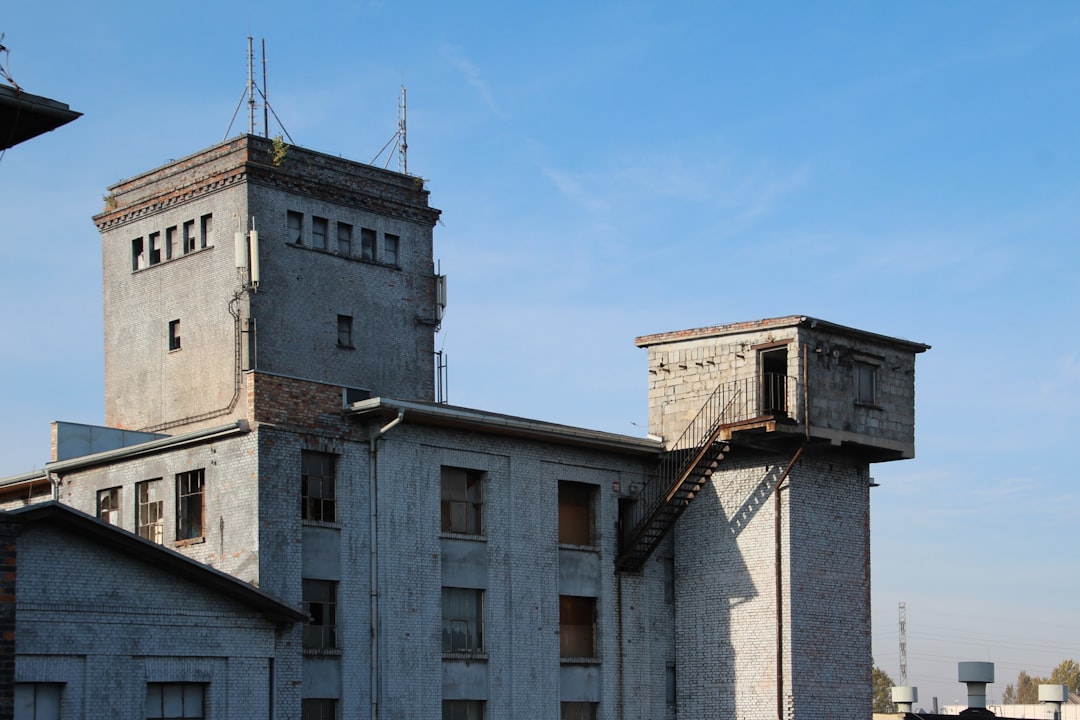
The industrial landscape of Germany, once a vibrant tapestry of soaring chimneys and clattering machinery, is undergoing a profound transformation. While often associated with the very genesis of industrialization and its subsequent economic prowess, the nation’s industrial heritage is now facing a slow, and in some cases, rapid decline. This article will delve into the multifaceted reasons behind this erosion, exploring both the tangible and intangible losses that accompany the shuttering of factories and the dismantling of historical sites.
Germany’s industrial might, traditionally built upon heavy industries like steel, coal mining, and manufacturing, has long been a bedrock of its economic success. However, the global manufacturing landscape has undergone a seismic shift, leaving many traditional sectors vulnerable. The recent report highlights the impact of [Germany factory closures] on the European economy.
The Rise of New Industrial Powers
The emergence of industrial giants in Asia, particularly China, has redrawn the map of global production. These nations often boast lower labor costs, fewer regulatory hurdles, and massive production capacities, making them formidable competitors. German manufacturers, once dominant in numerous sectors, have found themselves battling for market share against these newly empowered players. This competition has led to:
- Outsourcing and Offshoring: Many German companies, seeking to remain competitive, have opted to relocate parts of their production to countries with more favorable economic conditions. This exodus of manufacturing capabilities leaves behind empty factories and diminished local employment.
- Technological Disruption: The rapid pace of technological advancement has rendered some traditional manufacturing processes obsolete. Automation and digitization, while boosting efficiency, often require significant investment, which smaller, older industrial concerns may struggle to secure.
The Decline of Traditional Industries
Specific sectors that once defined German industrial might have experienced a particularly sharp decline, leaving a trail of derelict machinery and historical void.
- Coal Mining: The phased shutdown of coal mines, driven by environmental concerns and the rising cost of extraction, is a prime example. The Ruhrgebiet, once the pulsating heart of German coal production, now grapples with the legacy of this industry’s demise. The closure of mines, while environmentally beneficial, has resulted in:
- Massive Job Losses: Thousands of miners and related workers have been displaced, necessitating extensive retraining programs and social support initiatives.
- Structural Economic Shifts: Entire regions once reliant on coal mining have had to reinvent their economies, often a challenging and protracted process.
- Steel Production: While German steel remains high-quality, the industry faces intense global competition and the need for significant capital investment to modernize facilities and meet environmental standards. The closure of older, less efficient steel mills is a stark reminder of these pressures.
The decline of German industrial heritage has been a topic of significant discussion, particularly in light of the transformations in the country’s economic landscape. An insightful article that delves into this issue can be found at this link, where the impacts of deindustrialization on historical sites and local communities are explored. The piece highlights the challenges faced in preserving these industrial landmarks while also addressing the need for modernization and economic adaptation.
Neglect and Demolition: The Loss of Tangible Heritage
The most visible manifestation of industrial decline is the physical erosion of industrial sites. Factories, workshops, and infrastructure, once humming with activity, now stand silent, often falling victim to neglect or deliberate destruction.
The Economic Burden of Preservation
For many industrial entities, the upkeep of older buildings and machinery is an economic burden. The sheer scale of some industrial complexes makes their preservation a daunting financial undertaking.
- High Maintenance Costs: Old industrial buildings often require extensive repair, renovation, and ongoing maintenance, particularly if they are to be repurposed. The cost of environmental remediation for sites contaminated by industrial processes can also be prohibitive.
- Lack of Commercial Viability: Finding new commercial uses for vast, specialized industrial spaces can be challenging. While some sites lend themselves to conversion into cultural centers or residential spaces, many remain economically unviable for reuse. This leads to:
- Demolition for Redevelopment: Often, the most economically efficient solution is to demolish old industrial structures to make way for new developments, erasing a piece of history in the process. You, the reader, might reflect on the countless times you’ve seen a venerable old building succumb to the wrecking ball, replaced by something entirely modern and often soulless.
The Passage of Time and Decay
Even without deliberate demolition, the relentless march of time takes its toll on abandoned industrial sites. Nature, a persistent architect, slowly reclaims these forgotten spaces.
- Structural Decay: Exposure to weather, lack of maintenance, and the natural degradation of materials lead to the collapse of roofs, walls, and other structures. These once formidable structures become skeletons, picked clean by wind and rain.
- Vandalism and Scavenging: Abandoned sites are often targets for vandalism and the illicit removal of valuable materials, further accelerating their deterioration. It’s a sad irony that the very engines of former prosperity are now stripped for scrap.
The Fading Echoes: Loss of Intangible Heritage
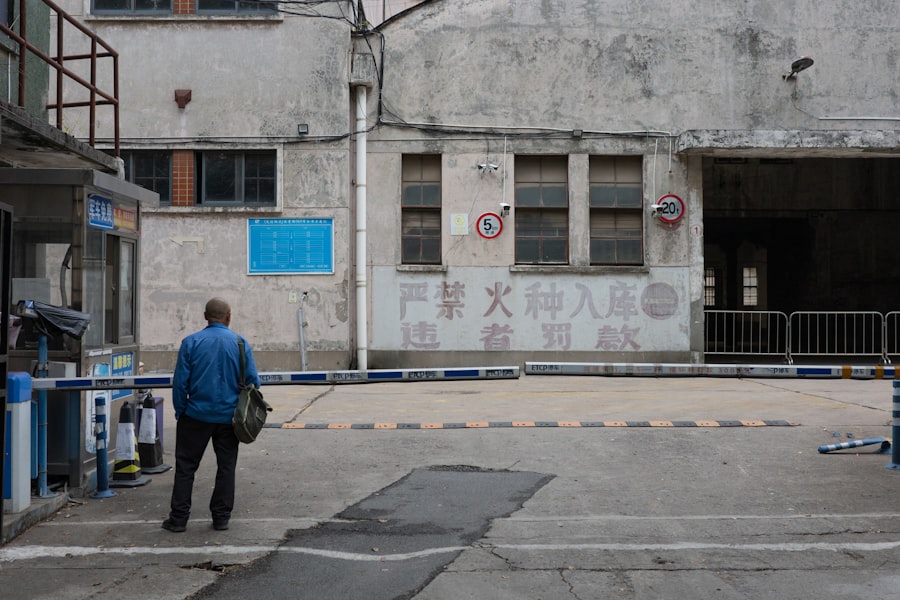
Beyond the physical structures, the decline of industrial heritage also signifies a profound loss of intangible elements – the skills, knowledge, traditions, and sense of identity that were inextricably linked to these industries.
The Erosion of Skilled Labor
Generations of workers honed highly specialized skills within these industries. With their decline, these skills are at risk of being lost forever.
- Apprenticeship Traditions: The rich tradition of vocational training and apprenticeships, once a hallmark of German industry, faces challenges as fewer young people pursue careers in traditional manufacturing. The intricate knowledge passed down from master to apprentice, a living library of practical expertise, is slowly diminishing.
- Loss of Tacit Knowledge: Much of the knowledge residing within these industries was not codified in textbooks but passed down through experience and practice – the “feel” for a machine, the intuition for a process. This tacit knowledge, once a powerful engine of innovation, is exceptionally difficult to preserve once its direct application disappears.
The Diminishment of Regional Identity
For many regions in Germany, industrial activity formed the very core of their identity and social fabric. The closure of factories and mines rips at the seams of these communities.
- Community Cohesion: Industrial workplaces often fostered strong community bonds, providing not only employment but also social networks, sports clubs, and cultural activities. The loss of these anchors can lead to social fragmentation and a sense of collective memory loss.
- Cultural Narratives: Industrial heritage is deeply embedded in regional folklore, local dialect, and artistic expressions. The stories of hard work, innovation, and struggle, once vibrantly told, become faint echoes in a changing landscape. Consider the songs sung by miners, now rarely heard outside of specialist archives.
The Challenge of Preservation and Re-purposing
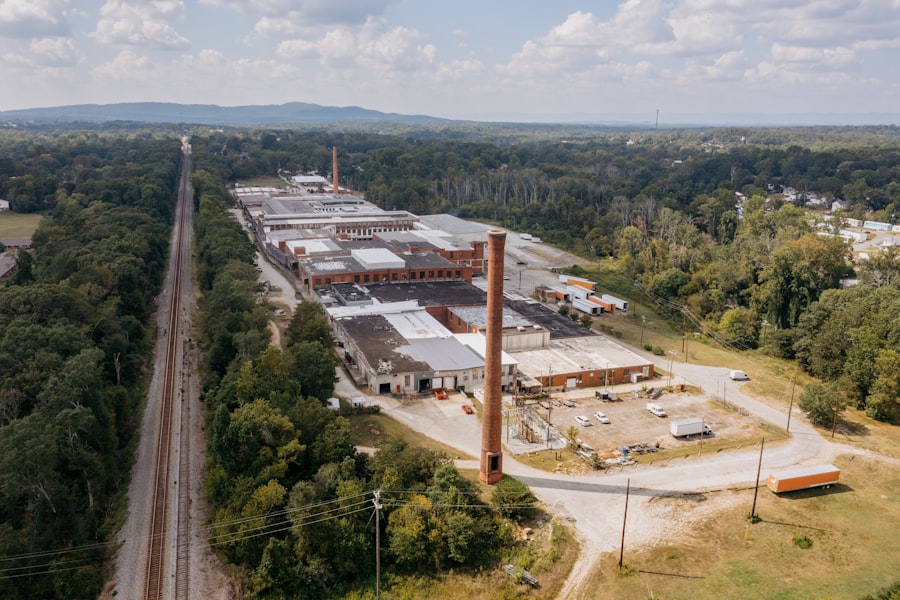
Despite the overwhelming forces of decline, efforts are being made to preserve and repurpose elements of Germany’s industrial past. These initiatives, while commendable, face significant hurdles.
Innovative Approaches to Re-use
Creative minds are transforming derelict industrial sites into vibrant new spaces, breathing new life into old bones. These industrial phoenixes rise from the ashes of obsolescence.
- Cultural Centers and Museums: Many former factories and mines have been converted into museums, art galleries, and performance venues. The Zollverein Coal Mine Industrial Complex in Essen, a UNESCO World Heritage Site, is a shining example of this transformation, showcasing industrial architecture alongside contemporary art and leisure facilities.
- Residential and Commercial Developments: Architects are increasingly integrating industrial aesthetics into modern residential and commercial projects, preserving the unique character of these spaces while providing new functions. Lofts in former warehouses or offices in converted power stations exemplify this trend.
The Role of Heritage Organizations
Dedicated organizations and passionate individuals play a crucial role in advocating for the preservation of industrial heritage. They serve as guardians of the past, their efforts often a solitary vigil against the tide of change.
- Documentation and Research: These organizations meticulously document industrial sites, photograph machinery, and interview former workers, creating an invaluable archive for future generations.
- Advocacy and Lobbying: They lobby local and national governments for funding and protective measures, striving to classify important industrial sites as heritage monuments. Their voices, though sometimes faint, are essential in advocating for a past often overlooked.
The decline of German industrial heritage has been a topic of increasing concern, as many historical sites and factories face the threat of abandonment and demolition. A related article discusses the impact of this decline on local communities and the efforts being made to preserve these important landmarks. For those interested in exploring this issue further, you can read more about it in this insightful piece on the subject. The article highlights the significance of maintaining industrial heritage as a means of honoring the past while fostering future growth. To learn more, visit this article.
Looking Ahead: A Future Shaped by the Past
| Year | Number of Industrial Sites | Percentage of Sites Preserved | Employment in Industrial Sector (Thousands) | Industrial Output Index (Base Year 2000 = 100) |
|---|---|---|---|---|
| 1990 | 12,000 | 85% | 3,500 | 100 |
| 2000 | 10,500 | 70% | 2,800 | 95 |
| 2010 | 8,000 | 55% | 2,100 | 80 |
| 2020 | 6,000 | 40% | 1,500 | 65 |
| 2023 | 5,500 | 35% | 1,300 | 60 |
The decline of German industrial heritage is not a simple narrative of loss; it is a complex interplay of economic forces, technological progress, environmental concerns, and cultural shifts. As we, the audience, observe this transformation, we are forced to confront questions about the value we place on our industrial past.
Learning from Industrial History
The remnants of Germany’s industrial past offer invaluable lessons, acting as tangible textbooks for future generations. These are not merely dusty relics; they are archives of human ingenuity and struggle.
- Technological Evolution: Preserved machinery and industrial processes illustrate the incredible journey of technological innovation, from the steam engine to automated robotics.
- Social History: Industrial sites are repositories of social history, reflecting the lives, struggles, and achievements of the working class and the societies they built.
- Environmental Responsibility: The decline of dirty industries also serves as a potent reminder of the environmental costs of unchecked industrialization and the necessity of sustainable practices moving forward.
The Balancing Act of Progress and Preservation
Germany, like many industrialized nations, faces the delicate balancing act of embracing progress while honoring its past. The future landscape will undoubtedly be different, but the echoes of its industrial prowess should not be entirely silenced. Industrial heritage, far from being just an economic relic, becomes a cultural anchor, a testament to human endeavor, and a source of identity. It’s a reminder that every generation builds upon the successes and failures of those who came before, and to erase the evidence of that journey is to potentially lose a piece of our collective soul. The challenge, therefore, is not merely to mourn the passing of an era but to actively engage in shaping how its memory will endure.
WATCH THIS 🔴 SHOCKING: Why Germany’s Factory Exodus Is Permanent (Not Temporary)
FAQs
What is meant by German industrial heritage?
German industrial heritage refers to the historical sites, buildings, machinery, and cultural artifacts related to Germany’s industrial past, including factories, mines, railways, and worker communities that played a significant role in the country’s economic development.
Why is there a decline in German industrial heritage?
The decline is primarily due to factors such as deindustrialization, modernization, urban development pressures, lack of funding for preservation, and changing economic priorities that lead to the abandonment or demolition of historic industrial sites.
What are the consequences of the decline in industrial heritage?
The decline can result in the loss of cultural identity, historical knowledge, and architectural landmarks. It also affects tourism potential and the opportunity to educate future generations about Germany’s industrial history.
Are there efforts to preserve German industrial heritage?
Yes, there are various initiatives by government bodies, heritage organizations, and local communities aimed at conserving and repurposing industrial sites, such as converting old factories into museums, cultural centers, or commercial spaces.
How can the public contribute to preserving industrial heritage in Germany?
The public can support preservation by participating in heritage organizations, advocating for protective legislation, visiting and promoting industrial heritage sites, and raising awareness about the importance of maintaining these historical assets.