
The Power of Siberia: Fueling Economic Growth
The Power of Siberia pipeline stands as a colossal infrastructural undertaking, a testament to the intricate dance of energy politics and economic ambition that defines the modern global landscape. As a vital artery connecting the vast energy reserves of Russia to the burgeoning demand of China, it represents a significant shift in energy flows and a potent catalyst for economic development in both nations and beyond. Its construction and operation are not merely about moving gas; they represent a strategic alignment of interests, a complex negotiation of power, and a tangible engine for economic expansion. This article will delve into the multifaceted impact of the Power of Siberia, exploring its construction, operational significance, economic implications for Russia and China, its role in global energy markets, and the inherent challenges and future prospects associated with this monumental project.
The conception of the Power of Siberia pipeline was not an overnight revelation but rather the culmination of decades of bilateral discussions and evolving geopolitical realities. The project’s roots can be traced back to a desire on both sides for greater energy security and economic cooperation. For Russia, with its immense natural gas reserves, it offered a critical avenue for diversifying its export markets, reducing reliance on traditional European buyers, and unlocking the potential of its Siberian fields. For China, facing an insatiable appetite for energy to fuel its rapid industrialization and growing middle class, it presented a stable, overland supply route, alleviating concerns associated with maritime transit and geopolitical instability in other regions.
The St. Petersburg Declaration and Early Negotiations
Discussions regarding a gas link between Russia and China gained substantial momentum in the early 2000s. Key milestones included the signing of the St. Petersburg Declaration on comprehensive partnership and strategic cooperation in 2001, which laid the groundwork for enhanced energy dialogue. Subsequent years saw a series of working groups, feasibility studies, and high-level negotiations aimed at defining the terms of a potential gas supply agreement. These early stages were characterized by the careful probing of intentions, the assessment of technical feasibility, and the arduous process of establishing a framework for a commercial relationship of this magnitude. It was a period of laying the conceptual foundation, where the broad strokes of ambition began to take shape.
The Landmark Gas Supply Agreement
The pivotal moment arrived in May 2014 with the signing of a landmark 30-year gas supply agreement between Gazprom, the Russian state-controlled energy giant, and the China National Petroleum Corporation (CNPC). This agreement, often hailed as the largest gas deal in history by contract value, solidified the commitment to the Power of Siberia project. It was not simply a commercial transaction; it was a strategic pact, akin to a handshake sealing a monumental undertaking. The agreement stipulated the supply of 38 billion cubic meters of natural gas annually from Russia to China, a figure that underscored the ambition and scale of the project. The terms of the pricing and volume were undoubtedly the subject of intense negotiation, reflecting the considerable leverage held by both parties.
Engineering Marvel and Logistical Prowess
The construction of the Power of Siberia was an engineering feat of unprecedented proportions. Spanning over 4,000 kilometers from the Chayandinskoye field in Yakutia to the eastern Chinese border city of Blagoveshchensk, the pipeline traversed some of the most unforgiving terrain on Earth. This included permafrost regions, vast taiga forests, and numerous river crossings. Building through these challenging landscapes demanded innovative engineering solutions, advanced construction techniques, and a relentless focus on logistical precision. Imagine an immense serpent, forged from steel, writhing its way across the vastness of Siberia, its construction an intricate ballet of machinery and human endeavor against the backdrop of extreme environmental conditions.
Overcoming the Permafrost Challenge
A significant hurdle was the pervasive permafrost across much of the Siberian route. This frozen ground, unstable and prone to thawing, required specialized construction methods to ensure the pipeline’s integrity. Techniques such as elevated supports, active cooling systems, and the use of specialized concrete were employed to mitigate the risks associated with thermal expansion and contraction. The pipeline became a testament to humanity’s ability to tame even the most formidable natural obstacles.
Navigating Remote and Difficult Terrains
The vast distances and remoteness of much of the route presented immense logistical challenges. Transporting colossal amounts of materials, equipment, and personnel to isolated construction sites required meticulous planning and execution. The project relied on a sophisticated network of temporary roads, river transport, and even airlifts to sustain the construction effort. Each meter of pipe laid was a victory against the sheer scale and inaccessibility of the Siberian wilderness.
The Power of Siberia gas pipeline has been a significant development in the energy sector, enhancing the energy partnership between Russia and China. For a deeper understanding of its implications and the geopolitical dynamics at play, you can read a related article on this topic at Real Lore and Order. This article explores the strategic importance of the pipeline and its potential impact on global energy markets.
Operational Significance: A Lifeline of Energy
The Power of Siberia is more than just a series of buried pipes; it is a dynamic conduit, a pulsating artery that delivers a critical resource. Its operational integrity and efficiency are paramount, directly translating into tangible economic benefits and energy security for its stakeholders. The consistent flow of natural gas through this pipeline represents a reliable source of energy for China, powering industries and homes, while providing Russia with a stable and significant export revenue stream.
The Irkutsk and Chayandinskoye Fields: The Source of the Flow
The gas flowing through the Power of Siberia originates from two primary fields in Eastern Siberia: the Chayandinskoye field, a megaproject in itself, and the Irkutsk field. These fields represent a substantial portion of Russia’s untapped natural gas reserves. The development of these fields was intrinsically linked to the Power of Siberia project, necessitating massive investment in exploration, extraction, and processing infrastructure. The successful operation of these upstream facilities is the starting gun for the entire energy supply chain.
The Kovyktinskoye Field: Expanding the Capacity
In addition to the initial supply sources, the Kovyktinskoye field, also in Eastern Siberia, is slated to become a crucial component of the Power of Siberia’s future capacity expansion. Its integration into the pipeline network will significantly increase the volume of gas that can be transported, further solidifying China’s energy security and Russia’s export potential. This phased expansion demonstrates a long-term vision, recognizing that energy needs are not static but are ever-growing.
The Gas Transmission System: A Network of Arteries
The Power of Siberia pipeline itself is a complex engineering marvel, featuring multiple compressor stations that maintain the pressure and flow of gas across its vast length. These stations are integral to the system’s functionality, ensuring that the gas reaches its destination efficiently and reliably. The pipeline is not a passive conduit but an actively managed system, requiring constant monitoring and maintenance. It is the circulatory system designed to sustain the economic heartbeat of its beneficiaries.
Economic Implications for Russia: Unlocking Siberian Potential
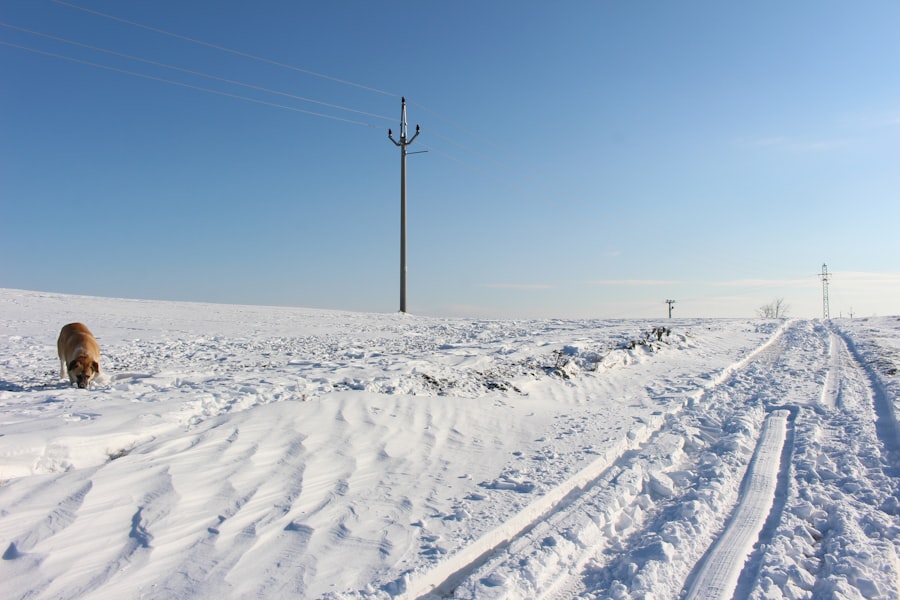
For Russia, the Power of Siberia represents a monumental economic endeavor, unlocking the immense, and long-underutilized, natural gas reserves of its vast Siberian territories. This project is not merely about exporting a commodity; it is about transforming regional economies, fostering industrial development, and generating substantial revenue streams that can fuel national growth and diversification. The pipeline acts as a key, unlocking the treasure chest of Siberia.
Diversification of Export Markets
Historically, Russia’s natural gas exports have been heavily concentrated in Europe. The Power of Siberia significantly diversifies these export markets, reducing Russia’s vulnerability to fluctuations in European demand and political pressures. This strategic pivot towards Asia, and specifically China, provides greater market stability and opens up new avenues for revenue generation. It is akin to a farmer not solely relying on one crop but cultivating a diversified portfolio to weather market storms.
Stimulating Regional Development in Eastern Siberia
The construction and ongoing operation of the Power of Siberia have spurred significant economic activity and investment in Eastern Siberia, a region historically underdeveloped compared to its western counterparts. New infrastructure, including roads, railways, and associated service industries, has been developed to support the project. This has created jobs, attracted investment, and is slowly but surely transforming the economic landscape of this vast territory. It is a powerful force, a river of investment carving new channels of prosperity through a once-arid economic landscape.
Job Creation and Skill Development
The project has generated thousands of direct and indirect employment opportunities for Russian citizens, from skilled engineers and construction workers to support staff and logistics personnel. This has had a positive impact on local communities, providing livelihoods and contributing to skill development in the region.
Infrastructure Development Beyond the Pipeline
The ancillary infrastructure developed to support the Power of Siberia, such as improved transportation links and power grids, benefits not only the pipeline’s operation but also the broader economic development of Eastern Siberia. This ripple effect of investment extends far beyond the immediate needs of the gas project.
Boosting National Revenue and Foreign Exchange Earnings
The sale of natural gas to China through the Power of Siberia pipeline generates substantial revenue for Russia in the form of export duties and company profits. These earnings contribute significantly to the national budget, providing resources for social programs, infrastructure investment, and economic diversification initiatives. This influx of foreign currency acts as a crucial vitamin for the Russian economy, bolstering its resilience.
Contributing to the Federal Budget
The revenue generated from gas sales through the Power of Siberia is a vital component of the Russian federal budget, providing essential funding for various government expenditures.
Supporting Investment in Other Sectors
The stable revenue stream from gas exports can, in turn, be reinvested in other sectors of the Russian economy, fostering diversification away from an over-reliance on natural resources.
Economic Implications for China: Fueling the Dragon’s Growth
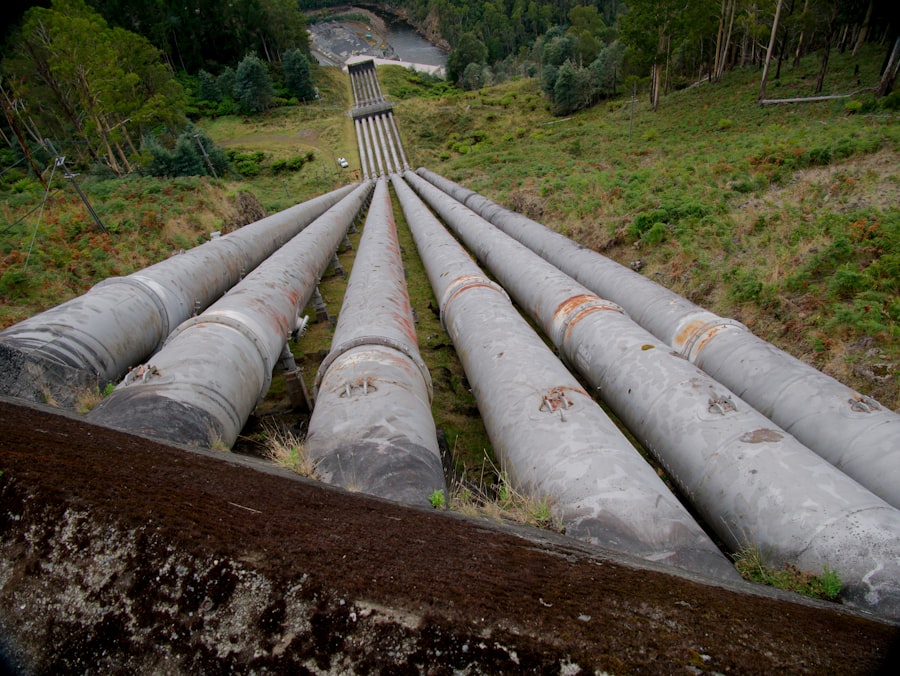
For China, the Power of Siberia represents a critical component of its strategy to ensure energy security and fuel its dynamic economic growth. The steady and reliable supply of natural gas from Russia offers a valuable addition to its energy mix, contributing to environmental goals and supporting its manufacturing and industrial sectors. The pipeline serves as a vital infusion of energy, empowering the dragon of China’s economy.
Enhancing Energy Security and Diversification
China’s energy demand is immense and growing. The Power of Siberia provides a crucial overland gas supply route, complementing its existing imports via liquefied natural gas (LNG) and pipelines from other Central Asian nations. This diversification of supply sources reduces China’s reliance on any single provider or mode of transport, thereby enhancing its overall energy security. It is a strategic move to build multiple strong pillars of energy support.
Reducing Reliance on Maritime Trade Routes
A significant advantage of the Power of Siberia is its overland nature, which bypasses the potential chokepoints and security concerns associated with maritime transportation of LNG. This provides a more stable and predictable supply, less susceptible to geopolitical disruptions.
Complementing Existing Energy Sources
The natural gas from Siberia integrates into China’s already diverse energy portfolio, providing a cleaner-burning alternative to coal and supporting its efforts to decarbonize its energy sector and improve air quality.
Supporting Industrial and Economic Growth
Natural gas is a vital fuel for China’s vast industrial sector, powering manufacturing plants, chemical production, and electricity generation. The consistent supply from the Power of Siberia enables these industries to operate efficiently and expand, contributing to overall economic growth and job creation. Imagine this gas as the lifeblood of China’s immense industrial engine, ensuring its continuous and powerful operation.
Fueling Manufacturing and Heavy Industry
The availability of affordable and reliable natural gas is essential for many energy-intensive industries in China, from steel production to chemical manufacturing.
Powering Urban Development and Residential Consumption
Beyond industry, natural gas from the Power of Siberia also contributes to the growing demand for heating and cooking in urban areas and residential sectors, improving living standards.
Contributing to China’s Environmental Goals
As China strives to meet its climate commitments and improve air quality, the increased use of natural gas, a relatively cleaner-burning fossil fuel compared to coal, plays a significant role. The Power of Siberia facilitates this transition, offering a cleaner energy alternative.
Shifting Away from Coal Consumption
The increased availability of natural gas provides China with a viable alternative to coal, particularly in the power generation sector, leading to reductions in greenhouse gas emissions and air pollutants.
The Power of Siberia gas pipeline has been a significant development in the energy landscape, enhancing the energy security of both Russia and China. This ambitious project not only facilitates the transportation of natural gas but also symbolizes the strengthening of economic ties between the two nations. For a deeper understanding of the geopolitical implications and the future of energy partnerships in the region, you can explore a related article that discusses these dynamics in detail. Check it out here.
The Power of Siberia in the Global Energy Landscape: A Geopolitical Shift
| Metric | Value | Unit | Description |
|---|---|---|---|
| Length | 3,000 | km | Total length of the Power of Siberia pipeline |
| Capacity | 38 | billion cubic meters per year | Annual natural gas transport capacity |
| Start of Operation | 2019 | Year | Year when the pipeline began commercial operation |
| Route | Yakutia to China | Region/Country | Main route of the pipeline |
| Operator | Gazprom | Company | Company responsible for the pipeline |
| Investment | 55 | billion | Estimated investment cost |
| Gas Source | Chayandinskoye and Kovyktinskoye fields | Fields | Main gas fields supplying the pipeline |
The Power of Siberia is more than just a bilateral energy project; it is a significant development that ripples through the global energy landscape, influencing trade flows, geopolitical dynamics, and the strategies of major energy producers and consumers alike. Its existence represents a tangible recalibration of energy alliances and a harbinger of shifting power balances. It is a new current, not only in the veins of Russia and China but also in the broader ocean of global energy trade.
Impact on European Gas Markets
The redirection of significant Russian gas volumes towards China inevitably has an impact on European gas markets, which have historically been heavily reliant on Russian supplies. While not a complete severance of ties, it represents a diversification of supply for Russia and potentially a reduced overall availability of Russian gas to Europe, prompting European nations to further diversify their own energy sources and explore alternative suppliers. This creates a dynamic of competition and reassessment across continents.
Reconfiguring Gas Flows
The Power of Siberia effectively reroutes a portion of Russia’s export capacity eastward, influencing the competitive landscape for gas supplies in both Asia and Europe.
Prompting European Diversification Strategies
The project underscores the strategic imperative for Europe to accelerate its own efforts in diversifying energy sources, including LNG imports and renewable energy development.
The Rise of Asian Energy Demand
The Power of Siberia is a clear indicator of the growing importance of Asian energy markets, particularly China’s insatiable demand. It reflects a broader trend of shifting energy consumption patterns away from traditional Western markets towards the dynamic economies of Asia. This is a geographical pivot, a gravitational shift in energy demand.
China as a Dominant Consumer
The sheer scale of China’s energy needs positions it as a central player in global energy markets, influencing supply and pricing dynamics.
Asia as a Growth Engine for Energy
The Power of Siberia acknowledges and caters to the continued economic expansion and rising energy requirements of the Asian continent.
A New Axis of Energy Cooperation
The Power of Siberia represents a concrete manifestation of deepening energy cooperation between Russia and China, fostering a strategic partnership that extends beyond mere commercial agreements. This collaboration has geopolitical implications, shaping regional and global energy diplomacy. It signifies a new alignment of forces, a strong handshake across continents for mutual energy benefit.
Strengthening Bilateral Relations
The successful execution of such a large-scale project strengthens the overall bilateral relationship between Russia and China, fostering trust and interdependence in the energy sector.
Potential for Future Collaborations
The success of the Power of Siberia may pave the way for future collaborative energy projects between the two nations, further solidifying their energy ties.
Challenges and Future Prospects: Navigating the Road Ahead
Despite its considerable achievements, the Power of Siberia, like any grand undertaking, faces inherent challenges and requires continuous adaptation to a dynamic global environment. The economic viability and long-term success of the project are contingent on navigating these complexities and capitalizing on future opportunities. The road ahead is not without its bumps, and its sustained success will depend on foresight and agility.
Price Volatility and Market Fluctuations
The profitability of the Power of Siberia is intrinsically linked to global energy prices. Fluctuations in the price of natural gas on international markets can impact the revenue generated by the pipeline and the economic returns for both Russia and China. This is a constant tightrope walk, balancing production costs with market realities.
The Impact of Global Gas Prices
Changes in the global supply and demand for natural gas, influenced by factors such as economic growth, geopolitical events, and the development of alternative energy sources, directly affect the pricing of gas supplied through the Power of Siberia.
Renegotiation and Contractual Adaptability
The long-term nature of the gas supply agreement necessitates a degree of flexibility to adapt to changing market conditions, potentially involving future renegotiations of pricing mechanisms.
Geopolitical Considerations and Regional Stability
While the Power of Siberia offers a stable overland route, the broader geopolitical landscape remains a critical factor. Regional stability, international relations, and energy policy shifts in various countries can all influence the project’s operational environment and its strategic importance. The pipeline exists within a complex tapestry of international relations, and its continued smooth operation is intertwined with broader geopolitical currents.
Maintaining Stable Bilateral Relations
The continued success of the Power of Siberia relies on the sustained positive bilateral relationship between Russia and China, free from significant political friction that could disrupt energy cooperation.
Navigating International Energy Politics
The project operates within the broader context of global energy politics, and its strategic implications are scrutinized by various international actors.
Technological Advancements and the Energy Transition
The global energy landscape is rapidly evolving with the increasing emphasis on renewable energy sources and the broader energy transition. The long-term demand for natural gas will be influenced by the pace of this transition and the development of cleaner energy alternatives. The Power of Siberia must adapt to this shifting energy paradigm.
The Future of Fossil Fuels
The increasing global focus on decarbonization and the rise of renewable energy technologies will shape the long-term demand for natural gas, influencing the project’s future relevance.
Opportunities for Gas in the Transition
Despite the rise of renewables, natural gas is often seen as a transitional fuel, offering a cleaner alternative to coal and a more dispatchable source of power compared to intermittent renewables. The Power of Siberia can play a role in this transitional phase.
Future Expansion and Additional Pipelines
There is potential for future expansion of the Power of Siberia project, including increasing capacity and potentially constructing additional pipelines connecting Russia and China. As China’s energy demand continues to grow, further collaboration on energy infrastructure may become a strategic imperative for both nations. The initial pipeline is likely the first chapter in a longer story of energy integration.
The Power of Siberia stands as a monumental achievement, a testament to human ingenuity and international cooperation. It is a vital artery of energy, powering economic growth, reshaping geopolitical landscapes, and symbolizing a new era of energy interdependence. Its impact will continue to unfold, a dynamic force in the global economy for decades to come.
FAQs
What is the Power of Siberia gas pipeline?
The Power of Siberia gas pipeline is a major natural gas pipeline that transports gas from Russia’s Siberian gas fields to China. It is a key infrastructure project designed to enhance energy cooperation between the two countries.
When was the Power of Siberia pipeline completed?
The Power of Siberia pipeline was officially launched in December 2019, with construction having started several years earlier. It marked a significant milestone in Russia-China energy relations.
What is the capacity of the Power of Siberia pipeline?
The pipeline has an initial capacity of about 38 billion cubic meters (bcm) of natural gas per year, with plans to increase this capacity in the future as demand grows.
Why is the Power of Siberia pipeline important?
The pipeline is important because it diversifies Russia’s gas export routes, reduces dependence on European markets, and provides China with a stable and long-term supply of natural gas to support its growing energy needs.
Which companies are involved in the Power of Siberia project?
The project is primarily operated by Gazprom, Russia’s state-controlled gas company, in partnership with China National Petroleum Corporation (CNPC), reflecting strong bilateral cooperation in the energy sector.