
Strategic mineral stockpiling, often a quiet but vital aspect of national security and economic stability, represents a prudent investment in resilience. These reserves, meticulously curated and maintained, act as shock absorbers against the unpredictable tremors of global supply chains and geopolitical instability. This article explores the multifaceted significance of strategic mineral stockpiling, delving into its historical context, the underlying rationale, the complexities of management, and its evolving role in a rapidly changing world.
The globalized economy, while fostering unprecedented growth and interconnectivity, also presents inherent vulnerabilities. Dependence on limited geographical sources for critical raw materials can leave nations exposed to disruptions. Strategic mineral stockpiling emerges as a crucial countermeasure, forming a foundational layer of economic and national security. It is akin to an individual setting aside emergency funds; while not actively used daily, this reserve provides a safety net during unforeseen crises.
Defining Strategic Minerals
Historical Precedents and Evolution
The concept of stockpiling raw materials for strategic purposes is not new. Ancient civilizations understood the value of accumulating resources like iron ore and salt. However, the modern era has witnessed a more formalized and scientifically driven approach.
Early Examples of Resource Control
From the bronze age to the industrial revolution, control over key metals profoundly shaped political and economic landscapes. Empires rose and fell, often on the back of their ability to secure and utilize essential minerals.
The Impact of World Wars on Stockpiling
The two World Wars starkly illuminated the critical nature of unhindered access to raw materials. Nations realized that their industrial might, and consequently their war-fighting capabilities, were directly tied to the availability of minerals like rubber, oil, and various metals. This realization spurred the development of national stockpiling programs designed to maintain a buffer against blockades and hostilities.
Post-War Reconstruction and Cold War Tensions
Following World War II, the focus shifted towards rebuilding and maintaining economic strength. The Cold War era further amplified the importance of strategic minerals, as nations sought to ensure their self-sufficiency and maintain a competitive edge in technological and military development. This period saw the expansion of stockpiling programs to include a wider array of materials deemed essential for defense and industry.
Rationale Behind Strategic Mineral Stockpiles
The justification for maintaining significant reserves of specific minerals is multifaceted, encompassing economic, national security, and industrial continuity concerns. These are not merely hoards of raw materials; they are carefully selected and managed assets designed to mitigate a range of potential risks.
Economic Stability and Price Volatility Mitigation
Global commodity markets are notoriously susceptible to fluctuations. Unexpected surges in demand, disruptions in production, or speculative trading can lead to dramatic price spikes for essential minerals. Strategic stockpiles can act as a stabilizing force, releasing reserves to temper price increases and prevent damaging economic shocks to industries reliant on these materials. This is akin to a farmer holding grain reserves to buffer against a bad harvest; the reserve ensures a consistent supply at predictable prices.
The Impact of Supply Chain Disruptions
Recent global events have vividly demonstrated the fragility of extended supply chains. A single bottleneck, be it a natural disaster, geopolitical conflict, or pandemic-related lockdown, can propagate shockwaves across industries. Stockpiles provide an immediate buffer, allowing industries to continue operations while alternative sourcing or recovery efforts are underway.
Preventing Market Manipulation
In certain instances, limited supplies of critical minerals can become targets for monopolistic practices or market manipulation. Strategic stockpiles can serve as a deterrent, signaling that a nation has alternative resources and is not beholden to the dictates of specific suppliers or entities.
National Security and Defense Preparedness
The ability of a nation to defend itself and project power is inextricably linked to its access to strategic minerals. These materials are the building blocks of advanced weaponry, communication systems, and critical infrastructure essential for national security operations.
Defense Industrial Base Continuity
Maintaining a robust defense industrial base requires an uninterrupted flow of raw materials. Stockpiles ensure that the production of military equipment and essential defense components can continue even if overseas supply lines are severed.
Technological Sovereignty
In an era of accelerating technological advancement, access to rare earth elements and other specialized minerals is paramount for developing cutting-edge technologies. Stockpiling these materials helps secure a nation’s technological sovereignty, preventing reliance on potentially inimical actors for critical components.
Industrial Resilience and Economic Competitiveness
Beyond defense, strategic minerals are foundational to a vast array of civilian industries, from automotive and electronics to renewable energy. Ensuring their availability is crucial for maintaining industrial output and overall economic competitiveness.
Supporting Critical Infrastructure Development
The development and maintenance of critical infrastructure, including power grids, transportation networks, and communication systems, rely heavily on specific mineral inputs. Stockpiles can bolster the resilience of these vital systems against disruptions.
Fostering Innovation and Technological Advancement
The availability of key minerals can also act as a catalyst for innovation. Access to materials like lithium and cobalt is crucial for the development of advanced battery technologies, which are essential for electric vehicles and renewable energy storage. Stockpiling these materials can support domestic research and development efforts.
In recent discussions surrounding national security and economic resilience, the importance of a strategic mineral stockpiling strategy has gained significant attention. A related article that delves deeper into this topic can be found at this link, where experts analyze the implications of mineral shortages and the necessity for countries to secure essential resources. This article highlights various approaches to stockpiling and the potential impact on global supply chains, making it a valuable read for those interested in the intersection of resource management and national policy.
The Mechanics of Strategic Mineral Stockpiling
The effective establishment and maintenance of strategic mineral stockpiles involve a complex interplay of logistical, economic, and strategic considerations. It is not simply a matter of acquiring and storing; it requires ongoing management and strategic foresight.
Identification and Prioritization of Strategic Minerals
The first crucial step in stockpiling is to identify which minerals are genuinely strategic. This is a dynamic process, evolving with technological advancements and geopolitical shifts.
Criteria for Selection
The selection of minerals for stockpiling is based on several key criteria:
- Criticality: How essential is the mineral for national security, economic stability, and essential industries?
- Supply Vulnerability: Is the mineral sourced from a limited number of countries, or are the supply chains inherently unstable?
- Availability of Substitutes: Are there readily available alternatives that can fulfill the same functions?
- Consumption Patterns: Understanding current and projected demand is vital for determining appropriate stockpile levels.
- Lead Times for Acquisition: How long does it take to acquire significant quantities of the mineral from alternative sources if needed?
Evolving Nature of Strategic Lists
The list of strategic minerals is not static. As new technologies emerge and global dependencies shift, the composition of these lists must be reviewed and updated. For instance, the rise of the digital economy has brought rare earth elements to the forefront of strategic considerations.
Acquisition and Procurement Strategies
The process of acquiring minerals for stockpiles requires careful planning and often involves diverse procurement methods to ensure a consistent and cost-effective supply.
Government-to-Government Agreements
Direct agreements with friendly nations or producing countries can be a reliable method for securing long-term supplies. These agreements often stipulate delivery schedules and pricing mechanisms.
Market Purchases and Long-Term Contracts
Procurement through open market purchases or by securing long-term contracts with private suppliers is another common approach. This allows for flexibility but requires careful monitoring of market conditions.
Encouraging Domestic Production
In some cases, government incentives or direct investment may be used to encourage domestic exploration and production of strategic minerals, thereby reducing reliance on foreign sources.
Storage and Maintenance of Reserves
The physical storage and ongoing maintenance of stockpiles are critical to ensuring their readiness and preventing degradation over time.
Location and Security of Storage Facilities
Stockpile locations need to be secure, accessible, and strategically positioned to facilitate rapid deployment. Facilities must be designed to protect materials from environmental damage, theft, and sabotage.
Environmental Considerations
Different minerals have different storage requirements. Some may need to be kept in dry, climate-controlled environments, while others might require specialized containment to prevent environmental contamination.
Security Protocols
Robust security measures, including physical barriers, surveillance systems, and personnel guarding, are essential to protect valuable national assets.
Inventory Management and Rotation
Maintaining accurate inventory records and implementing a system for rotating older stock with newer materials are crucial. This prevents materials from becoming obsolete or degrading due to prolonged storage.
Preventing Material Degradation
Over time, some materials can degrade or lose their efficacy. Regular inspection and, where necessary, controlled rotation of stock ensure that the materials remain fit for purpose when needed.
Cost-Effective Management
Strategic inventory management can also involve optimizing the value of stockpiles. For example, some materials might be leased out for commercial use under strict conditions, generating revenue while keeping the material available for strategic deployment.
Challenges and Considerations in Stockpiling

While the benefits of strategic mineral stockpiling are clear, its implementation is not without its challenges. These complexities require careful consideration and adaptive management strategies.
Financial Investment and Opportunity Cost
Stockpiling involves significant financial outlay, both in the initial acquisition of materials and in the ongoing costs of storage, maintenance, and management.
Budgetary Constraints and Prioritization
Governments operate with finite budgets. The decision to invest heavily in mineral stockpiles requires careful prioritization against other pressing national needs.
The Concept of Opportunity Cost
The capital invested in stockpiles could potentially be used for other immediate economic or social programs. This ‘opportunity cost’ is a significant factor in strategic decision-making.
Global Market Dynamics and Geopolitical Risk
The international landscape is constantly shifting, presenting both opportunities and risks for stockpiling efforts.
Dependence on Foreign Suppliers for Stockpile Acquisition
Even for nations with domestic production, the acquisition of certain specialized minerals may still necessitate reliance on foreign suppliers, creating a complex web of dependencies.
The Impact of Trade Wars and Sanctions
Geopolitical tensions, trade disputes, and the imposition of sanctions can disrupt the flow of materials, impacting both current supply chains and the ability to replenish or expand stockpiles.
The Risk of Obsolescence
Technological advancements can render materials or their applications obsolete. A stockpile of a particular mineral might lose its strategic value if a superior alternative emerges or if the industry for which it was stockpiled declines.
Environmental and Ethical Considerations
The extraction and processing of minerals, as well as their long-term storage, can raise environmental and ethical concerns.
Environmental Impact of Extraction
The mining and processing of many strategic minerals can have significant environmental consequences, including habitat destruction, water pollution, and greenhouse gas emissions.
Ethical Sourcing and Labor Practices
Ensuring that the minerals acquired for stockpiles are sourced ethically, with respect for human rights and fair labor practices, is an increasingly important consideration.
Long-Term Storage and Disposal
The long-term storage of certain hazardous minerals requires specialized handling and poses questions about eventual disposal or recycling in an environmentally responsible manner.
The Future of Strategic Mineral Stockpiling
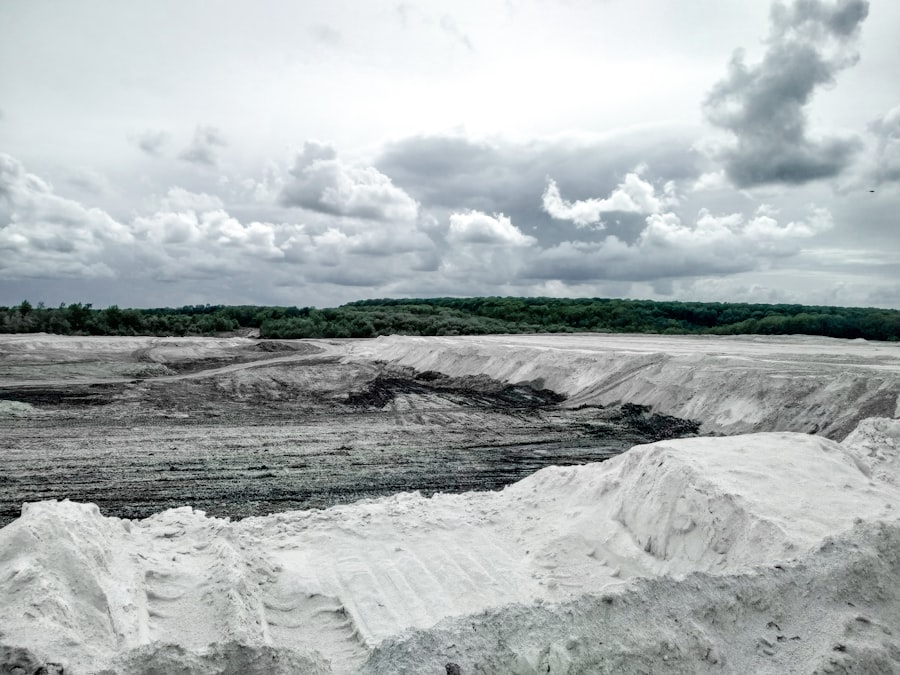
As the global landscape continues to evolve, so too must the strategies and practices surrounding strategic mineral stockpiling. The rise of new technologies, the urgency of climate change, and the changing nature of global power dynamics all necessitate a forward-looking approach.
The Role of Critical Minerals in the Green Transition
The global shift towards renewable energy and electrification relies heavily on a new set of critical minerals.
Lithium, Cobalt, and Rare Earth Elements
Minerals such as lithium, cobalt, nickel, and various rare earth elements are essential for battery production in electric vehicles and energy storage systems, as well as for wind turbines and advanced electronics.
Securing the Supply Chains for Green Technologies
Ensuring a secure and reliable supply of these materials is paramount for achieving decarbonization goals and will likely lead to an expansion of strategic stockpiling efforts for these specific commodities.
Circular Economy and Resource Scarcity
The principles of the circular economy, focused on reuse, recycling, and minimizing waste, offer a complementary approach to traditional stockpiling.
Recycling and Urban Mining
Developing robust recycling infrastructure and techniques for “urban mining” – extracting valuable materials from discarded electronics and other waste streams – can reduce reliance on primary extraction and contribute to resource security.
Material Substitution and Innovation
Ongoing research into material science can lead to the development of substitutes for scarce or geopolitically sensitive minerals, thereby diversifying supply options and reducing vulnerability.
International Cooperation and Diversification of Supply
In an increasingly interconnected world, international cooperation and a diversified approach to supply chains can enhance resilience.
Collaborative Stockpiling Initiatives
Nations may explore collaborative stockpiling initiatives for certain minerals, pooling resources and diversifying geographical risks.
Promoting Diversified and Resilient Supply Chains
Beyond stockpiling, a focus on building more diversified and resilient global supply chains, involving a wider range of producing nations and manufacturing locations, can mitigate risks associated with over-reliance on single sources.
Strategic mineral stockpiling is becoming increasingly important as nations recognize the need to secure essential resources for their industries and technologies. A related article discusses the implications of global supply chain disruptions and how countries are adapting their strategies to ensure a steady supply of critical minerals. This insightful piece can be found at Real Lore and Order, where it explores the challenges and opportunities presented by current geopolitical tensions and market fluctuations. Understanding these dynamics is crucial for policymakers and businesses alike as they navigate the complexities of resource management in today’s world.
Conclusion: An Enduring Investment in Stability
| Metric | Description | Example Value | Unit | Relevance |
|---|---|---|---|---|
| Stockpile Volume | Total quantity of strategic minerals held in reserve | 50,000 | Metric Tons | Measures capacity to meet supply disruptions |
| Coverage Duration | Length of time stockpile can support national demand | 18 | Months | Indicates resilience against supply chain interruptions |
| Annual Consumption | Amount of mineral used per year in industry | 33,000 | Metric Tons | Basis for calculating stockpile needs |
| Replenishment Rate | Rate at which stockpile is refilled after usage | 10,000 | Metric Tons per Year | Ensures sustainability of stockpile levels |
| Criticality Score | Assessment of mineral’s importance to national security | 8.5 | Scale 1-10 | Prioritizes minerals for stockpiling |
| Storage Cost | Annual cost to maintain stockpile | 1,200,000 | Currency Units | Impacts budget allocation for stockpiling |
| Supply Risk Index | Likelihood of supply disruption from external sources | 7.2 | Scale 1-10 | Drives urgency of stockpiling strategy |
Strategic mineral stockpiling, while a demanding undertaking with inherent challenges, remains an indispensable tool for national security and economic resilience. It is not a static policy but a dynamic and evolving strategy that must adapt to technological advancements, geopolitical shifts, and the pressing imperatives of sustainability. By carefully identifying, acquiring, and managing these vital reserves, nations can build a more secure and stable future, safeguarding themselves against the unpredictable currents of the global marketplace and ensuring the continued functioning of their economies and defense capabilities. The prudent investment in strategic mineral stockpiles is, in essence, an investment in the continuity and prosperity of the nation itself.
FAQs
What is a strategic mineral stockpiling strategy?
A strategic mineral stockpiling strategy involves the deliberate accumulation and management of critical minerals by a government or organization to ensure a stable supply during times of shortage, geopolitical tensions, or supply chain disruptions.
Why are strategic minerals important to stockpile?
Strategic minerals are essential for various industries, including defense, technology, and energy. Stockpiling these minerals helps mitigate risks associated with supply interruptions, price volatility, and dependence on foreign sources.
Which minerals are typically included in strategic stockpiles?
Commonly stockpiled strategic minerals include rare earth elements, lithium, cobalt, nickel, and other critical metals used in electronics, renewable energy technologies, and military applications.
How do governments decide the quantity of minerals to stockpile?
Governments assess factors such as current and projected demand, supply chain vulnerabilities, geopolitical risks, and economic considerations to determine appropriate stockpile sizes and replenishment rates.
What are the challenges associated with maintaining strategic mineral stockpiles?
Challenges include the high cost of acquisition and storage, potential degradation of materials over time, market price fluctuations, and the need for secure and environmentally responsible storage facilities.