
The landscape of global trade finance, historically characterized by intricate processes and reliance on intermediaries, is undergoing a profound transformation. At the forefront of this evolution stands smart contract escrow, a technological innovation poised to redefine how cross-border transactions are secured and executed. By leveraging the immutable and transparent properties of blockchain technology, smart contract escrow offers a paradigm shift from traditional methods, promising enhanced efficiency, reduced risk, and greater accessibility for participants in the global economy. This article explores the mechanics, benefits, implementation challenges, and the future implications of smart contract escrow in revolutionizing trade finance.
Smart contract escrow, at its core, is a self-executing agreement stored on a blockchain, designed to automatically manage and release funds or assets based on predefined conditions. Unlike traditional escrow services, which rely on human intermediaries, smart contract escrow operates autonomously and transparently.
Understanding Smart Contracts
A smart contract can be likened to a digital vending machine. Just as a vending machine dispenses a product upon the insertion of specified payment, a smart contract executes predefined actions (e.g., releasing payment) when its coded conditions are met. These contracts are immutable once deployed on the blockchain, meaning their terms cannot be altered. Their execution is deterministic, ensuring that all parties can verify the outcome without ambiguity.
The Role of Blockchain Technology
The underlying infrastructure for smart contract escrow is blockchain technology. A blockchain is a distributed, immutable ledger that records transactions across a network of computers. This distributed nature eliminates a single point of failure and makes the ledger highly resistant to tampering. The transparency of the blockchain allows all participants to view the terms of the escrow and the status of the transaction, fostering trust and accountability.
Comparison to Traditional Escrow
Traditional escrow involves a trusted third party, often a bank or a dedicated escrow company, holding funds or assets until certain conditions are fulfilled. This process can be slow, costly, and subject to human error or malfeasance. Smart contract escrow, by contrast, removes the human element, reducing fees, accelerating transaction times, and eliminating the risk of fraud or default by the escrow agent. For instance, consider the shipment of goods. With traditional escrow, the buyer trusts the escrow agent to release funds only upon proof of delivery. With a smart contract escrow, this proof, perhaps a digital signature from a shipping company or an IoT device confirming arrival, directly triggers the release of funds, bypassing a human intermediary entirely.
In the evolving landscape of trade finance, smart contracts are revolutionizing the way escrow services operate by enhancing security and efficiency. For a deeper understanding of how these technologies intersect, you can explore a related article that discusses the implications and benefits of smart contract escrow in trade finance. To read more, visit this article.
Benefits of Smart Contract Escrow in Trade Finance
The adoption of smart contract escrow presents a myriad of advantages that directly address the pain points prevalent in traditional trade finance.
Enhanced Security and Trust
The inherent properties of blockchain technology imbue smart contract escrow with superior security. The cryptographic security of the blockchain ensures that transactions are protected from unauthorized access or alteration. Moreover, the immutability of the smart contract means that once the terms are agreed upon and coded, they cannot be changed, providing an unparalleled level of certainty for all parties.
Reduced Risk of Fraud and Manipulation
By removing reliance on human intermediaries, smart contract escrow significantly minimizes the risk of fraudulent activities or manipulation of funds. The automated execution based on predefined conditions leaves no room for subjective interpretation or dishonest actions. Each step of the transaction is verifiable on the blockchain, creating an audit trail that is tamper-proof.
Transparency and Auditability
Every action performed by a smart contract escrow is recorded on the blockchain, creating a transparent and easily auditable history of the transaction. This transparency reduces information asymmetry and allows all parties to monitor the progress of the trade in real-time. Regulators and auditors can also easily access and verify transaction details, simplifying compliance.
Increased Efficiency and Speed
The automation offered by smart contracts dramatically streamlines trade finance processes, leading to significant time and cost savings.
Faster Transaction Settlement
Traditional trade finance transactions can take days or even weeks to settle due to the involvement of multiple intermediaries, paper-based documentation, and manual verification. Smart contract escrow automates these steps, allowing for near-instantaneous settlement upon the fulfillment of predefined conditions. Imagine a scenario where a buyer’s payment is automatically released as soon as a shipment clears customs, rather than waiting for days for bank transfers and manual confirmations.
Reduced Administrative Overhead
The automation afforded by smart contract escrow eliminates the need for extensive paperwork, manual data entry, and reconciliation efforts. This reduction in administrative overhead translates into fewer errors, lower operational costs, and the ability for businesses to allocate resources to more strategic activities.
Cost Savings
The efficiencies gained through smart contract escrow directly translate into substantial cost reductions for businesses engaged in international trade.
Lower Fees for Escrow Services
Traditional escrow services often involve significant fees charged by intermediaries for their services. Smart contract escrow, being automated and decentralized, significantly reduces or even eliminates these fees, offering a more cost-effective solution for securing transactions.
Minimized Foreign Exchange Risk
By facilitating faster settlements, smart contract escrow can help mitigate foreign exchange rate fluctuations, which can be a significant concern in long-duration international trades. The reduced time between trade agreement and payment minimizes exposure to volatile currency markets.
Implementing Smart Contract Escrow: Challenges and Considerations
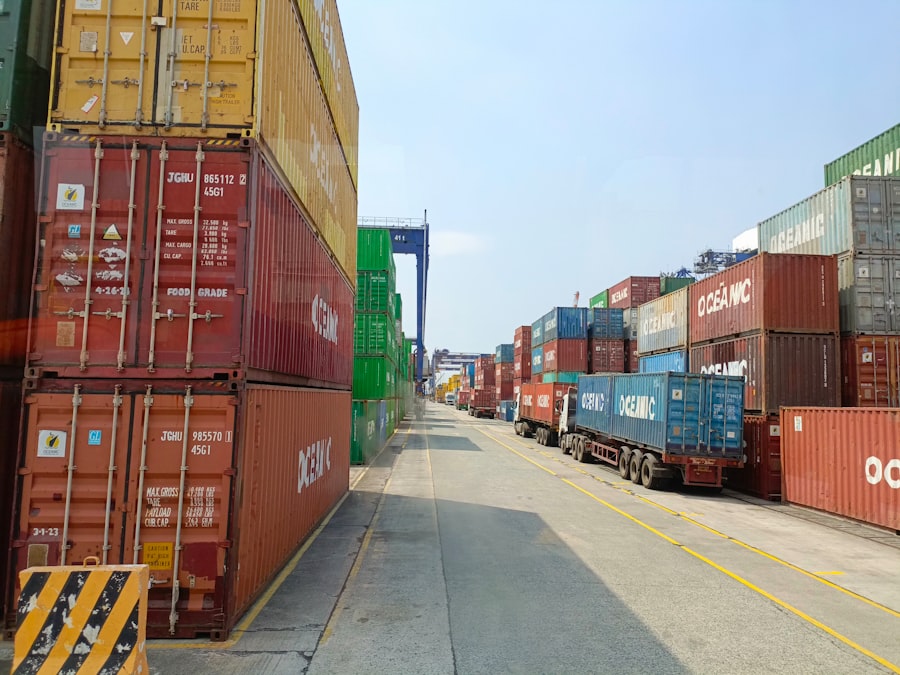
While the benefits of smart contract escrow are compelling, its widespread adoption is subject to several challenges and considerations that stakeholders must address.
Technical Hurdles and Complexity
Implementing smart contract escrow requires a certain level of technical expertise and a robust understanding of blockchain technology.
Smart Contract Development and Auditing
Developing secure and error-free smart contracts is a complex task. Even minor coding errors can lead to significant financial losses due to the immutable nature of these contracts. Therefore, rigorous auditing and testing by independent third parties are crucial to ensure the integrity and reliability of smart contract escrow systems.
Integration with Existing Systems
Many businesses operate with legacy enterprise resource planning (ERP) systems and traditional financial infrastructure. Integrating smart contract escrow solutions with these existing systems can be a significant technical challenge, requiring careful planning and potentially substantial investment.
Regulatory and Legal Frameworks
The nascent nature of blockchain technology and smart contracts means that regulatory and legal frameworks are still evolving.
Legal Recognition and Enforcement
The legal standing of smart contracts varies across different jurisdictions. Clarity is needed regarding their enforceability in courts and how disputes arising from smart contract execution will be resolved. Until consistent international legal recognition is established, businesses may face uncertainties regarding recourse in case of disagreements.
Compliance with AML/KYC Regulations
Financial regulations such as Anti-Money Laundering (AML) and Know Your Customer (KYC) are critical for preventing illicit financial activities. Integrating these compliance requirements into the pseudonymous nature of blockchain transactions poses a significant challenge for smart contract escrow providers. Solutions involving verifiable digital identities and permissioned blockchains are being explored to address this.
Adoption and Interoperability
Widespread adoption of smart contract escrow hinges on overcoming issues related to interoperability and general user acceptance.
Lack of Standardization
The blockchain ecosystem is fragmented, with numerous platforms and protocols. A lack of standardization across different blockchain networks can hinder interoperability, making it difficult for smart contracts deployed on one chain to interact seamlessly with assets or data on another. This can create silos and limit the potential of smart contract escrow.
User Education and Trust
Many businesses and individuals are still unfamiliar with blockchain technology and smart contracts. Building trust and educating potential users about the benefits, security measures, and operational aspects of smart contract escrow is crucial for its widespread adoption. Overcoming inherent skepticism towards new technologies will be paramount.
The Future of Trade Finance with Smart Contract Escrow

Despite the challenges, the trajectory of smart contract escrow in trade finance points towards a future characterized by greater efficiency, transparency, and inclusivity.
Decentralized Autonomous Organizations (DAOs) in Trade
Smart contract escrow can serve as a foundational component for Decentralized Autonomous Organizations (DAOs) in trade finance. DAOs can automate governance, decision-making, and execution of trade agreements, eliminating the need for traditional corporate structures. This could lead to truly peer-to-peer global trade, democratizing access and reducing reliance on large financial institutions.
Integration with Internet of Things (IoT)
The synergistic combination of smart contract escrow with IoT devices holds immense potential. IoT sensors can provide real-time, verifiable data on product location, temperature, condition, and delivery, directly triggering the execution of smart contracts. For example, a smart contract could release payment automatically once IoT sensors confirm a cargo container has reached its destination and its contents are within specified environmental parameters. This creates an unparalleled level of automation and data integrity.
New Models for Supply Chain Finance
Smart contract escrow can facilitate innovative models for supply chain finance. By providing transparent and verifiable transaction data, it can enable new forms of financing, such as invoice financing or dynamic discounting, that are more accessible and efficient for small and medium-sized enterprises (SMEs). Investors could gain greater confidence in financing supply chain activities, as smart contracts can provide clear, immutable records of each stage of the transaction. For instance, a vendor could receive immediate payment from a financier once a smart contract confirms shipment, with the buyer then repaying the financier upon delivery, all automated and secured by the smart contract.
Increased Financial Inclusion
By reducing costs and increasing efficiency, smart contract escrow can lower the barriers to entry for smaller businesses and emerging economies to participate more actively in international trade. The accessibility and transparency of blockchain-based systems can empower businesses that previously lacked access to traditional trade finance solutions. This paves the way for a more equitable global trading environment. Imagine small artisans in developing countries being able to secure export orders with confidence, knowing their payments are guaranteed by an automated smart contract, without incurring exorbitant intermediary fees.
In conclusion, smart contract escrow represents more than just a technological advancement; it is a fundamental shift in how trust and value are exchanged in global trade. While the path to widespread adoption involves navigating technical complexities, regulatory uncertainties, and fostering user acceptance, the compelling benefits it offers – enhanced security, unparalleled efficiency, and significant cost savings – position it as a revolutionary force. As we look ahead, smart contract escrow is poised to redefine the architecture of trade finance, moving towards a more automated, transparent, and inclusive future for international commerce.
FAQs
What is a smart contract in trade finance escrow?
A smart contract in trade finance escrow is a self-executing digital agreement programmed on a blockchain that automatically enforces the terms of a trade finance transaction, holding and releasing funds or assets only when predefined conditions are met.
How does a smart contract improve traditional trade finance escrow processes?
Smart contracts enhance traditional escrow by increasing transparency, reducing the need for intermediaries, minimizing delays, lowering costs, and ensuring automatic and tamper-proof execution of contract terms.
What are the key benefits of using smart contracts for trade finance escrow?
Key benefits include faster transaction settlements, reduced fraud risk, improved trust between parties, enhanced security through blockchain technology, and greater efficiency in managing trade finance agreements.
Are smart contract trade finance escrows legally binding?
Smart contracts can be legally binding if they comply with relevant contract laws and regulations in the jurisdiction where they are used. However, legal recognition varies by country, and parties should ensure proper legal frameworks are in place.
What challenges exist in implementing smart contract trade finance escrow solutions?
Challenges include technical complexity, integration with existing financial systems, regulatory uncertainty, the need for standardized protocols, and ensuring accurate coding of contract terms to avoid errors or disputes.