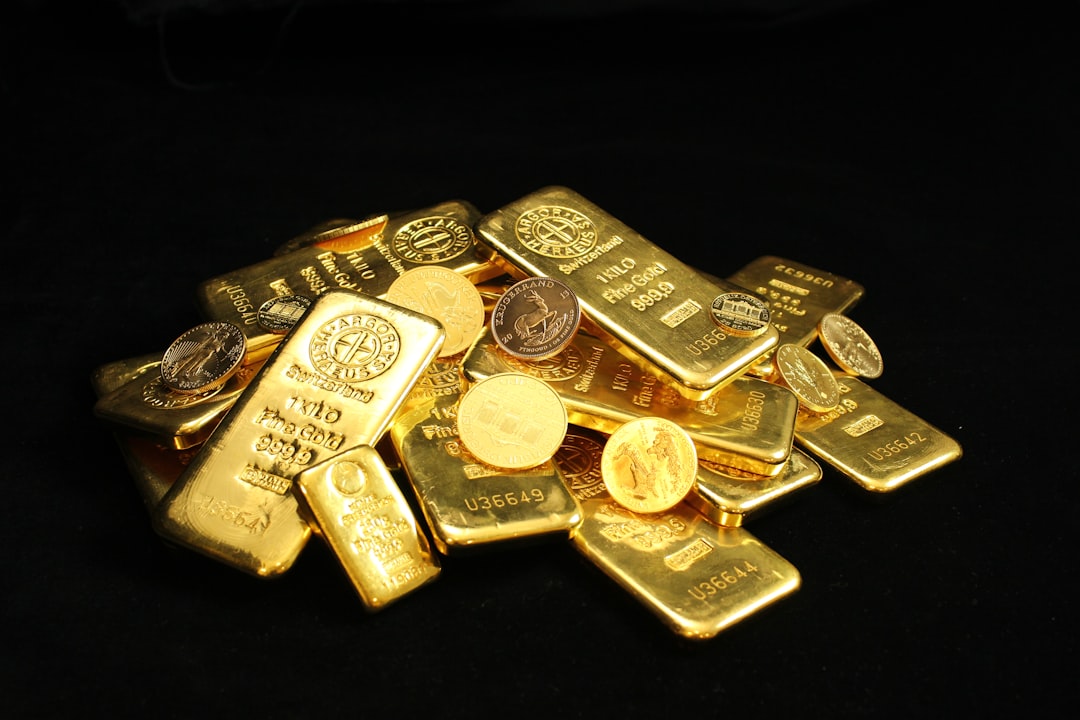
Central banks, the custodians of national economies, are consistently increasing their holdings of gold. This trend, which has been evident for several years, represents a strategic rebalancing of assets and a reassessment of global financial architecture. The reasons behind this persistent accumulation are multifaceted, ranging from a desire for diversification and a hedge against inflation to signals of underlying economic uncertainty and a shift in geopolitical power dynamics. It is a quiet but significant signal emanating from the high towers of global finance, a testament to the enduring appeal of a metal that has served as a store of value for millennia.
The decision by central banks to buy gold is not made lightly. It is a deliberate strategic move, guided by economic analysis and shaped by the prevailing global landscape. Unlike currencies, which can fluctuate wildly in value based on domestic policies and international sentiment, gold’s intrinsic value is largely independent of any single nation’s economic performance. This inherent stability makes it a compelling asset in an increasingly volatile world.
Diversification as a Primary Driver
In the realm of financial management, diversification is akin to not putting all your eggs in one basket. Central banks, tasked with ensuring the stability of their respective economies, employ a similar principle in managing their foreign exchange reserves. While a significant portion of these reserves is held in major international currencies like the US dollar and the euro, gold offers a crucial uncorrelated asset. Its price movements often diverge from those of traditional financial instruments, providing a valuable buffer during periods of market turbulence. This uncorrelated nature means that when stocks or bonds are falling, gold may hold its value or even appreciate, thus protecting the overall reserve portfolio.
The Inflation Hedge Narrative
Inflation, the insidious erosion of purchasing power, is a constant concern for central bankers. When the cost of goods and services rises consistently, the real value of monetary reserves diminishes. Gold has historically been considered a reliable hedge against inflation. As the purchasing power of fiat currencies declines, the nominal price of gold tends to rise, preserving the wealth held within central bank vaults. This characteristic makes gold an attractive asset when central bankers anticipate or are actively battling inflationary pressures. It acts as a safe haven, a bastion against the relentless march of rising prices.
Geopolitical Uncertainty and Economic Fragility
The current global environment is characterized by a confluence of geopolitical tensions and economic uncertainties. From ongoing conflicts to trade disputes and the lingering effects of global health crises, the world stage is far from stable. In such an environment, central banks seek assets that are perceived as safe and secure, irrespective of political machinations or economic downturns in individual countries. Gold, with its universal acceptance and historical role as a store of value, fits this description perfectly. It is a physical asset, largely immune to sanctions or the capricious decisions of governments.
A Shift in the Global Monetary Order?
Some analysts interpret the continued accumulation of gold by central banks as a subtle signal of a potential shift in the global monetary order. For decades, the US dollar has been the dominant reserve currency, a position cemented by its use in international trade and its status as a safe haven. However, increasing scrutiny of US monetary policy, coupled with the rise of other economic powers, has led some to question the long-term dominance of the dollar. Gold, as a universally recognized and non-sovereign asset, could play a more prominent role in a multipolar world. While not a direct replacement for reserve currencies, increased gold holdings can contribute to a more balanced and resilient global financial system.
Central bank gold reserve accumulation has become a focal point in discussions about global economic stability and currency valuation. A related article that delves into the implications of this trend can be found at Real Lore and Order, where experts analyze the motivations behind central banks increasing their gold reserves and the potential impact on international markets. This resource provides valuable insights for anyone interested in understanding the dynamics of gold as a financial asset in today’s economy.
Who is Leading the Charge?
The trend of gold accumulation is not confined to a single region or type of economy. A diverse array of central banks, from established economic powerhouses to emerging markets, are actively participating in this shift. This broad participation underscores the widespread recognition of gold’s strategic importance.
Emerging Market Central Banks
Many central banks in emerging market economies have been particularly active in their gold purchases. These nations often face greater economic volatility and have seen their foreign exchange reserves grow significantly in recent years due to strong export performance and capital inflows. Diversifying these growing reserves away from a heavy reliance on a single currency is a logical step. For these central banks, gold represents an opportunity to bolster their financial resilience and assert greater autonomy in the global financial arena. They are not just following a trend; they are actively shaping their economic destinies.
Developed Market Central Banks
Developed market central banks, while perhaps not increasing their gold holdings at the same pace as some emerging economies, are also contributing to the overall trend. Their motivations often lean more towards diversification and hedging against inflation, given the relative stability of their economies. For these institutions, gold is a component of a well-diversified and robust reserve management strategy. Even a small percentage increase in gold holdings for a large developed economy can translate into substantial physical accumulation worldwide, influencing market dynamics.
The Role of Sovereign Wealth Funds
While distinct from central banks, sovereign wealth funds (SWFs) often manage reserves with similar objectives. Some SWFs have also increased their allocation to gold, further contributing to the overall demand for the precious metal. Their investment horizons are often long-term, and gold’s enduring value proposition aligns with their strategic goals of wealth preservation and intergenerational equity.
What are the Motivations?

Understanding the precise motivations behind central bank gold purchases can be complex, as these decisions are often guided by a blend of factors and are not always publicly articulated in granular detail. However, several key drivers are consistently identified.
Maintaining Financial Stability
Central to the mandate of any central bank is the maintenance of domestic and international financial stability. Gold, with its perceived safety and liquidity, plays a role in achieving this objective. During times of crisis, it can serve as a highly liquid asset that can be readily converted into other currencies or used to settle obligations, providing a vital safety net. This is particularly relevant when other major currencies or financial markets are experiencing significant stress.
Reducing Dependence on the US Dollar
The substantial global reliance on the US dollar as the primary reserve currency has long been a subject of discussion. While the dollar offers significant advantages, it also ties a nation’s financial health to the economic and political decisions of the United States. By increasing gold reserves, central banks can subtly reduce their overall dependence on the dollar, fostering greater financial independence and hedging against potential risks associated with dollar depreciation or US policy shifts. This is not about abandoning the dollar, but rather about building a more diversified and resilient reserve portfolio, like a sailor ensuring they have multiple anchors for their ship.
Signaling Economic Confidence (or Lack Thereof)
The actions of central banks can often send subtle signals to the broader market and international community. A sustained program of gold accumulation can be interpreted in various ways. On one hand, it might suggest a degree of confidence in gold’s long-term value, particularly in the face of economic uncertainties. On the other hand, it could be seen as a cautious approach, a recognition that the current global economic environment presents risks that traditional currency reserves may not fully mitigate. The act of accumulating gold can be a quiet testament to their strategic thinking, preparing for varied future scenarios.
Portfolio Rebalancing and Risk Management
As mentioned earlier, diversification is a key principle. Central banks continuously rebalance their reserve portfolios to optimize for risk and return. If, for example, the proportion of foreign currency reserves increases significantly due to economic growth, rebalancing would involve adjusting allocations to other asset classes, including gold. This is a routine part of sophisticated financial management, akin to a gardener pruning branches to ensure the healthy growth of the entire tree.
How are these Reserves Accumulated?
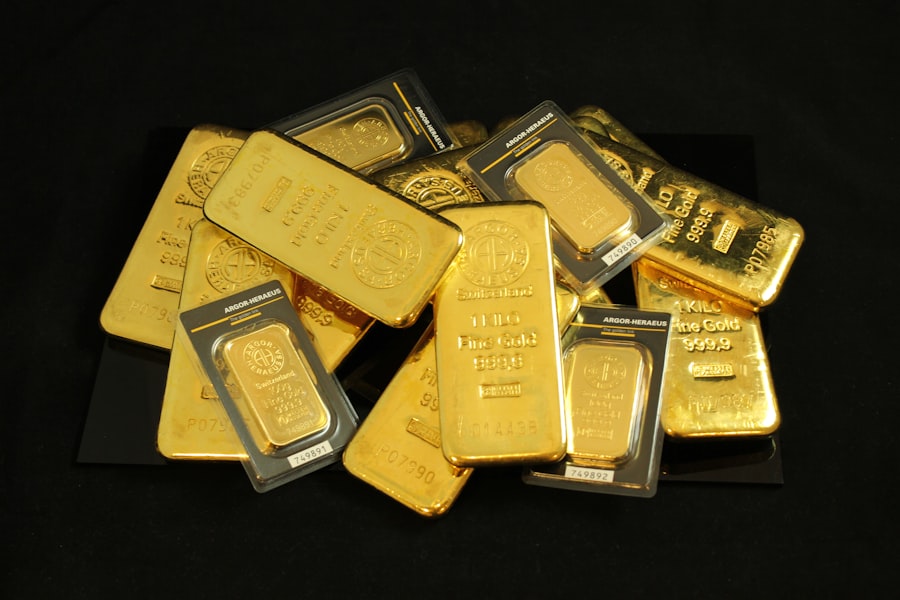
The process through which central banks increase their gold reserves is typically methodical and involves several established channels within the global gold market. While the specific details of individual transactions are often confidential, the general mechanisms are well-understood.
Direct Purchases from Mining Companies
Central banks can engage in direct purchases of gold from large-scale mining companies. This allows for the acquisition of newly mined gold and can be a more straightforward way to secure physical bullion. These transactions are usually conducted at prevailing market prices, with agreements often involving large quantities.
Purchases on the Open Market
A significant portion of central bank gold accumulation occurs through purchases on the open market, primarily through intermediaries such as investment banks and bullion dealers. These transactions are executed with the aim of acquiring physical gold in various forms, including bars and coins, meeting specific purity and weight requirements. The sheer volume of these purchases on the open market can have a noticeable impact on global gold prices.
Over-the-Counter (OTC) Derivatives
Central banks may also utilize over-the-counter (OTC) derivatives contracts to manage their gold exposure. While these instruments do not always involve the immediate physical transfer of gold, they can be used to gain exposure to gold price movements or to hedge existing gold holdings. The use of derivatives allows for greater flexibility in managing the size and timing of their gold exposure.
Bilateral Agreements and Swaps
In some instances, central banks might engage in bilateral agreements or gold swaps with other central banks or financial institutions. These arrangements can facilitate the transfer of gold or provide access to gold without necessarily impacting the open market directly. Such arrangements can be part of broader international cooperation and reserve management strategies.
Central banks around the world have been increasingly focused on gold reserve accumulation as a strategy to bolster their financial stability and diversify their assets. This trend reflects a growing concern over economic uncertainties and the desire to hedge against inflation. For a deeper understanding of the implications of this trend, you can read a related article that explores the motivations behind central banks’ decisions to increase their gold holdings. The article provides valuable insights into how these actions may influence global markets and monetary policy. To learn more, visit this insightful piece.
The Future of Central Bank Gold Holdings
| Year | Country | Gold Reserves (Metric Tons) | Annual Change (Metric Tons) | Percentage of Total Reserves |
|---|---|---|---|---|
| 2023 | China | 2050 | 50 | 3.5% |
| 2023 | Russia | 2300 | 70 | 18.0% |
| 2023 | India | 760 | 30 | 6.0% |
| 2023 | Turkey | 550 | 20 | 20.0% |
| 2023 | United States | 8133 | 0 | 70.0% |
| 2022 | China | 2000 | 40 | 3.3% |
| 2022 | Russia | 2230 | 60 | 17.5% |
| 2022 | India | 730 | 25 | 5.8% |
| 2022 | Turkey | 530 | 15 | 19.5% |
| 2022 | United States | 8133 | 0 | 70.0% |
The ongoing trend of central bank gold accumulation suggests that this asset will continue to play a significant role in their reserve management strategies for the foreseeable future. Several factors indicate a continuation of this pattern, albeit with potential shifts in pace and emphasis.
Continued Economic and Geopolitical Uncertainty
As long as the global economic and geopolitical landscape remains fluid and unpredictable, the appeal of gold as a safe-haven asset is likely to persist. Central banks will remain vigilant in their efforts to safeguard their reserves against unforeseen shocks. This inherent caution fuels the ongoing demand for gold.
Evolving Reserve Management Strategies
Central banks are constantly refining their reserve management strategies in response to changing global dynamics. The emphasis on diversification, inflation hedging, and reducing currency dependence will likely ensure that gold remains a strategic component of these evolving portfolios. It’s a continuous process of adaptation, ensuring their financial bulwarks are robust against the winds of change.
The Role of Emerging Economies
The continued economic growth and increasing global influence of emerging market economies are expected to drive further demand for gold from their central banks. As these nations accumulate more wealth, they will also seek to diversify their reserves and enhance their financial autonomy, with gold being a key tool in this endeavor. Their growing participation in the gold market will undoubtedly shape its future trajectory.
Investor Sentiment and Market Dynamics
While central bank purchases represent a significant driver of gold demand, broader investor sentiment and market dynamics also play a role. Positive news regarding central bank accumulation can, in turn, influence private investor interest, creating a reinforcing cycle of demand. The collective perception of gold’s value is a powerful force in its market.
In conclusion, the persistent and growing accumulation of gold reserves by central banks worldwide is a clear indication of its enduring importance in the global financial system. It is a calculated strategy, driven by a complex interplay of economic, geopolitical, and strategic considerations. As the world economy navigates an era of flux, gold continues to stand as a beacon of stability, a tangible asset that offers a degree of security and resilience in an increasingly uncertain world. The silent flow of gold into central bank vaults is a narrative of prudence, foresight, and a pragmatic approach to safeguarding national wealth.
FAQs
What is central bank gold reserve accumulation?
Central bank gold reserve accumulation refers to the process by which central banks increase their holdings of gold as part of their foreign exchange reserves. This is done to diversify assets, enhance financial stability, and provide a hedge against currency fluctuations and economic uncertainties.
Why do central banks accumulate gold reserves?
Central banks accumulate gold reserves to diversify their reserve portfolios, reduce reliance on any single currency, protect against inflation, and maintain confidence in their financial systems. Gold is considered a safe-haven asset that can preserve value during times of economic or geopolitical instability.
How do central banks acquire gold for their reserves?
Central banks acquire gold through various means, including purchasing gold on the open market, receiving gold as part of international agreements, or through domestic mining operations. They may also buy gold from other central banks or bullion dealers.
How much gold do central banks typically hold?
The amount of gold held by central banks varies widely depending on the country and its economic policies. Some central banks hold thousands of tonnes of gold, while others maintain smaller reserves. The International Monetary Fund (IMF) and World Gold Council regularly publish data on central bank gold holdings.
What impact does central bank gold reserve accumulation have on the global gold market?
Central bank gold reserve accumulation can influence global gold prices and market dynamics. Large purchases by central banks can drive up demand and prices, while sales or lending of gold can increase supply and potentially lower prices. Central bank activities are closely monitored by investors and analysts for their market impact.