
The Arctic, a region once considered an impassable frozen frontier, is increasingly becoming a strategic nexus for global commerce and energy transportation. Within this evolving landscape, Liquefied Natural Gas (LNG) and the Northern Sea Route (NSR) are emerging as intertwined elements, each profoundly impacting the other and shaping future geopolitical and economic trajectories. This article delves into the complexities of navigating this challenging environment, examining the opportunities and obstacles presented by the intersection of LNG transport and the NSR.
The Arctic Ocean, historically impenetrable due to its extensive and perennial ice cover, is experiencing a transformative period. Climate change, manifesting as rising global temperatures, is unequivocally altering the region’s physical characteristics, particularly with regard to sea ice extent and thickness. This environmental shift, while raising significant ecological concerns, is simultaneously opening up new maritime possibilities.
Retreating Ice and Expanding Navigation Windows
The most striking manifestation of Arctic climate change is the dramatic reduction in sea ice. Satellite observations over several decades confirm a persistent decline in both the area and volume of ice. This retreat is not uniform across the Arctic basin; certain sectors, such as the Kara Sea and Laptev Sea along the Russian coast, are experiencing more pronounced and earlier melt seasons. Consequently, the navigation window for unescorted vessels, and even for ice-strengthened ships without dedicated icebreaker assistance, is expanding significantly. Whereas historically this window was limited to a mere few weeks for a select few months, projections suggest it could extend to several months in the near future, potentially even year-round in some segments by mid-century.
The Allure of Shorter Distances and Reduced Transit Times
The primary economic appeal of the NSR lies in its potential to dramatically shorten maritime voyages between Europe and Asia compared to traditional routes via the Suez Canal and the Indian Ocean. For instance, a journey from Norway’s Hammerfest, a major LNG hub, to Asia via the NSR can cut thousands of nautical miles and several days off transit times. These reductions translate directly into lower fuel consumption, decreased operational costs, and faster delivery of goods to market, offering a compelling proposition for shipping companies operating tight schedules and optimizing their supply chains. The metaphorical ‘ice highway’ of the NSR promises a quicker path, a direct artery rather than a circuitous vein.
Geopolitical Implications of a More Accessible Arctic
The opening of the NSR is not merely an economic re-calibration; it is a profound geopolitical shift. Nations with Arctic coastlines, particularly Russia, are actively asserting their sovereignty and developing infrastructure along the route. Russia, with its extensive Arctic territory and significant investments in icebreaker fleets and port facilities, views the NSR as a national shipping artery and a cornerstone of its Arctic strategy. Non-Arctic states are also keenly observing these developments, recognizing the potential for new trade routes, resource exploitation, and strategic competition in a region undergoing rapid transformation.
The Arctic LNG Northern Sea Route has garnered significant attention due to its potential to revolutionize global shipping and energy transportation. For a deeper understanding of the implications and developments surrounding this topic, you can read a related article that explores the environmental and economic impacts of this route. Check it out here: Related Article on Arctic LNG Northern Sea Route.
Liquefied Natural Gas: Riding the Arctic Waves
LNG, a fuel source with a growing global demand, is intrinsically linked to the development of the NSR. The vast hydrocarbon reserves within the Arctic region, particularly those held by Russia, provide a powerful impetus for deploying specialized LNG carriers through these frigid waters.
Arctic Hydrocarbon Resources and Production Hubs
The Arctic holds an estimated 30% of the world’s undiscovered gas reserves and 13% of its undiscovered oil reserves. Russia, boasting the largest proven natural gas reserves globally, has strategically focused on developing major LNG projects in its Arctic territories. The Yamal LNG project, located on the Yamal Peninsula, stands as a prime example. This colossal undertaking involves extracting natural gas, liquefying it at extreme cryogenic temperatures, and then transporting it to markets aboard specialized icebreaking LNG carriers. Similar projects, such as Arctic LNG 2, are further cementing the region’s role as a critical supplier of LNG. These projects are not merely extraction sites; they are complex industrial ecosystems built to withstand and operate in some of the harshest environments on Earth.
The Genesis of Ice-Class LNG Carriers
Transporting LNG through ice-covered waters requires a distinct class of vessel. Traditional LNG carriers, designed for open ocean transit, would be rendered useless by even moderate ice conditions. Thus, the concept of “ice-class” LNG carriers emerged. These vessels are engineering marvels, distinguished by several key features:
- Reinforced Hulls: Their hulls are significantly strengthened, often with thicker steel plating and specialized ice-belt areas, to resist crushing and abrasion from ice.
- Powerful Propulsion Systems: Equipped with multiple powerful thrusters, often Azipods, they can generate immense thrust to break through ice and maneuver effectively in challenging conditions. The ability to pivot these thrusters allows for enhanced maneuverability, including the unique “back-and-forth” icebreaking technique.
- Advanced Navigation and Ice-Monitoring Systems: Sophisticated radar, sonar, and satellite communication systems provide real-time information on ice conditions, enabling crews to plot optimal routes and avoid hazardous floes.
- Winterization Features: All onboard systems, from engine cooling to crew facilities, are designed to operate efficiently and safely in extreme sub-zero temperatures.
These vessels are the literal “icebreakers” in more ways than one, enabling a new era of Arctic shipping.
The Economic Drivers for Arctic LNG Transport
The economic rationale for employing ice-class LNG carriers on the NSR is multi-faceted. Firstly, the proximity of Arctic LNG production sites to the NSR makes it the most direct and, therefore, potentially the most cost-effective route to major Asian and European markets. This directness reduces fuel burn and transit time compared to the circuitous southern routes. Secondly, as global demand for natural gas continues to rise, driven by energy transition initiatives and the need for cleaner-burning fuels, Arctic LNG projects offer a substantial and reliable supply. The ability to deliver this supply efficiently via the NSR underpins the economic viability of these multi-billion-dollar investments. The ice-class LNG carrier is not just a mode of transport; it is a critical artery for the lifeblood of these vast energy projects.
Navigational Challenges: Confronting the Arctic’s Fury
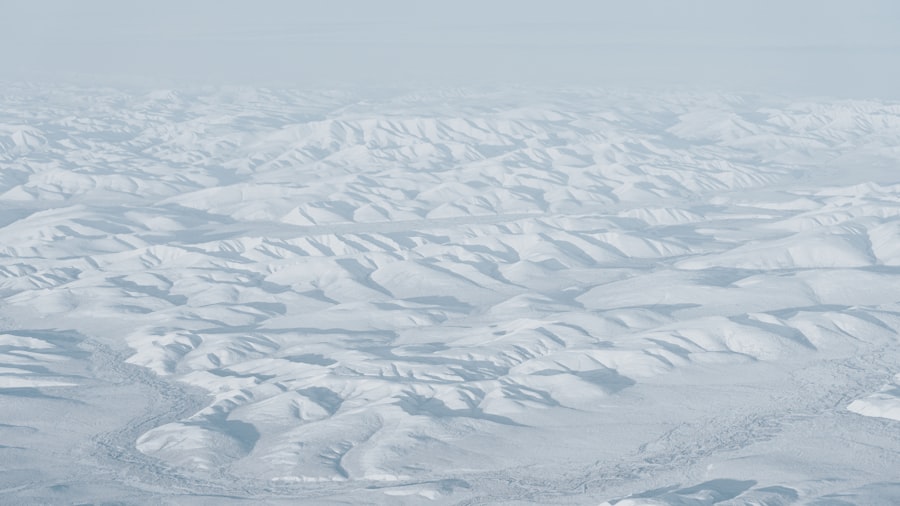
Despite the retreating ice, the Arctic remains an exceptionally demanding environment for navigation. The NSR, while offering significant advantages, also presents a unique array of challenges that require specialized expertise, technology, and robust operational protocols.
Unpredictable Ice Conditions and Their Variability
Even with climate change, ice conditions along the NSR are highly variable and notoriously unpredictable. Ice extent and thickness can change rapidly due due to ocean currents, strong winds, and shifting temperatures. Multi-year ice, often significantly thicker and stronger than first-year ice, can pose a particularly severe threat to even ice-strengthened vessels. Forecasting ice conditions accurately and far in advance remains a significant scientific and operational hurdle. Vessels must be prepared for dynamic environments where a clear path one day can become impassable the next.
Extreme Weather, Limited Infrastructure, and Remoteness
Beyond ice, the Arctic’s weather is relentlessly harsh. Gales, blizzards, freezing fog, and prolonged periods of darkness during the polar night pose considerable challenges to navigation, crew safety, and operational efficiency. The sheer remoteness of the NSR further exacerbates these issues. Infrastructure along much of the route is sparse, with limited port facilities, repair capabilities, and emergency response resources. In the event of an incident such as a grounding or mechanical failure, assistance can be days, or even weeks, away. This remoteness demands a high degree of self-sufficiency and robust contingency planning for any vessel traversing these waters.
The Need for Icebreaker Escorts and Dedicated Services
For much of the year, and for many vessel types, operation along the NSR necessitates the accompaniment of powerful nuclear-powered icebreakers, primarily operated by Russia. These icebreakers carve pathways through the ice, ensuring safe passage for convoys of cargo ships, including LNG carriers. While icebreaking services are crucial for safety and operational continuity, they come with significant costs, including tariffs for their assistance and potential delays if convoys form. Furthermore, the availability and scheduling of icebreakers can influence transit times. Along with icebreaker escorts, specialized services in areas like meteorological forecasting, navigation assistance, and emergency response are vital, forming a complex logistical web to enable safe passage.
Environmental Stewardship: Treading Lightly in a Fragile Ecosystem
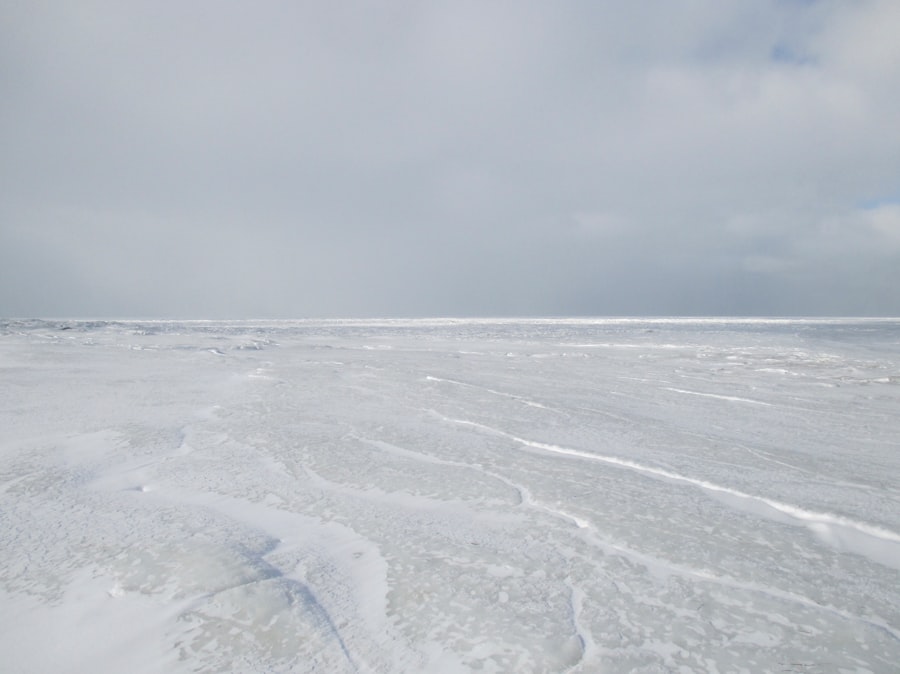
The increased maritime traffic along the NSR, particularly involving substances like LNG, raises profound environmental concerns. The Arctic ecosystem is remarkably fragile, and even minor incidents could have disproportionately severe and long-lasting impacts.
The Risk of Spills and Their Unique Arctic Consequences
While LNG, being lighter than air and relatively non-toxic in its gaseous state, is considered less environmentally damaging than oil in the event of a spill, potential impacts are still significant. A large-scale release of LNG into cold Arctic waters could lead to rapid vaporization, forming large vapor clouds posing explosion and asphyxiation risks. Furthermore, exposure to cryogenic LNG could harm marine life through freezing and oxygen depletion in the immediate area. The sheer remoteness of the Arctic and the logistical challenges of responding to a spill in ice-covered waters mean that any clean-up or mitigation efforts would be exceptionally difficult and prolonged. The ripple effects of even localized environmental damage can reverberate through a finely balanced ecosystem.
Ballast Water, Noise Pollution, and Disturbance of Marine Life
Beyond the immediate concerns of cargo spills, increased shipping inherently brings other environmental pressures. The discharge of ballast water, often taken on in distant ports, carries the risk of introducing invasive species into the pristine Arctic environment, potentially disrupting local food webs and ecosystems. Noise pollution from powerful engines and icebreaking operations can disturb marine mammals, such as whales and seals, which rely on sound for navigation, communication, and hunting. The physical presence of vessels can also affect migratory patterns and breeding grounds, particularly in critical habitats. These are silent threats, yet their cumulative impact can be substantial.
International and National Regulations for Arctic Shipping
Recognizing these environmental vulnerabilities, a framework of international and national regulations is evolving to govern Arctic shipping. The International Maritime Organization’s (IMO) Polar Code, which came into force in 2017, establishes mandatory safety and environmental provisions for ships operating in polar waters. This code addresses aspects such as ship design and construction, operational procedures, crew training, and environmental protection measures. Nations with Arctic coastlines, particularly Russia, also implement their own stringent national rules and permitting processes for transit through their territorial waters along the NSR. Adhering to this complex web of regulations is critical for ensuring responsible Arctic navigation.
The Arctic LNG Northern Sea Route has garnered significant attention due to its potential to reshape global shipping and energy markets. A related article discusses the environmental implications and geopolitical dynamics associated with this emerging route, highlighting the balance between economic opportunity and ecological responsibility. For more insights on this topic, you can read the full article here.
The Future Trajectory: LNG, the NSR, and Global Dynamics
| Metric | Value | Unit | Notes |
|---|---|---|---|
| Distance Reduction (Europe to Asia) | 40-50 | Percent | Compared to traditional Suez Canal route |
| Arctic LNG Production Capacity | 19.8 | Million tons per annum (MTPA) | Yamal LNG project capacity |
| Ice Thickness in Northern Sea Route | 0.5 – 2 | meters | Varies seasonally, affects navigation |
| Navigation Season Length | 4-6 | Months | Typically from July to November |
| Number of LNG Carriers Using Route (2023) | 50+ | Ships | Estimated annual transit via Northern Sea Route |
| Average Transit Time (Europe to Asia) | 10-14 | Days | Via Northern Sea Route |
| CO2 Emission Reduction | 20-30 | Percent | Due to shorter route and fuel savings |
The confluence of LNG transport and the Northern Sea Route is not a static phenomenon; it is a dynamic process shaped by evolving climate, technology, economics, and geopolitics. The future trajectory of this Arctic nexus will have far-reaching implications for global energy markets, shipping logistics, and international relations.
Technological Advancements and Their Role in Arctic Operations
Ongoing technological innovation is poised to further enhance the safety and efficiency of Arctic LNG transport. Advancements in ice forecasting, such as more sophisticated satellite imagery and predictive modeling, will provide richer, real-time insights into ice conditions. Autonomous or semi-autonomous navigation systems, integrated with AI, could optimize routing and vessel operations in challenging conditions. The development of even more robust and energy-efficient ice-class vessel designs – perhaps incorporating novel hull forms or propulsion technologies – will push the boundaries of Arctic operability. Furthermore, alternative fuels and propulsion systems for Arctic shipping, aimed at reducing greenhouse gas emissions, are a key area of research and development, seeking to decarbonize this increasingly important route.
Economic Viability and Market Demand for Arctic LNG
The long-term economic viability of Arctic LNG transport via the NSR hinges on several factors. Sustained global demand for natural gas, particularly in Asian markets, is paramount. The competitive landscape for LNG, including pricing and supply from other regions, will influence the attractiveness of Arctic sources. Crucially, the cost-benefit analysis of using the NSR versus alternative routes must remain favorable, factoring in icebreaking fees, insurance costs, and the inherent risks of Arctic operations. As ice recedes further, potentially reducing the need for continuous icebreaker escorts, the economic proposition of the NSR could become even more compelling, shifting the balance in its favour.
Geopolitical Cooperation and Competition in a Thawing Arctic
The future of the Arctic, and specifically the NSR, is inextricably linked to geopolitical dynamics. While there are areas of cooperation, particularly in scientific research and search and rescue efforts, competition for resources and influence is also evident. Arctic states, alongside interested non-Arctic nations, will continue to assert their interests, leading to complex negotiations over governance, resource extraction, and navigation rights. The balance between cooperation for mutual benefit and strategic competition for dominance will define the political environment of the thawing Arctic. The NSR, as a major conduit for valuable resources, will remain a focal point of this evolving geopolitical landscape, a strategic chessboard where economic and political power play out on a global scale.
FAQs
What is the Arctic LNG project?
The Arctic LNG project refers to the development and operation of liquefied natural gas (LNG) facilities located in the Arctic region, primarily aimed at extracting and exporting natural gas from Russia’s Arctic territories.
What is the Northern Sea Route?
The Northern Sea Route (NSR) is a shipping lane that runs along the Russian Arctic coast from the Kara Sea to the Bering Strait. It offers a shorter maritime path between Europe and Asia compared to traditional routes through the Suez Canal.
How does the Northern Sea Route benefit Arctic LNG exports?
The Northern Sea Route significantly reduces shipping distances and transit times for LNG carriers traveling between Arctic LNG facilities and markets in Asia and Europe, lowering transportation costs and improving supply chain efficiency.
What challenges are associated with using the Northern Sea Route for LNG transport?
Challenges include harsh Arctic weather conditions, sea ice variability, limited infrastructure and search-and-rescue capabilities, environmental concerns, and regulatory complexities related to navigation and environmental protection.
Why is the Arctic region important for global LNG supply?
The Arctic region holds vast reserves of natural gas, and its development through projects like Arctic LNG contributes to diversifying global energy supplies, meeting growing demand, and enhancing energy security for importing countries.