
The geopolitical race for Antarctic resources has emerged as a significant focal point in international relations, driven by the continent’s untapped wealth and strategic importance. As nations grapple with dwindling resources and increasing demands for energy, minerals, and fisheries, Antarctica stands out as a frontier rich in potential. The allure of its vast reserves has ignited competition among countries, each vying for a stake in this pristine yet fragile environment.
The implications of this race extend beyond mere economic interests; they encompass environmental concerns, legal complexities, and the potential for both conflict and cooperation among nations. As the global landscape shifts, the significance of Antarctica is magnified by the effects of climate change, which are altering the region’s ecosystem and making resources more accessible. The melting ice caps are not only revealing previously hidden treasures but also raising questions about sovereignty and rights to exploit these resources.
This article delves into the historical context of Antarctic exploration, the economic potential of its resources, the legal frameworks governing exploitation, and the roles of international treaties. It also examines the major players in this geopolitical race, environmental concerns, and the future trajectory of resource competition in Antarctica.
Key Takeaways
- The race for Antarctic resources is driven by the potential economic value of the region’s untapped natural resources.
- International treaties and agreements play a crucial role in governing Antarctic resource exploitation and promoting cooperation among countries.
- Major players in the geopolitical race for Antarctic resources include countries like China, Russia, and the United States, as well as multinational corporations.
- Environmental concerns and conservation efforts in Antarctica are increasingly important as the region faces the impact of climate change and increased human activity.
- The future of the geopolitical race for Antarctic resources will be shaped by the strategies and tactics employed by countries, as well as the potential for conflict and cooperation in the region.
History of Antarctic Exploration and Resource Exploitation
The history of Antarctic exploration is a tale of human curiosity and ambition, marked by a series of expeditions that sought to unveil the mysteries of this remote continent. The first recorded sighting of Antarctica occurred in 1820, when a Russian expedition led by Fabian Gottlieb von Bellingshausen and Mikhail Lazarev spotted the landmass. This moment marked the beginning of a new era in exploration, as nations began to recognize the potential significance of Antarctica.
Over the following decades, explorers such as Ernest Shackleton and Robert Falcon Scott ventured into the harsh conditions of the continent, driven by scientific inquiry and national pride. As exploration progressed, so too did the interest in exploiting Antarctica’s resources. The early 20th century saw the rise of whaling and sealing industries, which capitalized on the abundant marine life surrounding the continent.
These activities laid the groundwork for future resource exploitation, but they also sparked debates about sustainability and conservation. The exploitation of these natural resources raised ethical questions about humanity’s responsibility to protect such an untouched environment. The legacy of these early endeavors continues to shape contemporary discussions about resource management in Antarctica.
The Potential Economic Value of Antarctic Resources
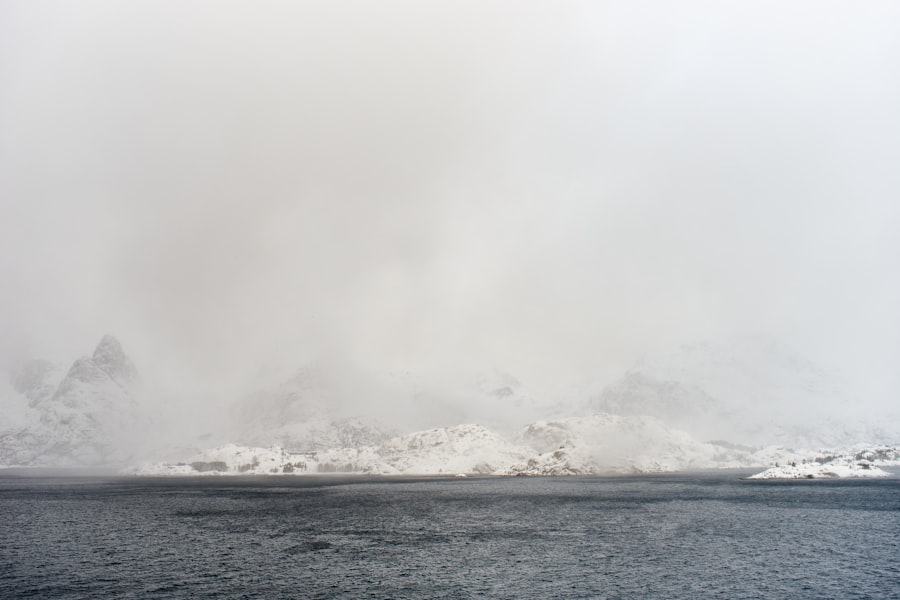
Antarctica is believed to harbor vast reserves of natural resources that could significantly impact global economies. Among these are minerals such as gold, silver, copper, and rare earth elements, which are essential for modern technology and renewable energy solutions. Additionally, the continent’s surrounding waters are rich in marine life, including fish species that are highly sought after in international markets.
The potential economic value of these resources has prompted nations to consider their strategic importance in an increasingly competitive global landscape. The prospect of tapping into these resources raises questions about economic viability and sustainability. While some countries view resource extraction as a pathway to economic growth, others caution against the environmental consequences that could arise from such activities.
The balance between economic gain and ecological preservation remains a contentious issue, as stakeholders grapple with the long-term implications of exploiting Antarctica’s wealth. As nations weigh their options, the potential for economic development must be carefully considered alongside environmental stewardship.
The Legal Framework Governing Antarctic Resource Exploitation
| Aspect | Description |
|---|---|
| Treaty System | The Antarctic Treaty System prohibits any measures of a military nature, such as the establishment of military bases and the carrying out of military maneuvers. |
| Protocol on Environmental Protection | The Protocol on Environmental Protection to the Antarctic Treaty sets out environmental principles, procedures for environmental impact assessments, and a ban on all commercial mineral resource activities. |
| Convention on the Regulation of Antarctic Mineral Resource Activities | The Convention on the Regulation of Antarctic Mineral Resource Activities establishes a comprehensive regime for the regulation of mining in Antarctica, including environmental protection, monitoring, and compliance. |
| International Seabed Authority | The International Seabed Authority has jurisdiction over mineral-related activities in the Area, including the continental shelf and the deep seabed in Antarctica. |
The legal framework governing Antarctic resource exploitation is complex and multifaceted, primarily shaped by international treaties and agreements designed to protect the continent’s unique environment. The Antarctic Treaty System (ATS), established in 1961, serves as the cornerstone of this legal framework. It emphasizes that Antarctica should be used for peaceful purposes and scientific research while prohibiting military activity and mineral mining.
This treaty has been instrumental in maintaining a collaborative approach to governance in a region often viewed as a global commons. However, as interest in resource extraction grows, questions arise about the adequacy of existing legal structures. The Protocol on Environmental Protection to the Antarctic Treaty, adopted in 1991, further reinforces environmental protections but does not explicitly address mineral resource exploitation.
This ambiguity has led to calls for a more comprehensive legal framework that can effectively manage competing interests while safeguarding Antarctica’s fragile ecosystem. As nations navigate these legal complexities, the challenge lies in balancing resource development with environmental conservation.
The Role of International Treaties and Agreements in the Race for Antarctic Resources
International treaties and agreements play a pivotal role in shaping the dynamics of the geopolitical race for Antarctic resources.
By promoting scientific collaboration and peaceful coexistence, these treaties have helped mitigate tensions that could arise from competing claims over resources.
In addition to the Antarctic Treaty itself, various agreements address specific issues related to environmental protection and resource management. For instance, the Convention on the Conservation of Antarctic Marine Living Resources (CCAMLR) aims to ensure sustainable fishing practices while protecting marine ecosystems. These agreements reflect a growing recognition among nations that collaboration is essential for addressing shared challenges in Antarctica.
However, as resource demands increase, there is a pressing need for ongoing dialogue and negotiation to adapt these treaties to evolving circumstances.
Major Players in the Geopolitical Race for Antarctic Resources
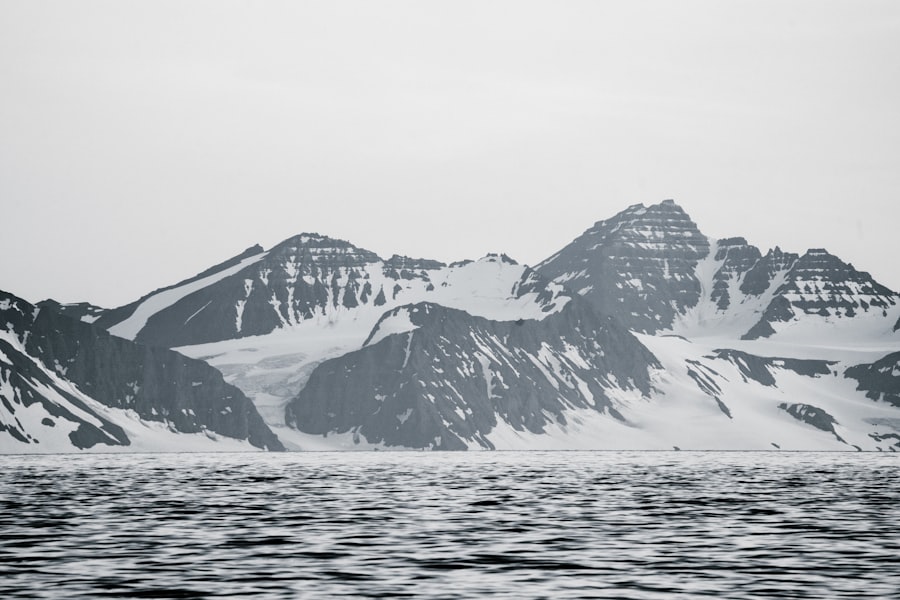
The geopolitical race for Antarctic resources involves several key players, each with distinct interests and motivations. Countries such as Australia, Argentina, Chile, and New Zealand have long-standing territorial claims and scientific research programs in Antarctica. Their historical presence on the continent positions them as influential stakeholders in discussions about resource management and environmental protection.
Emerging powers like China have also entered the fray, significantly increasing their presence through research stations and investment in scientific initiatives. China’s growing interest in Antarctic resources has raised concerns among traditional powers about potential challenges to established norms and governance structures. Additionally, nations like Russia have expressed intentions to expand their influence in Antarctica, further complicating the geopolitical landscape.
As these major players navigate their interests, their actions will shape the future trajectory of resource competition in this unique region.
Environmental Concerns and Conservation Efforts in Antarctica
Environmental concerns are at the forefront of discussions surrounding resource exploitation in Antarctica. The continent’s delicate ecosystem is home to unique flora and fauna that have adapted to extreme conditions over millennia. The potential impacts of resource extraction—such as habitat destruction, pollution, and disruption of marine life—pose significant threats to this fragile environment.
Conservation efforts have gained momentum as awareness of these issues has grown. Various organizations and research initiatives focus on monitoring environmental changes and advocating for sustainable practices in Antarctica. The establishment of marine protected areas (MPAs) aims to safeguard critical habitats while allowing for scientific research and limited resource use.
These conservation measures reflect a commitment to preserving Antarctica’s ecological integrity amid increasing pressures from resource demands.
The Impact of Climate Change on the Race for Antarctic Resources
Climate change is reshaping the dynamics of the geopolitical race for Antarctic resources in profound ways.
This phenomenon not only heightens interest in resource extraction but also raises concerns about environmental degradation and its long-term consequences.
The effects of climate change extend beyond resource availability; they also influence geopolitical relationships among nations with interests in Antarctica. As countries grapple with shifting ecosystems and changing weather patterns, collaboration becomes essential for addressing shared challenges such as rising sea levels and biodiversity loss. The interplay between climate change and resource competition underscores the need for a holistic approach that prioritizes both economic development and environmental sustainability.
Strategies and Tactics Employed by Countries in the Race for Antarctic Resources
Countries engaged in the geopolitical race for Antarctic resources employ various strategies and tactics to assert their interests while navigating complex legal frameworks. Diplomatic engagement plays a crucial role as nations seek to build alliances and strengthen their positions within international forums focused on Antarctic governance. In addition to diplomacy, countries may invest in scientific research to bolster their claims over specific regions or resources.
By conducting research expeditions and establishing permanent research stations, nations can demonstrate their commitment to scientific inquiry while simultaneously asserting territorial claims. This dual approach allows countries to position themselves as responsible stewards of Antarctica while pursuing their economic interests.
The Potential for Conflict and Cooperation in the Race for Antarctic Resources
The geopolitical race for Antarctic resources presents both opportunities for conflict and avenues for cooperation among nations. As competing interests collide over access to valuable resources, tensions may arise that threaten stability in the region. Historical grievances and territorial disputes could exacerbate these conflicts if not managed through diplomatic channels.
Conversely, there is significant potential for cooperation among nations committed to preserving Antarctica’s unique environment while exploring sustainable resource management practices. Collaborative scientific research initiatives can foster goodwill among countries with competing interests, creating opportunities for dialogue and shared understanding. By prioritizing cooperation over competition, nations can work together to address common challenges while safeguarding Antarctica’s ecological integrity.
The Future of the Geopolitical Race for Antarctic Resources
The future of the geopolitical race for Antarctic resources remains uncertain as nations navigate complex legal frameworks, environmental concerns, and shifting geopolitical dynamics. As interest in resource extraction continues to grow amid rising global demands, there is an urgent need for comprehensive governance structures that can effectively balance economic development with environmental protection. The trajectory of this race will depend on how countries choose to engage with one another—whether through conflict or cooperation will shape not only their individual futures but also that of Antarctica itself.
As climate change continues to alter the landscape of opportunities and challenges within this region, it is imperative that nations prioritize sustainable practices that honor both their economic aspirations and their responsibility to protect one of Earth’s last frontiers. In doing so, they can ensure that Antarctica remains a place of scientific discovery rather than a battleground for resource exploitation.
In recent years, the geopolitical race for Antarctic resources has intensified, with nations vying for access to the continent’s untapped reserves of minerals and hydrocarbons. This competition is not only about economic gain but also about strategic positioning in a region that is becoming increasingly important due to climate change and shifting global power dynamics. An insightful article that delves into the complexities of this geopolitical struggle can be found on Real Lore and Order. For a deeper understanding of the various factors at play in this high-stakes race, you can read more about it here.
WATCH THIS 🧊The US Military Confirmed It: What’s REALLY Under the Antarctic Ice?
FAQs
What is the geopolitical race for Antarctic resources?
The geopolitical race for Antarctic resources refers to the competition among various countries and entities to access and exploit the natural resources, such as minerals, oil, and gas, that are believed to exist in the Antarctic region.
Which countries are involved in the geopolitical race for Antarctic resources?
Several countries, including the United States, Russia, China, Australia, and several European nations, are involved in the geopolitical race for Antarctic resources. Additionally, there are also non-state actors and private companies seeking to exploit the resources in the region.
What are the potential resources in Antarctica that are driving the geopolitical race?
The potential resources in Antarctica that are driving the geopolitical race include minerals such as coal, iron ore, copper, gold, and rare earth elements, as well as oil and gas reserves that are believed to exist in the region.
What is the legal framework governing the exploitation of Antarctic resources?
The exploitation of Antarctic resources is governed by the Antarctic Treaty System, which prohibits any mining activities in the region until at least 2048. However, some countries and entities are exploring the possibility of exploiting the resources once the moratorium expires.
What are the environmental concerns associated with the geopolitical race for Antarctic resources?
The environmental concerns associated with the geopolitical race for Antarctic resources include the potential for habitat destruction, pollution, and the impact on the delicate ecosystems and wildlife in the region. There are also concerns about the potential for oil spills and other environmental disasters.