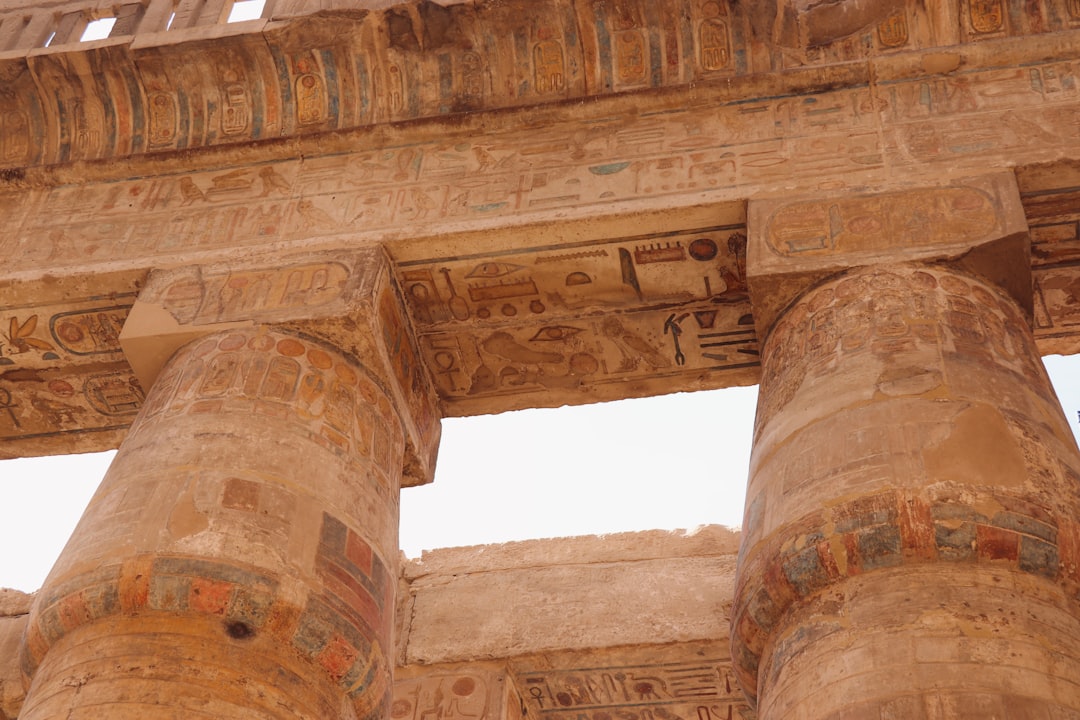
The enduring monuments of ancient Egypt, particularly their intricate stone carvings, continue to captivate researchers and the public alike. The precision and scale of these works often provoke contemplation regarding the technological capabilities available to their creators. While popular narratives may lean towards fantastical explanations, a closer examination of archaeological and experimental evidence reveals a sophisticated understanding of materials, geometry, and engineering principles. This article explores the methods and technologies likely employed by the ancient Egyptians in their stone carving, moving beyond simplistic explanations to delve into the practical challenges and ingenious solutions of a civilization that mastered monumental art.
The selection and acquisition of stone for carving were foundational to any project, representing a significant logistical undertaking. The Egyptians sourced a variety of stones, each possessing distinct properties that influenced their workability and aesthetic appeal.
Quarrying Techniques: Extracting the Giants
The process of extracting massive blocks of stone from quarries, often located hundreds of kilometers from construction sites, speaks volumes about their organizational prowess.
Soft Stone Extraction: The Power of Copper and Water
For softer stones like limestone and sandstone, the Egyptians employed relatively straightforward techniques. Copper tools, though softer than stone, were effective when used with abrasive sands. This method involved repetitive striking and scraping.
- Pounding and Wedging: Blocks were often delineated by pounding channels around them using dolerite pounders. Wedges, typically made of wood, were then driven into pre-cut slots. When soaked with water, the wood expanded, splitting the stone along natural fault lines or engineered weaknesses. This method allowed for controlled fracturing, especially for larger blocks.
- Abrasive Slurries: The application of abrasive sands (such as quartz or emery) mixed with water dramatically increased the efficacy of copper tools. The grit would embed itself into the copper, enhancing its cutting power.
Hard Stone Quarrying: The Challenge of Granite and Basalt
The extraction of harder igneous and metamorphic stones, such as granite, basalt, and diorite, presented a far greater challenge, requiring more specialized tools and techniques.
- Dolerite Pounders: For shaping and detaching blocks of granite, large, dense balls of dolerite were extensively used. These hammer-like tools, wielded by multiple workers, were used to pound and abrade the surface of the stone, gradually crumbling it away. The absence of metal marks on many hard stone quarry faces suggests this percussive method was primary.
- Heat Fracturing (Speculative): While not definitively proven for large-scale quarrying, some researchers propose that controlled heating and rapid cooling of hard stone surfaces could induce thermal stress, leading to fracturing. However, evidence for widespread application of this technique in quarrying operations remains scarce.
- Limited Use of Copper Saws (for Hard Stone): While copper saws could be used on soft stones with abrasive agents, their effectiveness on hard stones was severely limited. The rate of wear on copper against granite, even with abrasives, would have been extremely high, making it uneconomical for large-scale extraction.
Transportation: Moving Mountains
Once extracted, these massive blocks, sometimes weighing tens or even hundreds of tons, needed to be transported. The Nile River served as the primary artery for long-distance transport.
- River Barges: Specially constructed barges, some of immense size, were used to float stone blocks down the Nile. Depictions show these vessels loaded with colossal statues and obelisks, navigated by teams of rowers.
- Sledges and Ramps: For overland transport from quarries to the river and from the river to construction sites, sledges were the predominant method. These wooden platforms, often lubricated with water or mud along their path, were pulled by large teams of laborers. Ramps, built from earthen fill and sometimes reinforced with rubble, facilitated elevation changes.
Ancient Egyptian stone carving is a fascinating subject that raises questions about the technological capabilities of civilizations thousands of years ago. For those interested in exploring this topic further, a related article can be found at Real Lore and Order, which delves into the mysteries surrounding the advanced techniques used in the creation of monumental sculptures and intricate hieroglyphics. This resource provides insights into the tools and methods that may have been employed by ancient artisans, shedding light on the potential high technology that existed in ancient Egypt.
Tooling and Techniques for Precision Carving
The finishing and detailed carving of stone, particularly on harder materials, required an array of tools and a deep understanding of stone properties. The evidence suggests a gradual evolution in tooling technology.
The Role of Copper and Bronze: Early Innovations
In the Predynastic and Early Dynastic periods, copper was the primary metal for tools. Its relative softness meant a reliance on abrasive techniques.
Chisels and Drills with Abrasives
- Copper Chisels: Copper chisels, though prone to blunting, were effectively used with abrasive powders for line cutting and shallow reliefs in softer stones. The repeated sharpening and use would have been labor-intensive.
- Bow Drills: The bow drill, a fundamental tool in ancient Egypt, was adapted for stone working. A copper tube, rotated by a bow, would create a circular cut when used with abrasive sand and water. This allowed for the creation of holes, depressions, and even the removal of large sections of material by drilling multiple contiguous holes.
- Core Drills: The characteristic drill marks found on hard stone vessels and sarcophagi often exhibit a central core, indicating the use of tubular drills. These drills, likely made of copper or bronze, were rotated with abrasive slurries, effectively cutting a circular groove and leaving a central plug of material.
The Advent of Bronze: Enhanced Durability
With the introduction of bronze (an alloy of copper and tin), tools gained significant hardness and durability. This allowed for more efficient cutting and shaping, particularly for semi-hard stones like diorite and granite in later periods.
Hammer-Driven Chisels and Mallets
- Bronze Chisels: Bronze chisels, impact-driven by wooden mallets, offered superior performance to their copper predecessors. They could be used for more intricate detail work and for shaping harder materials, though still requiring frequent resharpening and abrasive assistance for granite.
- Punching and Pecking: For particularly hard stones, a technique of punching or pecking the surface was employed to remove material. This involved using a pointed chisel or a hammer to break off small fragments, gradually shaping the stone.
The Mystery of the “Impossible” Materials: Diorite and Granite Mastery
The working of extremely hard stones like diorite, known for its Mohs hardness of 6-7, has long puzzled researchers. The precise bowls and statues crafted from these materials seem to defy the capabilities of early tooling.
Persistent Abrasion: The Unsung Hero
- Quartzite Grinding: It is largely accepted that sustained abrasion with harder abrasive materials like quartzite or emery was a key technique. For instance, shaping a diorite bowl would involve prolonged grinding with a harder stone implement, perhaps weighted, and copious amounts of abrasive grit mixed with water. This was a monumental effort of time and labor, a testament to endurance.
- Polishing: After shaping, the surfaces were meticulously polished. This process, often involving fine abrasive powders and polishing blocks, resulted in the characteristic smooth, lustrous finish evident on many Egyptian artifacts.
Advanced Design and Planning: The Blueprint of Eternity
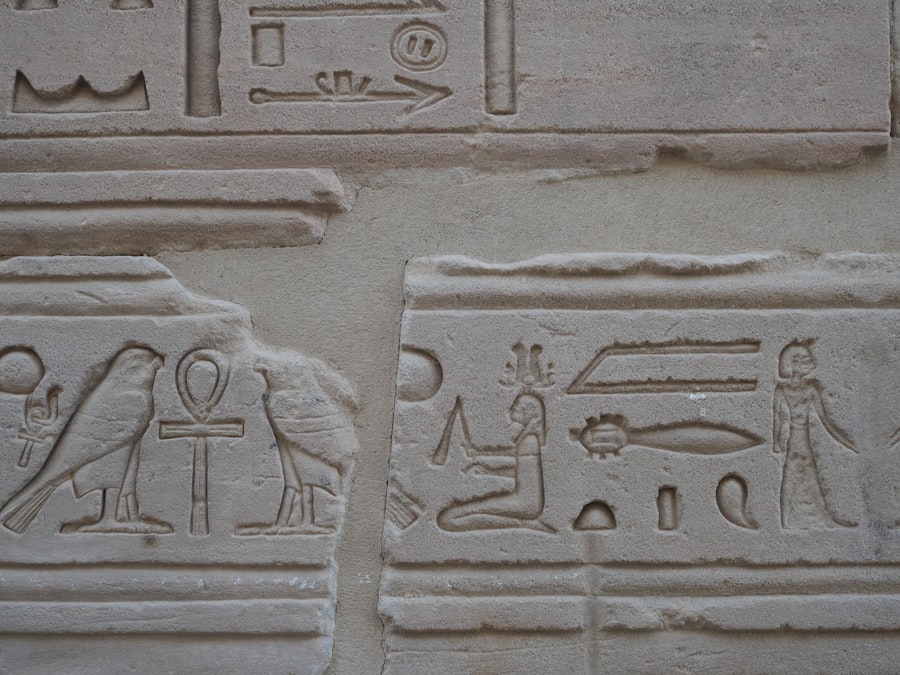
The scale and intricate detail of Egyptian stone carving were not accidental; they were the result of meticulous planning and sophisticated design principles.
Mathematical Precision: Geometry in Stone
The Egyptians possessed a profound understanding of practical geometry, which was crucial for their architectural and artistic endeavors.
Layout and Proportioning Systems
- Grid Systems: Carvers often utilized grid systems to transfer designs from papyrus scrolls or ostraca onto stone surfaces. These grids helped maintain proportions, especially for human figures, ensuring consistency and accuracy across multiple artisans working on a single project.
- Reference Lines: Straight lines, plumb lines, and right angles were consistently employed for foundational layout. The use of simple but effective tools like cubit rods, plumb bobs, and set squares enabled precise marking.
- Canonical Proportions: Egyptian art adhered to strict canons of proportion, particularly for human figures. These established ratios, applied through the grid system, ensured a standardized and instantly recognizable artistic style over millennia.
Use of Scribe and Relief Carving Techniques
- Sunk Relief (Incised Relief): This technique was particularly common in external temple decorations, especially in bright sunlight. The outlines of the figures were deeply incised into the stone, and the background left untouched. This created sharp shadows that made the images stand out clearly.
- Raised Relief (Bas-Relief): In this technique, the background was cut away, leaving the figures standing out in relief. This more time-consuming method was often reserved for internal temple walls and tombs, where lighting was more controlled and details could be appreciated.
Engineering Ingenuity: Overcoming Structural Challenges
Beyond aesthetics, engineering principles were vital for the stability and longevity of stone monuments.
Understanding Stone Mechanics
- Load-Bearing Considerations: Scribes and architects would have understood the load-bearing capacities of different stones, designing structures that could withstand the immense weight of overlying blocks.
- Jointing Techniques: Precision in cutting and fitting stone blocks was paramount. The use of interlocking joints and carefully matched surfaces, sometimes without mortar, ensured structural integrity. The “dry stack” method, where stones fit so precisely that a knife blade cannot be inserted, is a testament to their exceptional craftsmanship.
The Role of Templates and Models
- Three-Dimensional Models: For complex carvings, such as statues, small-scale models were likely created first. These models served as guides, allowing sculptors to visualize the final form and ensure accuracy before committing to the full-size stone block.
- Templates for Repetitive Elements: For repetitive architectural elements or hieroglyphic inscriptions, templates would have been used to ensure consistency across vast surfaces.
The Human Factor: Workforce and Organization
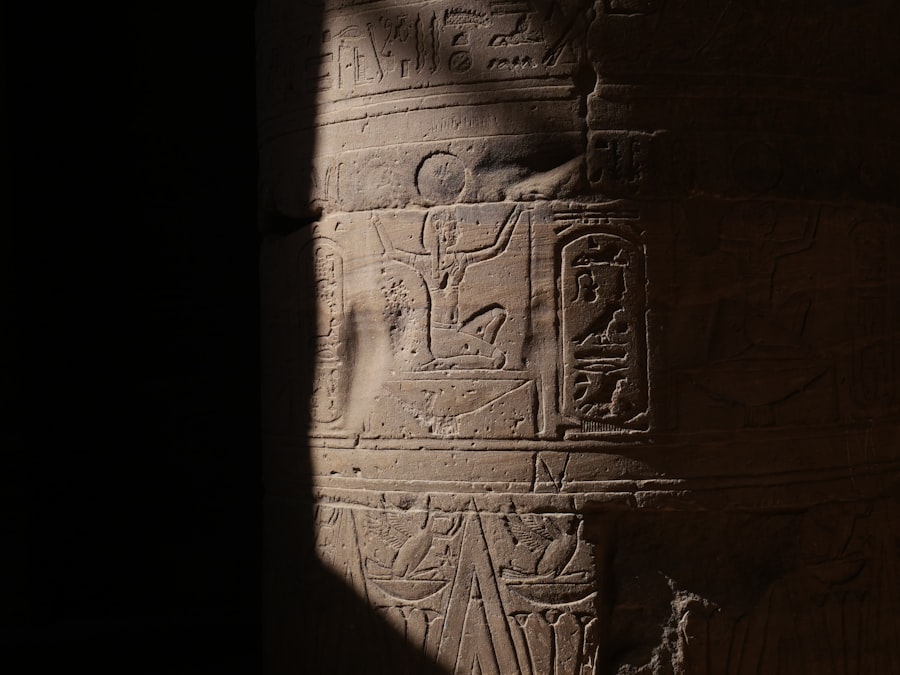
The sheer scale of Egyptian stone carving projects necessitates a highly organized and skilled workforce. It is crucial to dispel the myth of solely slave labor and understand the societal structure that supported these monumental undertakings.
A Structured Workforce: Beyond the Whip and Chain
While forced labor certainly existed within Egyptian society, the vast majority of monumental construction and carving projects relied on skilled craftsmen and seasonal laborers.
Specialized Artisans and Apprenticeships
- Master Craftsmen: Highly skilled master sculptors and stone carvers led teams of artisans. Their expertise was invaluable in executing complex designs and ensuring quality.
- Apprenticeship System: Skills were passed down through generations via a well-established apprenticeship system. Young individuals would learn the craft by assisting and observing experienced artisans, gradually mastering techniques.
- Specialized Roles: Different teams likely specialized in specific tasks: quarrymen, transporters, rough shapers, relief carvers, and polishers. This division of labor contributed to efficiency.
Seasonal Labor and State Organization
- Corvée Labor: During the annual inundation of the Nile, when agricultural work was suspended, large numbers of able-bodied men were conscripted for state projects, including quarrying and construction. This “corvée” labor was a form of taxation or public service, compensated with food, lodging, and sometimes clothing.
- Logistical Support: The state was responsible for organizing and provisioning these vast workforces, ensuring a steady supply of food, water, tools, and raw materials. This logistical undertaking was itself a marvel of ancient administration.
The Role of Superstition and Ritual
While practical considerations were paramount, the spiritual and ritualistic aspects of stone carving were deeply embedded in ancient Egyptian culture.
Sanctioned by the Gods
- Divine Patronage: Many carving projects, particularly those for temples and royal tombs, were undertaken under the patronage of pharaohs, who were viewed as gods on Earth. The act of creation was intertwined with divine will and cosmic order.
- Religious Significance: Carved images and texts were not merely decorative; they were imbued with magical and religious power, intended to ensure the well-being of the deceased, placate deities, and perpetuate the pharaoh’s reign.
Ritualistic Dedication
- Opening of the Mouth Ceremony: For statues and relief figures, the “Opening of the Mouth” ceremony was a vital ritual. It was believed to animate the statue, allowing it to receive offerings and act as a conduit for the divine.
The fascinating world of ancient Egyptian stone carving has long intrigued historians and archaeologists, particularly regarding the advanced techniques that may have been employed. A related article explores these intriguing aspects of ancient high technology, shedding light on the precision and artistry involved in creating monumental structures and intricate carvings. For those interested in delving deeper into this captivating subject, you can read more about it in this insightful piece on ancient high technology.
Lessons from Experimental Archaeology
| Metric | Value | Description |
|---|---|---|
| Stone Hardness | 6-7 Mohs | Granite and basalt used in carvings, indicating advanced tool technology |
| Tool Material | Copper, Bronze, and possibly Diamond | Metals and abrasives used for precision carving |
| Carving Precision | ±0.1 mm | High accuracy in stone shaping and inscriptions |
| Stone Block Weight | Up to 80 tons | Massive stone blocks transported and carved with precision |
| Tool Wear Rate | Low | Indicates use of advanced techniques to reduce tool degradation |
| Carving Speed | Up to 1 cm per day | Estimated rate of detailed stone carving |
| Surface Smoothness | Ra | Extremely smooth finishes achieved on stone surfaces |
Modern experimental archaeology has provided invaluable insights into the practical methodologies of ancient Egyptian stone carving. By replicating ancient tools and techniques, researchers have demonstrated the feasibility of seemingly impossible feats.
Replicating Ancient Techniques: Hands-On Insights
Experimental archaeology projects involve using replica tools and materials to perform tasks similar to those undertaken by the ancients.
Demonstrating Tool Effectiveness
- Copper and Abrasives: Experiments have shown that even relatively soft copper tools, when used with abrasive sands and significant human effort, can effectively cut and shape limestone and sandstone. The wear rate is high, necessitating constant sharpening but confirming its viability.
- Dolerite Pounders on Hard Stone: Replicating the pounding technique with dolerite balls on granite has shown that, with sustained effort, material can be removed at a measurable rate, gradually shaping the stone. This slow, methodical process underlines the sheer investment of labor.
The Time Factor: A Missing Element
A crucial insight from experimental archaeology is the immense amount of time required for these projects.
- Labor-Intensive Processes: Contemporary society, accustomed to rapid industrial processes, often underestimates the human effort and time commitments of ancient civilizations. What might take days with modern tools could have taken months or years with ancient methods.
- Skill and Patience: The mastery of ancient stone working was not just about brute strength but also about incredible patience, sustained effort, and refined skill in using tools effectively over long periods.
Disproving “Lost Technology” Myths
Experimental archaeology serves as a powerful counter to speculative theories involving extraterrestrial intervention or “lost high-tech.” By demonstrating that known ancient technologies, when applied systematically and with sufficient labor, were capable of producing the observed results, it reinforces a grounded, evidence-based understanding.
The Power of Simplicity and Dedication
- Ingenious Adaptations: The “high-tech” of ancient Egypt lay not in exotic machines but in ingenious adaptations of simple tools, a deep understanding of natural materials, and an unparalleled capacity for organizing human labor on a massive scale.
- Cumulative Knowledge: The techniques were not developed overnight but evolved over millennia, with generations of artisans contributing to a cumulative body of knowledge and skill.
Conclusion: A Legacy of Ingenuity and Endurance
The stone carvings of ancient Egypt stand as a timeless testament to human ingenuity, perseverance, and remarkable organizational capabilities. While the initial impression might be one of inexplicable sophistication, a careful examination reveals a practical, step-by-step methodology built upon a foundation of understanding materials, geometry, and the efficient deployment of human resources.
The “secrets” of ancient Egyptian high-tech stone carving are, in essence, an affirmation of human potential and the power of sustained effort. They remind us that profound achievements do not always require fantastical engines or alien intervention; sometimes, they only require an extraordinary commitment to a vision, coupled with a deep reverence for craft and an unparalleled capacity for collaborative labor. By appreciating the meticulous processes and technological understanding that underpinned these creations, we gain a more accurate and profound respect for the creators themselves, whose legacy continues to inspire wonder and inquiry.
FAQs
What evidence suggests the use of advanced technology in ancient Egyptian stone carving?
Archaeologists have found precisely cut and polished stones, some weighing several tons, with smooth surfaces and intricate details that imply the use of advanced tools and techniques beyond simple hand tools.
What materials did ancient Egyptians use for their stone carvings?
Ancient Egyptians primarily used limestone, sandstone, granite, and basalt for their stone carvings. Granite and basalt, being very hard stones, required specialized tools and methods to carve.
Did ancient Egyptians use metal tools for stone carving?
Yes, ancient Egyptians used copper and later bronze tools, such as chisels and saws, often combined with abrasive materials like sand to cut and shape hard stones.
How did ancient Egyptians achieve such precise and smooth finishes on their stone carvings?
They employed techniques such as grinding and polishing with abrasive stones and sand, as well as using copper tools with sand as an abrasive to achieve smooth and precise finishes.
Are there any theories about lost or unknown technologies used in Egyptian stone carving?
Some researchers speculate about the use of advanced or lost technologies, such as water-powered tools or even more sophisticated methods, but these theories remain speculative and are not supported by mainstream archaeological evidence.