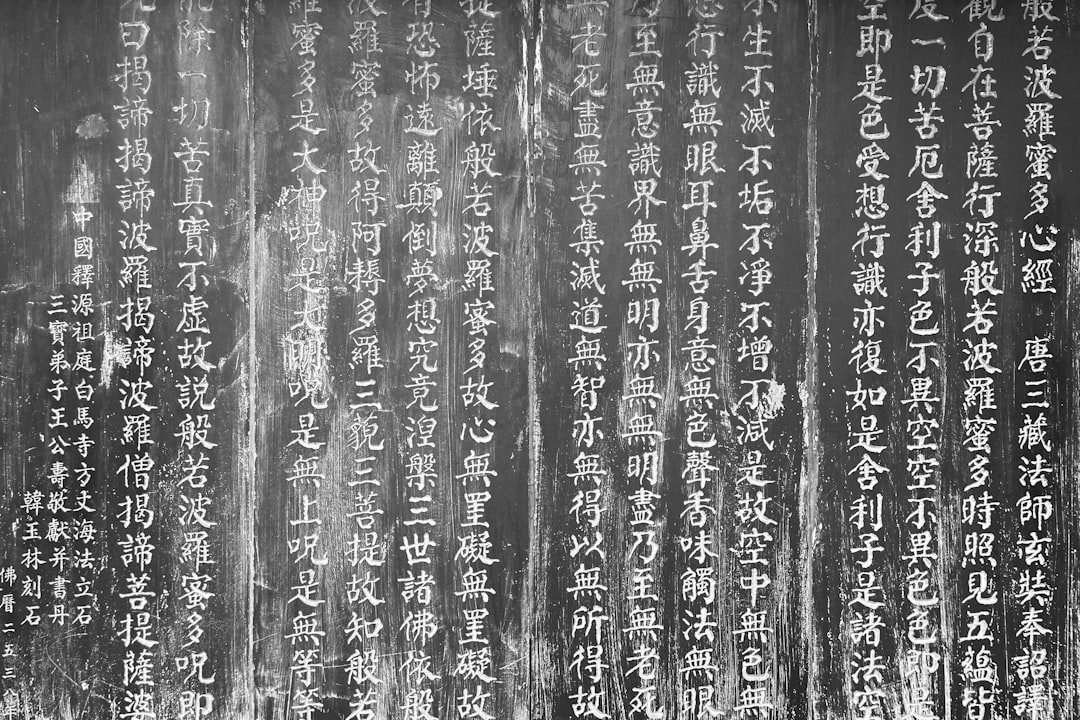
The ephemeral nature of knowledge, once a flame in the hearth of oral tradition, has become a fragile ember in the face of accelerating change. Across the globe, countless traditions, crafts, languages, and ecological understandings, honed over centuries through lived experience and passed down through generations, are teetering on the brink of oblivion. These are not merely quaint historical footnotes; they represent vast repositories of human ingenuity, resilience, and a profound connection to the natural world. The imperative to protect this “hidden wisdom” is not a nostalgic plea for the past, but a critical investment in the future, offering vital blueprints for sustainable living, creative problem-solving, and a richer understanding of what it means to be human.
The bedrock of ancient knowledge lies in its transmission from elder to youth, a process intricately woven into the fabric of daily life. This transmission occurred through mentorship, apprenticeship, storytelling, rituals, and direct participation in the practices themselves. However, several societal shifts have fractured these vital conduits.
The Accelerating Pace of Modernization
The rapid industrialization and urbanization of the past few centuries have fundamentally altered human lifeways. Traditional agricultural practices, medicinal plant knowledge, and artisanal skills, once intrinsically linked to local environments, have been supplanted by standardized, often resource-intensive, modern equivalents. The siren song of economic progress has, in many cases, led younger generations to abandon ancestral professions and relocate to urban centers, severing their direct ties to the knowledge embedded within their communities. This creates a void where critical skills and understandings once flourished.
The Dominance of Formal Education Systems
While formal education is undeniably valuable, its standardized curriculum, often focused on abstract and decontextualized knowledge, can inadvertently sideline or devalue indigenous and traditional ways of knowing. The emphasis on written texts and scientific methodologies, while important, can overlook the embodied, practical, and often holistic nature of ancient wisdom. This can lead to a perception that traditional knowledge is less relevant or less sophisticated, hindering its transmission to younger generations.
The Shifting Landscape of Cultural Valorization
In many societies, the cultural capital has shifted. Western models of success and progress often dominate, leading to a subtle or overt devaluing of non-Western traditions and knowledge systems. This can manifest in language loss, the erosion of cultural practices, and a general disinterest in the wisdom inherited from ancestors, especially when it appears to clash with prevailing global narratives. The subtle pressure to conform to dominant cultural paradigms can be a powerful force against the preservation of distinct forms of knowledge.
Throughout history, the preservation of ancient knowledge has often been shrouded in secrecy, primarily for safety reasons. Many civilizations recognized the potential dangers of certain information falling into the wrong hands, leading to the deliberate concealment of their most valuable insights. This practice is explored in depth in the article found at this link, which discusses how various cultures safeguarded their wisdom from external threats and the implications of such actions on our understanding of history today.
Unpacking the Value of Ancient Knowledge
The wisdom held within ancient traditions is not a static relic; it is a dynamic, adaptable, and often incredibly sophisticated body of knowledge with direct relevance to contemporary challenges. To dismiss it is to metaphorically throw away a treasure map before deciphering its routes.
Ecological Ingenuity and Sustainability
Many ancient cultures developed intricate and highly sustainable relationships with their environments. Their understanding of local ecosystems, plant and animal behaviors, and resource management, honed over millennia of close observation, offers invaluable lessons in ecological stewardship.
Traditional Ecological Knowledge (TEK)
TEK encompasses the cumulative knowledge, practices, and beliefs of indigenous peoples and local communities regarding the environment. This knowledge, often expressed through oral traditions and participatory learning, provides detailed insights into biodiversity, climate patterns, soil health, and sustainable resource utilization. For example, indigenous farming practices in various regions have demonstrated remarkable resilience in the face of climate change, often employing techniques that enhance soil fertility and conserve water, strategies that modern agriculture is increasingly seeking to emulate.
Biocultural Diversity and Resilience
The preservation of traditional knowledge is inextricably linked to biocultural diversity – the interconnectedness of biological and cultural diversity. As languages and cultural practices fade, so too does the knowledge of local flora and fauna, medicinal plants, and sustainable resource management. This loss diminishes not only cultural heritage but also potential solutions to contemporary environmental challenges, such as finding new medicines or developing climate-resilient crops.
Artisanal Mastery and Material Culture
Ancient civilizations were masters of their crafts, developing innovative techniques and deep understandings of natural materials. Their creations often embody principles of efficiency, durability, and aesthetic beauty that are increasingly sought after in a world grappling with consumerism and waste.
Lost Craftsmanship and Material Science
The lost arts of ancient civilizations, from the construction of monumental architecture without modern machinery to the nuanced understanding of natural dyes and fibers, represent a rich seam of material knowledge. Studying these techniques can offer insights into sustainable manufacturing processes, the use of local and renewable resources, and the creation of durable, long-lasting products. The pyramids of Egypt or the intricate weaving of Andean textiles are testaments to this mastery.
Aesthetic Principles and Functional Design
Beyond mere utility, ancient crafts often integrate profound aesthetic principles that reflect a deep understanding of form, function, and the human relationship with objects. This holistic approach to design can provide a counterpoint to the often superficial and disposable nature of modern manufactured goods.
Philosophical and Ethical Frameworks
Ancient societies developed diverse philosophical and ethical systems that continue to offer valuable perspectives on human existence, societal organization, and our relationship with the cosmos. These frameworks can provide a grounding for addressing contemporary ethical dilemmas and fostering social harmony.
Indigenouscosmologies and Worldviews
Indigenous cosmologies often offer holistic perspectives that view humans not as separate from, but as integral parts of, a living, interconnected universe. These worldviews prioritize reciprocity, respect for all life, and a deep sense of responsibility towards future generations. Such frameworks can offer a powerful antidote to the anthropocentric and often exploitative attitudes that contribute to environmental degradation and social inequity.
Indigenous Languages as Carriers of Wisdom
Languages are not merely tools for communication; they are living archives of cultural memory and unique ways of conceptualizing the world. The loss of an indigenous language is akin to the burning of an irreplaceable library, taking with it nuanced understandings of the natural world, sophisticated social structures, and unique philosophical insights. These languages often contain words and concepts that have no direct translation in dominant languages, offering distinct ways of understanding reality.
Threats to Ancient Knowledge

The forces actively undermining the preservation of ancient knowledge are multifaceted and often interconnected. Recognizing these threats is the first step towards devising effective countermeasures.
The Impact of Globalization and Homogenization
The pervasive influence of globalized media, consumer culture, and economic systems can lead to a homogenization of cultures, eroding the distinctiveness of local traditions and knowledge systems. This “cultural flattening” can make it difficult for younger generations to see the value in their own heritage when it is constantly juxtaposed with seemingly more appealing global trends.
Cultural Assimilation and Language Loss
Globalization often pressures minority cultures to assimilate into dominant cultural norms, leading to the abandonment of ancestral languages, customs, and belief systems. Language loss, in particular, is a critical threat, as languages are the primary vehicles for transmitting cultural knowledge. When a language dies, a unique way of seeing and understanding the world often dies with it.
Economic Pressures and Displacement
Economic factors can also be a significant driver of knowledge loss. When traditional livelihoods become economically unviable due to global market forces or resource depletion, communities may be forced to abandon their ancestral practices and migrate, disrupting the intergenerational flow of knowledge.
The Digital Divide and the Perils of Decontextualization
While digital technologies offer new avenues for documentation and dissemination, they also present challenges for the preservation of ancient knowledge, which is often deeply rooted in context and practice.
Superficial Documentation Without Deep Understanding
The internet can be a powerful tool for recording ancient knowledge, but it also risks reducing complex oral traditions, embodied skills, and nuanced understandings into superficial digital representations. Without the context of living practice and cultural immersion, this documentation can become decontextualized and lose its vital essence. It is akin to having a detailed recipe but never tasting the dish.
The Risk of Misappropriation and Exploitation
The open accessibility of digital information also raises concerns about the misappropriation and exploitation of indigenous knowledge by external entities for commercial gain, without attribution or benefit to the originating communities. This can further disempower communities and undermine their control over their own cultural heritage.
Lack of Recognition and Support
A fundamental barrier to preserving ancient knowledge is the lack of recognition and support from institutions, governments, and broader society. Without dedicated efforts and resources, these invaluable traditions are likely to continue to erode.
Insufficient Funding and Policy Support
Many initiatives aimed at preserving traditional knowledge struggle due to a lack of adequate funding and supportive policies. Governments and international organizations often prioritize more conventional forms of development and knowledge creation, leaving little room or resources for the safeguarding of indigenous and traditional wisdom.
The Intellectual Property Dilemma
Protecting indigenous knowledge within existing intellectual property frameworks is often challenging. Traditional knowledge systems do not always align with Western notions of individual ownership or patentability, making it difficult to prevent its unauthorized use and exploitation.
Strategies for Protection and Revitalization

Safeguarding ancient knowledge requires a multifaceted approach that involves communities, institutions, and individuals working collaboratively. The goal is not to freeze traditions in time, but to empower them to adapt and thrive in the modern world.
Empowering Indigenous Communities and Local Holders of Knowledge
The primary stewards of ancient knowledge are the communities themselves. Efforts to protect this wisdom must therefore prioritize community autonomy, self-determination, and the direct involvement of knowledge holders.
Community-Led Documentation and Revitalization Projects
Empowering communities to lead their own documentation and revitalization efforts ensures that the knowledge is recorded and understood on their own terms. This might involve supporting the creation of local archives, language immersion programs, and intergenerational learning initiatives. This places the custodians of the knowledge in the driver’s seat.
Strengthening Indigenous Governance and Land Rights
Recognizing and strengthening indigenous governance structures and land rights is crucial, as traditional knowledge is often deeply tied to specific territories and the sustainable management of natural resources. Secure land tenure provides the foundation upon which cultural practices and ecological knowledge can flourish.
Fostering Intergenerational Dialogue and Knowledge Exchange
Creating platforms and opportunities for meaningful dialogue and collaboration between elders and younger generations is essential for the continuous transmission of knowledge.
Mentorship Programs and Apprenticeships
Revitalizing traditional mentorship and apprenticeship models, tailored to contemporary contexts, can provide younger people with direct experience and guidance in ancestral crafts, healing arts, and ecological practices. This allows for the practical, embodied transmission of knowledge.
Culturally Relevant Educational Initiatives
Developing educational programs that incorporate and value traditional knowledge, alongside formal curricula, can help bridge the gap between generations and make ancestral wisdom relevant to the lives of young people. This can involve creating textbooks written in indigenous languages or incorporating traditional storytelling into science education.
Leveraging Technology Responsibly
Digital tools, when used thoughtfully and ethically, can play a significant role in the preservation, dissemination, and revitalization of ancient knowledge.
Digital Archiving and Accessible Databases
Creating secure, community-controlled digital archives for oral histories, traditional practices, and cultural heritage can ensure the long-term preservation of this knowledge. These databases, when made accessible to the originating communities and under their guidance, can become powerful educational resources.
Virtual Reality and Immersive Experiences
Emerging technologies like virtual reality can offer immersive experiences that allow individuals to engage with and learn about ancient practices and environments in innovative ways, fostering deeper understanding and appreciation. This can bring the past alive for a new generation.
Policy and Institutional Support
Governments and international organizations have a vital role to play in creating an enabling environment for the protection and revitalization of ancient knowledge.
National and International Recognition and Funding
Establishing national and international policies that recognize the value of traditional knowledge and provide dedicated funding for its preservation and revitalization is essential. This includes supporting indigenous-led initiatives and ensuring that such knowledge is integrated into broader development strategies.
Developing Ethical Frameworks for Knowledge Sharing
Creating clear ethical guidelines and legal frameworks for the fair and equitable sharing and protection of traditional knowledge is crucial to prevent its misappropriation and ensure that originating communities benefit from its use. This is the bulwark against exploitation.
Throughout history, ancient knowledge has often been concealed to protect it from those who might misuse it or seek to destroy it. This practice can be seen in various cultures where sacred texts and teachings were kept secret, shared only among a select few. For a deeper understanding of this phenomenon, you can explore an insightful article that discusses the reasons behind the safeguarding of ancient wisdom. The article highlights how the preservation of knowledge was crucial for maintaining cultural identity and spiritual integrity. To learn more about this intriguing topic, visit this article which delves into the complexities of hidden knowledge throughout history.
The Enduring Legacy of Hidden Wisdom
| Reason for Hiding Ancient Knowledge | Description | Example | Impact on Society |
|---|---|---|---|
| Protection from Destruction | Knowledge was hidden to prevent it from being destroyed during wars or invasions. | Library of Alexandria manuscripts | Preserved valuable information for future generations |
| Preservation of Power | Rulers or priests concealed knowledge to maintain control over the population. | Secret religious texts or alchemical formulas | Maintained social hierarchy and authority |
| Protection from Misuse | Some knowledge was considered dangerous if used improperly, so it was kept secret. | Ancient weapon designs or medicinal recipes | Prevented harm or misuse of powerful knowledge |
| Cultural or Religious Reasons | Knowledge was hidden to preserve sacred traditions and rituals. | Esoteric religious teachings | Maintained cultural identity and spiritual integrity |
| Limited Literacy and Access | Knowledge was restricted to educated elites to control dissemination. | Monastic scriptoria copying manuscripts | Ensured quality and accuracy but limited widespread learning |
The pursuit of ancient knowledge is not an act of sentimentality; it is a pragmatic endeavor to harness the accumulated wisdom of humanity for the benefit of all. These traditions represent a vast, often untapped, resource of solutions and perspectives that can help us navigate the complex challenges of the 21st century, from climate change and biodiversity loss to social inequality and the search for meaning in a rapidly evolving world.
A Reservoir of Resilience and Adaptability
Ancient knowledge systems have demonstrated remarkable resilience in the face of adversity, evolving and adapting over centuries. Their principles of ecological balance, community well-being, and mindful resource management offer blueprints for building more sustainable and equitable societies. To ignore this wisdom is to overlook a powerful source of tested resilience.
A Bridge to a More Harmonious Future
By recognizing, valuing, and actively protecting ancient knowledge, we not only safeguard cultural heritage but also cultivate a deeper understanding of our interconnectedness with the natural world and with each other. This understanding is a vital ingredient for forging a more harmonious and sustainable future. The wisdom of our ancestors is not a closed book, but a living current that can carry us forward.
A Call to Action
The task of protecting hidden wisdom is a collective responsibility. It requires a shift in perspective, a willingness to listen, and a commitment to action. By engaging with these ancestral traditions, we enrich our present and build a more robust foundation for the generations to come. The echoes of the past hold the keys to unlocking a more promising future.
FAQs
Why was ancient knowledge often hidden or kept secret?
Ancient knowledge was frequently hidden to protect it from being misused, stolen, or destroyed during times of conflict or invasion. Keeping knowledge secret also helped preserve cultural identity and ensured that only trusted individuals could access powerful information.
What methods were used to conceal ancient knowledge?
Methods included encoding information in symbols, using secret languages or ciphers, restricting access to certain texts or artifacts, and passing knowledge orally within select groups such as priests, scholars, or initiates.
Who were typically responsible for safeguarding ancient knowledge?
Priests, scribes, scholars, and members of secret societies or religious orders often acted as custodians of ancient knowledge. They were entrusted with preserving and transmitting information carefully to prevent misuse.
How did hiding knowledge contribute to safety in ancient times?
By restricting access, societies minimized the risk of knowledge falling into the hands of enemies or unqualified individuals who might use it for harmful purposes. It also helped maintain social order and protected sacred or powerful teachings.
Can hidden ancient knowledge still be discovered today?
Yes, many ancient texts, artifacts, and traditions have been uncovered through archaeology, translation, and research. However, some knowledge remains lost or partially understood due to deliberate concealment or the passage of time.