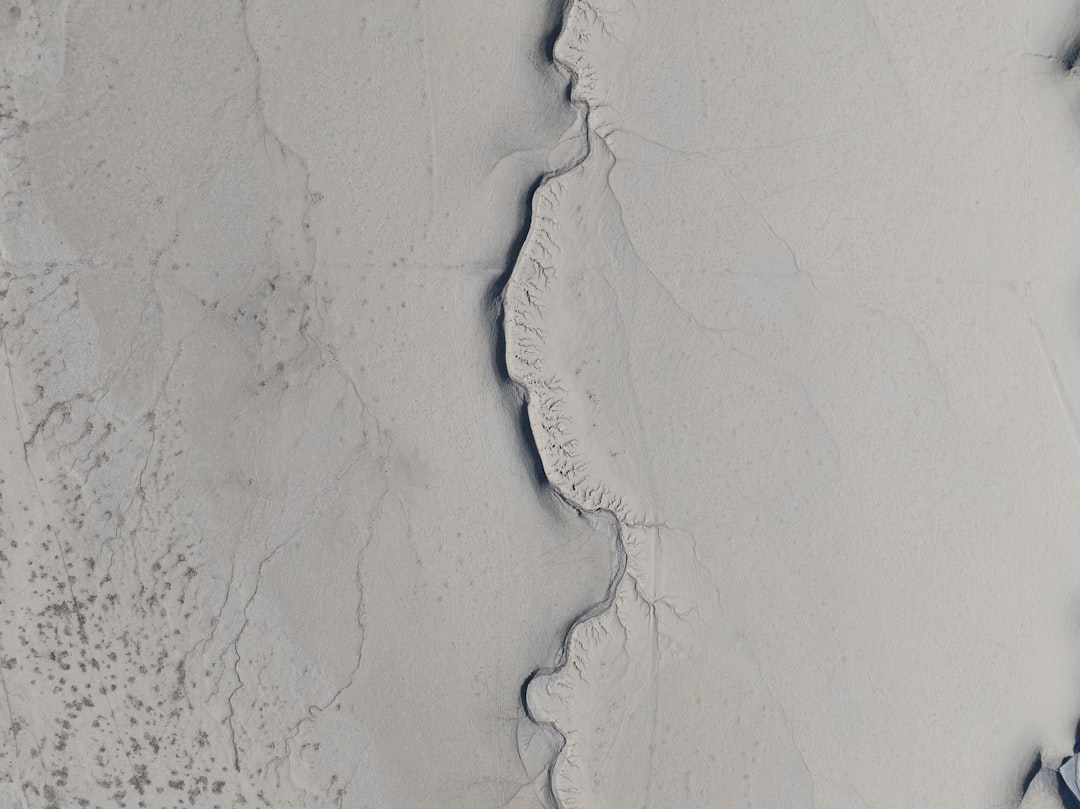
The Antarctic Ice Cap, a colossal expanse of ice covering the continent of Antarctica, is one of the most significant natural features on Earth. Spanning approximately 14 million square kilometers, it holds about 60% of the world’s fresh water and plays a crucial role in regulating global climate patterns. This vast ice sheet is not merely a frozen landscape; it is a dynamic system that influences ocean currents, weather systems, and even sea levels.
The sheer scale and complexity of the Antarctic Ice Cap make it a focal point for scientific research, particularly in the context of climate change and its far-reaching impacts. As the planet grapples with rising temperatures and shifting weather patterns, understanding the Antarctic Ice Cap becomes increasingly vital. The ice cap serves as a barometer for global climate health, reflecting changes in temperature and atmospheric conditions.
Scientists are particularly interested in how the ice cap is responding to these changes, as its melting could have catastrophic consequences for coastal communities worldwide. The urgency to study this frozen frontier has never been greater, as researchers strive to unravel the mysteries hidden beneath its icy surface.
Key Takeaways
- The Antarctic Ice Cap is the largest single mass of ice on Earth, covering an area of approximately 14 million square kilometers.
- Studying the Antarctic Ice Cap is crucial for understanding global climate change and its impact on sea level rise.
- Seismic profiles of the Antarctic Ice Cap reveal the internal structure and dynamics of the ice sheet, providing valuable information for scientific research.
- Unveiling the Antarctic Ice Cap involves using seismic waves to create detailed images of the ice sheet’s subsurface, allowing scientists to study its composition and behavior.
- Seismic waves play a key role in understanding the Antarctic Ice Cap by providing insights into its thickness, flow, and potential response to climate change.
Importance of Studying the Antarctic Ice Cap
Studying the Antarctic Ice Cap is essential for several reasons, primarily due to its implications for global sea levels. As the ice melts, it contributes to rising sea levels, which threaten low-lying coastal areas and island nations. Understanding the rate at which this ice is melting can help predict future sea-level rise and inform policy decisions regarding climate adaptation and mitigation strategies.
Moreover, the Antarctic Ice Cap acts as a critical indicator of climate change, providing valuable data on historical climate patterns through ice core samples that reveal atmospheric conditions over millennia. In addition to its role in sea-level rise, the Antarctic Ice Cap is integral to global ocean circulation. The cold, dense water produced by melting ice contributes to thermohaline circulation, a process that drives ocean currents around the globe.
Disruptions in this circulation can lead to significant changes in weather patterns, affecting agriculture, ecosystems, and human populations far from Antarctica. Therefore, understanding the dynamics of the ice cap is not only crucial for environmental scientists but also for policymakers and communities that depend on stable climate conditions.
Seismic Profile: What It Reveals
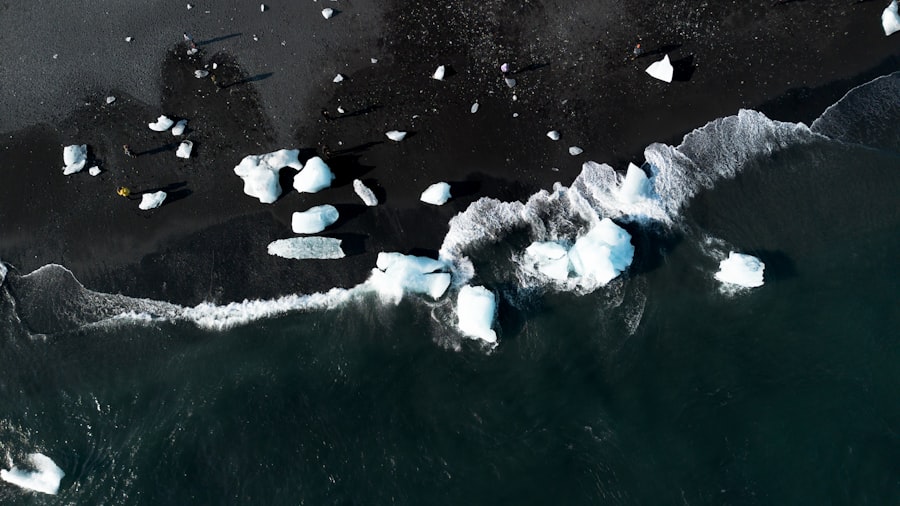
Seismic profiling is a powerful tool used by scientists to explore the structure and dynamics of the Antarctic Ice Cap. By sending seismic waves through the ice and measuring their reflections, researchers can create detailed images of the ice’s internal structure. This technique reveals information about the thickness of the ice, the presence of subglacial lakes, and the underlying geology of the continent.
Such insights are invaluable for understanding how the ice cap behaves and how it may respond to changing climatic conditions. The data obtained from seismic profiles can also shed light on the history of the Antarctic Ice Cap. By analyzing layers of ice and sediment trapped within, scientists can reconstruct past climate conditions and assess how they correlate with current trends.
This historical perspective is crucial for predicting future changes in the ice cap and their potential impacts on global sea levels. The ability to visualize the internal structure of the ice cap through seismic profiling thus provides a comprehensive understanding of this complex system.
The Process of Unveiling the Antarctic Ice Cap
| Stage | Duration | Tools Used |
|---|---|---|
| Research | 2 years | Satellite imagery, ice core samples |
| Exploration | 3 years | Ice-penetrating radar, drones |
| Analysis | 1 year | Computer modeling, data visualization |
| Publication | 6 months | Scientific journals, conferences |
Unveiling the secrets of the Antarctic Ice Cap involves a meticulous process that combines advanced technology with fieldwork in one of the harshest environments on Earth. Researchers typically begin by selecting specific sites for seismic profiling based on previous studies and satellite data. Once a site is chosen, teams must transport equipment across challenging terrain, often using snowmobiles or helicopters to reach remote locations.
The logistics of conducting research in Antarctica are daunting, requiring careful planning and coordination. Once on-site, scientists deploy seismic sensors and generate seismic waves using explosives or specialized equipment. These waves travel through the ice and reflect off various layers, allowing researchers to capture data that will later be analyzed.
The entire process requires not only technical expertise but also an understanding of environmental conditions that can affect data collection. Weather patterns in Antarctica can change rapidly, posing additional challenges for researchers striving to unveil the mysteries hidden beneath the ice.
The Role of Seismic Waves in Understanding the Ice Cap
Seismic waves play a pivotal role in enhancing our understanding of the Antarctic Ice Cap’s structure and behavior. When seismic waves are generated, they travel through different materials at varying speeds, allowing scientists to infer information about what lies beneath the surface. For instance, variations in wave speed can indicate changes in ice density or identify subglacial features such as lakes or rivers.
This information is crucial for modeling how these features interact with the overlying ice and how they may influence melting rates. Moreover, seismic waves can help identify areas where ice is particularly vulnerable to melting due to geothermal heat from below. By mapping these hotspots, researchers can better predict which regions of the ice cap are at greatest risk from climate change.
The insights gained from seismic wave analysis not only contribute to scientific knowledge but also inform strategies for mitigating potential impacts on global sea levels.
Challenges of Conducting Seismic Profile in Antarctica
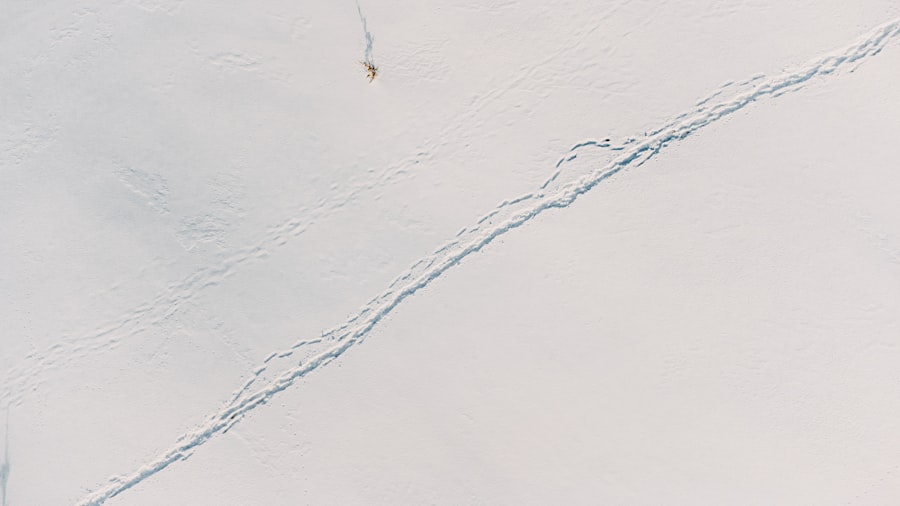
Conducting seismic profiling in Antarctica presents numerous challenges that test the limits of human endurance and technological capability. The extreme cold poses significant risks to both equipment and personnel; temperatures can plummet well below freezing, making it essential for researchers to wear specialized clothing and use gear designed for harsh conditions. Additionally, logistical hurdles abound, as transporting equipment across vast stretches of ice requires careful planning and often involves navigating treacherous terrain.
Another challenge lies in the unpredictable weather patterns characteristic of Antarctica.
Furthermore, environmental regulations necessitate that scientists minimize their impact on this fragile ecosystem, adding another layer of complexity to their efforts. Despite these challenges, researchers remain committed to unveiling the secrets of the Antarctic Ice Cap, driven by a sense of urgency regarding climate change.
Discoveries and Findings from Seismic Profile
The application of seismic profiling techniques has led to groundbreaking discoveries about the Antarctic Ice Cap that have reshaped scientific understanding of this critical region. One significant finding has been the identification of extensive subglacial lakes beneath the ice sheet. These lakes play a crucial role in ice dynamics; they can lubricate the base of glaciers, potentially accelerating their movement toward the ocean.
Understanding these subglacial systems is vital for predicting how quickly ice may melt in response to warming temperatures. Additionally, seismic profiles have revealed variations in ice thickness across different regions of Antarctica. Some areas exhibit unexpectedly thin ice cover, raising concerns about their vulnerability to climate change.
These findings have prompted further investigation into how local geological features influence ice stability and melting rates. As researchers continue to analyze seismic data, they uncover new insights that enhance our understanding of how the Antarctic Ice Cap functions as part of Earth’s climate system.
Implications of the Unveiled Antarctic Ice Cap
The implications of unveiling the Antarctic Ice Cap extend far beyond scientific curiosity; they carry significant consequences for global society. As researchers gain a clearer picture of how this vast ice sheet behaves under changing climatic conditions, they can better predict future sea-level rise scenarios. This information is crucial for coastal communities worldwide that must prepare for potential flooding and displacement due to rising waters.
Moreover, understanding the dynamics of the Antarctic Ice Cap informs broader discussions about climate policy and environmental stewardship. As evidence mounts regarding the impacts of human activity on global temperatures, policymakers are increasingly called upon to take action to mitigate these effects. The findings from seismic profiling contribute valuable data that can guide decision-making processes aimed at protecting vulnerable ecosystems and communities.
Future Research and Exploration of the Antarctic Ice Cap
The future of research and exploration in Antarctica promises to be both exciting and challenging as scientists continue to seek answers about this enigmatic region. Advances in technology will likely enhance data collection methods, allowing researchers to gather more detailed information about ice dynamics and subglacial features. Innovations such as autonomous drones equipped with sensors may enable scientists to explore areas previously deemed inaccessible due to harsh conditions.
Furthermore, interdisciplinary collaboration will be essential for addressing complex questions related to climate change and its impacts on polar regions. By bringing together experts from various fields—such as glaciology, geology, oceanography, and climate science—researchers can develop comprehensive models that account for multiple factors influencing ice behavior. As global interest in climate change intensifies, funding opportunities for Antarctic research may also increase, facilitating further exploration and discovery.
Collaborative Efforts in Unveiling the Antarctic Ice Cap
Collaboration has become a cornerstone of research efforts aimed at unveiling the mysteries of the Antarctic Ice Cap. International partnerships among countries engaged in polar research have fostered knowledge sharing and resource pooling that enhance scientific inquiry. Organizations such as the Scientific Committee on Antarctic Research (SCAR) play a vital role in coordinating efforts among nations while promoting best practices for environmental stewardship.
These collaborative initiatives extend beyond national borders; they also involve partnerships with universities, research institutions, and private organizations dedicated to advancing our understanding of polar regions. By working together, scientists can leverage diverse expertise and perspectives that enrich their findings while addressing pressing global challenges related to climate change.
The Significance of Understanding the Antarctic Ice Cap
In conclusion, understanding the Antarctic Ice Cap is not merely an academic pursuit; it holds profound significance for humanity’s future in an era marked by climate change. As this vast ice sheet continues to respond to rising temperatures, its implications for global sea levels and weather patterns become increasingly urgent. Through seismic profiling and other innovative research methods, scientists are uncovering critical insights that inform our understanding of this complex system.
The collaborative efforts among researchers worldwide underscore a shared commitment to unraveling the mysteries hidden beneath Antarctica’s icy surface. As they continue their work in one of Earth’s most challenging environments, they contribute invaluable knowledge that will shape policies aimed at safeguarding our planet’s future. Ultimately, comprehending the dynamics of the Antarctic Ice Cap is essential not only for scientific advancement but also for ensuring a sustainable world for generations to come.
In recent years, the study of the Antarctic ice cap has become increasingly important due to its implications for global sea level rise and climate change. A seismic profile of the Antarctic ice cap provides valuable insights into the underlying geological structures and the dynamics of ice movement. For those interested in exploring related topics, an article on the geological and environmental aspects of polar regions can be found on Real Lore and Order. This article delves into the intricate details of how seismic activities influence the stability of ice caps and their potential impact on global ecosystems. You can read more about it by visiting this page.
WATCH THIS 🧊The US Military Confirmed It: What’s REALLY Under the Antarctic Ice?
FAQs
What is a seismic profile of an Antarctic ice cap?
A seismic profile of an Antarctic ice cap is a method used to study the structure and properties of the ice sheet by sending seismic waves into the ice and measuring the reflections and refractions of these waves.
How is a seismic profile of an Antarctic ice cap conducted?
Seismic profiles of Antarctic ice caps are conducted by using specialized equipment to generate seismic waves, which then travel through the ice and are recorded by sensors. The data collected is then used to create a detailed image of the subsurface structure of the ice cap.
What information can be obtained from a seismic profile of an Antarctic ice cap?
A seismic profile of an Antarctic ice cap can provide information about the thickness, density, and internal layering of the ice sheet, as well as the presence of subglacial lakes, bedrock topography, and potential areas of instability.
Why is studying the seismic profile of an Antarctic ice cap important?
Studying the seismic profile of an Antarctic ice cap is important for understanding the dynamics of the ice sheet, predicting its response to climate change, and assessing the potential for sea level rise. It also helps in identifying areas of potential ice loss and improving our understanding of the geology beneath the ice.
What are the potential applications of studying the seismic profile of an Antarctic ice cap?
The information obtained from studying the seismic profile of an Antarctic ice cap can be used to improve ice sheet models, assess the risk of ice sheet collapse, and inform future climate change mitigation strategies. It can also aid in the exploration for subglacial lakes and potential drilling sites for ice core samples.